
Cult Cinema Deep Dive
The Flickering Forbidden: Decoding the Maverick Soul and Transgressive DNA of Cinema’s Earliest Genre Outcasts
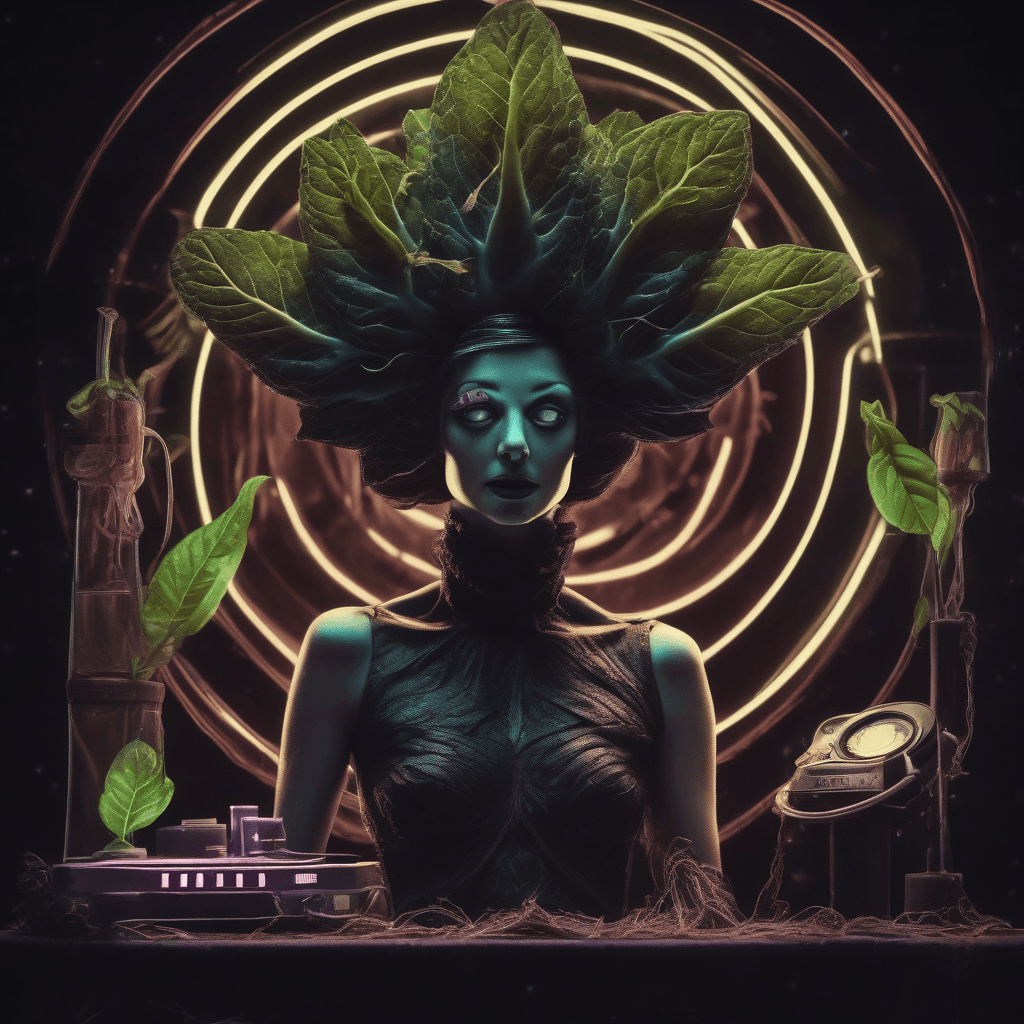
“An exploration of how early silent era oddities and transgressive narratives laid the groundwork for modern cult cinema, transforming the fringe of film history into a sanctuary for the unconventional.”
The history of cinema is often written by the victors—the blockbusters, the Oscar-winners, and the technical marvels that defined industry standards. But beneath the polished surface of mainstream history lies a darker, more volatile current: cult cinema. This is the realm of the rejected, the bizarre, and the misunderstood. While many believe the cult phenomenon began with the midnight movies of the 1970s, its genetic code was actually written decades earlier, in the flickering shadows of the silent era and the early days of talkies. To understand the modern obsession with the strange, we must look back at the original genre outcasts—films that defied categorization and challenged the moral and social boundaries of their time.
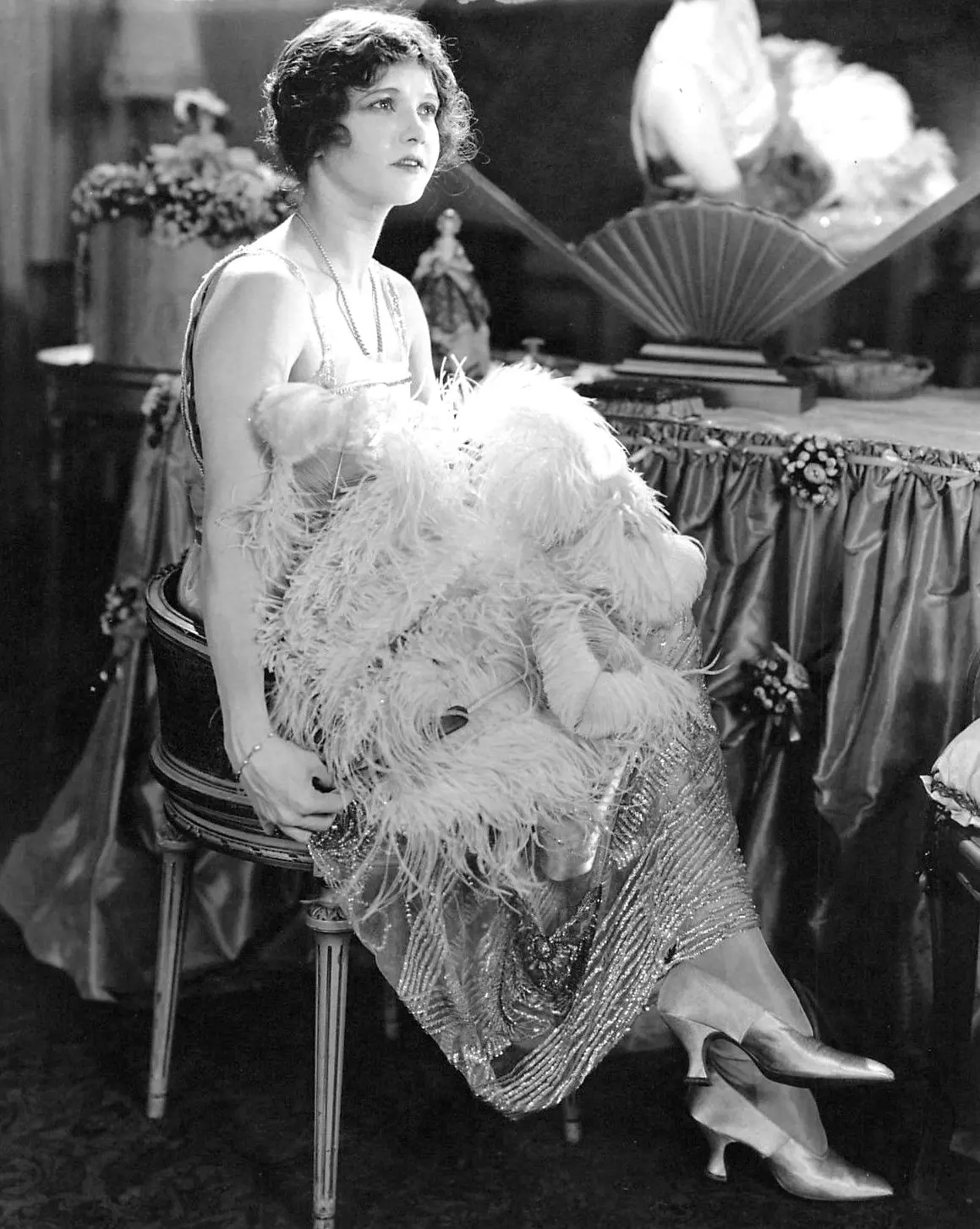
The Genesis of the Strange: Alraune and the Birth of Forbidden Science
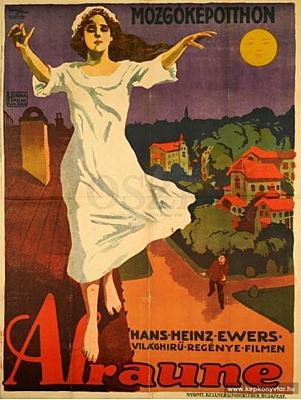
Few films capture the primal essence of the cult aesthetic quite like the 1918 masterpiece Alraune. Based on the legend of the mandrake root, the film tells the story of a mad scientist who creates a beautiful but demonic woman through a forced union between a woman and a mandrake. This narrative of biological transgression and the "manufactured woman" predates the sci-fi obsessions of modern cult classics like Blade Runner or Ex Machina. In Alraune, we see the early cinematic fascination with the grotesque and the supernatural, a recurring theme that would eventually define the horror-cult subgenre. The film’s exploration of magical powers and uncanny resemblances to humanity created a template for what audiences would later define as "the other."
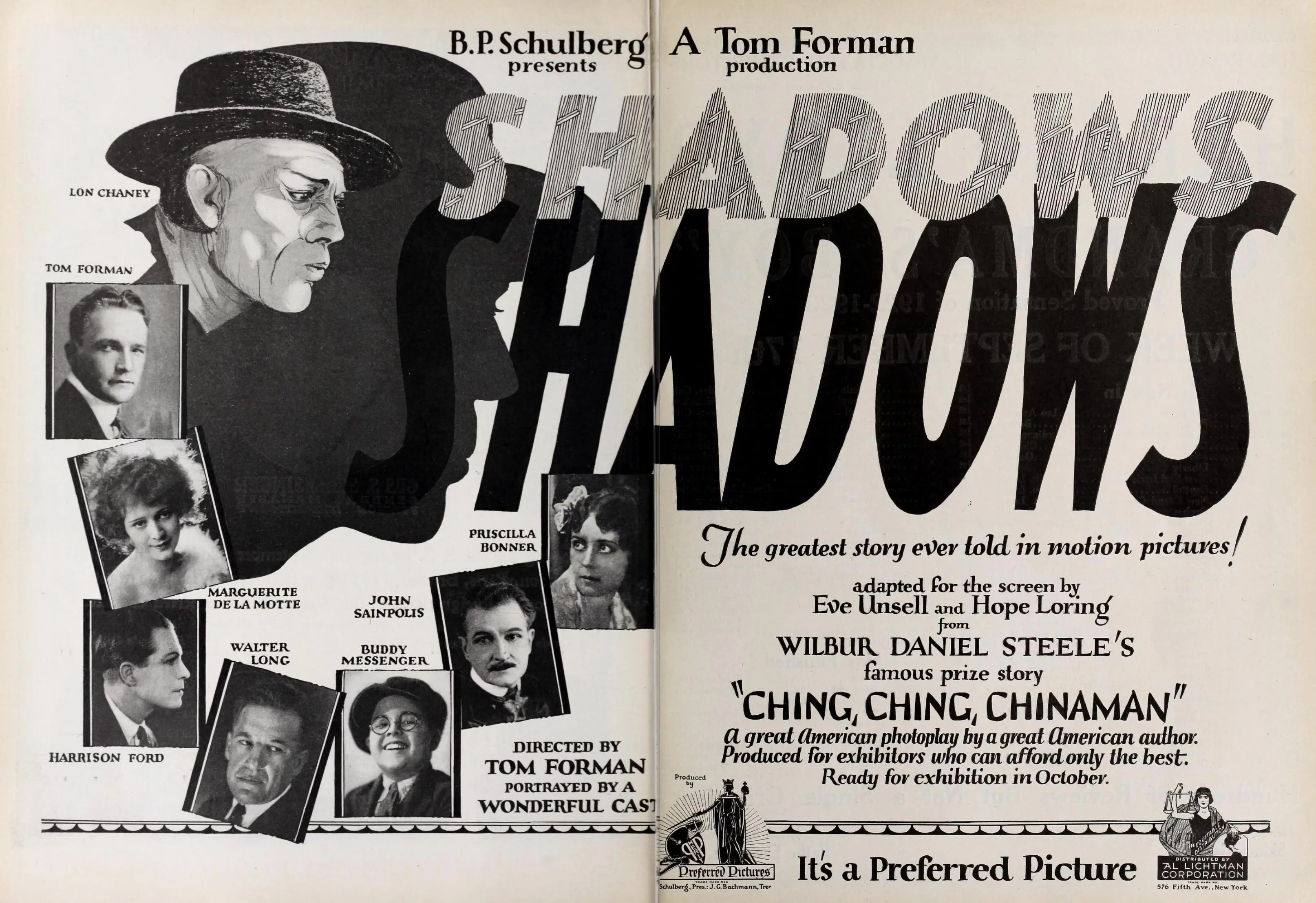
This early venture into the macabre was mirrored by experiments in multimedia storytelling. The Fairylogue and Radio-Plays (1908), an early adaptation of L. Frank Baum’s Oz books, was a lost film that utilized live narration and "radio-plays" to immerse its audience. It was an ambitious, oddity-driven project that lacked the commercial safety of contemporary features. It is precisely this kind of ambitious failure or niche experimentation that forms the bedrock of cult devotion. When a film exists outside the standard distribution models, it acquires a mythic status, preserved only in the memories of those who dared to witness its unconventional rhythms.
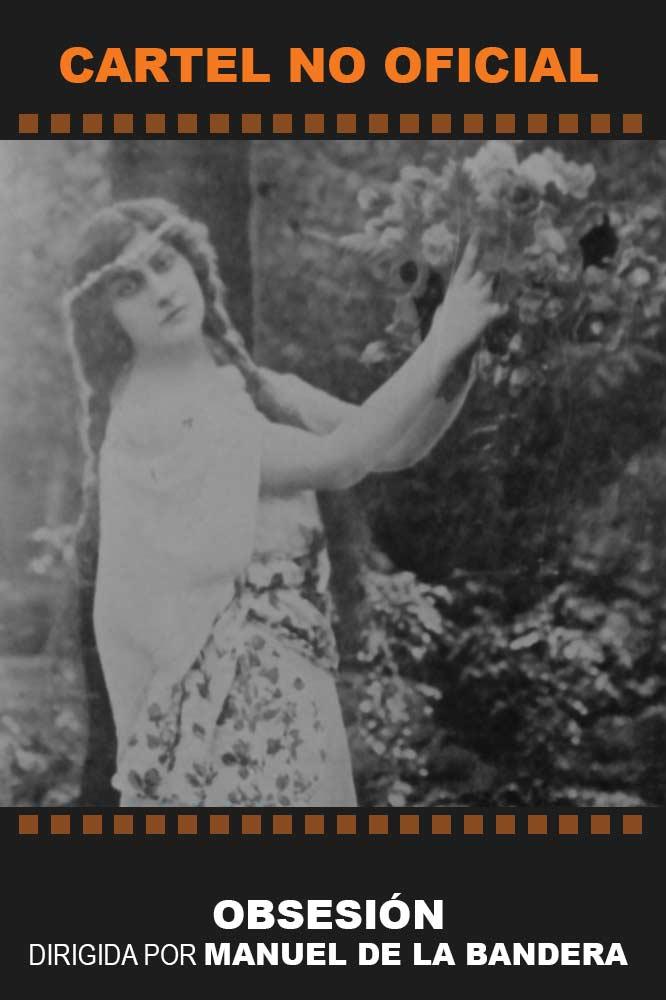
Social Subversion and the Midnight Morality
Cult cinema has always been a mirror for the societal anxieties that the mainstream refuses to acknowledge. In the early 20th century, films like The Midnight Burglar and The Eleventh Commandment tackled issues of class, hygiene, and marital law with a raw, often melodramatic intensity. The Midnight Burglar, for instance, used the trope of a thief to expose the unsanitary living conditions of tenements—a direct indictment of the wealthy elite who refused to improve the lives of their tenants. This socially conscious subversion is a hallmark of cult films, which often champion the disenfranchised or the "misfit."
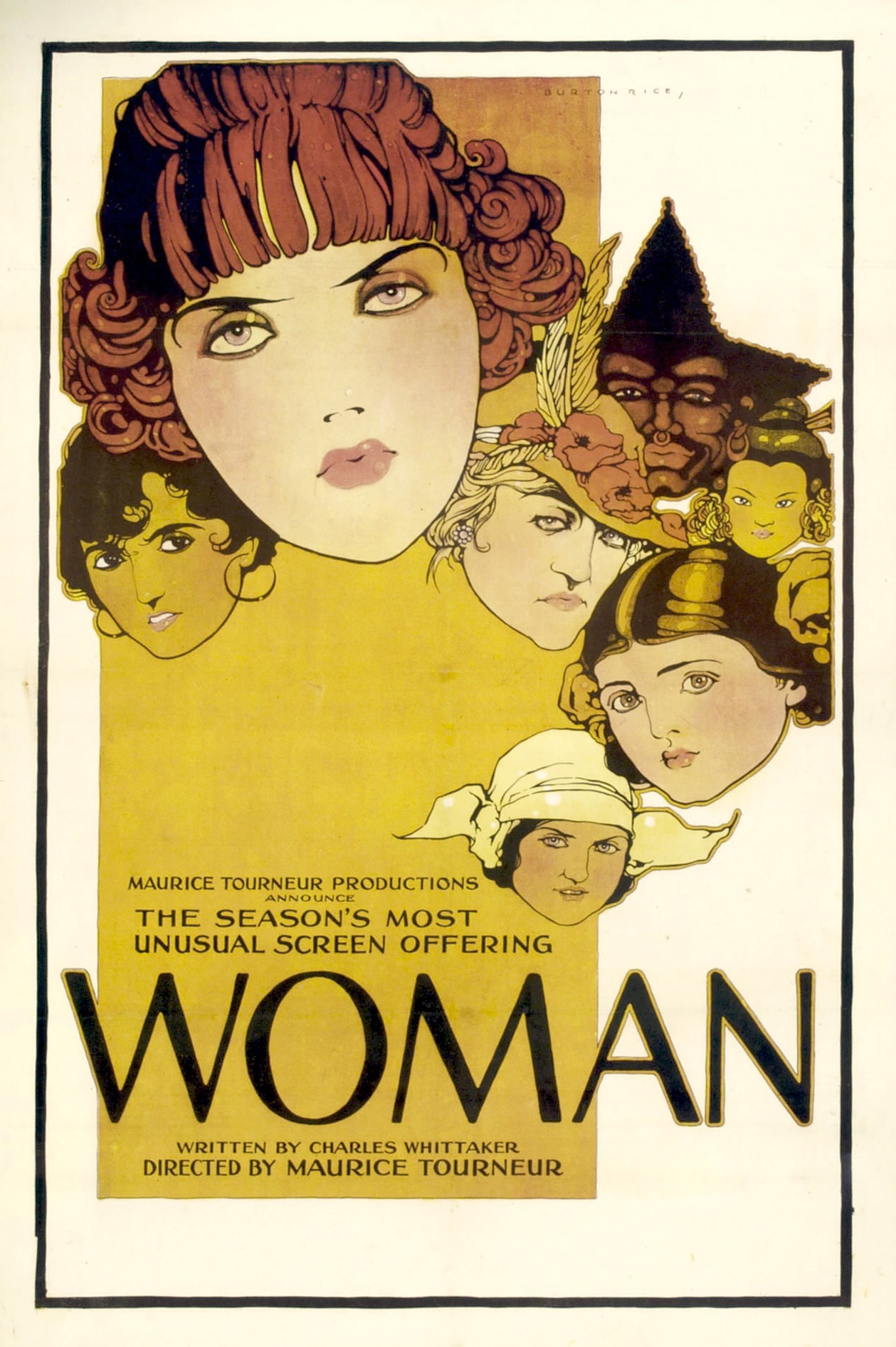
Similarly, The Eleventh Commandment challenged the sanctity of marriage, suggesting that the only true commandment was to marry for love, not wealth. This rejection of traditional values in favor of individualistic passion resonated with an audience that felt increasingly alienated by rigid Victorian standards. These films weren't just entertainment; they were manifestos of the fringe. When we look at All Woman (1918), where a woman inherits a run-down country inn and saloon, we see a narrative of female agency and survival that defied the typical damsel-in-distress tropes of the era. These are the proto-feminist threads that would later be woven into the fabric of modern cult cinema.
The Aesthetics of Othering: Exoticism and Cultural Anomalies
A recurring element in cult cinema is the fascination with the "exotic" and the "unknown," often through a lens that today we might find problematic, but which at the time represented a radical departure from the familiar. Films like The Adorable Savage and Barbary Sheep transported audiences to Fiji and Arabia, respectively. In The Adorable Savage, the clash between Western boarding schools and the raw reality of plantation life in Fiji created a narrative friction that appealed to those seeking an escape from the mundane. Meanwhile, Barbary Sheep focused on the romantic allure of the Middle East, contrasting the aristocratic boredom of the British elite with the primal energy of the desert.
Even more striking in its subversion is The Tong Man, an early portrayal of the "Chinese Mafia" and opium smuggling. While it leaned into the tropes of the era, its focus on the underworld and the secret societies of the East provided a blueprint for the gritty crime dramas that would later become cult staples. The "Tong Man" himself, marked for murder, represents the classic cult protagonist: a man caught between two worlds, operating in the shadows of a society that doesn't understand him.
Genre Anarchy: From Burlesque to Body Horror
If there is one thing that defines a cult film, it is its refusal to stay within the lines of a single genre. The early century was rife with genre mutants. Take The Eskimo (1920), a burlesque on popular Arctic adventure films. By mocking the tropes of the very movies that were popular at the time, The Eskimo engaged in a meta-commentary that we now associate with cult comedies like The Rocky Horror Picture Show. It took something serious—the frozen North—and turned it into a canvas for absurdist humor.
Then there is the sheer weirdness of Everybody's Doing It, which featured characters Mutt and Jeff conducting a "Jazz-Shimmy school" for reducing weight. The idea of a man shimmying until he shrinks to the size of a small boy is a precursor to the body horror and transformation tropes that would later define the work of filmmakers like David Cronenberg. This kind of visual anarchy, where the laws of physics and biology are suspended for the sake of a gag or a thrill, is the very essence of the "midnight mindset." It is a cinema of the impossible, where the screen becomes a playground for the subconscious.
The Melodrama of the Misfit: Poppy and The Broken Melody
Melodrama is often dismissed by critics as being "too much," but in the world of cult cinema, "too much" is exactly enough. Poppy (1917) features a plot so convoluted and emotionally charged—an orphan in Africa, an abusive marriage, an amnesiac lover, and a career as a novelist—that it defies traditional narrative logic. This excess of emotion and plot is what creates a passionate following. Fans don't just watch these films; they experience them as a fever dream. The Broken Melody similarly uses the "bohemian" setting of Greenwich Village to explore the lives of struggling artists and singers, creating a romanticized vision of the fringe that has inspired generations of creative outcasts.
Even the world of sports wasn't safe from the cult touch. Kissing Cup's Race (1920) might seem like a straightforward horse-racing film, but its focus on the schemes of rivals and the triumph of the underdog Lord's horse tapped into the class-based defiance that audiences craved. It’s the story of the "little guy" winning against a corrupt system, a narrative that remains a cornerstone of the cult ethos.
The Legacy of the Forgotten: Why We Still Search the Archives
Why do we continue to obsess over films like The Bearded Lady or The Marconi Operator? Why do we care about The Life of Richard Wagner or the propaganda efforts of Das Tagebuch des Dr. Hart? It is because these films represent the unfiltered id of cinema. Before the Hays Code and the rigorous testing of modern focus groups, filmmakers were free to be weird, biased, experimental, and even offensive. They were capturing the world as they saw it, or as they dreamt it, without the safety net of commercial certainty.
When we look at Southward on the Quest, the documentary of Sir Ernest Shackleton’s final expedition, we aren't just seeing a record of travel; we are seeing the human spirit at its limit. This search for the extreme—whether it be the extreme of physical endurance, the extreme of emotional melodrama, or the extreme of visual absurdity—is what drives the cult fan. We are looking for something that makes us feel alive in a way that the sanitized mainstream cannot. We are looking for the flicker of the forbidden.
The films of 1910 to 1925, from Luring Lips to The Man from Glengarry, provided the blueprint for this obsession. They taught us that a film doesn't have to be perfect to be powerful. It doesn't have to be popular to be important. Sometimes, the most enduring legacies are found in the films that were meant to be forgotten—the renegade French Canadians, the opium smugglers, and the mandrake-born daughters. These are the icons of the midnight screen, the original genre rebels who proved that cinema’s true soul is found in the shadows.
As we move further into the digital age, the preservation of these early anomalies becomes even more vital. They remind us that cinematic history is a labyrinth, not a straight line. Every time we unearth a film like The Fairylogue and Radio-Plays or re-examine the social commentary of The Midnight Burglar, we are reconnecting with the primal deviance that birthed our modern culture. We are acknowledging that the "misfits" were there from the very beginning, waiting in the dark for an audience that was finally ready to see them. The cult is not just a collection of movies; it is a communal ritual of rediscovery, a way of saying that no vision is too strange to be loved, and no story is too small to be immortalized.
In the end, the maverick soul of cult cinema remains unyielding. Whether it's the detective Taris hunting the Crime of the Camora or the orphan Poppy finding her voice in a novel, these stories of survival and rebellion continue to resonate. They are the transgressive DNA of the moving image, a reminder that the most interesting things always happen at the fringe. So, the next time you find yourself in a dark theater at midnight, remember the silent giants who paved the way. Their flickering light is the reason we still believe in the magic of the strange.
Community
Comments
Log in to comment.
Loading comments…