
Cult Cinema
The Flickering Underground: How the 1910s Silent Misfits Prefigured the Cult Movie Psyche
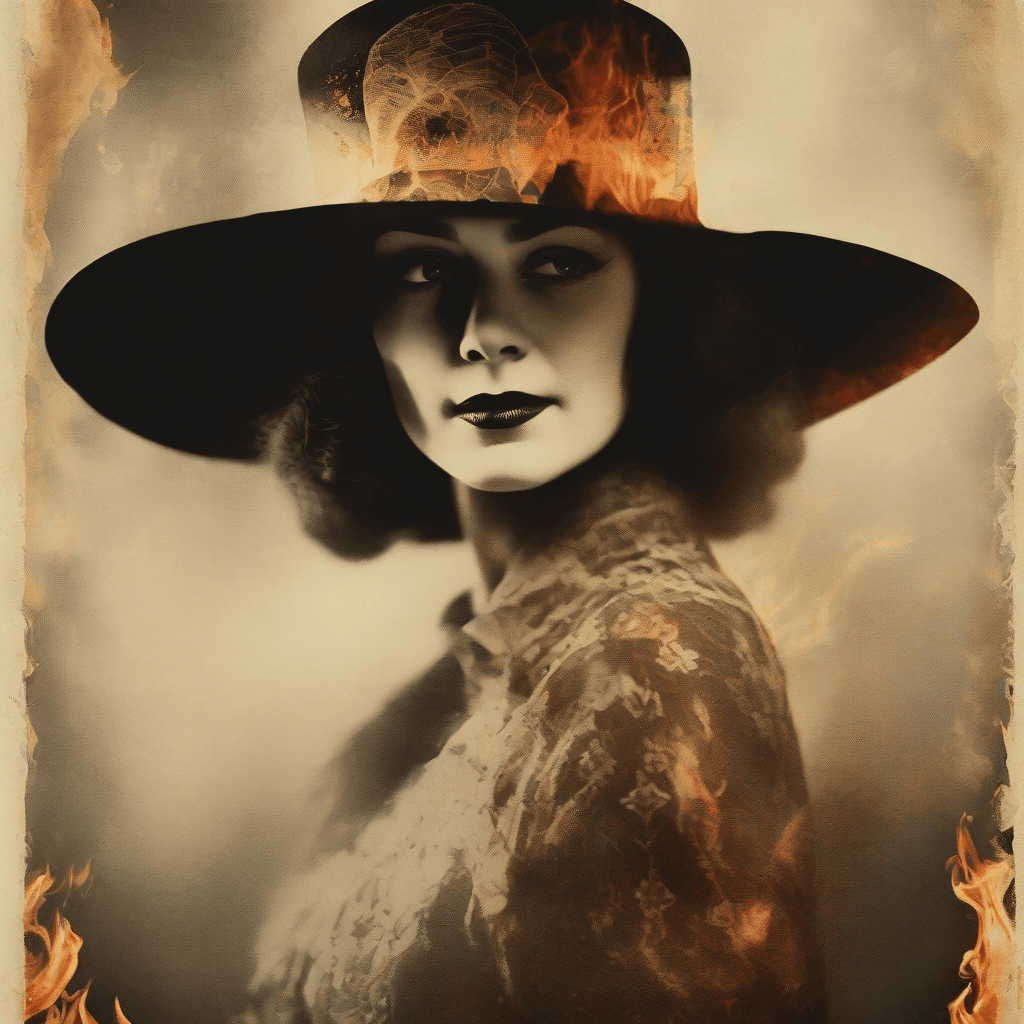
“An exploration of how the transgressive narratives and genre-bending anomalies of the silent era established the DNA for modern cult cinema obsession.”
The history of cult cinema is often told through the lens of the 1970s midnight movie circuit, yet the spiritual architecture of the cult gaze was drafted decades earlier. Long before the term 'cult film' entered the lexicon, the silent era of the 1910s and early 1920s was already producing celluloid anomalies that defied mainstream sensibilities. These were films that existed on the periphery of the emerging studio system—works that embraced the bizarre, the transgressive, and the morally ambiguous. To understand why we are drawn to the 'weird' today, we must look at the nitrate ghosts that first dared to dance in the shadows of the flickering screen.
The Archetype of the Misfit Hero
One of the primary pillars of any cult classic is the presence of an outsider—a protagonist who exists outside the social contract. In the silent era, this was exemplified by films like The Hunchback and the Dancer (1920). Here, we see Wilton, a man scorned and ridiculed for his physical appearance, who returns from Java as a wealthy man after discovering a diamond mine. This narrative of the marginalized individual gaining power through unconventional means is a core tenet of cult storytelling. It reflects a primal desire for the 'other' to find agency in a world that rejects them.
Similarly, Common Ground (1916) presents us with 'The Kid,' a product of the slums working in an artificial flower factory. Her 'monstrosity of a hat' becomes a symbol of her unique identity—a piece of wearable rebellion that earns the envy of her peers. This focus on the aesthetic of the outcast prefigures the costume-heavy fandoms of modern cult classics. These early films weren't just telling stories; they were building icons for those who felt unseen by the polite society of the early 20th century.
Transgressive Morality and the Fallen Woman
Cult cinema has always thrived on the 'forbidden.' The silent era was rife with narratives that challenged the rigid moral codes of the time. Take, for instance, The Fuel of Life (1917). When Angela De Haven discovers her husband's infidelity, she doesn't simply weep; she sets out to make all men pay for his deceit. This brand of vengeful, proactive female agency was radical for its time and aligns perfectly with the 'femme fatale' or 'avenging angel' tropes found in later cult subgenres. It suggests a world where traditional justice is insufficient, and the protagonist must forge their own moral path.
This theme of moral complexity continues in Souls Triumphant (1917), where a life of dissipation is countered by a quest for reform, and Mrs. Dane's Defense (1918), which explores the consequences of hiding one's past indiscretions. These films tapped into a collective anxiety about identity and social standing, themes that continue to resonate in cult films that explore the 'secret lives' of their characters. The tension between public persona and private sin is the engine that drives the cult fascination with the transgressive.
Genre Bending: The Proto-Cult Alchemy
Modern cult films often succeed by blending genres in ways that confuse or delight mainstream audiences. We see the roots of this alchemical process in 1921's Colorado, a film that effortlessly weaves together elements of the Western, Romance, and Comedy. By refusing to stay in a single lane, these early works created a sense of unpredictability. When a film like Gasoline Gus (1921) takes a 'boob' protagonist and thrusts him into a plot involving fake oil stocks and sudden wealth, it subverts the expectations of a standard dramatic arc.
Even the early experiments in horror and the macabre, such as One Arabian Night (1920), utilized the 'hunchback clown' and the 'tyrannical sheik' to create a dreamlike, often nightmarish atmosphere. These films were the precursors to the 'weird' cinema of the mid-century, using exoticism and physical deformity to evoke a sense of the uncanny. The cult audience has always been one that seeks out the 'unclassifiable,' and the silent era provided a rich tapestry of genre-defying experiments like The 'High Sign' (1921), which blended action and surreal comedy in a way that remains visually arresting today.
The Shadow of Reality: Social Activism and True Crime
Cult cinema often intersects with the 'real' in uncomfortable ways. The Celebrated Stielow Case (1916) is a fascinating early example of cinema being used as a tool for social justice. Released while the real-life immigrant Charlie Stielow was on death row, the film was a deliberate attempt to influence public opinion and the legal system. This 'meta' relationship between the screen and the street is a hallmark of cult movements that seek to challenge the status quo.
Furthermore, films like Just a Woman (1918) and Captain of His Soul (1918) dealt with the corruption of industry and the struggle of the working class. In Just a Woman, the focus is on a laborer's wife helping him rise through the ranks of a Pittsburgh steel mill, only for success to bring its own set of moral failures. These narratives provided a gritty counterpoint to the escapism of the era, much like the 'midnight movies' of the 70s would later provide a gritty counterpoint to the blockbusters of the day.
The Surrealism of the Silent Frame
The visual language of the 1910s was inherently surreal due to the limitations and possibilities of the medium. Too Much Johnson (1938/1910s context), though famously associated with Orson Welles' later edit, represents the kind of manic, slapstick energy that would eventually evolve into the 'absurdist' cult comedy. The use of assumed names, secret dalliances, and frantic movement created a world that felt slightly tilted. In Cheating the Piper (1917), the use of a flute to lure mice out of a station 'Pied Piper' style introduces a touch of the fantastical into a mundane setting.
This surrealism is also evident in Princess of the Dark (1917), set in a squalid mining town where a consumptive father builds a shack for his daughter. The juxtaposition of extreme poverty with 'princess' imagery creates a haunting, melancholic atmosphere that sticks in the mind long after the film ends. This ability to create a 'vibe' or an 'atmosphere' that transcends the plot is what allows a film to transition from a mere story into a cult object of devotion.
The Legacy of the Forgotten Nitrate
Many of the films from this era, such as Va banque or La nouvelle aurore, exist now as fragments or footnotes, yet their influence is undeniable. They established the tropes of the 'secret heir' (Your Wife and Mine), the 'reformed drunk' (Souls Triumphant), and the 'noble savage' (Sunday). These stories explored the fringes of the human experience, providing a home for the weird, the wild, and the wicked.
When we look at The Great Adventure (1921), where an artist pretends to be a valet to escape a woman's advances, we see the early roots of the 'screwball' comedy that would later become a staple of cult fandom. When we see The Devil's Wheel (1918) and its obsession with a 'system' for beating the roulette wheel, we see the early cinematic fascination with obsession itself. Cult cinema is, at its heart, a cinema of obsession—both on the part of the characters and the audience.
In conclusion, the 1910s were not just a primitive precursor to the 'real' movies; they were a laboratory of subversive storytelling. The films of this era—from the swashbuckling adventure of Ali Baba and the Forty Thieves (1918) to the heartbreak of Seventeen (1916)—laid the groundwork for the modern cult psyche. They taught us to look for the beauty in the grotesque, the truth in the lie, and the hero in the outcast. As we continue to unearth these lost reels, we find that the spirit of the midnight movie has been flickering in the dark since the very beginning.
Community
Comments
Log in to comment.
Loading comments…