
Cult Cinema Deep Dive
The Flickering Underground: Decoding the Primal Magnetism of Cinema’s Original Genre Defiants

“Journey into the shadows of film history to discover how the transgressive themes and visual anarchy of early 20th-century outcasts birthed the modern cult cinema phenomenon.”
When we speak of cult cinema, the mind often wanders to the neon-soaked midnight screenings of the 1970s or the VHS-fueled obsessions of the 1980s. However, the true genetic material of the cult movie was forged much earlier, in the flickering, erratic light of the silent era’s most daring experiments. Long before the term was codified by critics, a rogue gallery of filmmakers was already dismantling narrative conventions and exploring the liminal spaces of human experience. These early 20-century anomalies—ranging from surreal comedies to dark social critiques—established the blueprint for what we now recognize as the transgressive, the weird, and the wonderfully niche.
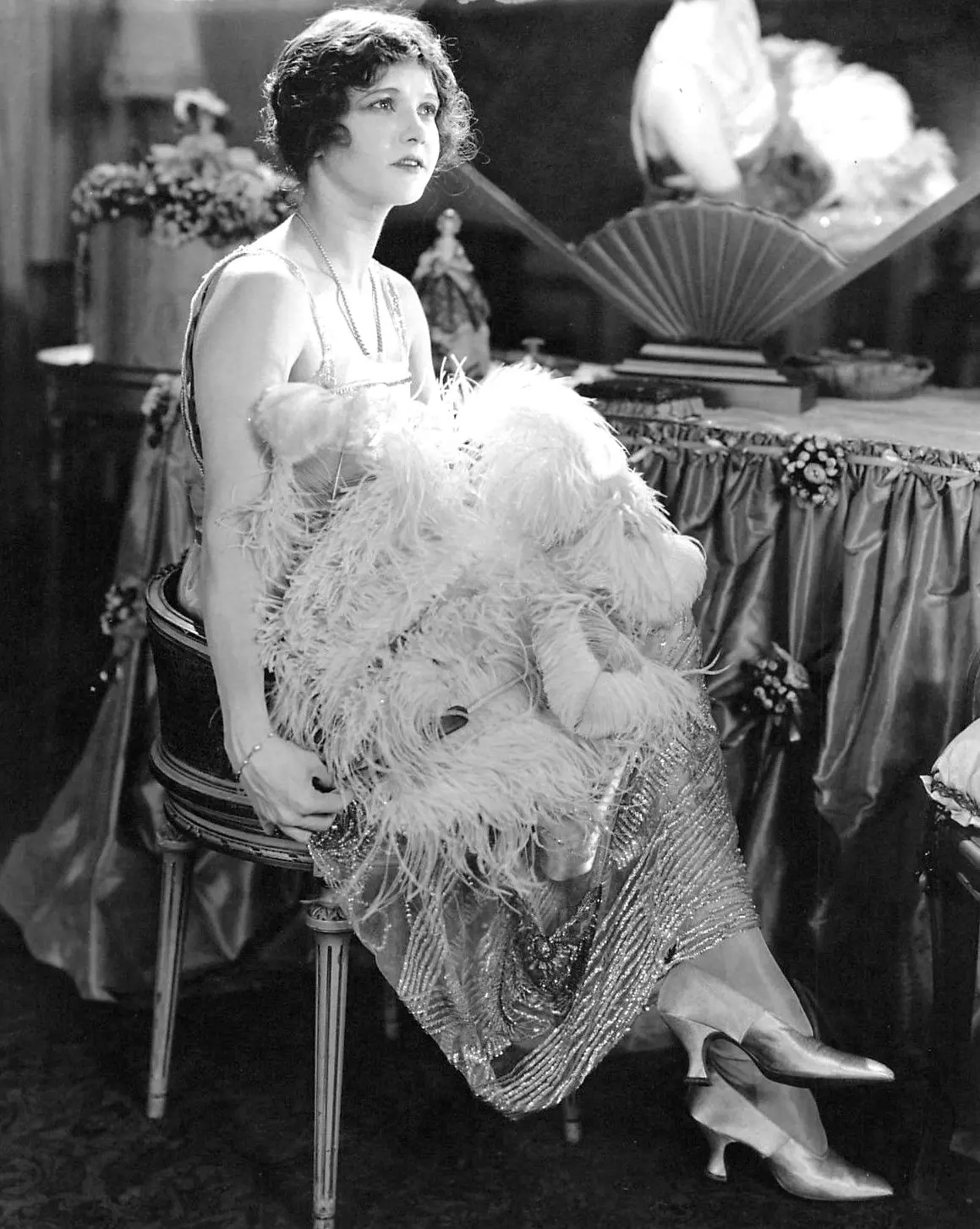
The Surrealist Genesis: Dreaming Beyond the Frame
The essence of cult cinema lies in its ability to transport the viewer into a logic that defies the mundane. We see this primal urge for the surreal in Charlie in Turkey (1919). While the world knew the 'Tramp' through a specific lens of slapstick, this particular iteration plunges into a dreamscape where the protagonist kidnaps the Queen of Sheba. This departure from the physical reality of the era's comedy into a hallucinatory, second-hand bookshop-inspired fantasy prefigures the dream-logic of David Lynch or Alejandro Jodorowsky. It suggests that even at the dawn of the medium, there was a hunger for stories that lived in the subconscious.
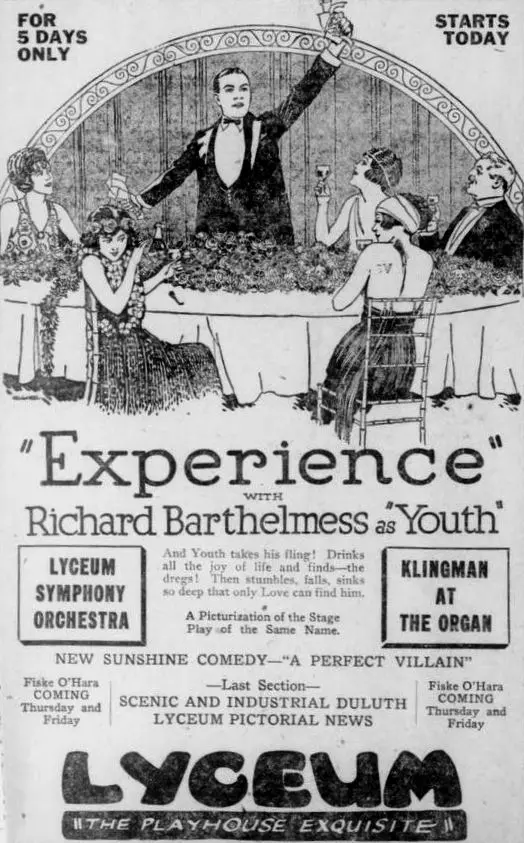
Similarly, The Phantom Honeymoon (1919) offers a fascinating intersection of paranormal skepticism and gothic atmosphere. By placing a skeptic in a haunted castle inhabited by a mystical caretaker, the film taps into the 'haunted house' trope that would become a staple of the midnight movie circuit. This tension between the rational and the supernatural is the very soil in which cult obsession grows; it invites the audience to question the boundaries of their own reality while reveling in the aesthetic of the macabre.
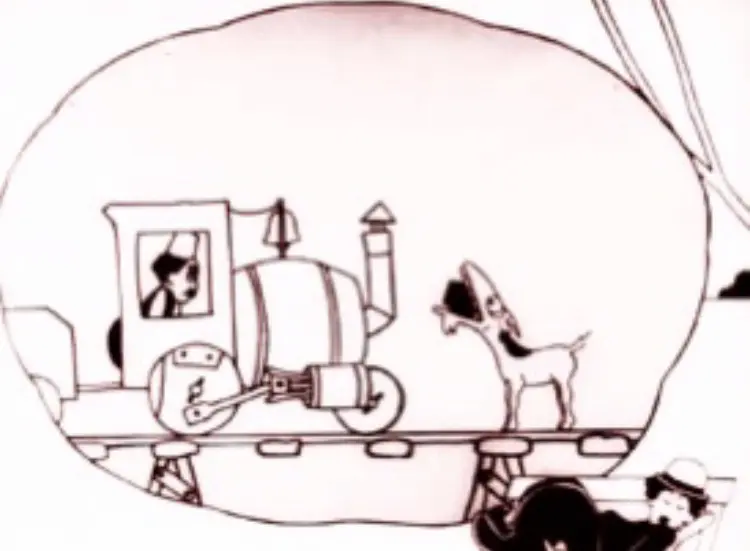
Subverting the Social Order: Gender, Identity, and the Feral
Cult films are historically the refuge of the 'other,' providing a platform for identities that the mainstream marquee would rather ignore. Look no further than Miss Crusoe (1919), a film that features an aunt with a penchant for men’s clothing and a chemistry teacher seeking adventure on a secluded island. In 1919, this level of gender-bending and female agency was nothing short of revolutionary. It challenged the domestic expectations of the time, much like the gender-fluid icons of later cult classics would do for future generations.
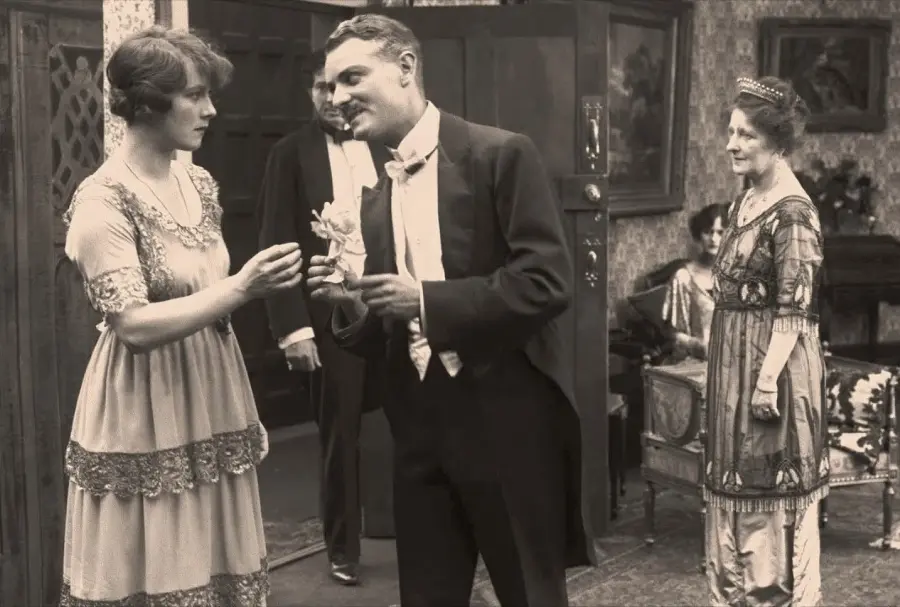
The theme of the 'outsider' is further explored in A Virgin Paradise (1921), where Pearl White plays a child raised in isolation on a South Seas island, only to be thrust into the rigid structures of modern society. This 'feral' narrative—the conflict between the primal self and the civilized world—is a recurring motif in cult cinema, echoing through films like The Wild Child or even Eraserhead. These stories resonate because they mirror the viewer's own feeling of being an alien within their own culture.
The Female Outlaw and the Smuggler’s Code
The figure of the transgressive woman is a cornerstone of the cult canon. In Hurricane’s Gal (1922), we meet Lola, the captain of a smuggling schooner who rules over a crew of 'wild men.' Lola is not a damsel in distress; she is a navigator of the underworld, a woman who takes what she wants and exacts revenge with calculated precision. This archetype—the dangerous, autonomous woman—found its home in the exploitation films of the 70s, but its roots are firmly planted in the salt-sprayed decks of Lola’s schooner. These films provided a space for a different kind of heroism, one that was messy, morally ambiguous, and undeniably magnetic.
Exploitation as Education: The Dark Side of the Moral Tale
Many films that we now categorize as 'cult' began their lives as cautionary tales or 'social hygiene' films. The House of Bondage (1914) and The Saleslady (1918) are prime examples of this phenomenon. By depicting the 'horrors' of prostitution and the 'notorious bands' that preyed on young girls in New York, these films were allowed to show provocative imagery under the guise of moral instruction. However, for the audiences of the time, the allure was often the forbidden glimpse into the urban underworld.

This 'forbidden' quality is exactly what fuels the cult engine. Whether it is the seductive revenge of the gypsy girl in The Woman in Black (1914) or the betrayal and convent-bound secrets of Her Hour (1917), these narratives thrived on the scandalous. They explored the 'broken' parts of the human contract—betrayal, abandonment, and the 'chains of the past.' In Chains of the Past (1919), the impetuous spirit of a woman trapped in a repugnant marriage reflects a proto-feminist angst that the glossy Hollywood romances of the time dared not touch.
The Political Maverick: Rebellion and the Bolshevist Fad
Cult cinema is often deeply political, even when it’s disguised as comedy or melodrama. The Zeppelin’s Last Raid (1917) offers a startlingly nuanced look at war, featuring a German airship commander whose sweetheart is part of a rebel group working to overthrow the Kaiser. This internal conflict between love, duty, and revolutionary fervor is a sophisticated narrative choice that predates the politically charged 'new waves' of international cinema.
On the lighter side, Downing an Uprising (1919) satirizes the 'Bolshevism' craze as a society fad. By hiring a troupe of hobos to eliminate a political trend from a household, the film engages with the anxieties of the era through a lens of absurdity. This ability to weaponize humor against the prevailing political winds is a hallmark of the cult sensibility. It’s the spirit of the rebel, the one who looks at a global movement and sees a punchline.
Niche Identities and the Immigrant Soul
The cult experience is also about the specific and the local. Hungry Hearts (1922) brought the stories of American Jewish women to a mainstream audience, focusing on the hardships of the Lower East Side. By giving voice to a specific immigrant experience, the film created a sense of community for those who saw their own lives reflected on screen. This is perhaps the most powerful aspect of the cult phenomenon: the creation of a 'congregation' around a shared, often overlooked, reality. Whether it is the struggle of the peon in The Outlaw’s Revenge (1914) or the displaced Belgian girl in A Maid of Belgium (1917), these films speak to the disenfranchised.
Visual Anarchy and the Comedy of the Absurd
Finally, we must acknowledge the role of pure, unadulterated chaos. Short films like Jazz and Jailbirds (1919) and Beach Nuts (1919) utilized the frantic energy of early slapstick to create a world where logic is secondary to movement. The 'wild chase' at the finish of a Hallroom Boys comedy is the ancestor of the kinetic, over-the-top action that defines much of modern cult cinema. These films were 'mixed nuts'—literally, as in the case of Mixed Nuts (1922), which combined outtakes and new footage to create a Frankenstein’s monster of a movie.
This DIY, 'anything goes' approach to filmmaking is the heart of the cult aesthetic. It is the rejection of the polished, the perfect, and the predictable. It is the celebration of the misfit, the maverick, and the mutant. From the operatic drama of The Great Lover (1920) to the shipwrecked romance of David and Jonathan (1920), these films prove that the impulse to create something 'other' has always been a part of the cinematic DNA.
Conclusion: The Eternal Flicker
The films of the 1910s and 20s may be silent, but they speak volumes about the origins of our most obsessive fandoms. They remind us that the 'cult' is not a modern invention, but a timeless reaction to the homogenization of culture. By looking back at the Phantom Honeymoons and Hurricane’s Gals of the past, we see the first sparks of a fire that still burns today in the hearts of every cinephile who seeks out the strange, the subversive, and the sublime. These are the original genre defiants, and their legacy is the very air that the underground breathes.
Community
Comments
Log in to comment.
Loading comments…