
Cult Cinema
The Maverick’s Melodrama: How Early Cinema’s Forgotten Misfits Engineered the Modern Cult Psyche
“A deep dive into the transgressive roots of cult cinema, exploring how silent-era oddities and genre-defying narratives from 1910-1920 laid the groundwork for today’s niche fandoms.”
When we think of cult cinema, the mind often drifts to the neon-soaked midnight movies of the 1970s or the transgressive body horror of the 1980s. However, the genetic material of the cult phenomenon—the obsession with the 'other,' the embrace of narrative anarchy, and the worship of the cinematic misfit—was actually forged in the flickering shadows of the early 20th century. Between 1910 and 1920, a period often dismissed as mere prologue to the Golden Age, a series of rebellious, strange, and technically audacious films were being produced that defied the burgeoning conventions of the studio system. These were the original outcasts, the Maverick Melodramas that prioritized visceral impact and social subversion over traditional storytelling.
The Subversion of the Domestic Sphere
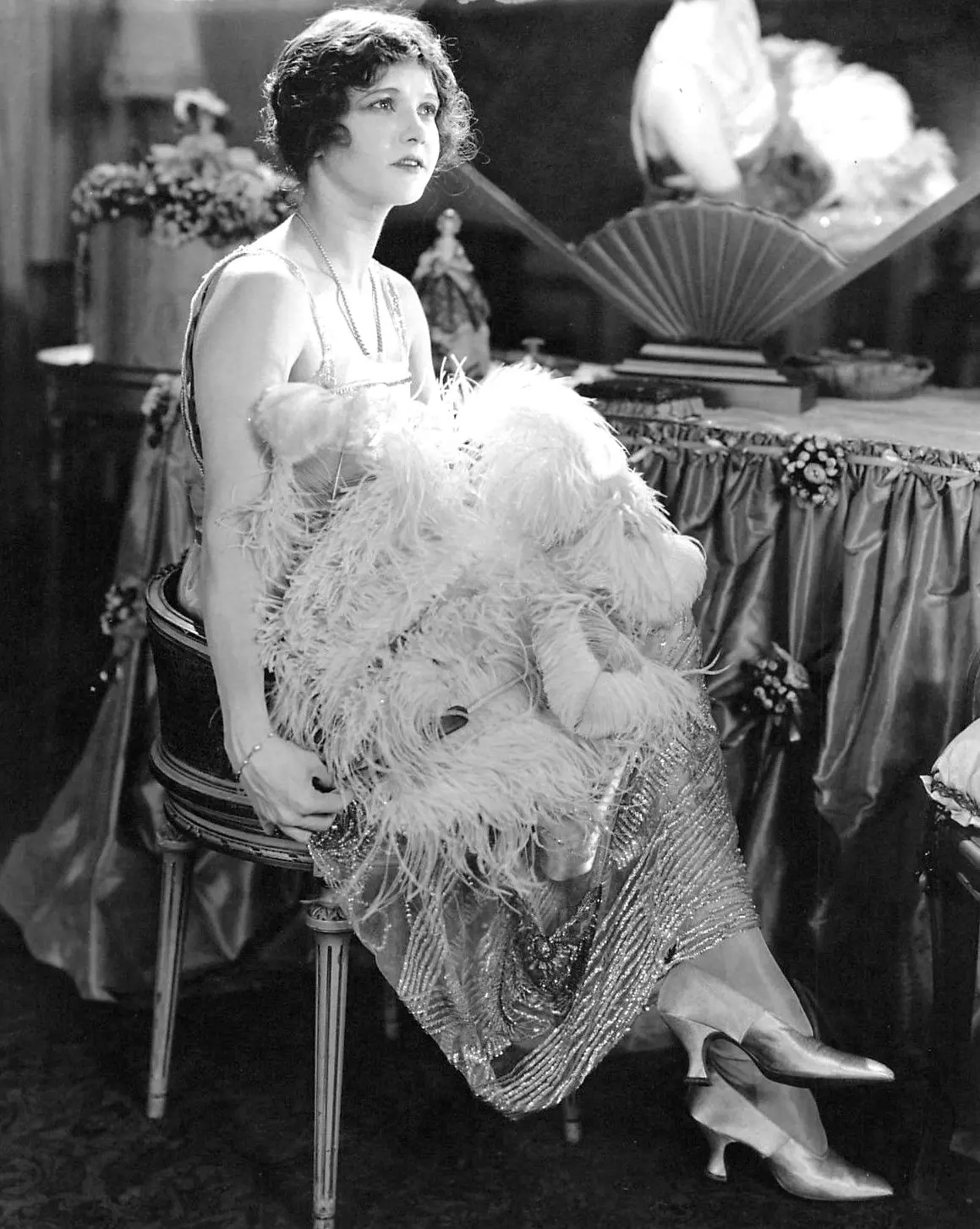
One of the primary pillars of cult cinema is the subversion of social norms, and nowhere was this more evident than in the early explorations of domestic rebellion. Consider the 1915 film Bondwomen. In an era where the patriarchal structure of the household was rarely questioned on screen, Norma Ellis’s rebellion against her husband, Dr. Hugh Ellis, served as a radical manifesto. By proclaiming that American women were essentially 'bondwomen' to their husbands' financial whims, the film tapped into a primal, transgressive energy that would later define feminist cult classics. This wasn't just a drama; it was a provocation.
Similarly, the 1917 film The Great Mistake showcased the rot beneath the surface of the wealthy elite. William Collins’s infatuation with the 'adventuress' Lily Anderson at the expense of his family mirrored the later cult obsession with the 'femme fatale' and the destruction of the nuclear family. These films functioned as early blueprints for the domestic noir and the 'troubled home' subgenres that niche audiences would eventually flock to. They offered a glimpse into the moral mutation of the era, where the traditional hero was often replaced by a flawed, neglecting, or even villainous protagonist.
Masquerade and the Fluidity of Identity
The Cowboy in a Corset
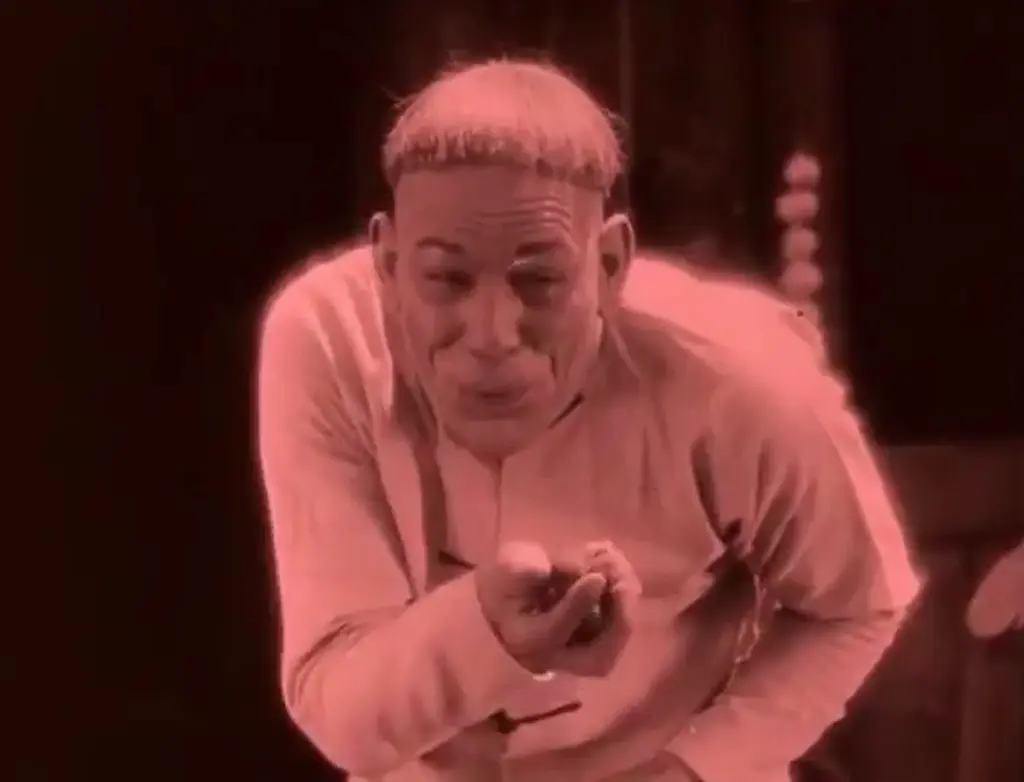
Cult cinema has always had a fascination with identity—with the mask we wear and the person beneath it. In The Marquis and Miss Sally, we see an early example of gender performance and class masquerade. A girl masquerading as a cowboy to marry a 'Marquis' (who actually holds the title) is a narrative loop that feels remarkably modern. This playfulness with identity is echoed in In Pursuit of Polly, where a young woman’s attempt to escape suitors leads to a case of mistaken identity involving the Secret Service and German spies. These films established the 'unreliable identity' trope, a staple of cult thrillers where nothing is as it seems and every character is performing a role.
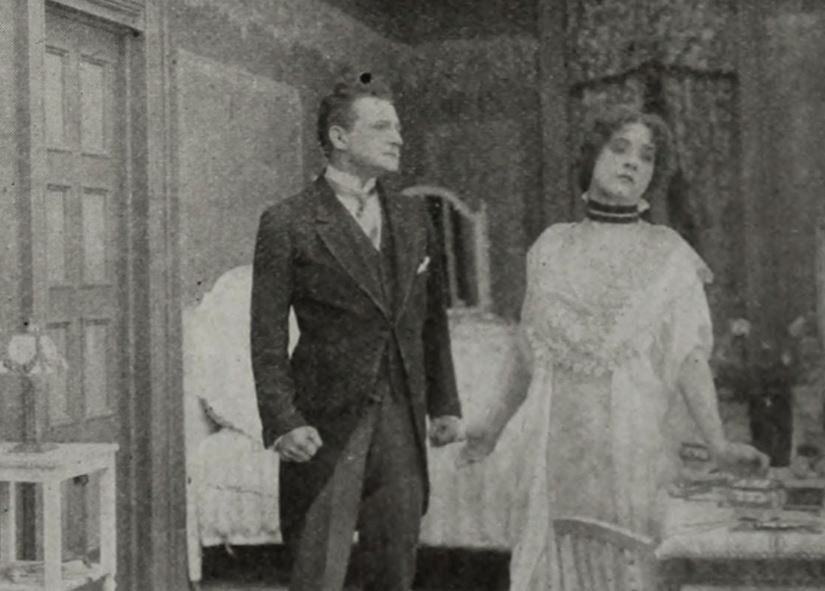
This theme of the 'living mask' reached an absurdist peak in Puppchen, where a fashion house worker breaks a mannequin and takes its place. The imagery of a human masquerading as an object is inherently uncanny—a quality that modern cult audiences find irresistible. It touches on the 'uncanny valley' long before the term was coined, proving that the silent era was deeply invested in the weird and the wonderful.
The Hypnotic Gaze and the Gothic Soul
If cult cinema is a religion, then its icons are often defined by their visual magnetism. In the 1910s, directors began experimenting with the 'hypnotic' power of the camera. Zatansteins Bande features a mysterious guest with 'hypnotic eyes' and a 'scary appearance' who enters a bar looking for partners in crime. This character is a direct ancestor to the charismatic monsters of later cult horror, from Count Orlok to Frank-N-Furter. The focus on the hypnotic gaze signaled a shift toward cinema as a sensory experience—a way to cast a spell on the audience rather than just tell them a story.
This gothic sensibility was further refined in Malombra, where a young woman becomes obsessed with the spirit of an ancestor. The castle setting, the reading of ancient letters, and the descent into madness are the very building blocks of the Gothic cult aesthetic. It is a film that understands the allure of the past and the haunting power of the 'returned spirit,' a theme that would later dominate the works of filmmakers like Mario Bava or Guillermo del Toro.
Narrative Anarchy and the Grotesque
The 300-Pound Lady Barber
Cult cinema often thrives on the 'grotesque'—the celebration of bodies and behaviors that fall outside the mainstream's narrow definitions of beauty or propriety. The short film Next (1917) features a 'three-hundred-pound' wife who becomes a lady barber to spite her worthless husband. This is pure narrative anarchy. It subverts the 'damsel in distress' trope and replaces it with a physically imposing, independent woman who takes control of her own destiny in a comedic, yet transgressive, way. Similarly, the bizarrely titled Monkey Stuff and the slapstick violence of At the Ringside (featuring a donkey-assisted boxing match) show a willingness to engage in the 'low-brow' and the 'weird' that would eventually become the hallmark of the midnight movie circuit.
These early comedies weren't just for laughs; they were experiments in visual surrealism. They pushed the limits of what was acceptable on screen, creating a space for the 'unconventional' to thrive. When we watch a modern cult film that features bizarre physical comedy or grotesque characters, we are seeing the direct descendants of the lady barber and the boxing donkey.
Technical Prowess as a Niche Draw
Part of the 'cult' appeal is often the technical backstory of a film—the 'how did they do that?' factor. Defense of Sevastopol (1911) was the first film ever shot by two cameras simultaneously. For the film historians and technical geeks who form the backbone of many cult communities, this kind of innovation is as important as the plot itself. The film’s massive scale and historical accuracy, combined with its pioneering camerawork, made it a 'must-see' spectacle that stood apart from the smaller, more staged productions of the time.
Even in shorter works like AB Stockholms Filmkompanis veckorevy nr. 19, the newsreel format provided a 'documentary' realism that appealed to those seeking 'truth' on celluloid. This hunger for the authentic, the raw, and the technically daring is what drives fans to seek out rare prints and director's cuts today. The silent era was a laboratory for these technical rebels, who were constantly breaking the rules to see what the medium could actually do.
The Global Misfit: From the Australian Bush to the South African Veldt
Cult cinema is a global language of the disenfranchised. In the 1910s, films like A Tale of the Australian Bush and Man and Beast (set on the South African veldt) brought the 'otherness' of distant lands to Western screens. These weren't just travelogues; they were dramas of conflict and survival. In Man and Beast, the quarrel over a cattle spring during a drought provides a backdrop for a forbidden romance—a classic cult trope of 'love against the world.' These films allowed audiences to escape their mundane lives and enter 'forbidden' territories, a desire that remains the primary motivator for cult film consumption.
The international flavor of the era—from the Italian historical drama Azra to the Danish theatrical spectacle Scenens Børn—created a cross-pollination of ideas. The 'dark cloud' hanging over the staging of 'Tosca' in Scenens Børn is a perfect metaphor for the era's preoccupation with the tragic and the doomed. Cult fans have always been drawn to the 'doomed artist' or the 'tragic hero,' and these early international films provided them in spades.
The Legacy of the Silent Outlier
As we look back at the 50 films that defined this formative decade, from the poverty-stricken struggle of One of Many to the biblical epic of Das Buch Esther, we see a pattern of unconventionality. These films didn't always fit the 'hero's journey' mold. They were often bleak, like the Dickensian suspense of Bleak House, or morally complex, like The Woman Above Reproach, where a woman must choose between three pursuing men while a rejected suitor plots revenge.
This moral ambiguity is the heart of cult cinema. We don't watch these films because they offer easy answers; we watch them because they reflect the messy, transgressive, and often bizarre nature of the human experience. Whether it's the 'inexpensive fuel' formula hidden in The Grey Parasol or the 'Temple of the Lion' in The Royal Slave, the silent era was a treasure trove of 'high-concept' ideas that were often executed with a raw, unpolished energy that modern blockbusters lack.
In conclusion, the 'cult' in cult cinema wasn't invented in the 70s—it was merely rediscovered. The Maverick Melodramas of 1910-1920 were the first to realize that the screen could be a place for the strange, the rebellious, and the niche. They taught us that a film doesn't need a wide audience to be important; it just needs a dedicated one. Every time we gather in a dark theater at midnight to watch a 'misfit' film, we are participating in a ritual that began over a century ago, with a flickering projector and a dream of something different.
Community
Comments
Log in to comment.
Loading comments…