
Cult Cinema
The Maverick’s Midnight Codex: Unearthing the Genetic Subversions of Cinema’s Earliest Genre Rebels
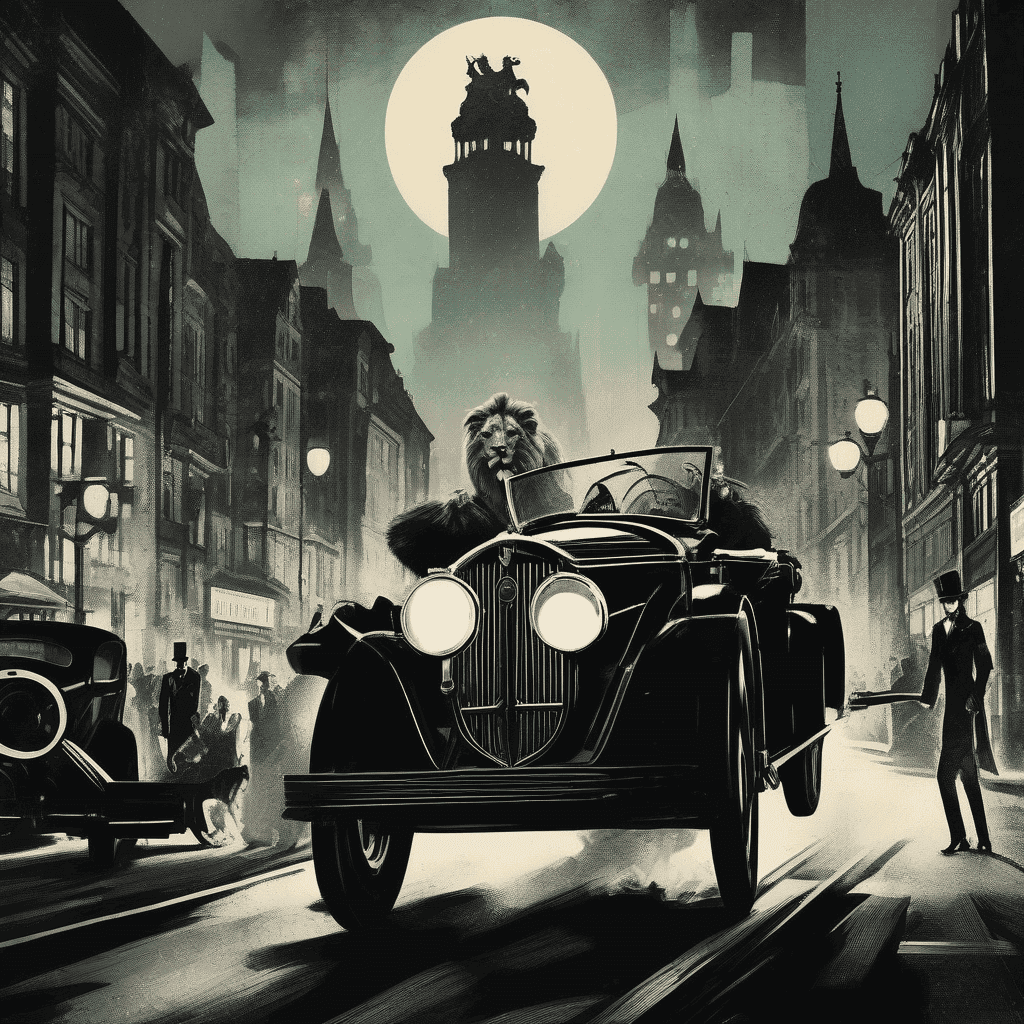
“A deep-dive investigation into how the silent era's most daring anomalies and genre-bending experiments laid the foundational DNA for modern cult cinema devotion.”
The history of cinema is often written by the victors—the blockbusters that broke records and the prestige dramas that swept awards. However, beneath the surface of the mainstream marquee lies a darker, more eccentric lineage. Long before the term 'midnight movie' was coined in the smoke-filled theaters of the 1970s, a secret tradition of subversion was already taking root in the silent era. This is the realm of the maverick, the misfit, and the moral outlier. To understand the modern cult obsession, we must look back at the early 20th century, where films like Hypnose and Otrávené svetlo were already pushing the boundaries of what the medium could—and should—represent.
The Psychological Fringe and the Hypnotic Eye
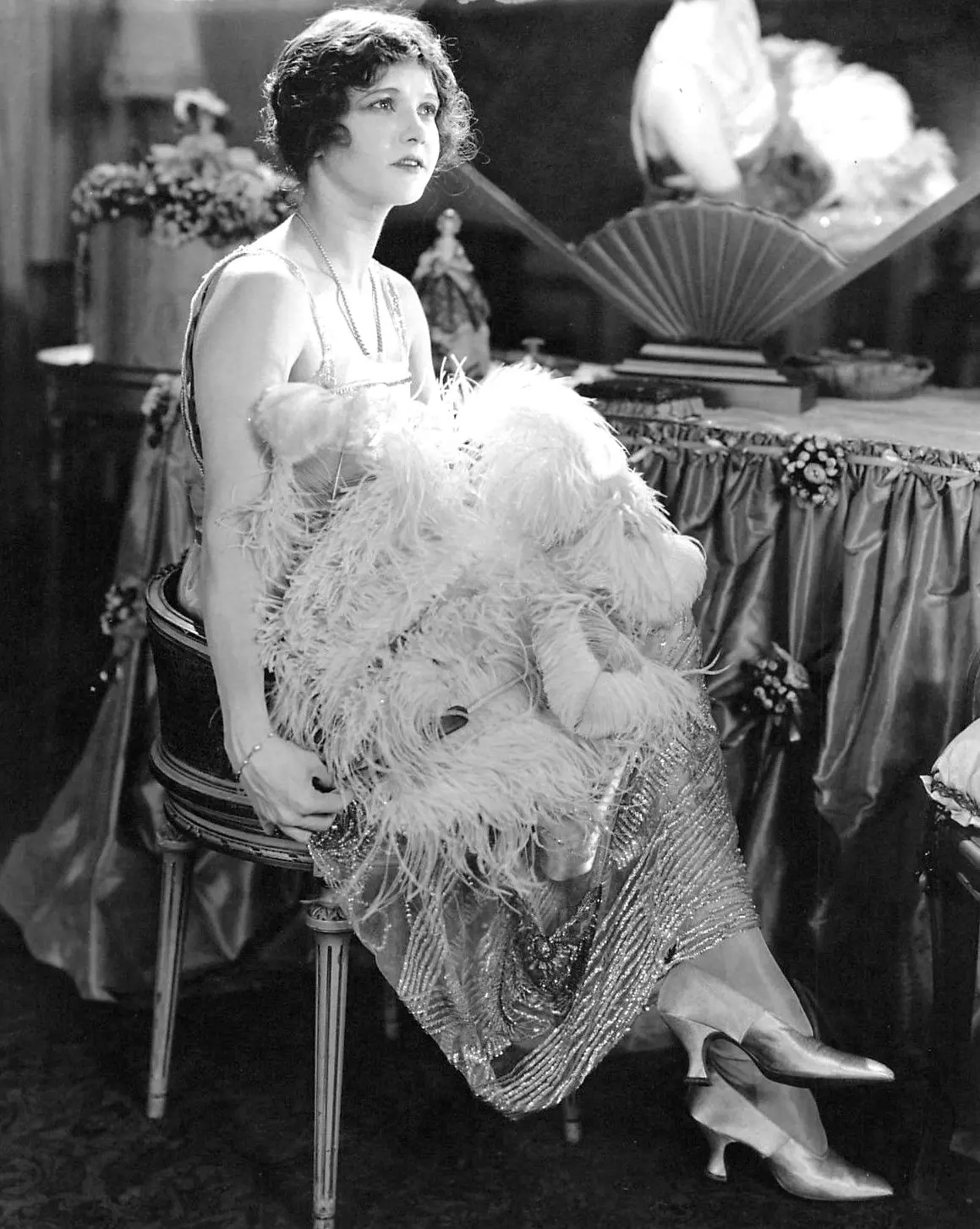
One of the primary pillars of cult cinema is its obsession with the psychological, the surreal, and the unseen forces that govern human behavior. In the 1920 film Hypnose, we see an early manifestation of the 'mad scientist' or 'mystical manipulator' trope that would later define cult icons. Professor Mors, a hypnotist who exerts his will over the young Claire Raven, represents the primal fear of losing agency—a theme that resonates through decades of transgressive cinema. This fascination with the subconscious is echoed in The Shadow of Her Past, where Elayne Chalmers’ journey through the musical and social landscapes of Italy becomes a study in the fragility of identity.

These early explorations of the mind were not merely entertainment; they were experiments in tension. Consider the atmosphere of Under galgen, where Colonel Bjelke’s jealousy and his wife Yelva’s visit to a fortune teller create a claustrophobic sense of impending doom. This 'doom-laden' aesthetic is a hallmark of cult classics, providing a template for the psychological thrillers that would follow. By centering narratives on the fringes of sanity and social propriety, these films invited a specific kind of viewer: one who seeks the uncomfortable truth beneath the polished surface of society.
Genre-Bending: The Birth of the Narrative Mutant
Cult cinema thrives on the 'unclassifiable.' It is the alchemy of mixing genres that shouldn't belong together. We see this brilliantly executed in the 1921 Czech production Otrávené svetlo (Poisoned Light). Blending elements of science fiction, drama, and crime, it stands as a testament to the narrative anarchy of the era. It refused to stay within the lines, much like the later works of Jodorowsky or Lynch. This spirit of experimentation is also evident in Black Roses, which weaves together Japanese architecture, gardening, and a brutal criminal conspiracy. By defying easy categorization, these films forced audiences to engage with them on their own terms, a prerequisite for the birth of a 'cult' following.
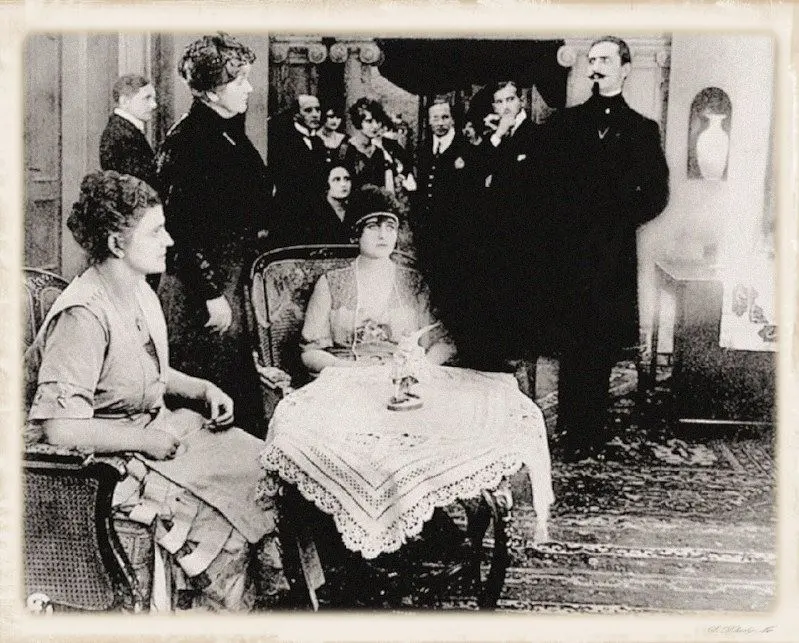
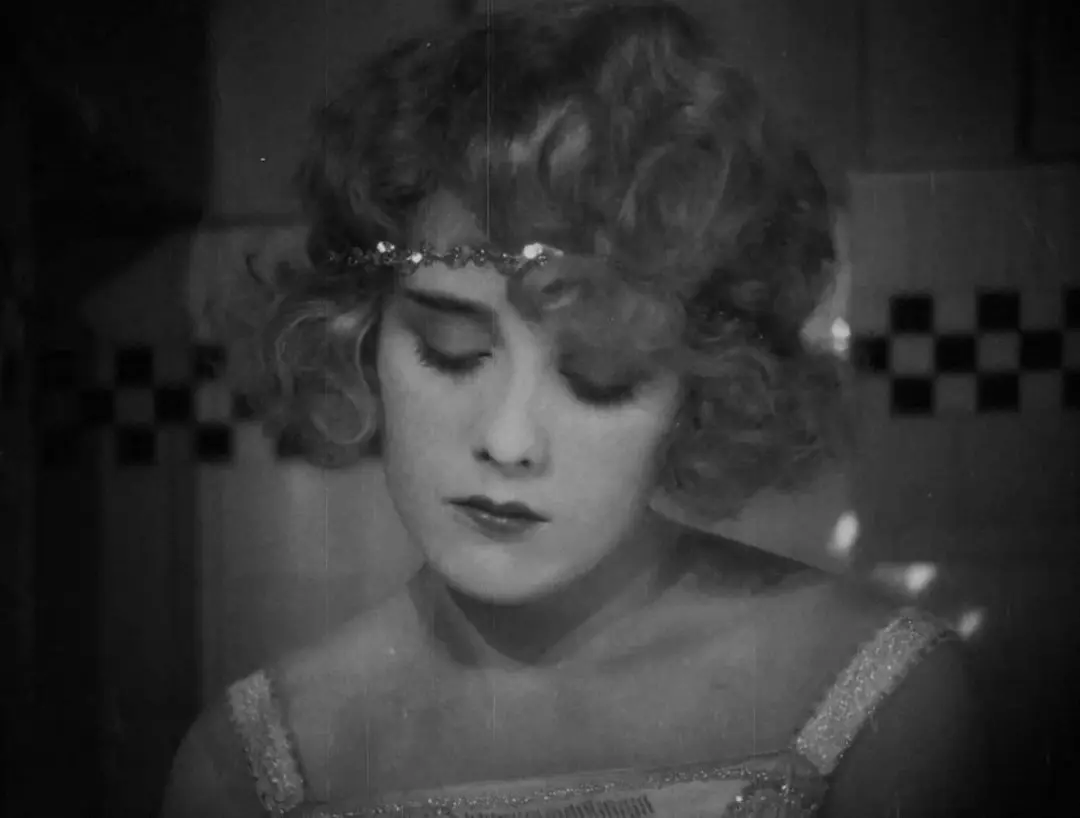
Even the Western, a genre often associated with rigid moral codes, was not immune to this subversive touch. In White Oak, William S. Hart plays Oak Miller, a gambler seeking revenge. While it fits the Western mold, its focus on the 'gambler' as a protagonist—a man of questionable morals driven by a personal code of honor—prefigures the anti-heroes of the 1960s. Similarly, The Sunset Trail takes the 'tomboy' archetype of Bess Aiken and transforms it into a narrative about desertion and the longing for companionship, stripping away the romanticized gloss of the frontier to reveal something more raw and human.
The Moral Outlaw and the Justified Criminal
At the heart of many cult films is the 'righteous' transgressor. We see this in The Scarlet Car, where Paul Revere Forbes threatens to expose bank embezzlement, only to be struck down and left for dead. The subsequent pursuit of justice by his daughter and her lover uses the titular vehicle as a symbol of technological retribution. This theme of the little man fighting a corrupt system is a recurring motif in cult lore. It is further explored in The Girl Who Wouldn't Quit, where Joan Tracy fights to clear her father’s name after he is unjustly sentenced for a crime he didn't commit. These stories of systemic injustice resonate with the 'outsider' status of cult fans themselves.
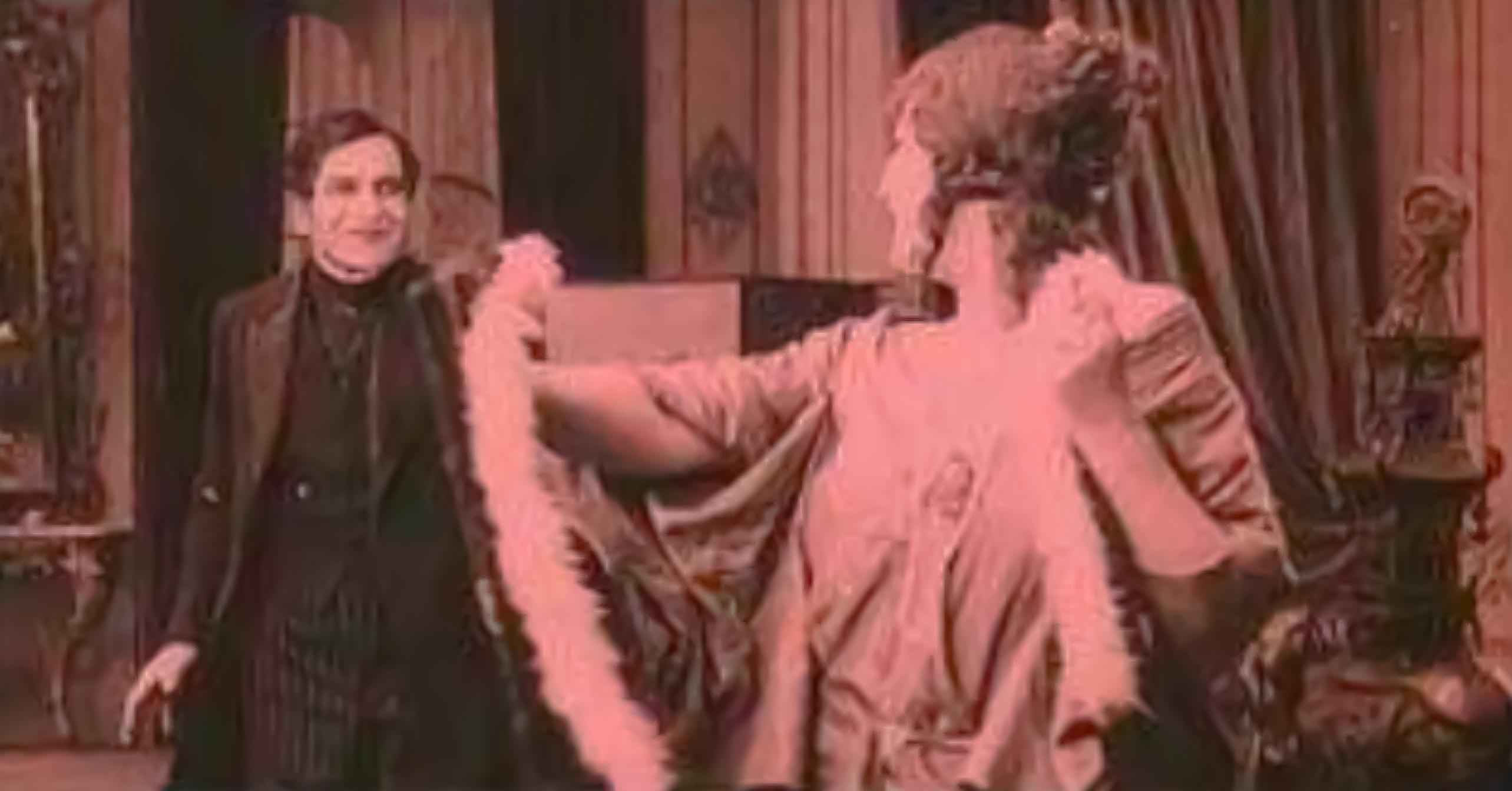
The concept of the 'loyal rebel' is perhaps best personified in the aptly titled The Loyal Rebel, a dramatization of the Eureka Stockade. Here, 12,000 miners rise against the government, providing a historical blueprint for the 'us vs. them' mentality that fuels counter-cultural movements. This rebellious DNA is what makes a film like The Yellow Dog so fascinating; it captures the paranoia of a shipbuilding town rife with spies and 'German sympathizers,' reflecting the anxieties of a nation at war. Cult cinema has always been a mirror for societal paranoia, and these early examples show that the reflection was already distorted and intriguing a century ago.
The Aesthetic of the Unusual: Circus Queens and Lion Tamers
If cult cinema has a physical home, it is often the circus, the carnival, or the burlesque stage—places where the 'normal' rules of society are suspended. The Man Tamer, featuring a female lion tamer caught between a circus manager and a millionaire’s son, utilizes the high-stakes, high-spectacle environment of the big top to heighten its dramatic stakes. This 'spectacle of the strange' is also found in Howling Lions and Circus Queens and Frisky Lions and Wicked Husbands, where the absurdity of the situation serves as a comedic critique of social norms. These films understood that to capture the imagination of the fringe, one must present a world that is visually and narratively 'other.'
This embrace of the eccentric extends to the short-form content of the time. Is Prohibition a Dry Subject? used the documentary format to tackle a controversial social issue with a wink and a nod, while The Latest in Pants and Mind Your Business used slapstick and situational comedy to poke fun at gender roles and marital fidelity. These shorts were the 'viral videos' of their day, spreading subversive ideas through the guise of light entertainment. They created a shared language of irony and skepticism that remains a vital part of the cult movie experience.
Global Visions and the Exotic Other
Cult cinema is inherently global, seeking out the 'exotic' or the 'foreign' to find new ways of seeing. The Azerbaijani film Arshin mal-alan, set in turn-of-the-century Baku, offers a rich, cultural tapestry that would have felt entirely alien yet captivating to Western audiences. Its story of a rich businessman seeking a wife through unconventional means is both a comedy of manners and a window into a different world. Similarly, El grito de Dolores and The Destruction of Carthage brought historical epics of independence and ancient rivalry to the screen, providing a grandiosity that transcended local borders.
The fascination with the 'East' is also evident in Where Lights Are Low, featuring a Chinese prince in love with a gardener’s daughter. While often filtered through a Western lens, these early attempts at international storytelling laid the groundwork for the global exchange of cult films. The 'cult' status often arises when a film is displaced from its original context and rediscovered by a new audience who appreciates its unique rhythms and aesthetics. Kismet, with its rascally beggar Hajj scheming his way into royalty, perfectly encapsulates this spirit of the 'lovable rogue' in a fantastical, distant setting.
Conclusion: The Enduring Legacy of the Misfit Reel
As we trace the lineage from The Wheel of the Law to Alias Mike Moran, and from the tragic romance of The Purple Lily to the animated antics of The Spendthrift, a clear pattern emerges. Cult cinema is not a modern invention; it is a primal urge. It is the desire to see the world not as it is marketed to us, but as it is felt in the shadows. The films mentioned here—whether they were dramas like The Woman Gives, comedies like A Poor Relation, or romances like Opened Shutters—all contributed a thread to the tapestry of the unconventional.
They proved that audiences have always been hungry for stories that challenge the status quo, that celebrate the outcast, and that find beauty in the bizarre. The silent era was not just a time of technical innovation; it was the first great era of cinematic rebellion. By unearthing these forgotten gems, we don't just learn about the history of film; we rediscover the soul of the cult movie itself. The next time you sit down for a midnight screening of a modern classic, remember that its ancestors were already flickering in the dark, over a hundred years ago, waiting for the devotees to arrive.
Community
Comments
Log in to comment.
Loading comments…