
Cult Cinema
The Maverick's Midnight Manifesto: Decoding Cult Cinema's Enduring Legacy of Rebellion and Rediscovery
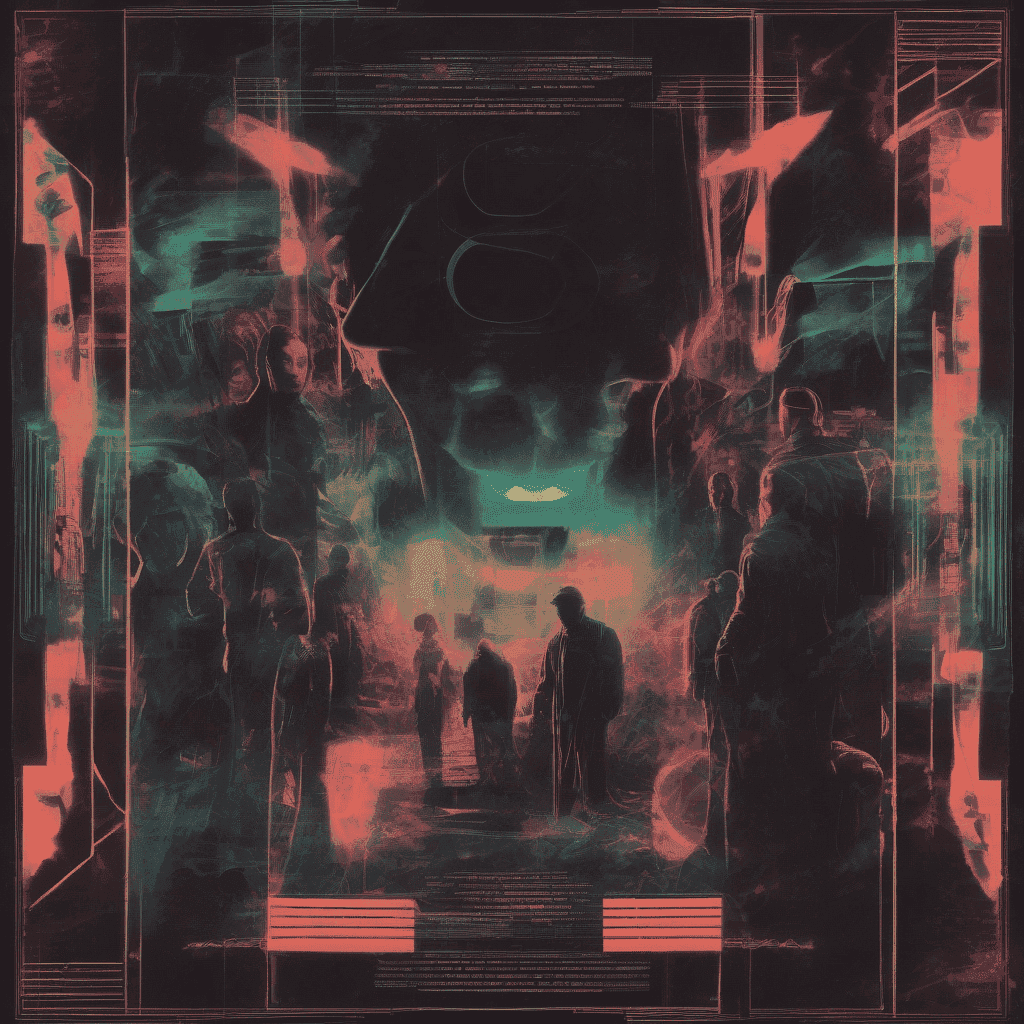
“Cult cinema, an enigmatic realm beyond the mainstream, thrives on rebellion, challenging conventions, and fostering fervent communities. This deep dive explores its enduring appeal, tracing its subversive roots from the silent era's forgotten gems to today's midnight movie phenomena.”
Cult cinema. The very term conjures images of midnight screenings, fervent fan communities, and narratives that defy easy categorization. It’s a realm where the strange, the transgressive, and the misunderstood find their most passionate adherents. But what is it about these films – often initially overlooked or critically derided – that grants them such an enduring, almost sacred, status? The answer lies in a complex alchemy of artistic rebellion, thematic subversion, and the unique power of collective discovery. From the earliest flickering images to modern digital marvels, the cult movie phenomenon has been steadily building, a testament to cinema's capacity to speak to the soul in unconventional ways.

The Genesis of the Unconventional: Proto-Cult Echoes in Early Cinema
While the term 'cult film' gained prominence in the mid-20th century, the DNA of cinematic rebellion and niche appeal stretches back to the very dawn of moviemaking. Long before midnight screenings became a cultural touchstone, early films were already exploring themes and aesthetics that would later define the cult experience. These were the original cinematic outcasts, often pushing boundaries in an era grappling with the very language of film.
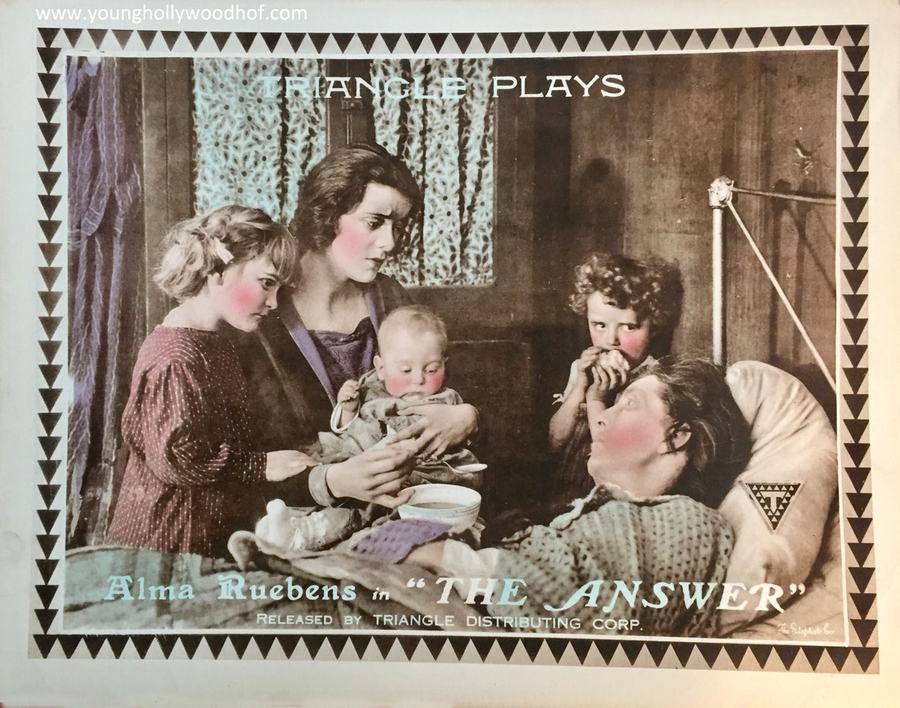
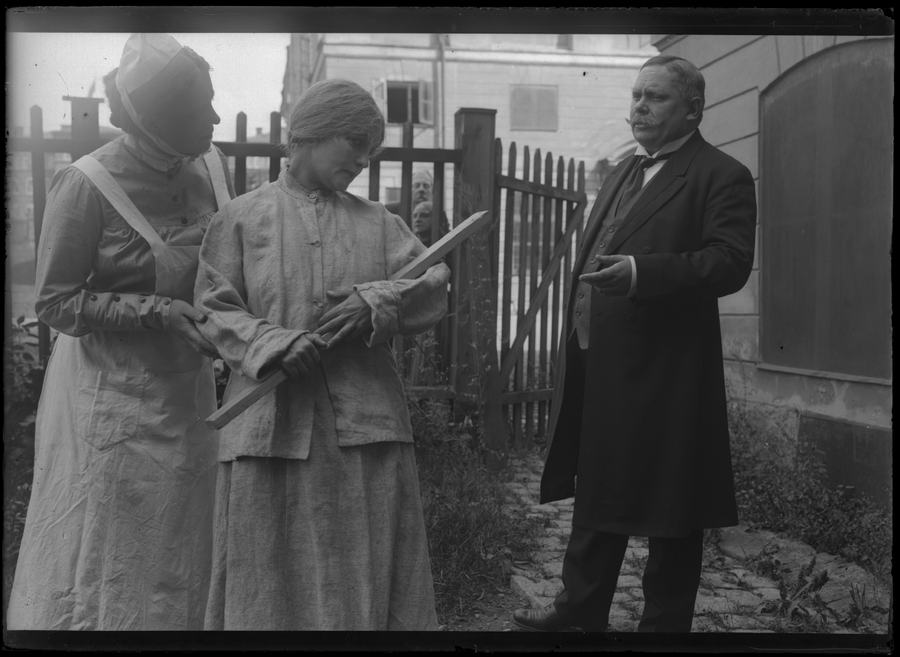
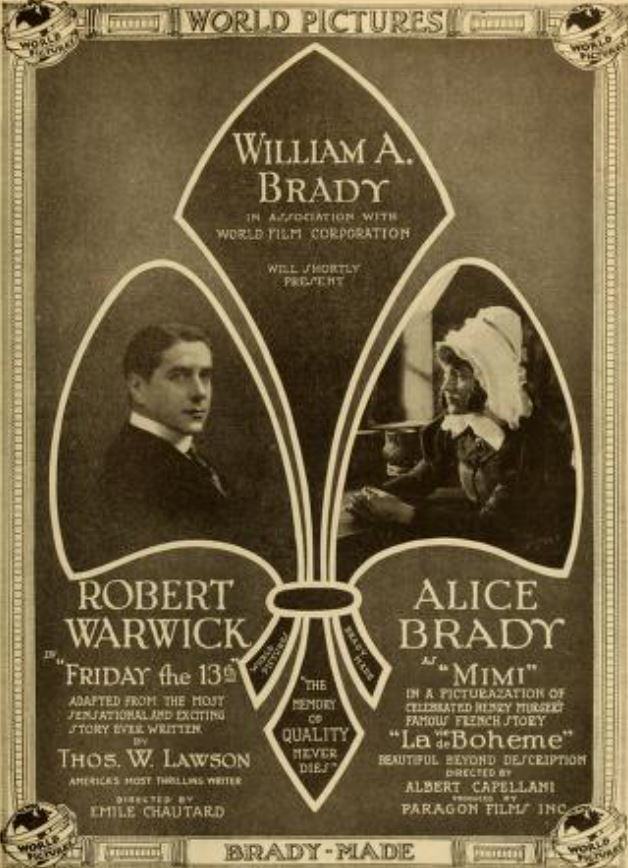
Consider the melodramas and social commentaries of the early 1900s. Films like Ingeborg Holm, a stark Swedish drama about a mother's financial struggles and subsequent separation from her children, or La vie de Bohème, depicting an orphaned maid's tragic romance, showcased raw, often bleak, emotional landscapes. These were not always comfortable viewing, challenging audiences with their realism or heightened pathos. Their power lay in their unflinching gaze at societal ills and personal tragedies, resonating deeply with certain segments of the audience who sought more than mere escapism. This early embrace of difficult themes, the willingness to explore the darker facets of human existence, laid a crucial foundation for the transgressive spirit of later cult films.
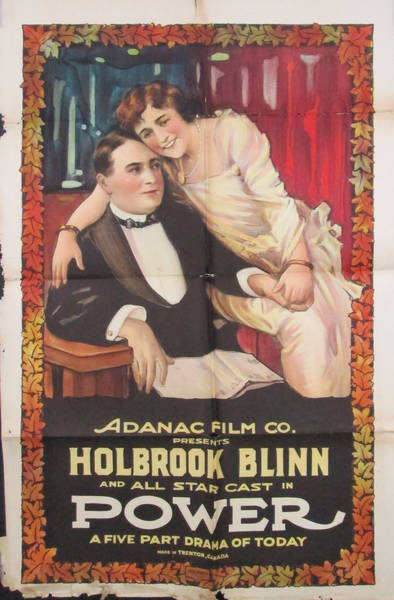
The concept of the 'outsider' or the 'misfit' is central to cult cinema, and this too has deep roots. In Darkest Russia, the plight of Ilda Barosky, a Jewish violin student whose father is killed by Russian soldiers, highlights themes of persecution and forbidden love that defy societal norms. Similarly, the 'shrewd crook Boston Blackie' in Blackie's Redemption, striving to go straight amidst treachery, presents a morally ambiguous protagonist who, despite his criminal past, elicits audience sympathy. These characters, operating on the fringes of acceptable society, speak to viewers who themselves feel marginalized or misunderstood. This identification with the cinematic underdog is a powerful catalyst for cult devotion.
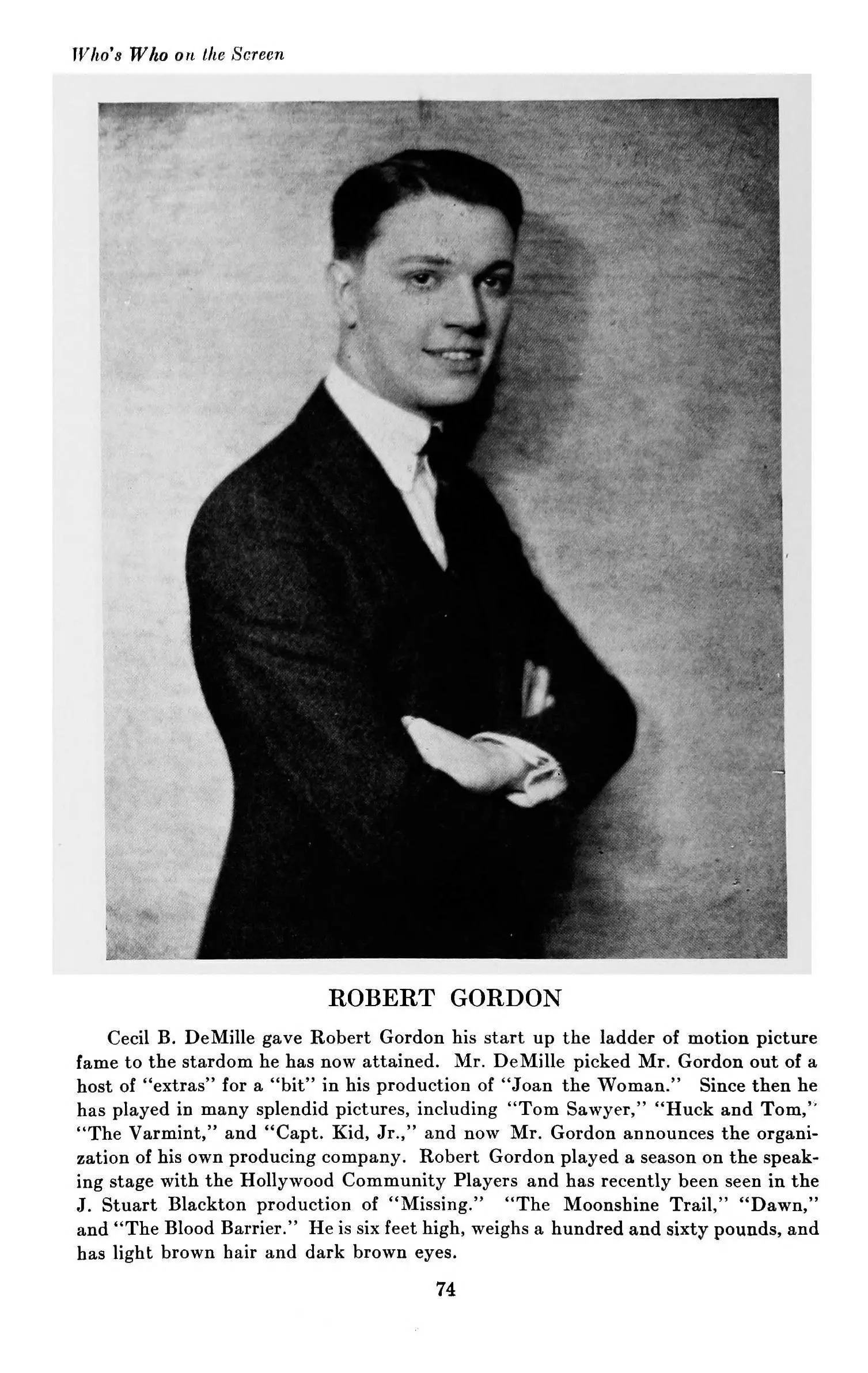
Narrative Anarchy and Genre Blending
Early cinema, still defining its genres, often exhibited a fluidity that would be celebrated in later cult classics. Films like From Now On, which blended action, drama, romance, and crime, showcased narratives that refused to be neatly packaged. This disregard for strict genre boundaries, this narrative anarchy, is a hallmark of many cult films that delight in defying expectations and creating their own unique cinematic language. The bizarre blend of comedy and drama in films like The Tomboy, or the grand sweep of historical dramas like War and Peace (even in its early, silent adaptations), illustrate a fearless approach to storytelling that prioritizes impact over conventional classification.
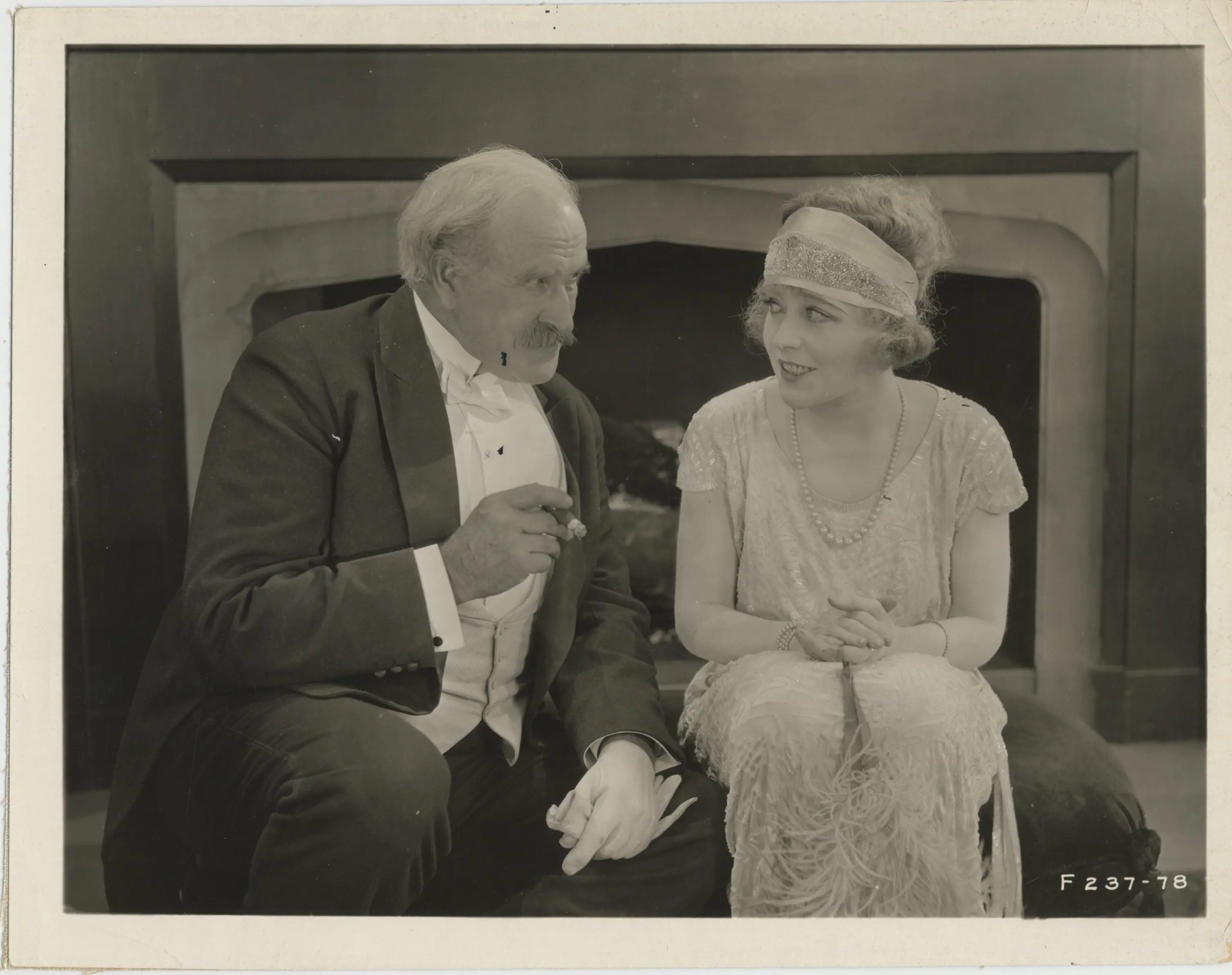
Mystery and intrigue also played a significant role. The serial nature of films like The Diamond from the Sky or the labyrinthine plots of Los misterios de Barcelona and Mysteries of Paris invited audiences into complex worlds demanding close attention and repeat viewings to unravel their secrets. This engagement, this desire to fully comprehend and immerse oneself in a film's intricate universe, is a cornerstone of cult fandom. The hidden identities in The Masquerader or the quest for revenge in The Man Hunter provided compelling hooks that fostered early forms of cinematic obsession.
The Transgressive Pulse: Challenging Morality and Societal Norms
A defining characteristic of cult cinema is its willingness to challenge, provoke, and transgress. Many early films, even within the confines of their era, hinted at this rebellious spirit. Ten Nights in a Bar Room, a cautionary tale about the destructive power of alcohol, while moralistic, nonetheless depicted raw social decay that would have been shocking for contemporary audiences. Similarly, films dealing with infidelity or moral compromise, such as The Homebreaker or Was She Justified?, presented complex ethical dilemmas that resonated beyond simple black-and-white morality. These narratives, even when framed within a moralistic context, forced audiences to confront uncomfortable truths, laying the groundwork for the more overt subversive narratives that would define later cult movements.
The depiction of 'fallen' women or characters defying traditional gender roles, however subtly, also contributed to this transgressive undercurrent. From the siren-like figure in The Siren to the independent spirit of the traveling saleswoman in The Homebreaker, early cinema explored female agency in ways that sometimes pushed against prevailing social expectations. These portrayals, even if ultimately conforming to certain tropes, hinted at a fascination with characters who operated outside conventional boundaries – a fascination that would become a cornerstone of cult cinema's rebel heart.

Escapism, Spectacle, and the Unseen Worlds
Beyond moral lessons and social commentary, early cinema also provided pure spectacle and escapism, often through fantastical or exotic settings that could be considered 'otherworldly.' While not explicitly supernatural, films like The House of a Thousand Candles or The Crystal Gazer, with their elements of mystery and illusion, offered glimpses into worlds beyond the mundane. This sense of the extraordinary, the allure of hidden truths and fantastical elements, is a powerful draw for cult audiences seeking experiences beyond the ordinary. The visual storytelling of the silent era, relying on elaborate sets, dramatic lighting, and expressive performances, created immersive environments that captivated viewers and fostered a sense of wonder. This early mastery of cinematic spectacle, even without sound, created a powerful, almost ritualistic, viewing experience.

The fascination with crime and adventure, as seen in films like The Social Buccaneer, featuring a pirate who gives to the poor, or Below the Surface, involving deep-sea divers and con artists, tapped into a desire for thrilling narratives that broke from everyday life. These narratives, often featuring anti-heroes or morally complex protagonists, offered a vicarious thrill that resonated with audiences seeking excitement and a challenge to conventional heroism. The early explorations of genre like these, often with a raw, unpolished energy, paved the way for the more extreme and stylized genre experiments of later cult films.
The Alchemical Process: From Obscurity to Reverence
The journey of many cult films often begins in obscurity, or even outright failure. They are misunderstood upon initial release, failing to connect with mainstream audiences or critics. Yet, over time, a dedicated following emerges, rediscovering and re-evaluating these cinematic anomalies. This process of cinematic alchemy, transforming overlooked works into cherished artifacts, is central to the cult phenomenon.
Many of the early films we now study for their historical significance were, in their time, part of a vast, rapidly expanding industry, with thousands of films produced annually. Many were ephemeral, quickly forgotten. Yet, within this vast output, certain films, perhaps through their unique vision, compelling performances, or sheer audacity, held a latent power. The simple, heartfelt stories of films like Wanted: A Mother or His Sweetheart, while seemingly conventional, tapped into universal human emotions in a way that could foster genuine, if quiet, devotion. This quiet devotion is the seed from which larger cults grow.
The Power of Re-Contextualization and Interpretation
Cult films thrive on interpretation. Their narratives often contain ambiguities, symbolism, or unconventional structures that invite repeated viewings and passionate discussion. Early silent films, with their reliance on visual storytelling and intertitles, often left more room for audience interpretation than later sound films. The dramatic gestures, the symbolic imagery in films like Lotus Blossom (about the inventor of a clock challenging tradition) or the allegorical elements in Everywoman's Husband (exploring the destructive nature of a domineering mother) provided fertile ground for audiences to project their own meanings and anxieties. This active engagement, this co-creation of meaning between film and viewer, is a foundational aspect of cult film analysis.
The very act of watching a silent film today is, in some ways, a cult experience. It requires a different kind of engagement, a willingness to immerse oneself in an older cinematic language. This act of deliberate engagement, of seeking out and appreciating films that demand a certain effort, mirrors the dedication of cult fans who delve into obscure genres or avant-garde works. The films become not just entertainment, but objects of study, conversation, and collective experience.
Fandom as Community: The Midnight Movie Legacy
The concept of 'midnight movies' – films screened late at night, often attracting a counter-cultural audience – is inextricably linked with cult cinema. While a phenomenon of the mid-20th century, its roots can be traced to the desire for shared, communal experiences around unconventional art. Even in the early days of cinema, movie-going was a communal act, a shared experience in a darkened theater. The power of collective viewing, of shared laughter, gasps, or tears, forged bonds among audiences.
The films that captured the imagination in unique ways, perhaps those with a distinct aesthetic like Susie Snowflake (about a music hall entertainer changing a stodgy town), or those with a raw, visceral quality like Scrap Iron (about a pacifist boxer), would have undoubtedly sparked conversations and repeat viewings among their particular admirers. This early form of word-of-mouth enthusiasm, amplified by the communal nature of cinema, was the precursor to the organized fandoms that would later flock to midnight showings of The Rocky Horror Picture Show or dissect every frame of a David Lynch film.
The Enduring Allure of the Fringe
Cult cinema continues to thrive because it offers an alternative to the homogenized, often predictable, fare of mainstream Hollywood. It provides a sanctuary for films that dare to be different, that challenge conventions, and that speak to niche audiences who feel unrepresented elsewhere. The themes of rebellion, identity, transgression, and the search for meaning, present in early films from Fedora's tale of revenge to The Grim Comedian's exploration of hidden pasts, are timeless. These narratives, delivered with an unconventional flair, are what draw audiences into the cult fold.
In essence, cult cinema is not just a genre; it's a relationship. It's a bond between a film and its devoted followers, a shared understanding of its unique brilliance, its flaws, and its profound impact. It's the thrill of discovering a hidden gem, the joy of sharing it with like-minded individuals, and the satisfaction of being part of a community that celebrates the unorthodox. From the silent shadows where narratives of outcasts and hidden mysteries first flickered, to the vibrant digital communities of today, the maverick spirit of cult cinema continues to inspire, provoke, and unite.
The films that populate this unique pantheon, whether they are early dramas, forgotten comedies like Pardon My French or A Game Lady, or obscure adventures, all share a common thread: they resonate deeply with a specific audience, often for reasons that elude mainstream critics or initial box office success. They are films that demand to be seen, discussed, and celebrated, not just once, but repeatedly, becoming part of a shared cultural lexicon for their devotees. This enduring cycle of rediscovery and reverence is the true power of cult cinema, a testament to its irreplaceable place in the cinematic landscape.
Community
Comments
Log in to comment.
Loading comments…