
Cult Cinema
The Maverick’s Monograph: Decoding the Early Century’s Genre Deviants and the Birth of Midnight Devotion
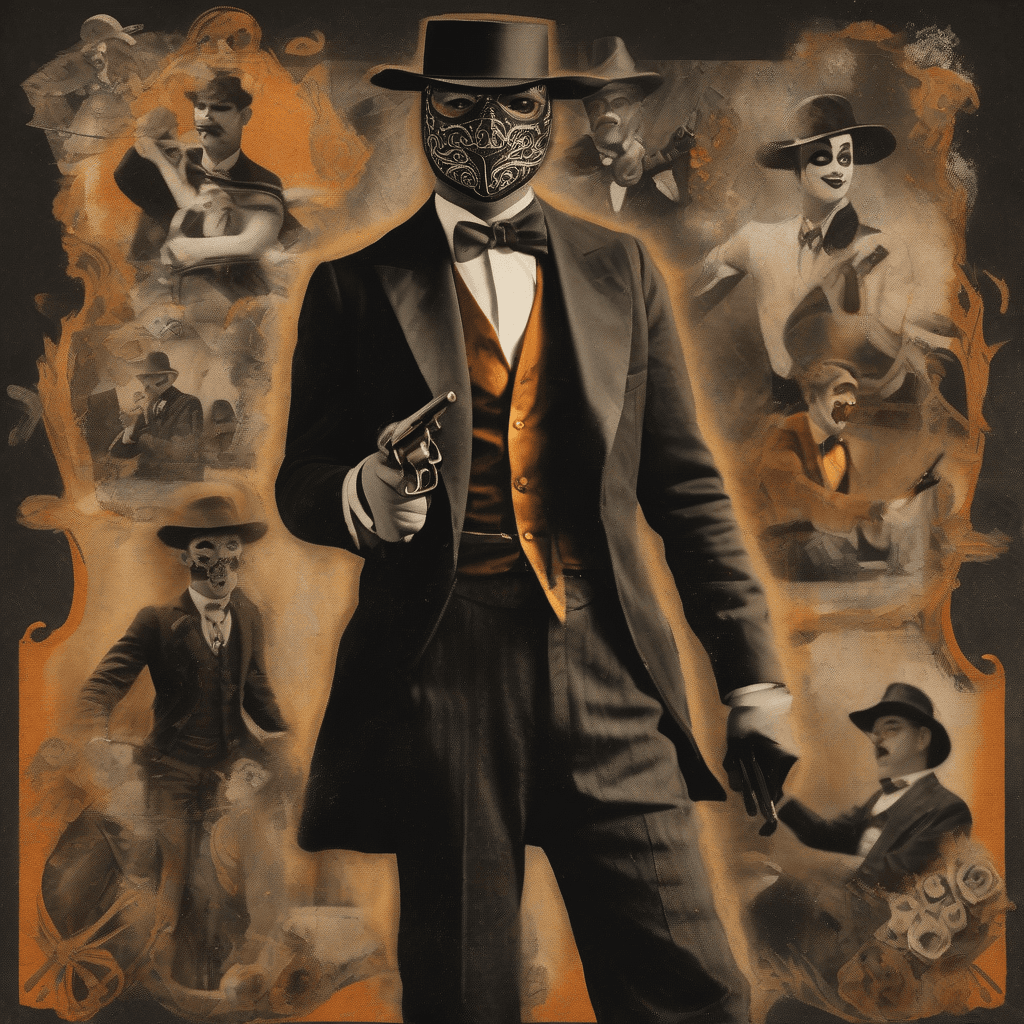
“Explore how the forgotten outcasts and genre-defying narratives of early 20th-century cinema laid the radical foundation for modern cult movie worship.”
The history of cinema is often written by the victors—the blockbusters that shattered box office records and the prestige dramas that swept the early awards. However, beneath the surface of the mainstream marquee lies a more vibrant, chaotic, and enduring legacy: the world of the cult film. While many associate cult cinema with the midnight movies of the 1970s, the genetic code of the cinematic outlier was actually written much earlier. In the flickering shadows of the 1910s and 20s, a collection of genre deviants, moral misfits, and narrative mutants began to emerge, forging a template for the transgressive art that would eventually define the cult ethos.
The Architecture of the Outlaw: From Lahoma to The Simp
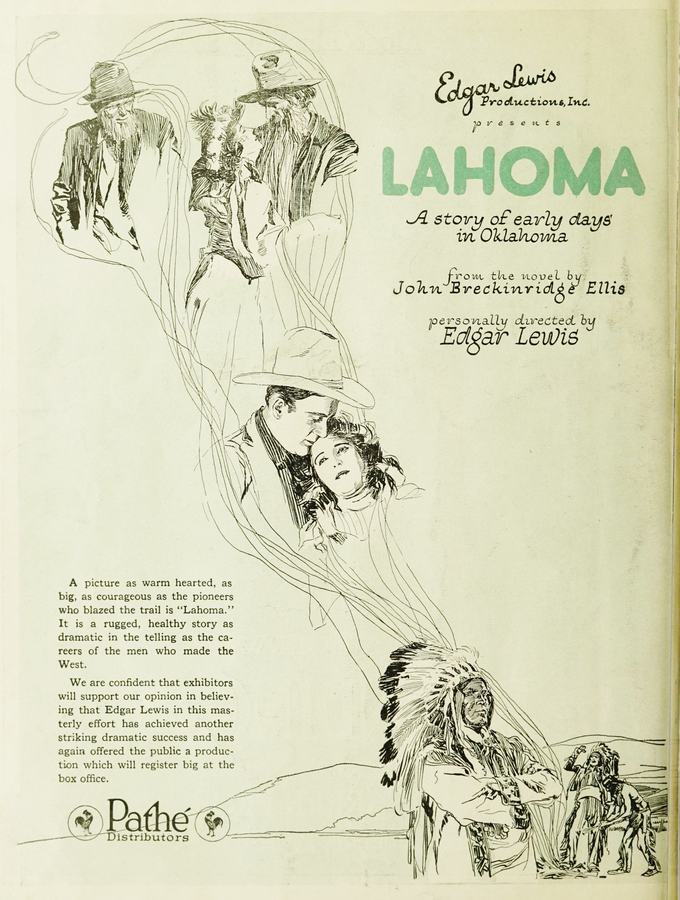
Long before the concept of the "anti-hero" was codified by modern noir, early cinema was experimenting with characters who existed on the fringes of society. Consider the 1920 classic Lahoma. Set in the rugged landscapes of Oklahoma, the film introduces us to Brick Willock, a "kindhearted outlaw" who rescues a young girl and her father from his own band of criminals. This duality—the moral criminal—is a cornerstone of cult cinema. Willock’s act of killing the villainous Kansas Kimball to protect the innocent prefigures the complex moralities of later cult icons. It is in these early Westerns that the "rebel with a cause" was first projected onto the silver screen.
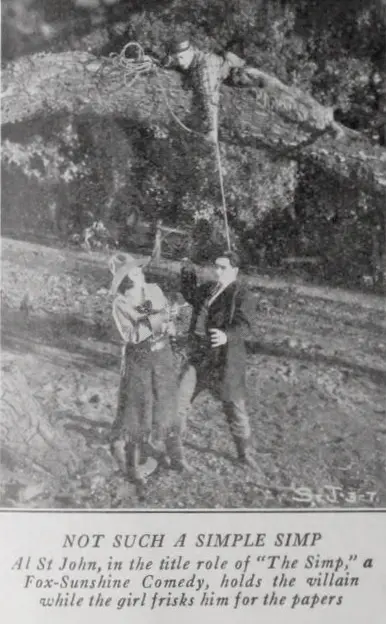
Contrast this with the 1921 short The Simp, where the Western genre is subverted through comedy and accidental violence. A light-hearted cowboy fires a shot into a peaceful patron of a soft drink emporium, leading to a frantic chase involving a barrel and a hog-tie. This brand of narrative anarchy, where the protagonist is neither purely heroic nor entirely competent, resonates with the "lovable loser" trope found in modern cult favorites. These early explorations of the Western frontier allowed filmmakers to test the boundaries of what an audience would accept from a lead character, moving away from the rigid morality of the Victorian era.
The Tenement Gothic: Urban Struggles and Divine Visions
As cinema moved into the urban sprawl, the focus shifted to the disenfranchised souls of the city. Films like Sadie Goes to Heaven (1917) offered a surreal glimpse into the lives of the tenement poor. Six-year-old Sadie O'Malley, inspired by the teachings of a settlement worker, sees a limousine as a chariot to a better world. This blending of gritty reality with transcendental yearning is a hallmark of the cult aesthetic—the idea that even in the darkest corners of poverty, a visionary spark can ignite. Similarly, Molly Make-Believe (1916) follows an irrepressible young lady who flees her grandmother's farm to find work in the city, only to be met with the harsh reality of economic struggle. These films didn't just tell stories; they captured the psychological weight of the era’s social stratification.
The Masked Menace and the Hand of Peril
Cult cinema has always had an obsession with the mysterious and the macabre. The 1918 serial The House of Hate is a masterclass in early suspense, featuring a young heiress threatened by a masked man following her father’s murder. The uncertainty of the villain's identity—is it a family member or a foreign agent?—taps into the primal fear of the "unseen other" that would later populate the slasher and giallo genres. This era of filmmaking was not afraid to lean into the sensational, using masks and secret identities to create a sense of pervasive dread.
In the realm of crime and espionage, The Hand of Peril (1916) introduced audiences to James Kestner, a government agent hunting a band of counterfeiters led by the elusive Frank Lambert. The film’s focus on the technicalities of the crime—the "skillful counterfeiter"—prefigures the heist movies that would become staples of the cult canon. These narratives were often faster-paced and more cynical than their mainstream counterparts, reflecting a growing public fascination with the underworld and the mechanics of the law. Even the title The Crime and the Criminal suggests a burgeoning interest in the sociological roots of deviance, a theme that cult directors have returned to for decades.
Melodrama as Transgression: Her Body in Bond
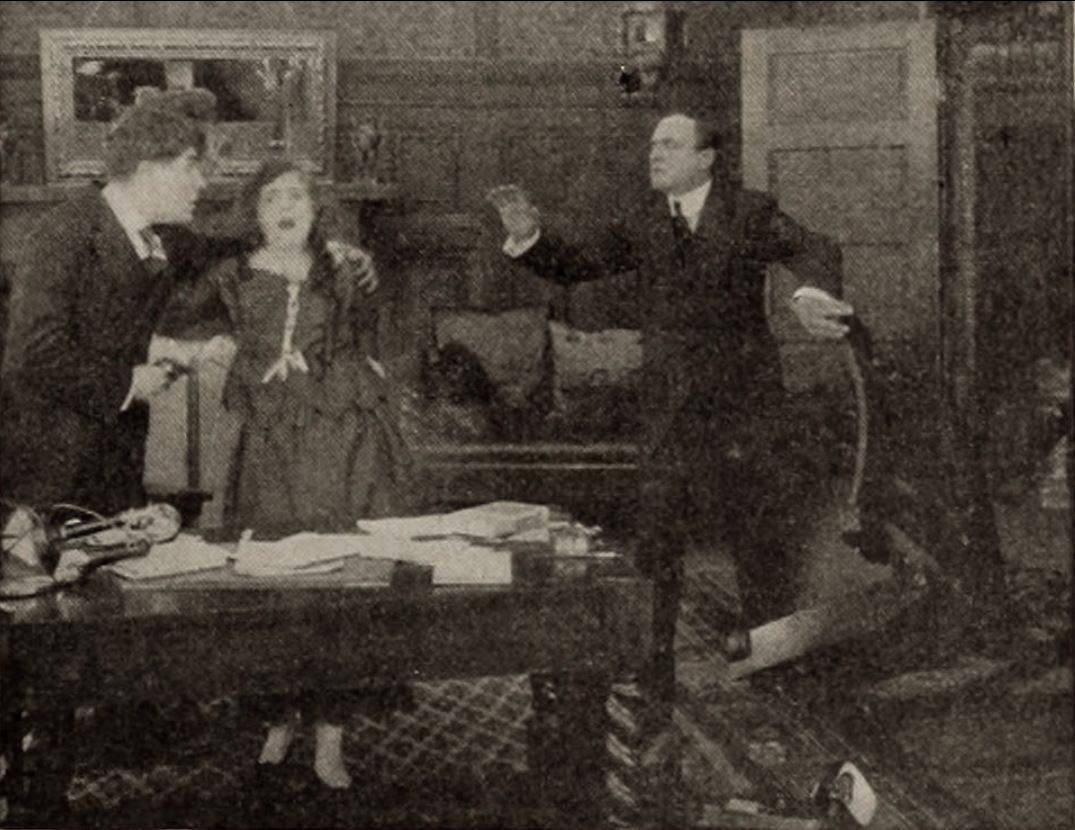
One of the most potent precursors to modern cult cinema is the "social problem" melodrama. Her Body in Bond (1918) tells the harrowing story of a cabaret dancing team, Peggy and Joe Blondin. When Joe is ordered to the West to recuperate from consumption, Peggy is left alone in New York to maintain their interests. The film’s title alone suggests a level of bodily autonomy and exploitation that was radical for its time. It deals with the vulnerability of the female performer and the predatory nature of the city, themes that echo through the "exploitation" cinema of the 1960s and 70s. By centering the story on the physical and emotional cost of survival, these films provided a voice for the marginalized, creating a loyal following among those who felt similarly overlooked.
Global Mutations: The International Cult Vanguard
The cult spirit was never confined to Hollywood. In Germany, Prinz Kuckuck - Die Höllenfahrt eines Wollüstlings (1919) explored the "hell-ride" of a libertine, diving into themes of lust and decadence that would eventually influence the transgressive works of filmmakers like Fassbinder or Waters. Meanwhile, Fridericus Rex (1922) offered a biographical look at King Friedrich II of Prussia, focusing on the conflict between his love for music and his father's rigid military expectations. This tension between the artistic soul and the oppressive system is a recurring motif in cult cinema, where the protagonist often chooses creative exile over social conformity.
In Japan, Shibukawa Bangorô (1922) combined judo action with historical adventure, as the son of an instructor saves a family from a false pretext of imprisonment. This early action cinema laid the groundwork for the martial arts cults that would explode globally in the 1970s. Even in Belgium, films like De kantwerkster van Brugge (1923) brought a localized drama to the screen, proving that the desire for unique, culturally specific narratives was a universal impulse. These international works were often more daring in their visual style and thematic content, providing a blueprint for the global exchange of cult media.
Experimental Echoes: Animation and Documentaries
The fringes of the film industry also allowed for technical experimentation. The Ants and the Grasshopper (1918) utilized early animation to bring Aesop’s fables to life, creating a whimsical yet moralistic world that stood in stark contrast to live-action reality. The surreal nature of early animation has always held a special place in cult circles, where the distortion of reality is celebrated. On the other end of the spectrum, A Trip Through China (1917) offered a ten-year documentary look at the new Chinese Republic, including imperial ceremonies and the destruction caused by the revolution. This early "mondo" style of documentary filmmaking—capturing the exotic and the forbidden—is a direct ancestor to the cult documentary movement, where the camera acts as a witness to the unknown.
The Moral Grey: Politics, Machines, and Revenge
Early cinema often grappled with the corruption of the "system." The Way of the World (1916) portrays a political machine supporting a young attorney for Governor, highlighting the transactional nature of power. This cynical view of politics is mirrored in Fighting Destiny (1919), where a reform politician sees his fiancée disappear with a notorious one-armed crook named Dan Levarro. These stories suggest that destiny is not something to be accepted, but something to be fought against—a core tenet of the cult protagonist who refuses to follow the pre-ordained path.
The theme of vengeance also found a home in the 1918 film Revenge. Alva Leigh arrives in a mining town to avenge her murdered fiancé, only to be manipulated by the real killer, "Sudden" Duncan. The gritty atmosphere of the mining town Magnet and the focus on blood feuds prefigure the "revenge" subgenre that remains a cornerstone of cult fandom. Similarly, The Stain in the Blood (1916) explores the trauma of an Indian raid on a wagon train, showing how violence leaves an indelible mark on the survivors. These films were not interested in easy resolutions; they preferred to dwell in the "stain" left behind by conflict.
Domestic Deviants and Social Scars
Even the domestic sphere was not safe from the subversive lens of early cinema. Homespun Folks (1920) depicts a stern farmer, Caleb Webster, who disowns his son for wanting to be a "fool lawyer." The generational clash and the eventual reconciliation in the town of Gatesville highlight the rigidity of traditional values and the pain of those who seek to break away. A Schoolhouse Scandal (1919) and Tonsorial Artists (1917) further explored the eccentricities of small-town life, often using humor to point out the absurdities of social norms. This interest in the "weirdness" of everyday life is what makes these films so enduringly fascinating to cult historians.
Conclusion: The Eternal Flicker of the Misfit
From the high-stakes drama of Honor Bound, where a rubber king sends a playboy to reform in South America, to the lighthearted antics of Mutt and Jeff in Fireman Save My Child, the early decades of cinema were a laboratory for the unconventional. These films—whether through their technical innovation, their moral complexity, or their sheer narrative weirdness—created a space for the "other." They proved that there was an audience for stories that didn't fit the standard mold, for characters who were flawed, and for endings that weren't always happy.
The cult cinema we celebrate today—the films that are whispered about in forums and screened at 2 AM—is the direct descendant of this flickering mutiny. When we watch Within the Cup and witness Thisbe Lorraine’s disillusionment in Paris, or follow the two brothers in La gitana blanca as they navigate the world of bullfighting and song, we are seeing the birth of a movement. We are seeing the moment when the screen became a sanctuary for the misfit, the rebel, and the dreamer. The maverick’s monograph is never truly finished; it is a living document, written in the light of every projector that dares to show something different.
Community
Comments
Log in to comment.
Loading comments…