
Cult Cinema Deep Dive
The Midnight Alchemist's Ledger: Decoding the Transgressive DNA of Early Cinema's Original Genre Defiants

“An in-depth exploration into the silent era roots of cult cinema, tracing how early 20th-century outcasts and oddities paved the way for modern obsessive fandom.”
The history of cult cinema is often erroneously confined to the neon-soaked midnight screenings of the 1970s and the grimy VHS aisles of the 1980s. However, to truly understand the maverick spirit and the transgressive DNA of the cult phenomenon, one must look further back into the flickering shadows of the early 20th century. Long before The Rocky Horror Picture Show or Eraserhead, the seeds of cinematic obsession were being sown by genre-defying oddities and moral outliers. These were films that existed on the periphery of the burgeoning studio system, works that dared to explore the fringes of human behavior, social hierarchy, and narrative structure.
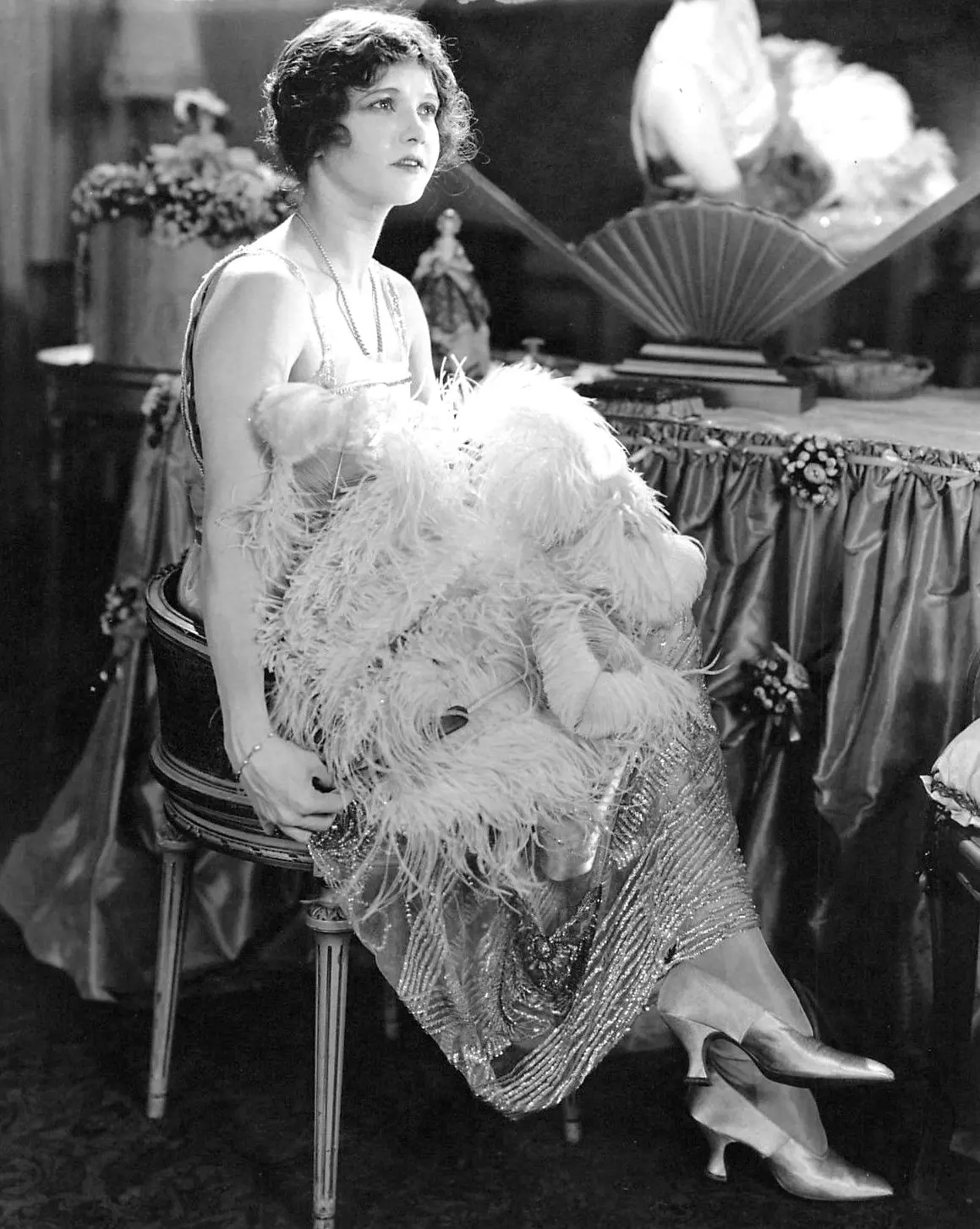
The Genesis of the Cinematic Outlaw
In the era of 1910 to 1925, the language of film was still in a state of fluid evolution. This lack of rigid standardization allowed for a peculiar kind of creative anarchy. Consider the case of White and Unmarried (1921), where an underworld figure attempts to transition into the world of respectable business, only to find himself ensnared by the very criminality he sought to escape. This narrative arc—the impossibility of true reform and the magnetic pull of the fringe—is a cornerstone of cult cinema. It mirrors the plight of the films themselves: works that attempt to fit into the mainstream but are ultimately defined by their inherent strangeness.
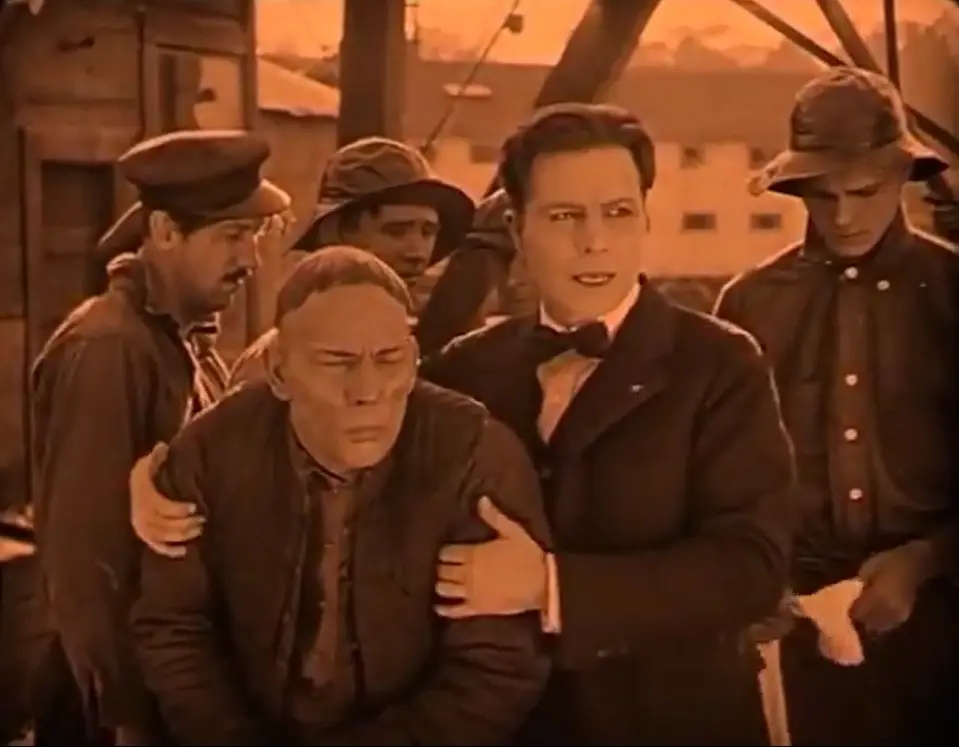
Similarly, The Girl from Outside presents a fascinating study in moral ambiguity. When a young woman in the Alaskan mining country unknowingly falls in with the Curly Kid and his gang, the resulting dynamic is not one of simple victimization, but of mutual transformation. The gang’s eventual devotion to her speaks to a recurring theme in cult narratives: the formation of unconventional communities and the redemption found within the outlaw collective. This film, like many of its contemporaries, challenged the binary morality of its time, providing a subversive blueprint for future generations of niche storytellers.
Spectacle, Circus, and the Aesthetic of the Abnormal
The allure of the "other" has always been a primary driver of cult devotion. Early cinema frequently turned to the circus and the world of performance to explore these themes. The Biggest Show on Earth (1918) utilizes the backdrop of a circus—complete with lion taming—to contrast the raw vitality of the performers against the stifling expectations of upper-crust boarding schools. This tension between social conformity and the wild, untamed nature of the spectacle is a primal rhythm that resonates through the history of the genre. The Die Geheimnisse des Zirkus Barré further emphasizes this, blending drama and action within the high-stakes environment of the big top, creating a sense of visual anarchy that early audiences found both terrifying and intoxicating.
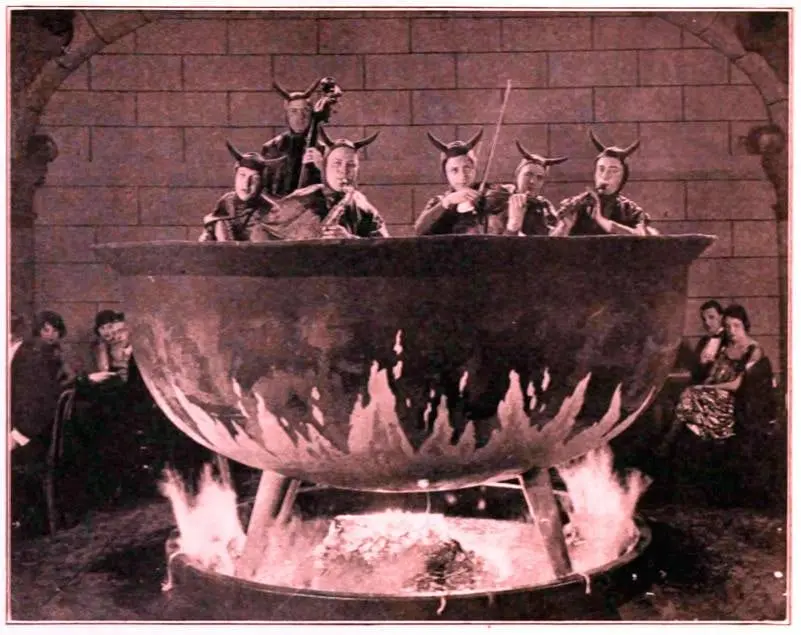
Even the comedic shorts of the era, such as Fire Fighters, showcased a penchant for the bizarre. When the gang’s pet animals accidentally get drunk on a bootlegger's moonshine, the resulting chaos is more than just slapstick; it is a transgressive moment of pure, unadulterated absurdity. This legacy of the "drunk animal" or the "unruly beast" evolved into the surrealist humor that defines many modern cult classics. It is in these moments of narrative mutation that the true soul of the cult movie is found—in the refusal to adhere to the logic of the mundane world.
The Architecture of Identity and Deception
Identity is perhaps the most explored territory in the cult cinema landscape. The silent era was obsessed with the double, the lookalike, and the amnesiac. The Prisoner of Zenda (1915) is the quintessential example of the "lookalike" trope, where a relative must take the place of a drugged king to save the throne. This theme of performative identity—the idea that we are not who we say we are—found even more radical expression in Uma Transformista Original, which explored the fluid nature of persona through the lens of transformation. These films invited audiences to question the stability of the self, a psychological hook that has sustained obsessive fandoms for over a century.
The tragedy of lost memory in The Other Woman (1921) adds another layer to this fascination. Langdon Kirven’s five-year descent into amnesia, leading him to build an entirely new life under a different name, serves as a haunting metaphor for the cinematic experience itself. We enter the theater to lose ourselves, to adopt new identities, and to live lives that are not our own. The cult film, more than any other, facilitates this communal catharsis by providing worlds so vivid and strange that the viewer’s own reality begins to pale in comparison.
Subverting the Social Order: Romance and Rebellion
While the mainstream often sought to reinforce social norms, the maverick visions of early cinema frequently sought to dismantle them. The Narrow Valley (1921) tells the story of a draper's maid who weds a poacher's son in defiance of a village watch committee. This is a story of moral defiance, where the protagonists choose love over the rigid, often hypocritical, dictates of their community. Similarly, Beauty's Worth (1922) critiques the snobbery of the elite through the eyes of an unsophisticated Quaker girl. These narratives of the outcast's odyssey provided a voice for the disenfranchised, establishing the cult movie as a sanctuary for those who felt out of step with the prevailing culture.
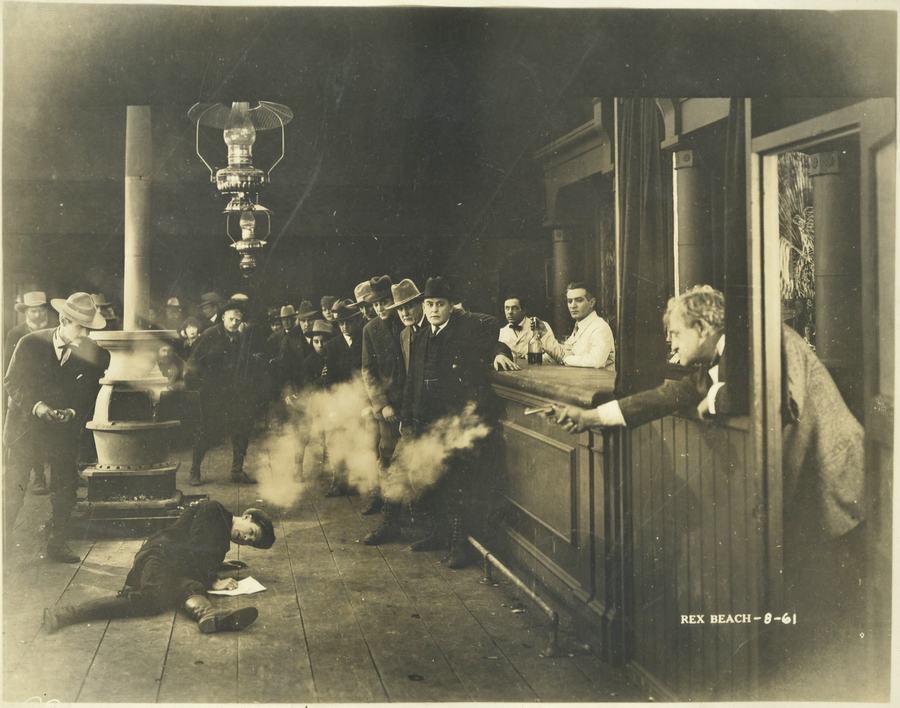
Even the darker explorations of marriage and betrayal, such as When False Tongues Speak and Don't Shoot, highlighted the complexities of human relationships that were often glossed over by more commercial fare. In Don't Shoot, the forced marriage between a crook and a woman who mistakes him for her suitor creates a narrative tension that is both uncomfortable and compelling. These films did not offer easy answers; they offered unconventional truths about the messiness of life, the persistence of crime, and the difficulty of redemption.
The Legacy of the Maverick: From 1910 to Eternity
The influence of these early works cannot be overstated. When we watch a modern cult masterpiece, we are seeing the genetic echoes of Das Milliardentestament’s comedic timing, the primordial pulse of Smashing Barriers’ action sequences, and the transgressive soul of Camille’s (1915) tragic sacrifice. The early 20th century was a midnight crucible where the elements of genre were melted down and reformed into something entirely new. Films like Ingmarssönerna and Fehér rózsa demonstrated that cinema could be a medium for deep psychological inquiry and poetic expression, even within the constraints of silent storytelling.
The survival of these films—many of which were nearly lost to time—is a testament to the enduring power of the cult ethos. They were preserved not by the major studios, but by collectors, historians, and obsessive fans who recognized their unique value. This unseen legacy continues to inspire contemporary filmmakers to push the boundaries of the medium, to embrace the strange, and to champion the cinematic outlier. The Midnight Alchemist's Ledger is still being written, and its pages are filled with the names of those who dared to see the world differently through the lens of a camera.
In conclusion, the cult cinema phenomenon is not a modern invention but a continuous thread that runs through the very heart of film history. By unearthing the primal transgressions and maverick rhythms of the silent era, we gain a deeper appreciation for the films that continue to haunt our dreams and ignite our imaginations. From the circus tents of Die Geheimnisse des Zirkus Barré to the Alaskan snows of The Girl from Outside, the rebel heart of cinema has always been beating, waiting for a new generation of worshippers to find their home in the dark.
As we look toward the future of film, let us not forget the original misfits. Let us celebrate the energetic Evas, the desperate trails, and the silent partners that paved the way. For in the world of cult cinema, there is no such thing as an ending—only a slow-burn revelation that continues to unfold, one frame at a time, in the flickering light of the midnight screen.
Community
Comments
Log in to comment.
Loading comments…