
Cult Cinema Deep Dive
The Midnight Cartographer's Manifesto: Tracing the Primal Spirit of Early Cinema's Maverick Fringe

“Explore the hidden foundations of cult cinema through the lens of early 20th-century outliers that defied convention and birthed a century of niche devotion.”
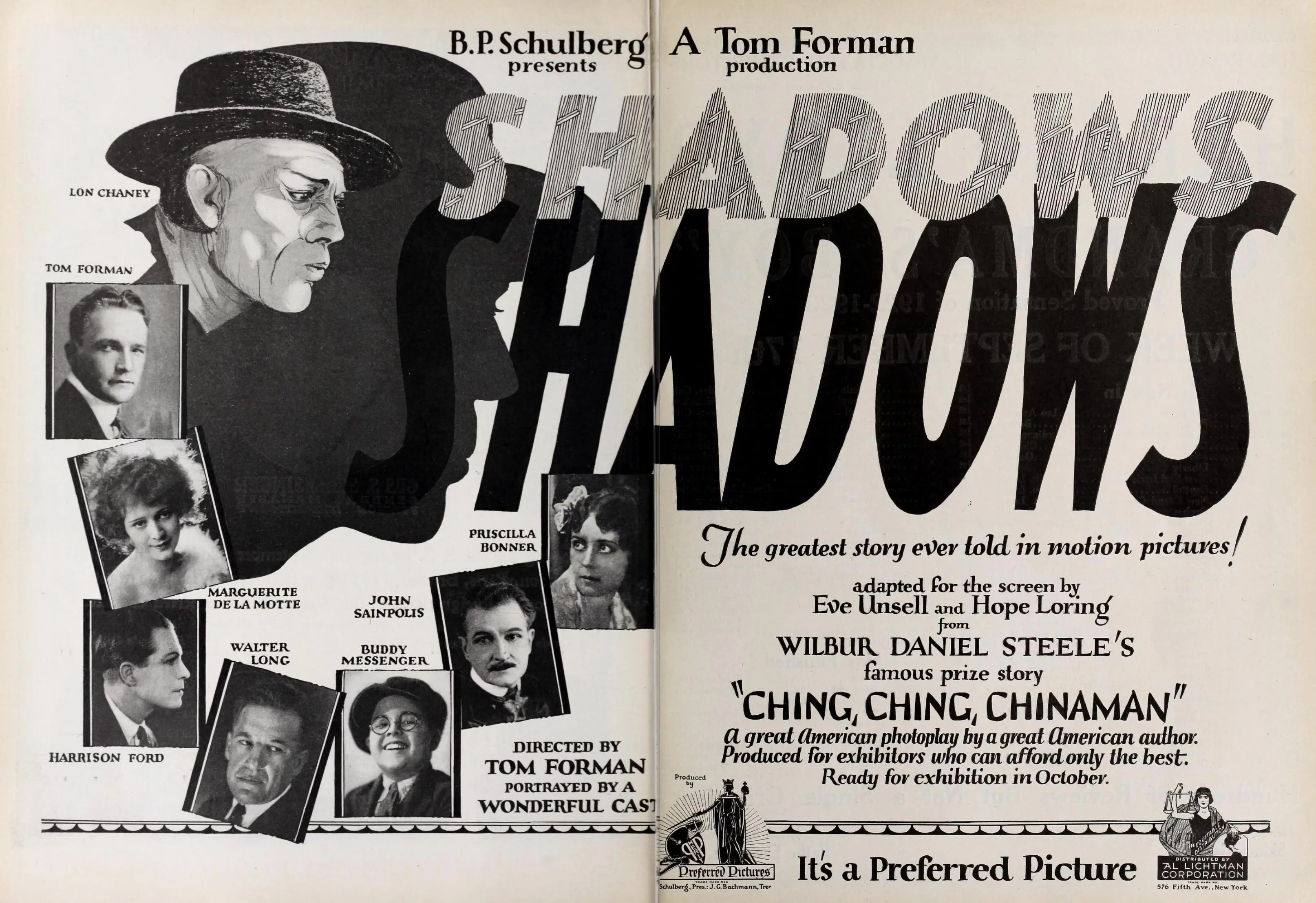
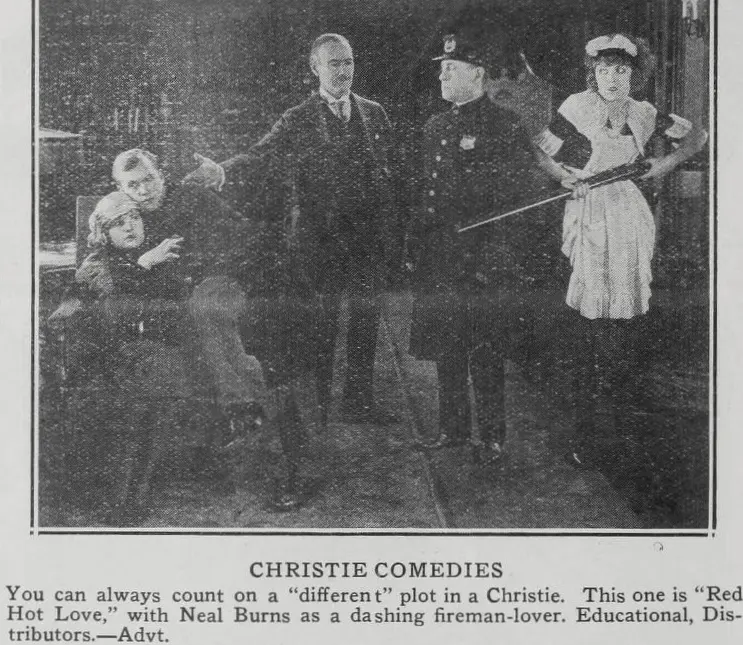
To the modern cinephile, the term "cult cinema" often evokes images of neon-drenched midnight screenings, the campy theatrics of the 1970s, or the transgressive body horror of the 1980s. However, the genetic blueprint of the cinematic outlier was drafted much earlier, in the flickering shadows of the silent era and the nascent days of the talkies. Long before the term was popularized, films like Red Hot Love and The Seven Sisters were already testing the boundaries of audience expectation, creating the very atmosphere of niche devotion that defines the genre today. This editorial seeks to map that forgotten territory, charting a course through the early 20th century’s most eccentric and enduring visions.
The Architecture of Obsession: Why Early Outliers Endure
What makes a film a "cult" object? It is rarely about technical perfection and often about a singular, obsessive vision that refuses to conform to the mainstream. Consider the sheer audacity of Quo Vadis? (1913). While modern audiences might see it as a historical epic, its portrayal of decadent Rome and the tyrannical leadership of a despot offered a visceral, almost tactile experience that resonated with the rebellious spirit of early filmgoers. It wasn't just a movie; it was a sensory assault that invited a specific kind of collective witness—a precursor to the communal rituals of later cult classics.
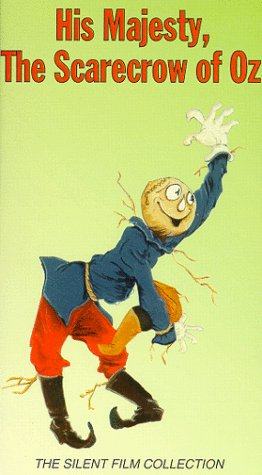
Similarly, the surrealist leanings found in His Majesty, the Scarecrow of Oz (1914) showcase a narrative anarchy that predates the formal Surrealist movement. By taking a beloved American myth and infusing it with a bizarre, almost fever-dream logic, the film created a space for viewers who craved the uncanny. This "uncanny" quality is the bedrock of cult cinema. It is the feeling that you are watching something that shouldn't exist, yet there it is, flickering on the screen in defiance of all logic.
The Moral Frontier: Taboo and the Transgressive Lens
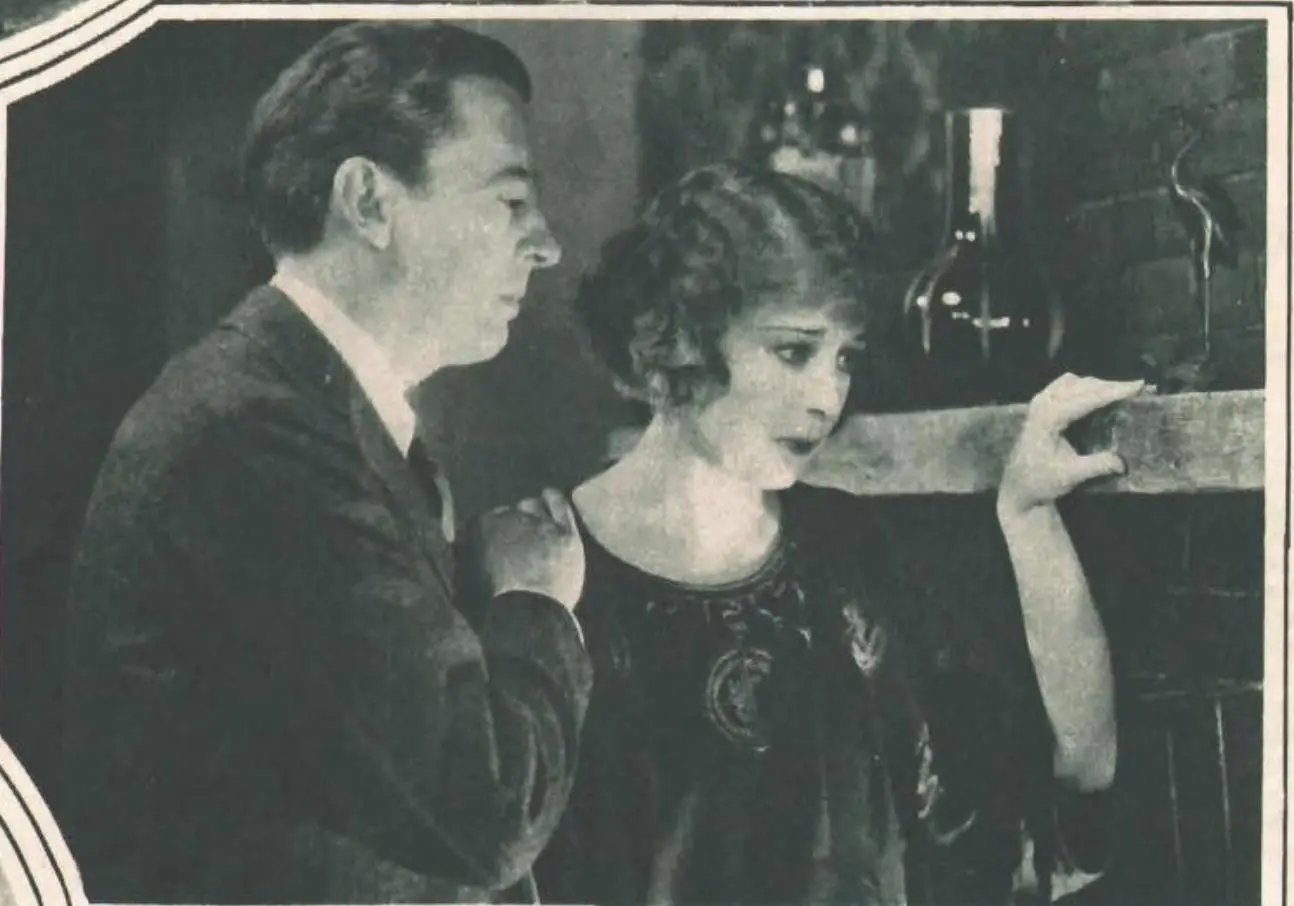
Cult cinema has always been a sanctuary for the forbidden. In the early 20th century, the "Natural Law" was often a point of contention. The film The Natural Law (1917) delved into the complexities of attraction and the societal constraints placed upon it, much like Stolichnyi iad (The Poison of the Capital) explored the victimhood of high-society gossip. These films didn't just tell stories; they acted as mirrors to the darker, more repressed corners of the human psyche.
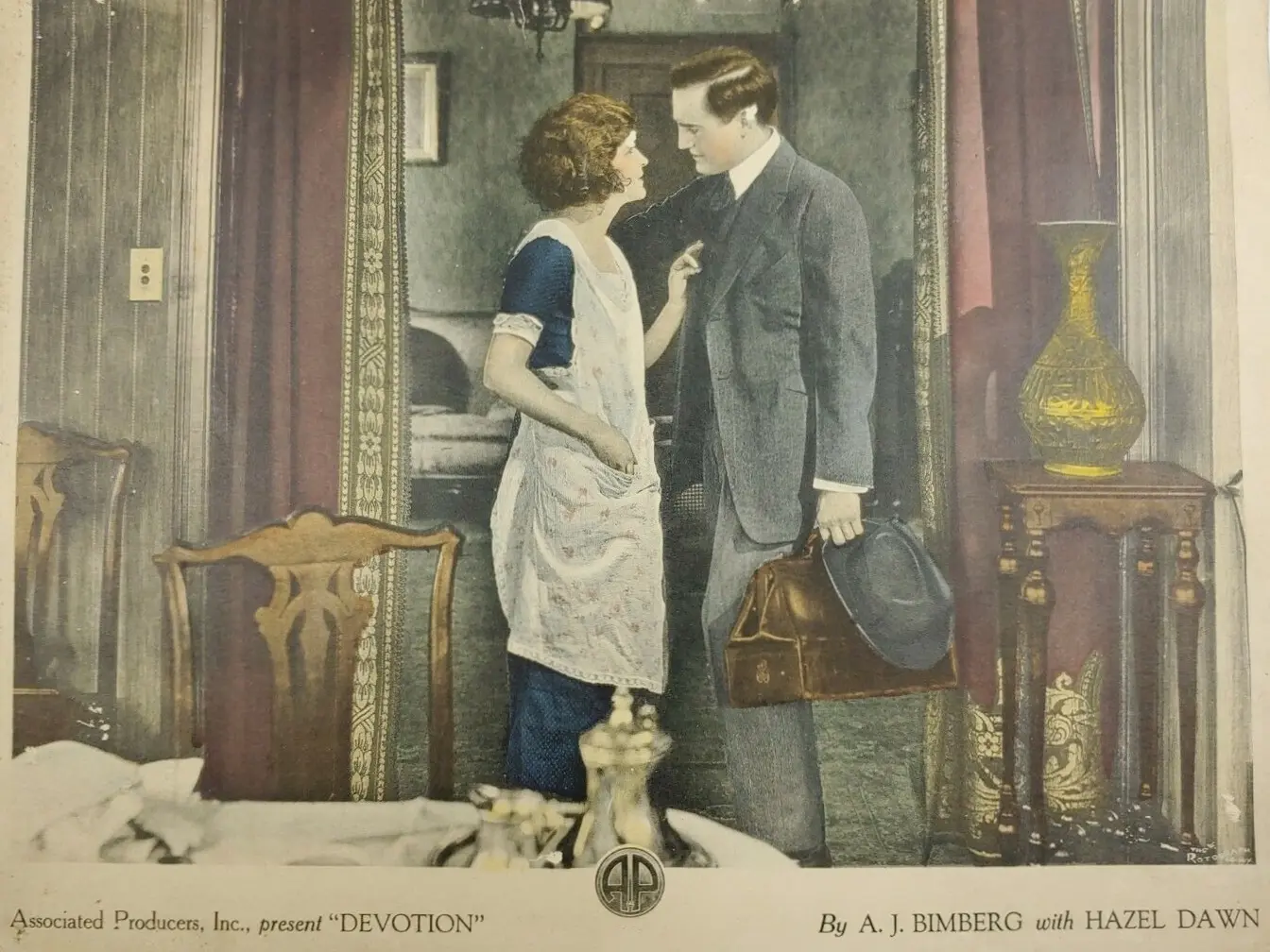
The transgressive spirit is also found in the domestic dramas that pushed beyond the "happily ever after" trope. The Lair of the Wolf (1917) and His Father's Wife (1919) brought themes of abuse, betrayal, and psychological manipulation to the forefront. These weren't the polished, moralizing tales of the studio elite; they were raw, often uncomfortable explorations of the human condition. For the early cult fan, these films offered a sense of truth that the mainstream dared not touch. They were the original transgressive masterpieces, paving the way for the counter-culture movements of the decades to come.
Narrative Anarchy and the Beauty of the Misfit
If there is one recurring motif in the history of cult cinema, it is the celebration of the misfit. Whether it is the "plain young country girl" in True Heart Susie (1919) or the red-headed, hard-working child in Polly Redhead (1917), these characters represent the resilient spirit of the outsider. They are the archetypes of the cult hero: undervalued by their society but possessing a hidden strength or a secret world that the audience is invited to share.
This narrative focus on the peripheral extends to the films themselves. The Adventure Shop (1919) presents a group of bored socialites starting a business to provide "adventure"—a meta-commentary on the audience's own desire for escape. Meanwhile, Nice and Friendly (1922), a short film created as a wedding present, exists entirely outside the traditional commercial distribution model. Its existence is a testament to the idea that cinema can be personal, eccentric, and entirely disconnected from the profit motive. It is the ultimate "found object" of film history.
The Landscape of the Unknown: Exoticism and Exploration
The cult of the "unseen" also fueled the popularity of early travelogues and expedition films. Kaieteur, the Perfect Cataract (1917) took audiences into the jungles of British Guiana, offering a glimpse of a world that was, for most, entirely unreachable. This desire to witness the "authentic other" is a core component of the cult experience. Whether it is a waterfall five times the height of Niagara or the gold-mining rebellion of The Loyal Rebel (1915), these films provided a sense of wonder that felt more primal than the scripted dramas of the day.
Even the Western genre, often seen as the most American of tropes, had its cult outliers. Across the Deadline (1922) contrasted puritanical conservatism with hedonistic rebellion, while Just Tony (1922) centered its narrative not on a man, but on a wild stallion. These films shifted the focus away from the expected, creating a niche space where the environment and the animal kingdom took center stage, challenging the anthropocentric view of traditional storytelling.
The International Echo: Global Roots of the Fringe
Cult cinema is not a Western monolith. The early 20th century saw a flourishing of maverick visions across the globe. From the Bulgarian historical documentation of Pristiganeto na bulgarskata delegatziya ot konferentziuata v Parizh (1919) to the Swedish social drama Gatans barn (Children of the Street, 1914), the spirit of cinematic rebellion was universal. Nathan der Weise (1922) in Germany used the Third Crusade to bridge religious gaps, a theme that remains as subversive and relevant today as it was a century ago.
These international works often dealt with themes of class struggle, identity, and the clash between tradition and modernity. In Under the Yoke (1918), a young Spanish woman in the Philippines must navigate a landscape of colonial power and personal desire. These narratives provided a blueprint for the global cult cinema of the future, where directors from disparate cultures would use the medium to voice their resistance against the status quo.
The Alchemical Blend of Genre and Myth
What we now recognize as genre-bending—a hallmark of cult hits—was already being experimented with in films like The Kentucky Derby (1922), which blended action, sport, crime, and romance into a singular, high-octane package. Or consider the serial Bride 13 (1920) and the mystery of The Mysterious Client (1918). These films didn't care for the rigid boundaries of genre; they were interested in the thrill of the sequence, the tension of the reveal, and the loyalty of the audience who returned week after week to see the mystery unfold.
The cult of the "thief-hero" also found its footing in A Rogue's Romance (1919), where a master thief becomes a welcome guest of the aristocracy. This subversion of morality—where the criminal is the most charismatic person in the room—is a direct ancestor to the anti-heroes of modern cult classics. It challenges the viewer to align themselves with the outlaw, a fundamental step in the formation of a "rebel" audience.
Conclusion: The Eternal Flame of the Maverick Reel
As we look back at these early 20th-century anomalies, we see more than just old film; we see the birth of a mindset. Cult cinema is not defined by a specific era but by an enduring relationship between the unconventional and the devoted. Whether it is the silent struggle of The Unknown Wife (1921) or the opulent desperation of The House with the Golden Windows (1916), these films speak a secret language to those who are willing to listen.
They remind us that cinema was born in the mud and the shadows, in the fringes of society where the rules were still being written. The Midnight Cartographer does not look for the well-trodden path; they look for the flicker of a reel that everyone else has forgotten. By unearthing these early treasures, we don't just honor the past; we fuel the transgressive fires of the future. The spirit of the maverick is eternal, and as long as there are films that dare to be weird, there will be a tribe of devotees ready to worship at the celluloid altar.
Community
Comments
Log in to comment.
Loading comments…