
Cult Cinema Deep Dive
The Midnight Cartography: Mapping Cult Cinema's Enduring Allure from Fringe to Fandom
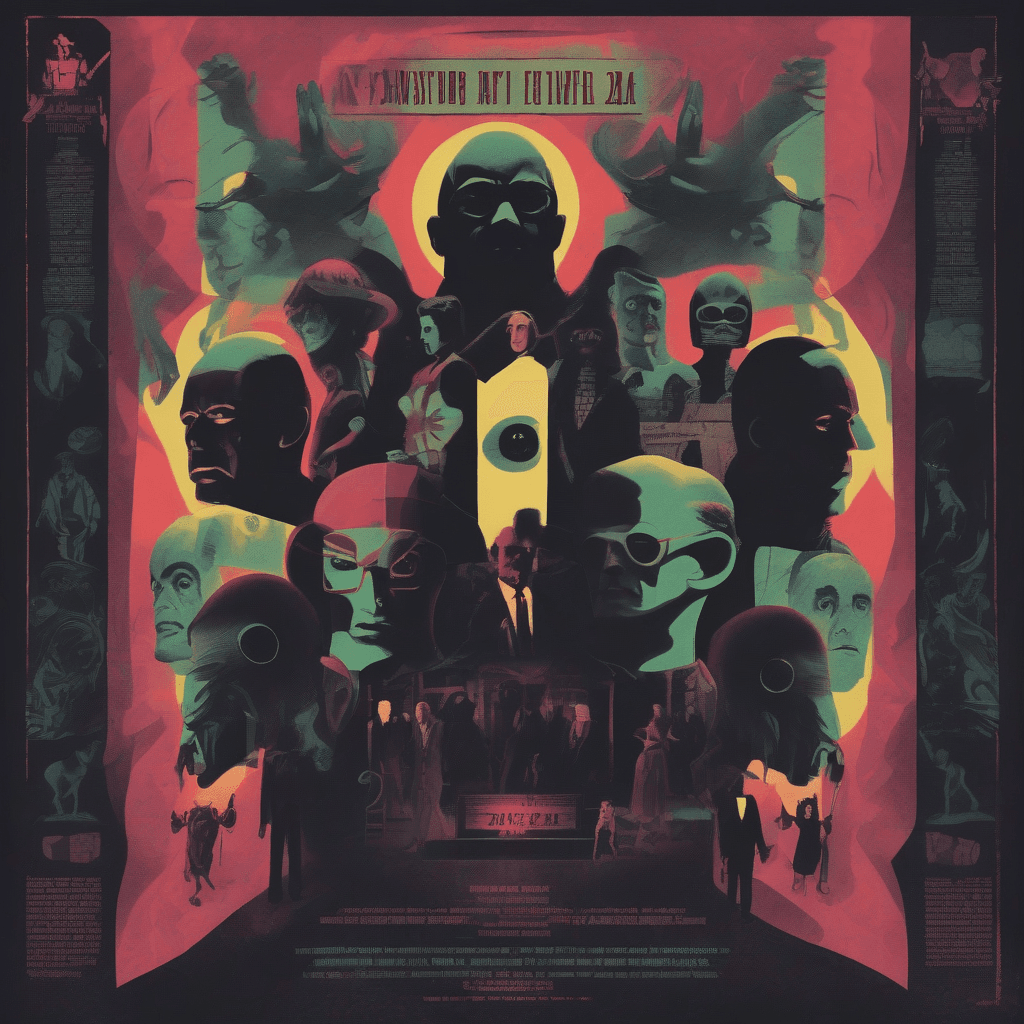
“Dive into the enigmatic world of cult cinema, exploring its historical roots, transgressive themes, and the unique connection it forges with its devoted audience, transforming obscure films into timeless cultural touchstones.”
In the vast, ever-expanding universe of film, there exists a peculiar constellation known as cult cinema. These aren't the blockbusters that dominate multiplexes, nor the critical darlings celebrated at awards ceremonies. Instead, cult films are the cinematic outliers, the misunderstood masterpieces, the transgressive visions that initially baffled audiences or were dismissed by critics, only to be embraced with fervent passion by a dedicated few. They are the films that refuse to conform, that challenge conventions, and that, over time, cultivate an almost religious following, transforming from cinematic curiosities into enduring cultural phenomena. What is it about these maverick films that allows them to transcend their initial reception and forge such unbreakable bonds with their viewers? It's a journey from the fringe to the pantheon, a unique alchemy of art, audience, and the passage of time.
The Genesis of the Unorthodox: Early Cinema's Rebel Heart
To truly understand the enduring appeal of cult cinema, we must trace its lineage back to the nascent days of filmmaking. Even in the early 20th century, before the term 'cult film' existed, there were motion pictures that pushed boundaries, explored taboo subjects, or simply operated outside the conventional narrative structures of their time. These proto-cult films, often silent dramas or early genre experiments, laid the thematic and stylistic groundwork for what would become a distinct cinematic category.
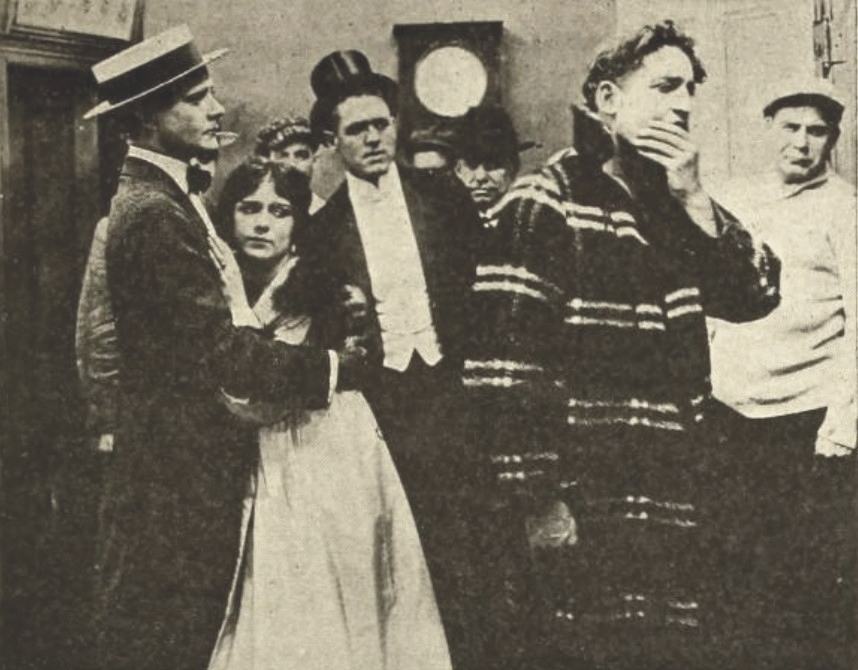
Consider the silent era's bold forays into psychological drama and social commentary. Films like Es werde Licht! 1. Teil, with its unflinching portrayal of syphilis, or The Tiger Woman, depicting a life of 'unmitigated evil,' ventured into territories that were often deemed too dark or controversial for mainstream sensibilities. These were not just stories; they were provocations, challenging the moral fabric of their audiences. Similarly, early melodramas such as The Heart of Humanity, showcasing the brutal realities of war and human depravity, or Her Body in Bond, exploring themes of sacrifice and societal pressure, delved into emotional extremes that resonated deeply, if not always widely, with viewers seeking more than simple escapism.
Beyond explicit transgression, there was an inherent experimentalism in early cinema. The narrative structures of films like Az utolsó hajnal, with its 'dizzying set of circumstances,' hint at a willingness to deviate from straightforward storytelling, foreshadowing the narrative anarchy often celebrated in later cult classics. Even seemingly lighter fare, like the early comedies such as The Huntsman or Traveling Salesman, might have contained subversive humor or a quirky sensibility that set them apart from their contemporaries, appealing to a niche appreciation. This foundational period, marked by a spirit of innovation and a nascent understanding of cinema's power to provoke, was crucial in forging the rebel heart of cult cinema.

Beyond the Mainstream: The Allure of Transgression and Taboo
One of the most defining characteristics of cult cinema is its audacious embrace of transgression. These films often delight in exploring themes, aesthetics, or narratives that mainstream Hollywood deems too risky, too niche, or too offensive. They challenge societal norms, moral boundaries, and cinematic conventions, offering a cathartic experience for audiences tired of sanitized storytelling.
Films that tackle challenging subjects, from psychological torment to overt social rebellion, find a natural home within the cult canon. The dark undercurrents present in early crime dramas like Der Sprung ins Dunkle or the moral quandaries of The Broken Commandments laid the groundwork for later films that would delve even deeper into the human psyche's darker corners. The exploration of power dynamics and forbidden desires, as seen in films like The Spanish Jade or El beso de la muerte, resonates with audiences looking for narratives that acknowledge the complexities and often uncomfortable truths of human nature.

This attraction to the forbidden isn't solely about shock value; it's about authenticity and a willingness to confront uncomfortable realities. Whether it's the raw emotion of a film exploring societal outcasts, the visceral horror of a genre bending masterpiece, or the satirical bite of a comedy that lampoons sacred cows, transgressive cinema offers a mirror to anxieties and desires that are often suppressed. These narratives provide a space for audiences to engage with ideas and emotions that are typically marginalized, fostering a sense of understanding and belonging among those who feel similarly alienated by mainstream narratives. The very act of watching such a film can feel like a secret handshake, a shared understanding of something profound and often unsettling.
Narrative Anarchy and Stylistic Rebellion: The Form of the Fringe
Cult films are not just defined by *what* they say, but also by *how* they say it. Many cult classics are characterized by their unconventional narrative structures, experimental aesthetics, or a deliberate rejection of polished filmmaking norms. This narrative anarchy and stylistic rebellion are often what make these films so distinctive and memorable.
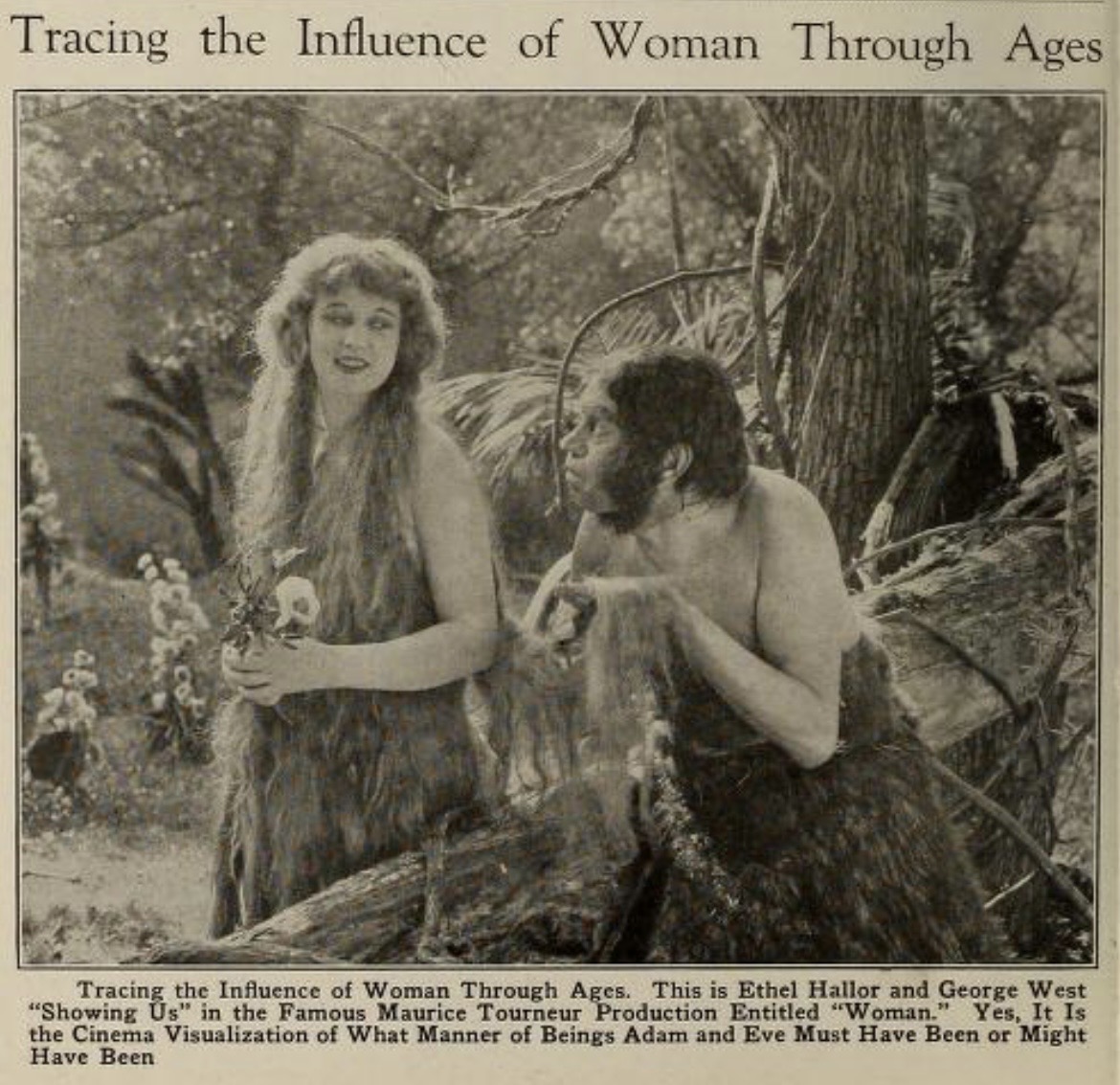
From the early days, filmmakers experimented with cinematic language. Silent-era Westerns like The Gun Woman or Davy Crockett, while seemingly conventional, often presented larger-than-life characters and dramatic situations that could be seen as heightened realities, pushing the boundaries of realism for their time. Similarly, the dramatic intensity and often melodramatic flourishes of films such as Isterzannye dushi or Jackie, depicting passionate struggles and emotional turmoil, might have been seen as excessive or over-the-top by some, yet captivated others with their raw, unfiltered energy. This embrace of excess, of heightened reality, is a hallmark of many cult films.
Sometimes, a film becomes a cult classic precisely because it defies easy categorization or critical analysis. It might be a genre mash-up, a bizarre fever dream, or a film that simply doesn't 'work' in a conventional sense, yet possesses an undeniable, hypnotic quality. The oddball charm of early shorts like The Fly Ball or Wild, if they contained unexpected twists or surreal elements, could be seen as embryonic forms of this stylistic deviance. These are the films that invite repeated viewings, not just to understand them, but to revel in their strangeness, to decode their hidden meanings, and to appreciate their unique artistic vision, however flawed it might appear to the uninitiated.
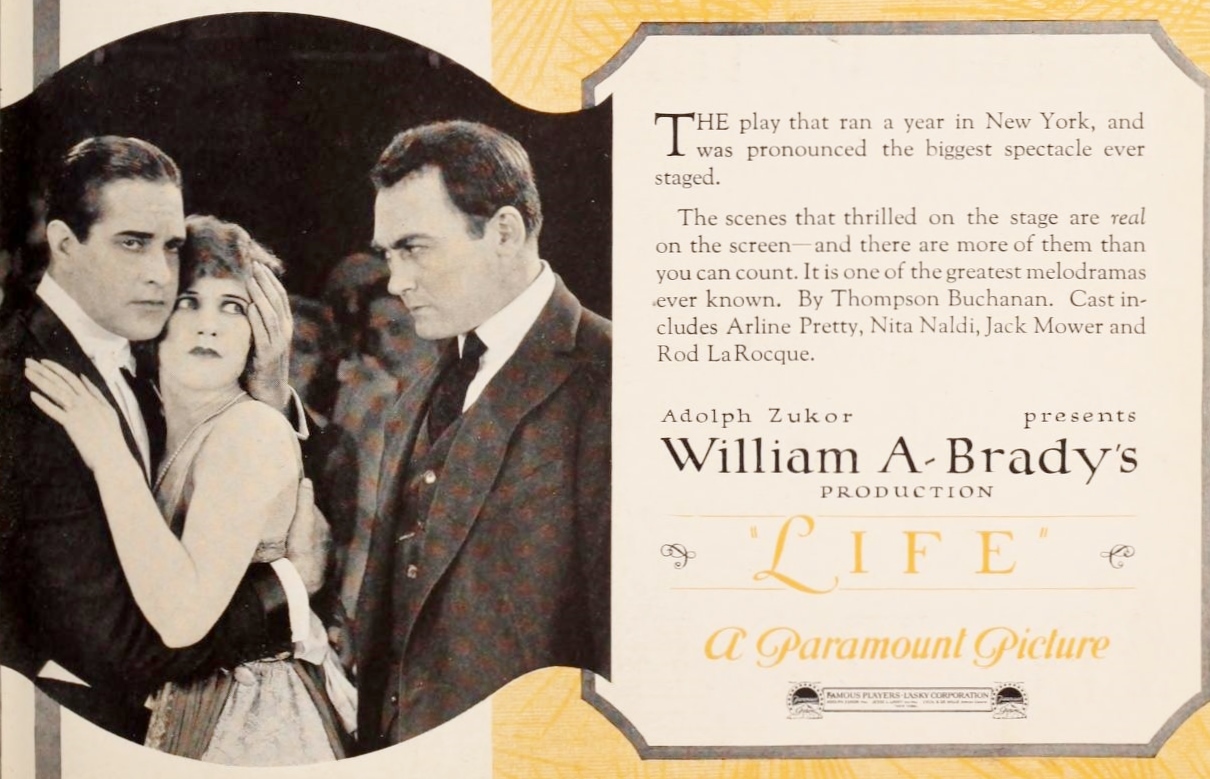
The visual language often plays a crucial role. Whether it’s the stark black-and-white cinematography of early German Expressionism (which we can infer from a film like Der Graf von Cagliostro, focusing on occultism and magic), or the vibrant, often garish palettes of later genre films, cult cinema often utilizes aesthetics to create a distinct mood and atmosphere. This deliberate choice of style, often at odds with the prevailing cinematic trends, further isolates these films from the mainstream, yet solidifies their appeal among those who appreciate their unique artistic voice.
The Audience as Co-Creator: Fandom and Ritual
Perhaps the most vital ingredient in the making of a cult film is its audience. Unlike mainstream blockbusters that are consumed and often forgotten, cult films are actively embraced, discussed, and re-interpreted by their fans. The audience is not merely a passive recipient but an active participant, a co-creator of the cult experience.
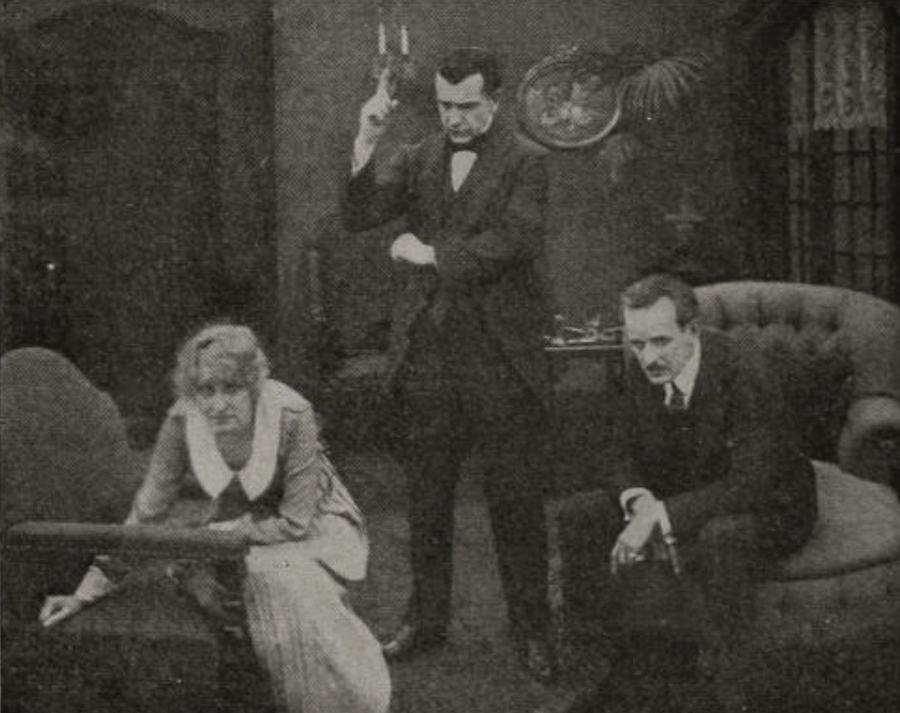
This engagement often manifests in ritualistic viewing experiences. Think of the legendary midnight screenings, where audiences dress up, shout lines, and interact with the film in a communal, almost performative manner. This phenomenon transforms watching a movie from a solitary activity into a shared celebration, a cinematic sacrament. While the early films listed might not have had 'midnight screenings' in the modern sense, the fervent discussion and re-telling of dramatic tales like The Heart of Maryland or the intriguing mystery of The Millionaire Baby could have sparked similar, albeit less organized, forms of communal engagement and repeated exposure.
The internet and social media have only amplified this phenomenon, allowing disparate fans from across the globe to connect, share theories, create fan art, and perpetuate the film's legacy. This collective devotion breathes new life into films that might otherwise fade into obscurity. It's a testament to the power of shared experience and the human need for belonging. Cult films provide a sanctuary for the unconventional, a place where those who feel like outsiders can find their tribe, united by a mutual appreciation for the peculiar, the profound, and the passionately made.

Moreover, the act of discovering a cult film often feels like unearthing a hidden treasure. It’s a personal journey of exploration, a departure from the curated playlists of streaming services to delve into the obscure corners of cinematic history. This sense of discovery, of being 'in on the secret,' further deepens the bond between the viewer and the film, transforming mere spectatorship into a form of active connoisseurship. Films like The Other Side or The Web of Desire, perhaps overlooked in their initial release, could have been unearthed by discerning viewers who saw beyond their immediate context.
From Obscurity to Iconography: The Unconventional Journey
Many films that achieve cult status were initially commercial failures or met with critical indifference. Their journey to iconography is often a slow burn, a gradual accumulation of appreciation that defies traditional metrics of success. This delayed recognition is a crucial part of their mystique, suggesting that these films were simply ahead of their time, misunderstood by their contemporary audiences, or too bold for the mainstream palate.

Consider the forgotten gems of early cinema. Films like The Woman Game, Phroso, or Eve's Daughter, which explored complex female characters or societal expectations, might have been dismissed as niche melodramas. Yet, with the passage of time, their themes could gain new relevance, their performances new depth, and their artistic merits a fresh appraisal. The ability of a film to be re-contextualized and re-evaluated by subsequent generations is a hallmark of its cult potential.
This process of rediscovery often highlights the vision of filmmakers who dared to be different. Whether it was the raw, unpolished energy of a low-budget production or the uncompromising artistic integrity of a director unwilling to compromise, cult films often bear the unmistakable stamp of a singular creative voice. The enduring narratives of characters like The Medicine Man or The Sawdust Doll, though simple in their premise, might have contained an emotional truth or a unique perspective that resonated with a select few, slowly building a reputation through word-of-mouth and passionate advocacy.
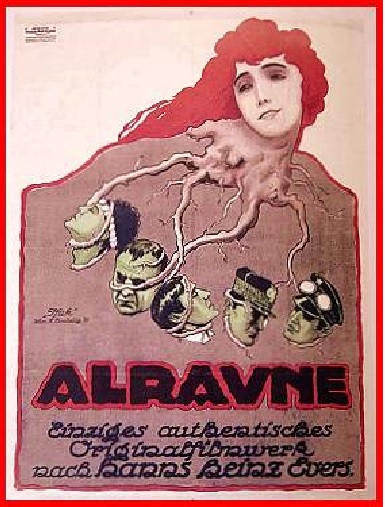
The journey from obscurity to iconic status is rarely a linear one. It involves chance encounters, dedicated programming by repertory cinemas, and the passionate evangelism of cinephiles. It's a testament to the idea that true artistic merit, however unconventional, will eventually find its audience and secure its place in the cinematic underground's pantheon. These films remind us that critical consensus and box office receipts are not the sole arbiters of a film's lasting value or cultural impact.
The Enduring Legacy of the Maverick: Cult Cinema's Timeless Allure
In conclusion, cult cinema is far more than just a collection of oddball movies. It represents a vital, vibrant, and often subversive counter-narrative to mainstream film culture. It is a testament to the power of unconventional storytelling, the allure of transgression, and the profound connection that can form between a film and its devoted audience. From the early experiments of silent cinema, which dared to explore complex human conditions and challenging themes, to modern-day independent productions that defy easy categorization, the maverick spirit has always been at the heart of this enduring phenomenon.
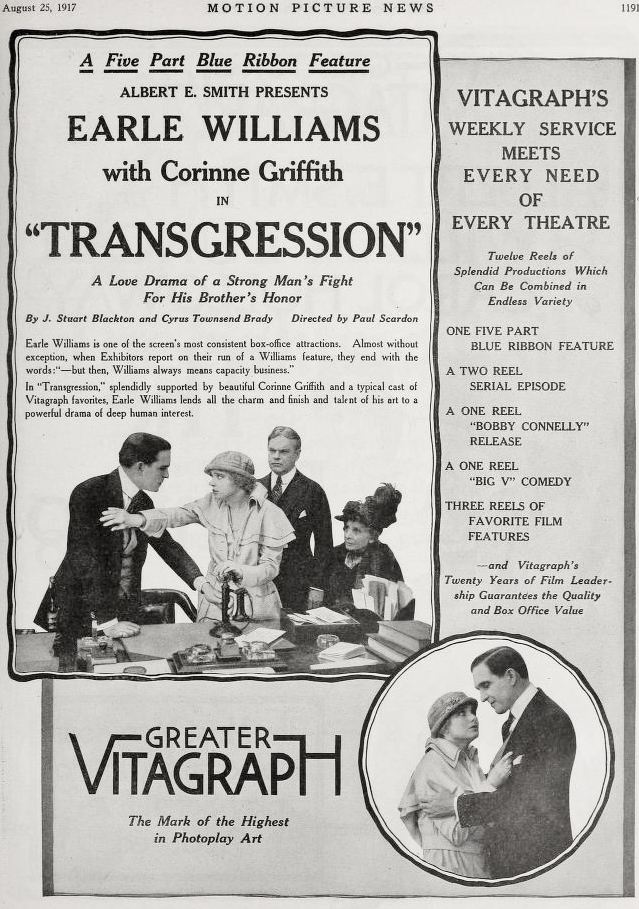
The films that constitute the cult canon – whether they are forgotten dramas like The Greatest of These, intense character studies like Filling His Own Shoes, or even the seemingly mundane narratives of films like The Mail Order Wife that might harbor unexpected depths – all share a common thread: they resonate deeply with a specific segment of the audience, speaking to their unique sensibilities and providing a sense of belonging. They are not merely watched; they are experienced, discussed, analyzed, and celebrated with an intensity that few other forms of entertainment can command.
As film journalism evolves, understanding cult cinema becomes ever more crucial. It offers insights into audience psychology, the dynamics of cultural taste, and the enduring power of art to challenge, provoke, and unite. The midnight cartography of cult cinema continues to expand, charting new territories of appreciation and reaffirming that the most profound cinematic experiences often lie beyond the well-trodden paths, waiting to be discovered by those willing to look a little closer, and love a little harder.
Community
Comments
Log in to comment.
Loading comments…