
Cult Cinema Deep Dive
The Midnight Lineage: Decoding the Subversive DNA of Cinema’s Original Genre Outcasts

“Explore the forgotten roots of cult cinema through the lens of early 20th-century outliers, from moral melodramas to bumbling comedies that defied the mainstream.”
The term cult cinema is often associated with the midnight movie madness of the 1970s—the high-camp theatrics of Rocky Horror or the grimy aesthetics of Eraserhead. However, to truly understand the subversive DNA of the cult phenomenon, one must look further back into the flickering shadows of the early 20th century. Long before the term 'cult' was codified, cinema was already producing misfit masterpieces and narrative anomalies that refused to adhere to the burgeoning rules of the Hollywood studio system. These films, often lost to time or relegated to the dusty corners of archives, represent the primal sparks of an obsession that continues to define the cinematic fringe today.
The Genesis of the Cinematic Outlier
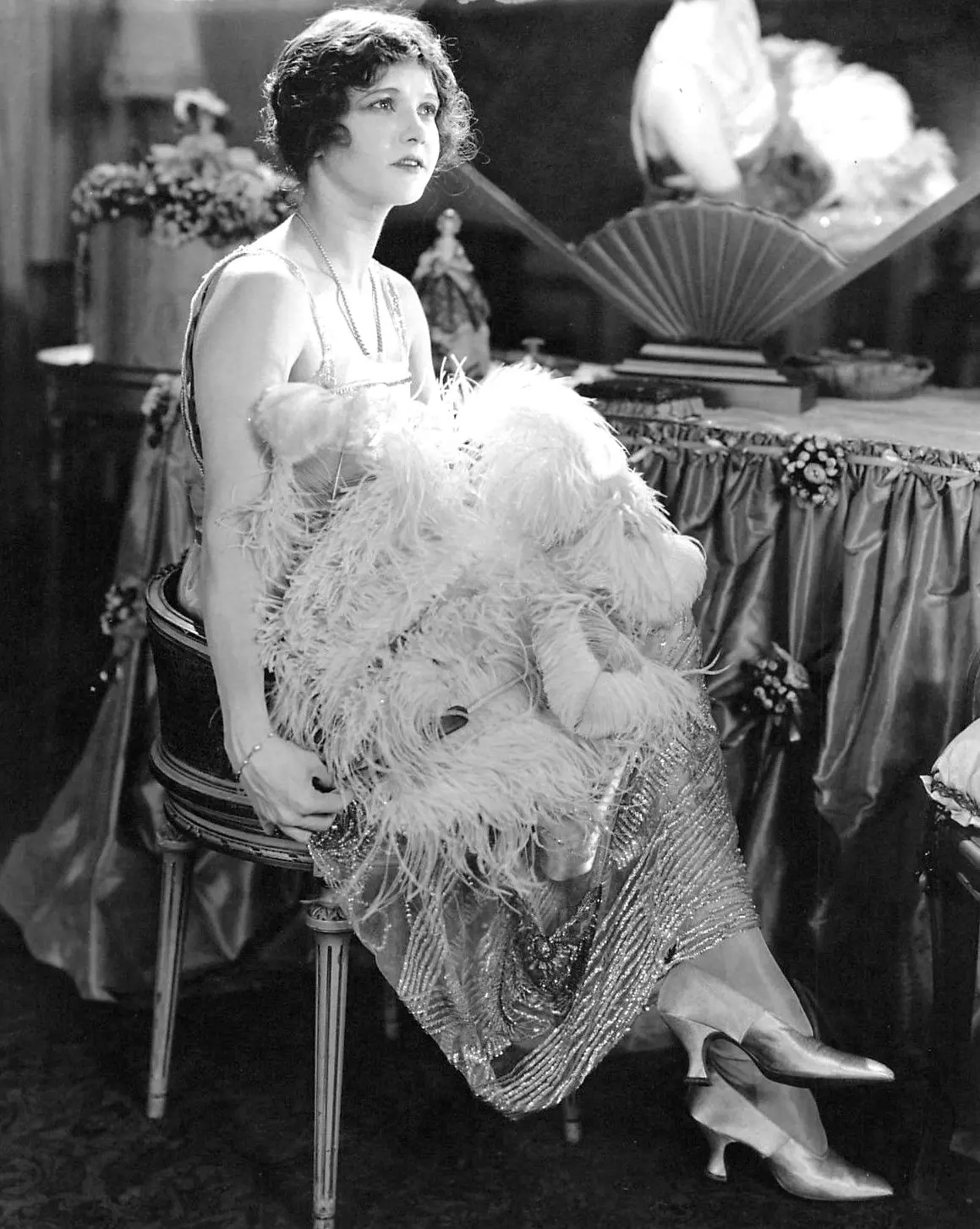
In the nascent years of the industry, between 1910 and 1925, the boundaries of genre were fluid. This was an era of experimental storytelling where filmmakers were still discovering the limits of the medium. Consider the enduring legacy of the serial, most notably The Perils of Pauline (1914). While modern audiences might view the 'maiden in distress' trope as a cliché, at the time, the relentless plotting and the treacherous 'guardian' figure created a form of obsessive viewing that mirrors contemporary binge-watching and fandom devotion. Pauline was not just a character; she was a vessel for a specific type of narrative anxiety that resonated with a public grappling with the rapid onset of modernity.
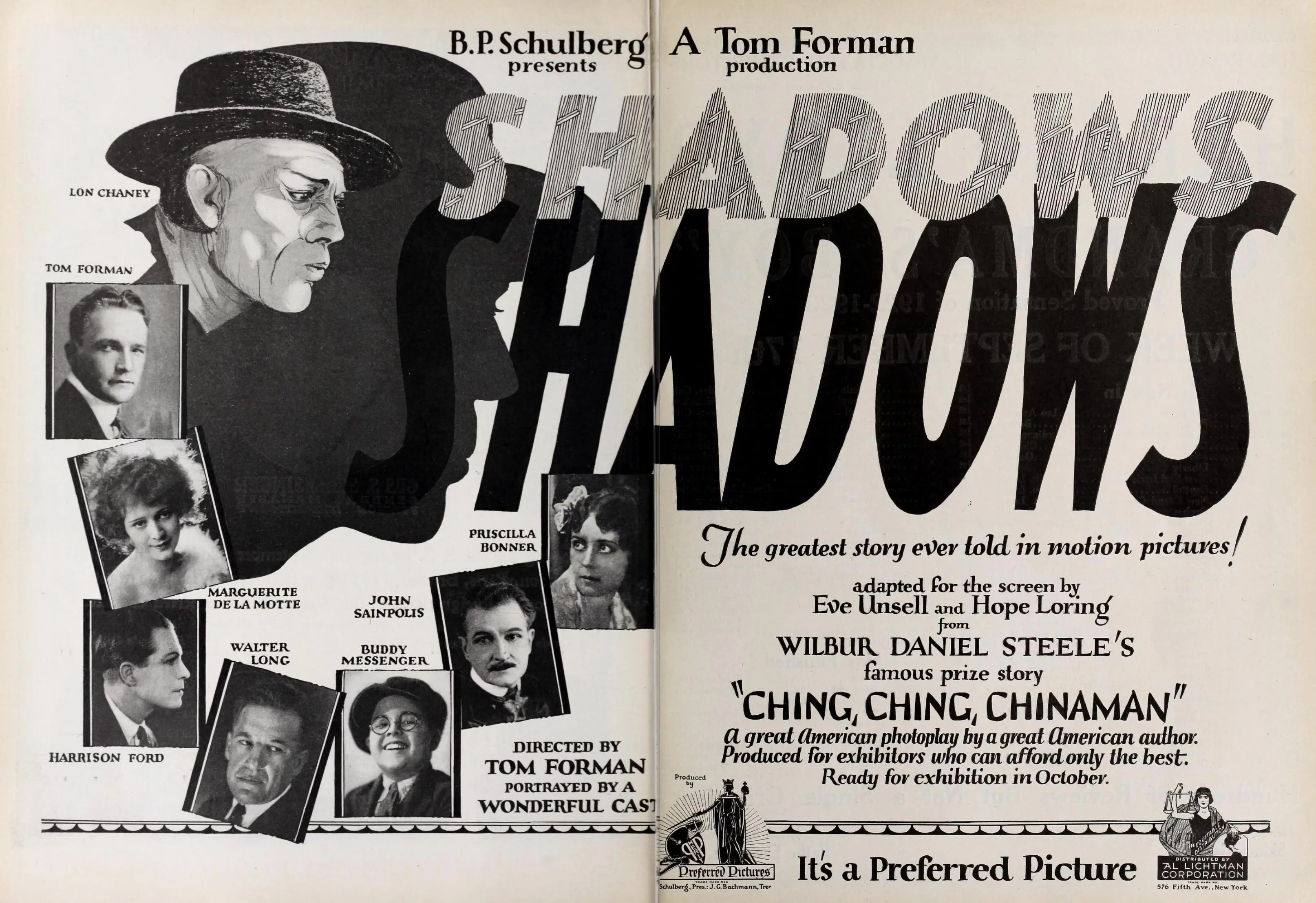
This period also saw the rise of the social outlier as a central protagonist. In Going Straight (1916), we see the early exploration of the 'criminal with a heart of gold.' When a man and his wife, both reformed criminals, are threatened with exposure by an old gang member, the film dives into themes of moral ambiguity and the weight of the past. This tension between societal respectability and the 'old life' is a cornerstone of cult narratives, where characters are often defined by their refusal—or inability—to fully integrate into the status quo.
The Architecture of the Abnormal: Slapstick and Surrealism
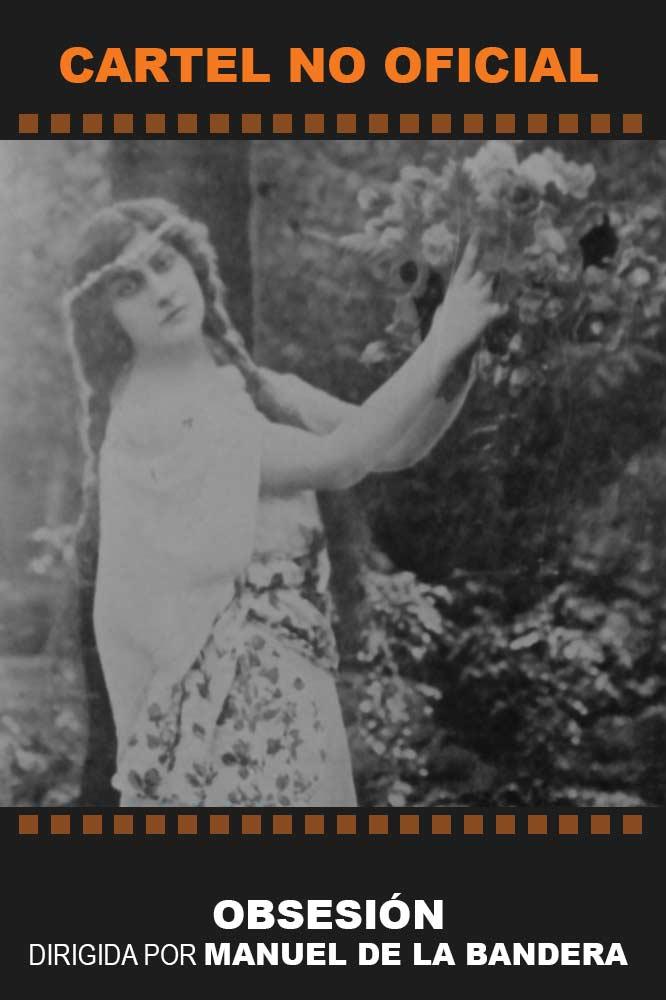
Cult cinema often thrives on the absurd and the bumbling. The physical comedy of the silent era provided a blueprint for the 'lovable loser' archetype that would later populate the works of John Waters or the Coen Brothers. The Sawmill (1922) is a prime example, where a bumbling employee must navigate the bullying of a foreman to win the hand of the owner's daughter. While it functions as a short comedy, its reliance on exaggerated physicality and the chaotic energy of the workplace environment hints at the anarchic spirit that would eventually define the 'midnight' aesthetic.
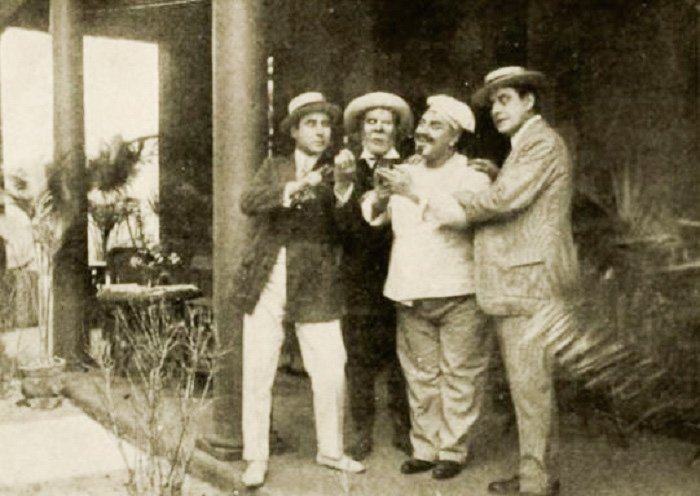
Similarly, The Land of Jazz (1920) blends romance with the bizarre, featuring a doctor who runs an insane asylum on an island and a captain known for his 'heaving' kisses. This tilt toward the eccentric and the mildly grotesque is exactly where cult devotion begins. When a film refuses to play it straight, when it introduces elements of the 'unromantic disguise' or the 'insane' setting, it invites a specific type of viewer who finds beauty in the unconventional. The 'hod-carrier' disguise in A Kiss for Susie (1917) further illustrates this—a rich lad posing as a laborer to win love is a classic trope, but in the context of early cinema, these shifts in identity allowed audiences to explore the fluidity of class and social standing through a rebellious lens.

Moral Deviance and the Red Light District
Perhaps the most potent ingredient in the cult cauldron is transgression. Early cinema was not as sanitized as the subsequent Hays Code era might suggest. Films like Who's Your Neighbor? (1917) tackled the controversial subject of the Red Light District and the reformers who sought to dismantle it. By bringing the 'moral outlaw' to the forefront, these films engaged with the forbidden subjects of their day. This tradition of looking into the dark corners of society—the gamblers, the prostitutes, the 'unscrupulous artists'—is what gives cult cinema its enduring edge.
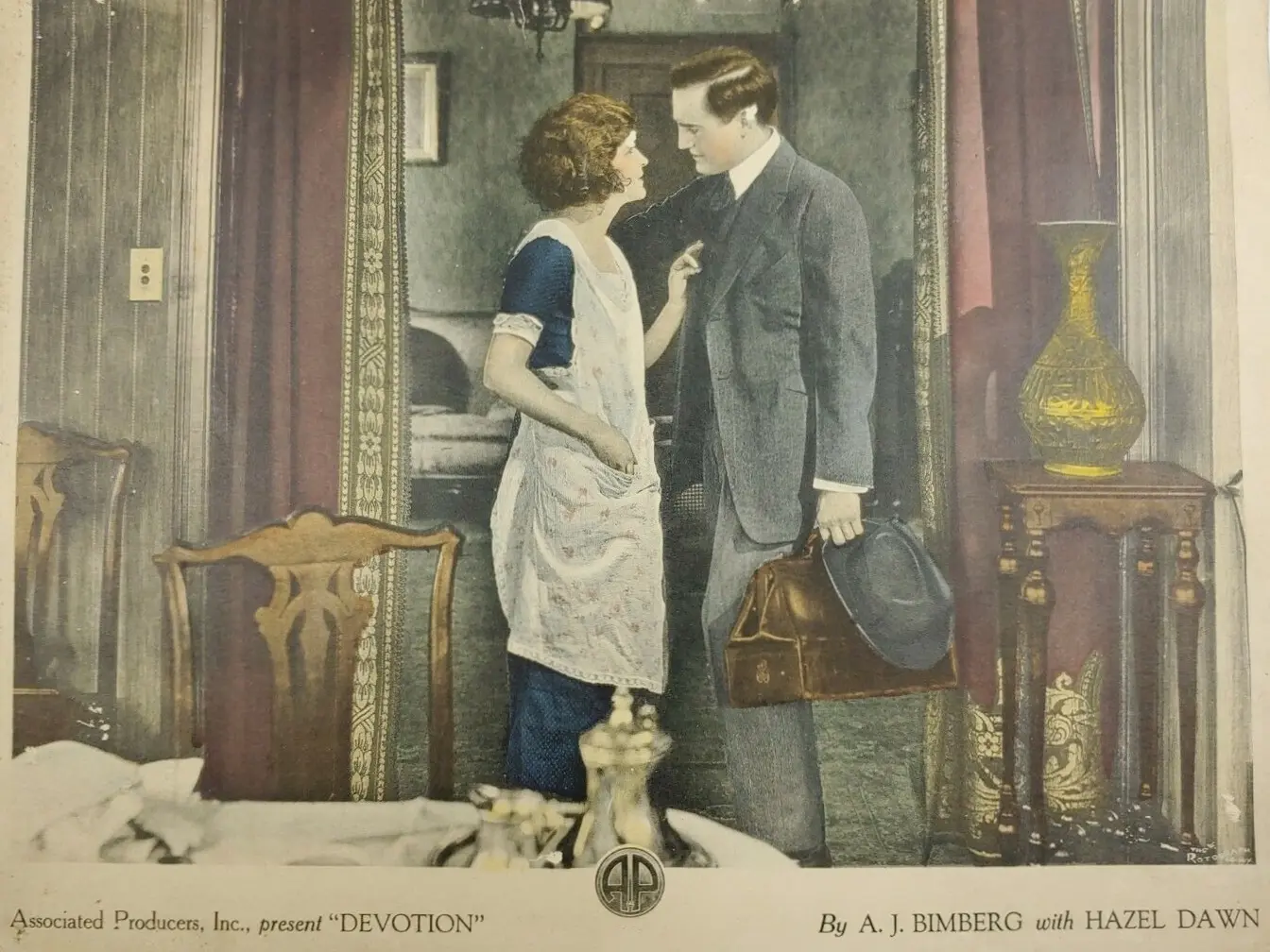
In Flame of Youth (1920), the 'rare beauty' of a Belgian peasant girl is exploited by an unscrupulous artist, Victor Fleming. This dynamic of innocence versus corruption, often set against a backdrop of European 'exoticism,' provided a melodramatic intensity that early audiences found intoxicating. These weren't just stories; they were warnings and fantasies rolled into one, creating a visceral connection that transcends the simple 'boy meets girl' formula of the mainstream.
The Documentary as Cult Artifact
While we often think of cult films as fictional narratives, the cult of the real is equally significant. Early documentaries and 'actuality' films captured a world that seemed increasingly alien as the century progressed. The Bear Hunt, showing Major Jack Allen capturing a bear with only a rope, or Dr. Mawson in the Antarctic, provided a window into the 'primal' and the 'extreme.' These films were the ancestors of the 'shockumentary' and the 'mondo' films of the 60s and 70s. They appealed to a sense of curiosity and voyeurism, placing the viewer in the role of an explorer of the unknown.
Even the depiction of indigenous cultures, as seen in Indian Life (1913), served as a complex artifact. While often filtered through a colonial lens, these documentaries preserved a visual record of communities that the mainstream was actively trying to marginalize. For the modern cult historian, these reels are sacred fragments of a lost world, offering a glimpse into the 'unseen' that the cult audience always craves.
The Gender Rebellion and the 'Matrimonial Martyr'
The role of women in early cult-adjacent cinema cannot be overstated. Before the 'Final Girl' of horror or the 'Femme Fatale' of noir, there were characters who challenged the domestic expectations of the era. The Matrimonial Martyr (1916) and A Wife on Trial (1917) explored the 'trial' of womanhood in a patriarchal society. Whether it was a librarian entertaining an invalid wife or a companion bearing a striking resemblance to a high-society socialite, these narratives utilized doubles, disguises, and social performance to critique the rigid structures of the time.
In Are Married Policemen Safe? (1921), the 'abbreviated clothes' of women become a catalyst for a crusade that ends with the law itself being 'captivated' by the captives. This blend of satire and sexuality is a hallmark of the cult sensibility—using humor to undermine authority and celebrate the 'transgressive' body. It’s a direct ancestor to the campy, gender-bending spectacles that would later define the cult landscape.
The Enduring Power of the Maverick Vision
What connects a 1917 short like A Penny Reward—featuring a clever monkey stealing a dollar to help a sick woman—to the modern cult classic? It is the maverick spirit. It is the willingness to be 'weird,' to be 'small,' and to focus on the 'marginal.' Whether it’s the 'Sweetie' character in The Cradle Buster (1922) asserting his independence through the 'unromantic' act of smoking, or the heroic struggle in Dla ciebie, Polsko (1920) against 'savage Bolsheviks,' these films were born from a need to express a specific, often localized or niche perspective.
Even the 'mystery' genre found its early cult footing in films like The Blue Mountains Mystery (1921) or The Blue Envelope Mystery (1916). These stories, often involving 'disapproved' lovers or sudden descents into poverty, used suspense and social anxiety to create a 'hook' that kept audiences coming back. The 'mystery' wasn't just about who committed the crime, but about how the individual survives in a world that is constantly shifting beneath their feet.
Conclusion: The Unbroken Thread of Obsession
Cult cinema is not a modern invention; it is a perpetual state of being for films that exist outside the 'safe' boundaries of the blockbuster. By revisiting the 'misfit' reels of the silent era—from the 'vamp' propositions in Red and White Roses (1913) to the 'playboy' who heads west to prove his manhood in All Man (1916)—we see the foundational bricks of a counter-culture. These films offered a sanctuary for the strange and a platform for the 'outcast.' They proved that a film doesn't need a massive budget or universal acclaim to survive; it only needs a dedicated congregation of viewers who recognize the beauty in its 'flickering rebellion.'
As we continue to navigate the digital age of cinema, the lesson of the early 20th-century mavericks remains clear: the most enduring stories are often the ones that were never meant to be 'for everyone.' They are the ones that speak to the 'neighbor' we were told to avoid, the 'neighbor' who, through the magic of the celluloid, becomes our most trusted guide into the magnificent unknown.
Community
Comments
Log in to comment.
Loading comments…