
Cult Cinema
The Midnight Meridian: Navigating the Subversive Latitudes of Early Cinema's Genre Outcasts
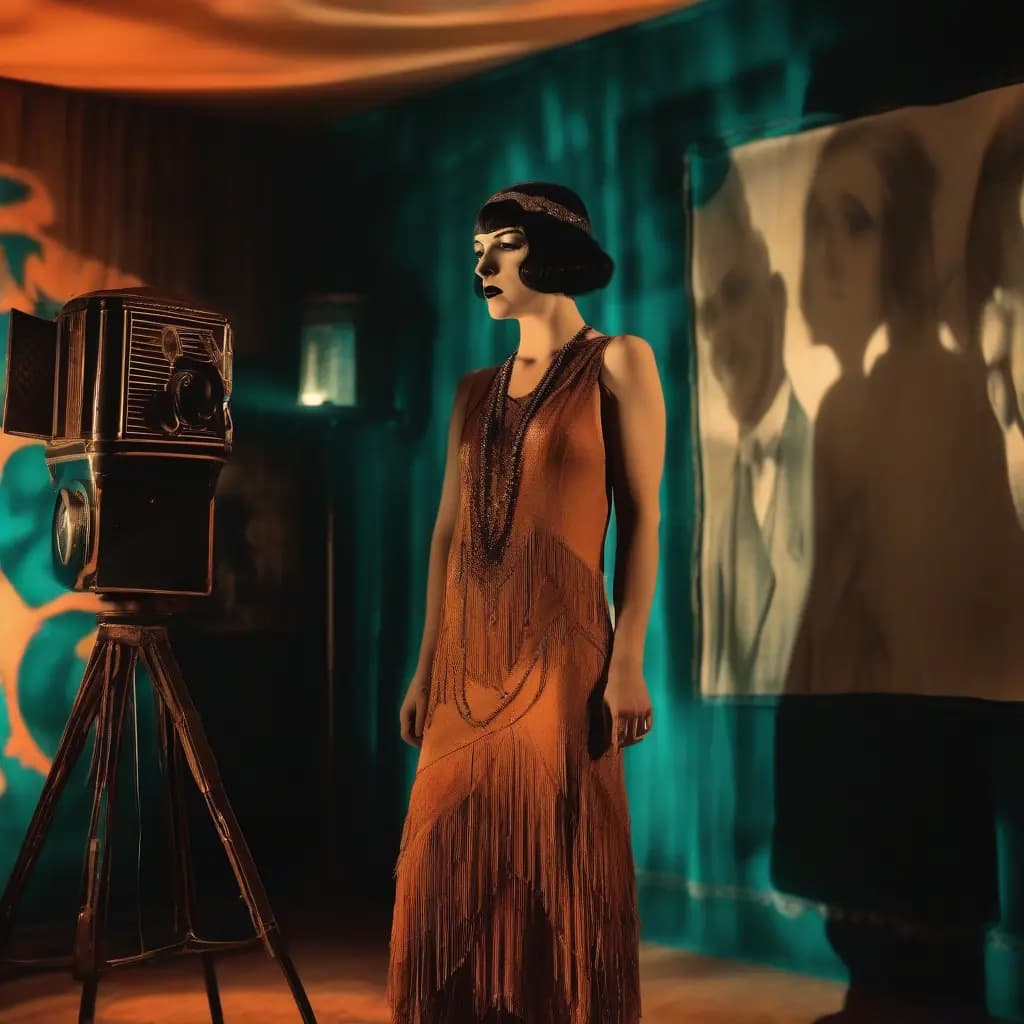
“A deep dive into how the silent era's most daring experiments and genre-defying narratives laid the groundwork for modern cult devotion.”
Long before the term "cult film" was coined in the velvet-lined seats of 1970s midnight screenings, a restless energy was already vibrating through the celluloid of the silent era. This was the Midnight Meridian—a conceptual space where the mainstream met the macabre, and where narrative experimentation defied the rigid expectations of early audiences. To understand the modern cult obsession, we must look back at the genre outcasts of the early 20th century, from 1913 to 1922, where the DNA of cinematic rebellion was first encoded.
The Psychic Fringe and the Birth of the Weird
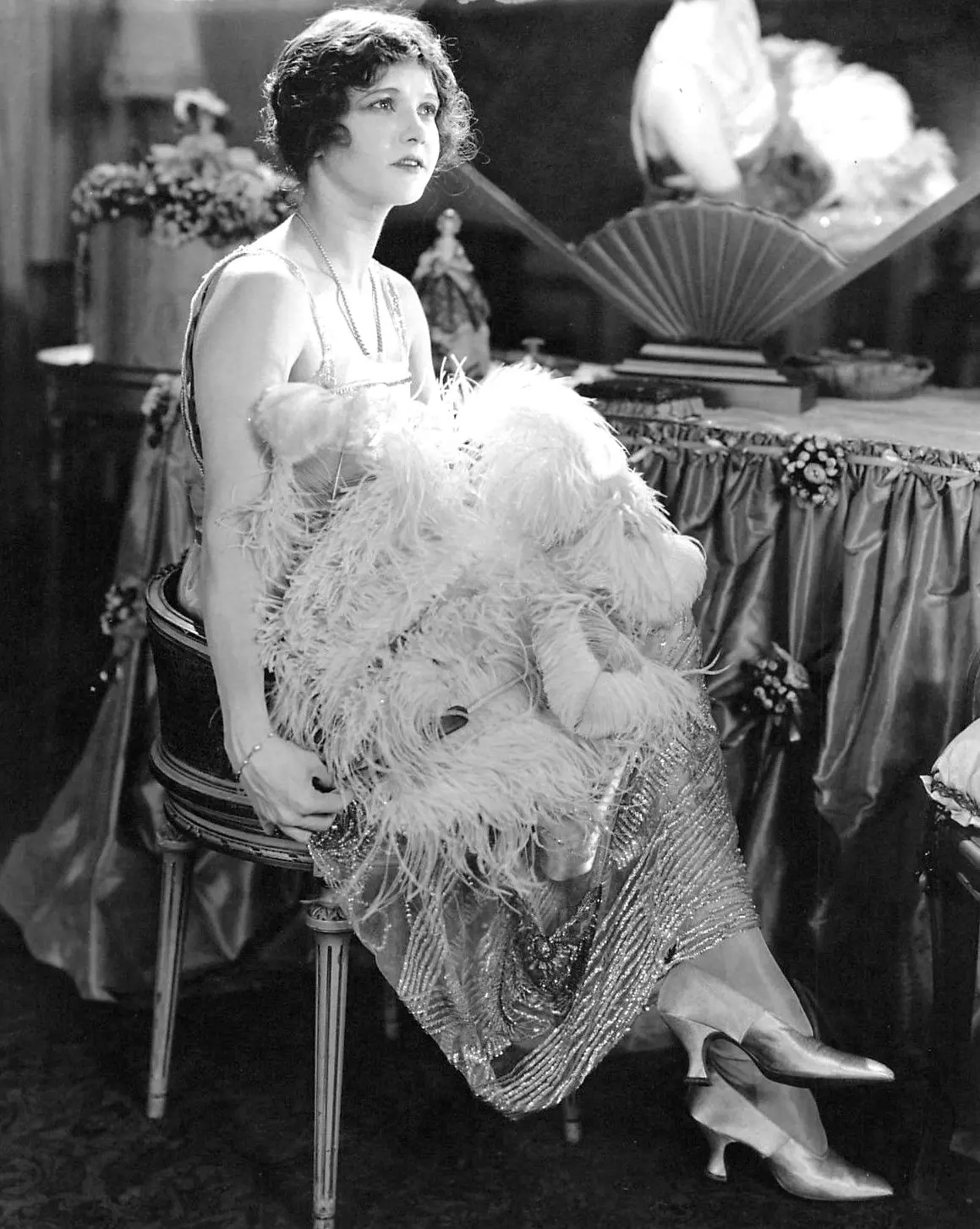
One of the primary hallmarks of cult cinema is its fascination with the uncanny and the unexplained. In the early 1920s, films like The Witching Hour (1921) began to explore the boundaries of human consciousness. Jack Brookfield, a gentleman gambler who discovers he possesses remarkable psychic powers, was not just a character; he was a precursor to the telepathic anti-heroes of later decades. This exploration of intuition and the supernatural offered a sharp contrast to the more grounded melodramas of the time.
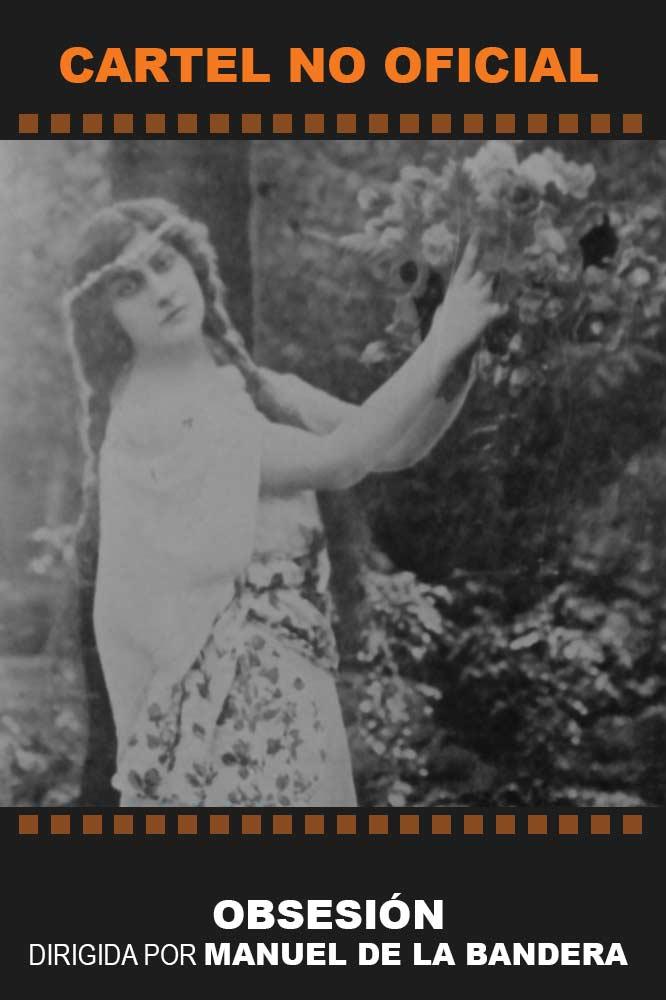
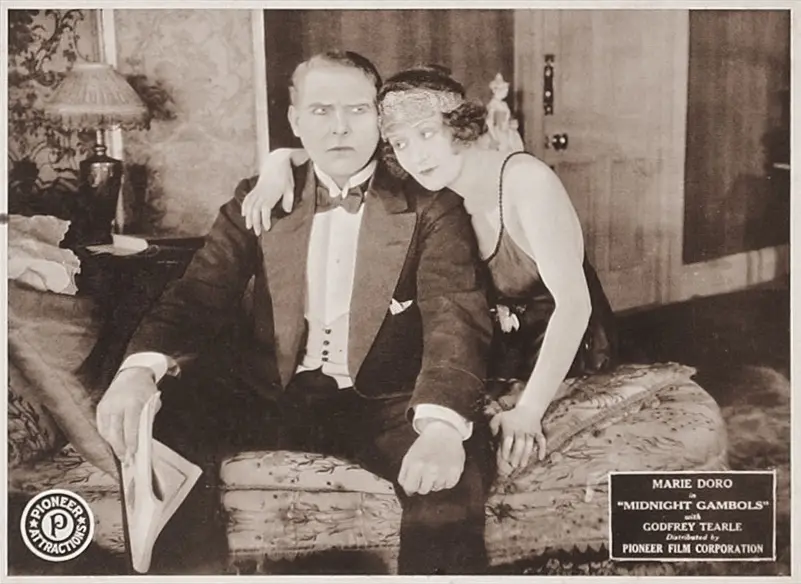
Similarly, Midnight Gambols (1919) introduced audiences to the concept of psychological trauma manifesting as strange trances. By centering a story on the daughter of a forger who slips into fugue states, the film tapped into a primal anxiety that would later become a staple of cult horror. These films weren't just entertainment; they were esoteric rituals that invited the audience to question the nature of reality. The cult of the "weird" finds its roots in these flickering shadows, where the mind's eye was given more weight than the physical world.
Duality and the Shadow Self
No discussion of early cult cinema is complete without mentioning the ultimate archetype of duality: Dr. Jekyll and Mr. Hyde (1920). While the story was already a literary classic, its cinematic treatment allowed for a visual exploration of the "hidden, dark side of man." This narrative of releasing a murderer from within oneself is the foundation of the transgressive cinema that cult fans adore. It challenges the viewer to confront their own latent darkness, a theme that resonates through the history of the midnight movie.
Social Mutiny: The Rebellion of the Modern Woman
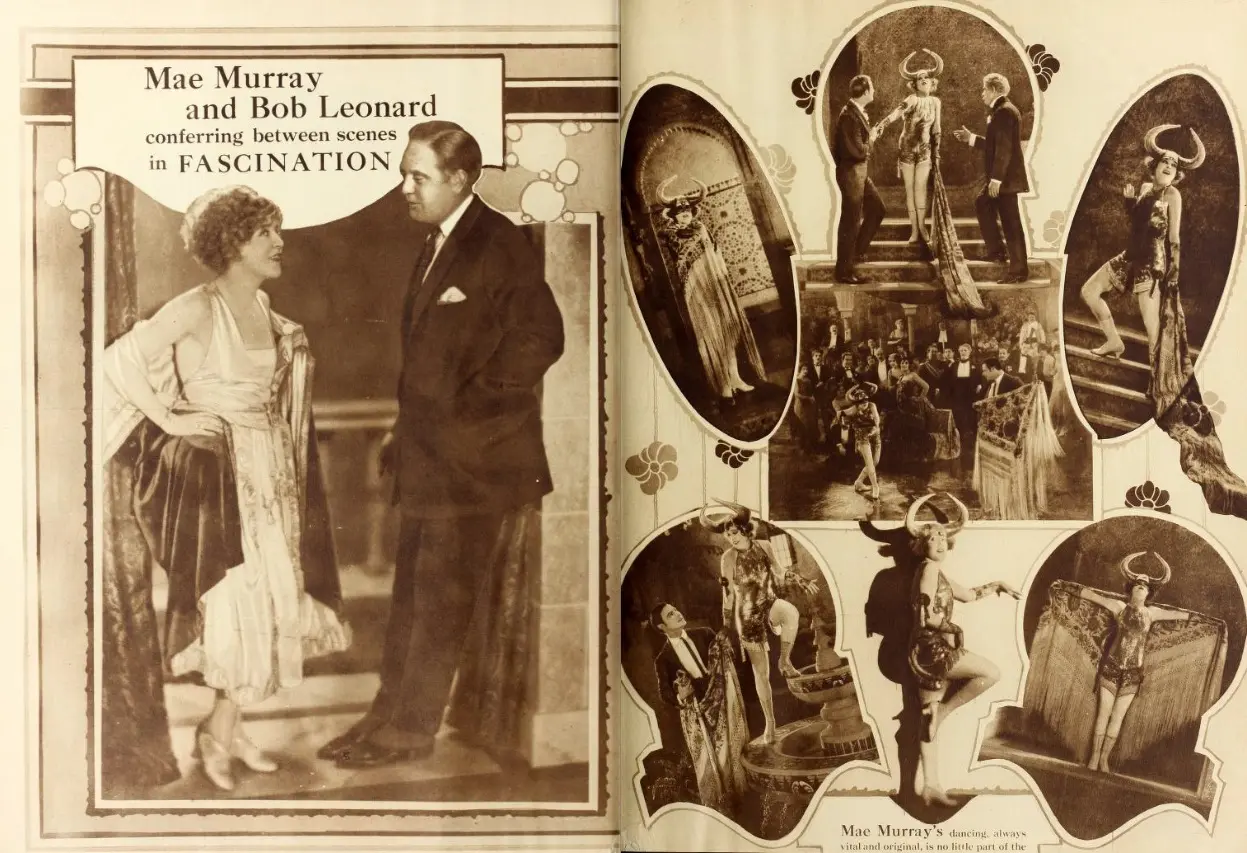
Cult cinema often thrives on the spirit of rebellion, particularly against the domestic and societal constraints of the era. In The Lesson (1917), we see Helen Drayton, a woman who rebels against the assumption that she will marry the "safe" choice, Chet Vernon. Her desire to experience the world outside her small town is a proto-feminist spark that would eventually ignite the fire of counter-culture cinema. This theme of the unruly woman is echoed in Madame Bo-Peep (1917), where Octavia, after rejecting her fiancé, must navigate the rugged life of a rancher. These characters were not passive damsels; they were the architects of their own destinies, much like the heroines of modern cult classics.
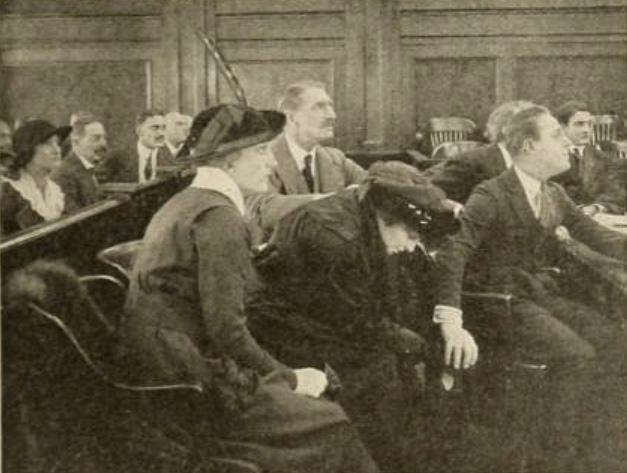
Even in the gritty urban landscapes of Just Around the Corner (1921), the struggle for independence is palpable. Essie’s job as a theater usher against her mother's wishes represents a break from tradition that would define the "youth rebellion" films of the 1950s and 60s. These early explorations of social friction provided the thematic bedrock for audiences who felt out of step with the status quo. When we watch What Becomes of the Children? (1918), we see the consequences of parental neglect and social climbing, a critique of the bourgeois lifestyle that remains a central pillar of the cult ethos.
The Meta-Narrative: Parody and Genre Deconstruction
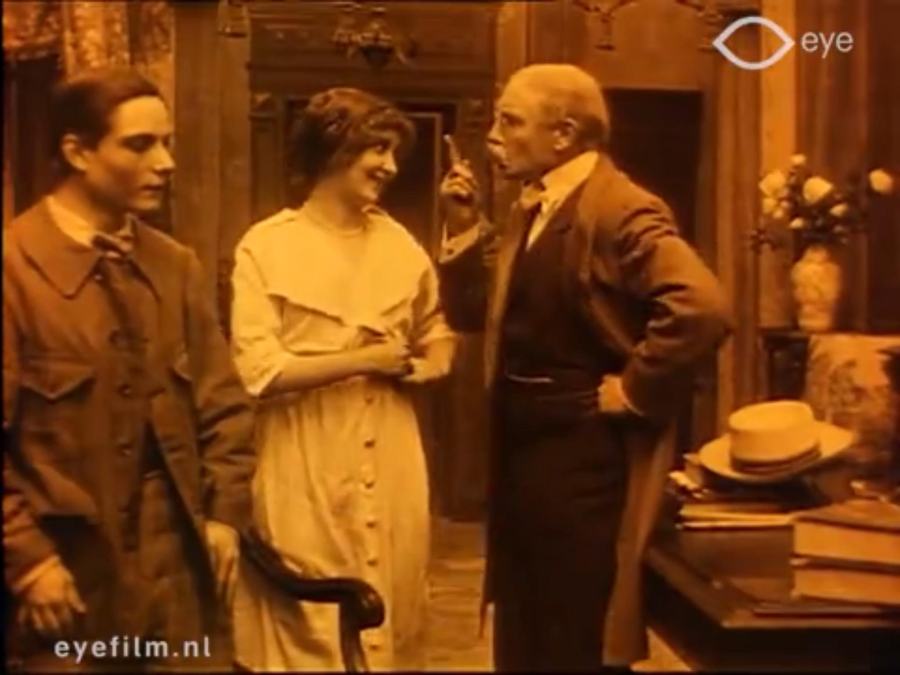
A defining characteristic of the cult mindset is the ability to look at cinema with a wink and a nod. The Frozen North (1922), starring Buster Keaton, is a masterclass in early genre parody. By bumbling through a satire of the "serious" Western melodramas of the time, Keaton invented the meta-textual humor that would later define films like *The Rocky Horror Picture Show* or *Evil Dead II*. He wasn't just playing a character; he was playing with the very language of film.
This deconstruction is also evident in A Connecticut Yankee in King Arthur's Court (1921). By blending the fantasy of the medieval past with the modern sensibilities of the 1920s, the film created a surreal, anachronistic experience that appealed to the adventurous viewer. It broke the "fourth wall" of historical accuracy, much like the cult films of today that blend genres with reckless abandon. Whether it’s the slapstick of Don't Play Hookey (1919) or the self-referential humor in Barbershop Gossip (1918), these films acknowledged the audience's awareness of cinematic tropes, fostering a community of "insiders" who appreciated the subversion.
The Underworld and the Outlaw
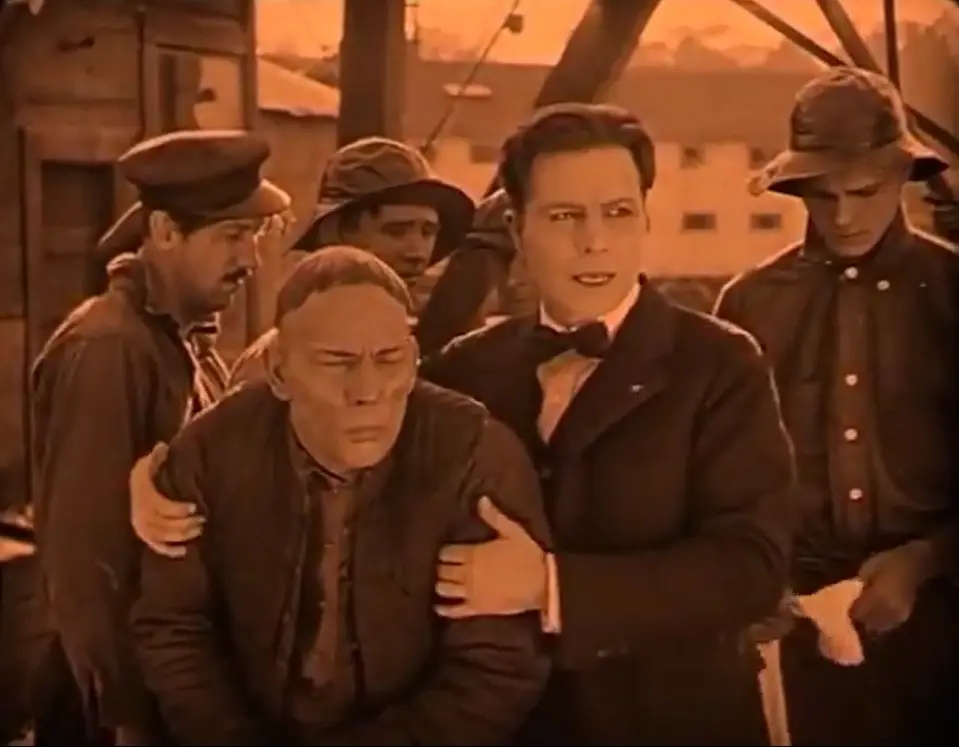
The fascination with the criminal element is another cornerstone of cult devotion. Lights Out (1923) takes this a step further by having notorious crooks like "Hairpin" Annie find a suitcase of scenarios and decide to write their own underworld screenplay. This meta-commentary on the crime genre allowed the audience to sympathize with the "bad guys," a recurring theme in cult cinema. The outlaw spirit is also present in The Jaguar's Claws (1917), where the bandit El Jaguar terrorizes the Mexican countryside, embodying the chaotic energy that cult audiences often find magnetic.
Gritty Realism and the Toil of the Human Spirit
While some cult films lean into the fantastic, others gain their following through a raw, unvarnished look at the human condition. The Toilers (1919) brings us into the Pennsylvania oil regions, focusing on the sacrifices made for education and social mobility. The grit and grime of the petroleum fields offer a visual texture that predates the noir aesthetic. Similarly, Mother o' Mine (1921) explores the pain of desertion and the search for identity in a cold, financial world. These narratives of the working-class struggle resonated with audiences who saw their own lives reflected in the celluloid struggles of Robert Sheldon or William Brett.
Even the documentary-style reels like Life of the Jews of Palestine (1913) or the travelogue On the Equator (1917) provided a window into worlds far removed from the average theater-goer's experience. This "otherness" is a key component of the cult allure—the desire to see the unseen and to witness the reality of the "fringe." Whether it was the struggle of the Shepherd of the Southern Cross or the historical weight of Torgus (1921), early cinema was already mapping the diverse latitudes of human experience.
The Danger of the Law
The tension between the individual and the law is a persistent theme in cult narratives. Beware of the Law (1922) and In the Name of the Law (1922) both explore the moral gray areas of justice. When a policeman's son is accused of theft, or a woodsman finds a wounded prohibition agent, the simple binary of "good vs. evil" is shattered. This moral complexity is what keeps cult films alive in the minds of viewers long after the credits roll. They don't offer easy answers; they offer uncomfortable questions.
Identity, Impersonation, and the Cult of the Mask
The idea of the "imposter" or the "impersonator" is a recurring motif that speaks to the cult obsession with identity. In Speed King (1923), Jimmy Martin is persuaded to impersonate a king, leading to a comedic yet thrilling exploration of class and power. This "masking" of the self is also found in Two Knights (1916) and Are You a Mason? (1915), where characters must navigate complex social webs through deception. Cult cinema loves a character who can fluidly move between identities, challenging the notion that we are only ever one thing.
The "shanghaied" son in The Kentucky Derby (1922) or the half-crazed "Ace" Hall in Dawn of Revenge (1922) are characters pushed to their absolute limits, forced to reinvent themselves in order to survive. This resilience of the outcast hero is perhaps the most enduring legacy of early cinema. It tells the viewer that even if you are discarded by society, even if you are sent on a Port of Doom (1913), there is a path to vengeance, or at the very least, a path to being seen.
Conclusion: The Permanent Midnight
The 50 films discussed here—from the slapstick of Hot Dogs (1920) to the high-stakes drama of The Vengeance Trail (1921)—represent more than just historical curiosities. They are the ancestral spirits of the modern cult phenomenon. They taught us how to worship the weird, how to celebrate the social deviant, and how to find beauty in the gritty reality of the fringe. As we look back through the Midnight Meridian, we see that the cult of the cinema has always been about more than just the movies themselves; it is about the community of misfits who gather in the dark to see their own rebel hearts reflected on the screen.
Whether it is the haunting trances of Midnight Gambols or the parodic brilliance of The Frozen North, these early genre experiments proved that cinema is at its most powerful when it dares to be different. The legacy of these silent-era outliers continues to haunt our modern obsessions, reminding us that the most enduring stories are often found just around the corner, in the shadows where the mainstream fears to tread.
Community
Comments
Log in to comment.
Loading comments…