
Cult Cinema
The Midnight Reliquary: Unmasking the Primal Deviance and Narrative Anarchy of Cinema’s Earliest Genre Rebels

“An exploration into the forgotten roots of cult cinema, tracing how early 20th-century anomalies and transgressive visions forged the blueprint for modern midnight movie devotion.”
To the modern cinephile, the term "cult cinema" conjures images of midnight screenings, costumed fans, and films that were either too strange for their time or too bold for the mainstream. We think of the 1970s and 80s as the golden era of the fringe, yet the genetic markers of this rebellion were etched into the celluloid long before the term "cult" was ever codified. The true Midnight Reliquary of cinema lies in the silent era and the early talkies—a period where narrative anarchy and primal deviance were not just artistic choices, but necessary experiments in a medium still defining its own boundaries.

The Genesis of the Cinematic Misfit
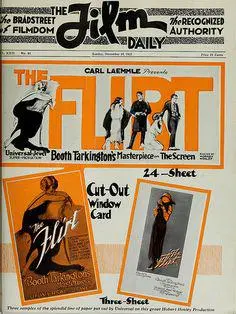
Before there was a standardized Hollywood formula, film was a wild frontier. Works like The Flirt (1917) showcased a type of social friction that would later become a staple of cult narratives. In it, Cora Madison represents the archetypal femme fatale in training, a young woman accustomed to dropping suitors at her feet until she meets her match. This fascination with the socially disruptive individual is the bedrock of cult appeal. We don't worship the hero; we worship the catalyst for chaos.
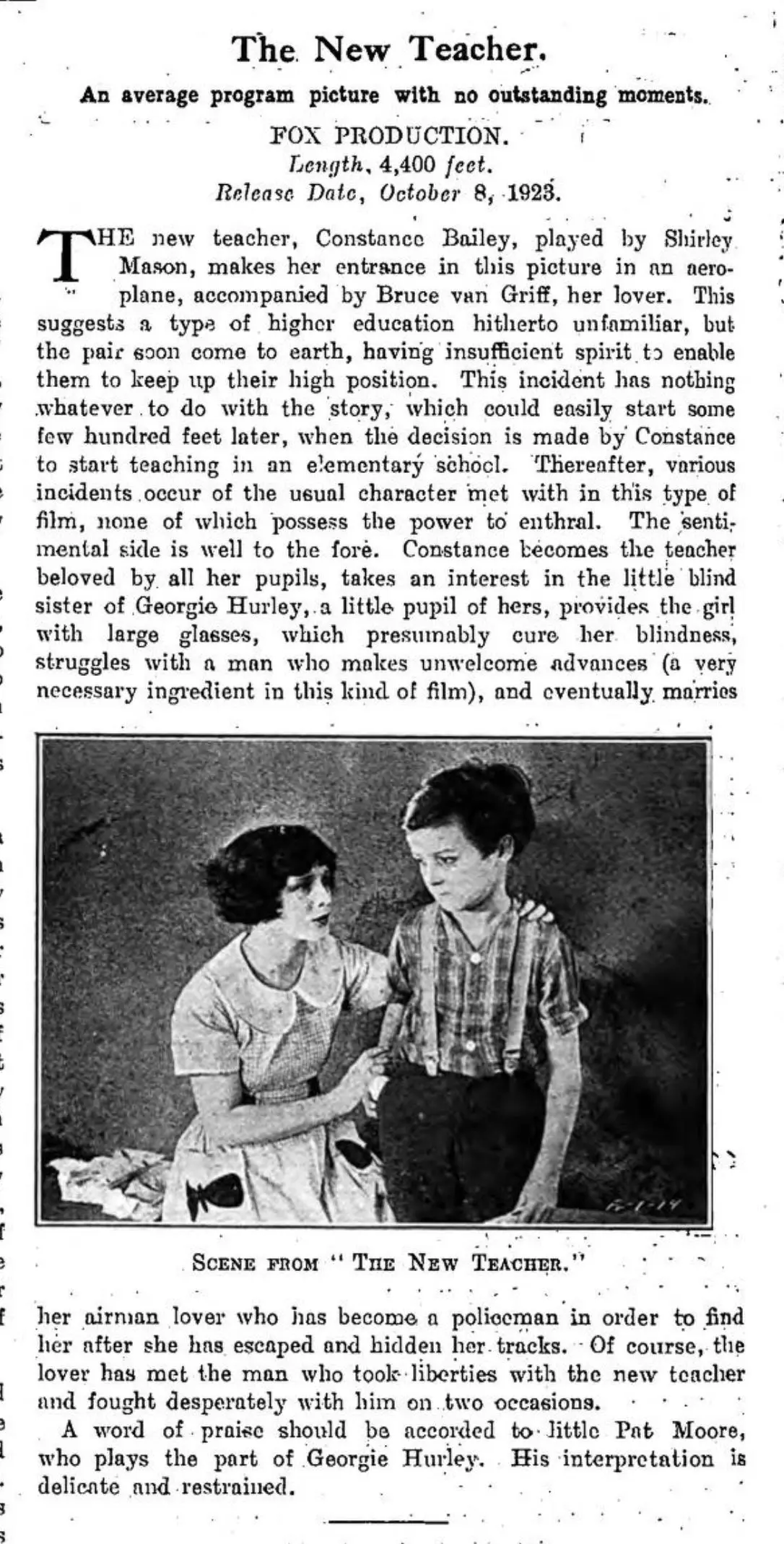
Similarly, The Fugitive (1916) and The New Teacher explored the displacement of the individual within rigid social structures. Whether it was a society girl becoming a schoolteacher in New York's Lower East Side or a sister caught in the machinations of a brokerage firm, these early films focused on the "outsider" perspective. This is the same impulse that drives us to champion the misunderstood protagonists of modern underground hits. The cult audience has always been a sanctuary for the displaced, and early cinema provided the first maps to those hidden territories.
Transgressive Rhythms: Addiction, Obsession, and the Macabre
If cult cinema is defined by its willingness to go where the mainstream fears to tread, then In the Power of Opium stands as a towering proto-cult monument. Long before the drug-fueled visions of the 1960s, this film delved into the darkness of addiction, following a banker who loses himself in the haze of narcotics. It is a primal scream of narrative deviance, exploring the disintegration of the self in a way that was both terrifying and hypnotic to early audiences. This fascination with the "darker" side of human experience is what fuels the obsessive devotion of niche fandoms.
The macabre and the strange also found a home in films like Az éjszaka rabja and The Bells. These works tapped into a collective anxiety, using the flickering light of the projector to manifest our deepest fears. When we look at the legacy of these films, we see the blueprint for the Gothic and horror cults that would follow. They understood that the screen was not just a window, but a mirror—often a distorted one that revealed the monsters lurking beneath the surface of polite society.
The Hungarian Connection and European Outliers
The global nature of early cult cinema cannot be overstated. From the Hungarian landscapes of A Falu rossza to the mysterious allure of Jó éjt, Muki!, international cinema provided a different texture of rebellion. These films often operated outside the moralistic constraints of American censorship, allowing for a raw, visceral quality that modern cultists find irresistible. IV. Károly király koronázása might seem like a simple documentary on the surface, but the way such historical artifacts are reclaimed by niche audiences as objects of obsession is a testament to the cult mindset. We find meaning in the fragments, in the specific, and in the forgotten.
Genre Mutations: From Melodrama to Moral Anarchy
The beauty of the early century was the lack of rigid genre boundaries. A film could be a romance, a drama, and a social critique all at once. Bolshevism on Trial is a perfect example of this genre mutation. It is a society melodrama that functions as a political cautionary tale, featuring a wealthy father who buys an island to prove to his son that communism is a failure. This kind of high-concept, almost absurd narrative premise is exactly what modern cult audiences gravitate toward—films that take an idea to its most extreme, illogical conclusion.
Then there is A Dumbwaiter Scandal, which offers a bizarre take on domestic life. The idea of taking a wife to a deserted island to live "cave-man style" as a cure for being henpecked is so far removed from contemporary sensibilities that it crosses into the realm of the surreal. Cult cinema thrives in this space of the "uncomfortable laugh" and the "bizarre concept." It challenges our notions of what is acceptable behavior, often by presenting the ridiculous as a viable solution to life's problems.
The Sacred and the Profane
Cult devotion often mimics religious fervor, and early cinema frequently played with these themes. From the Manger to the Cross provided a series of tableaus that invited a ritualistic viewing experience, while Comrade John explored the dangers of religious cults themselves. The irony is that the films documenting these spiritual journeys often became objects of worship themselves. The "Dream City" built by Prophet Stein in Comrade John is a metaphor for the cinematic experience itself—a fabricated world where the disenfranchised can find a sense of belonging, however temporary or dangerous it may be.
The Outlaw Archetype and the Reality of the Fringe
Perhaps the most direct link to the modern cult ethos is the fascination with the real-life outlaw. The Lady of the Dugout, featuring the actual outlaw Al Jennings, blurred the lines between fiction and reality in a way that prefigured the "true crime" cults of today. By having a real criminal tell a "real" story, the film invited the audience into a secret world of deviance. This proximity to danger is a key ingredient in the cult cocktail. We want to feel like we are seeing something we shouldn't, something that exists on the edges of the law.
This extends to the colonial and exoticized adventures of the era, such as Allan Quatermain and Eine weisse unter Kannibalen. While these films are often problematic through a modern lens, their status as "forbidden" or "politically incorrect" artifacts only increases their magnetism for certain niche collectors and historians. They represent a time when cinema was unfiltered, capturing the prejudices and wild imaginings of a world still being "discovered" by the Western eye.
Short-Form Surrealism: The Comedic Anomaly
We must also acknowledge the role of the short film in forging the cult identity. The Nutcrackers and A Rare Bird were bite-sized bursts of absurdity. In an age of long-form epics, these shorts provided a quick hit of the unconventional. They were the experimental B-sides of their day, often featuring physical comedy that bordered on the grotesque or the impossible. This tradition of the "weird short" lives on in the experimental film festivals and midnight anthology screenings that keep the cult spirit alive today.
Conclusion: The Eternal Flicker of the Rebel Soul
The 50 films that haunt the archives of the early 20th century—from the romantic entanglements of The Affairs of Anatol to the allegorical depth of Man and His Soul—are not merely historical footnotes. They are the primary sources of our modern obsession with the fringe. They taught us how to look at the screen and see something other than a hero; they taught us to look for the outlier, the addict, the outlaw, and the dreamer.
Cult cinema is not a genre; it is a way of seeing. It is the act of reclaiming the "lost" like The Broken Butterfly or finding beauty in the poverty of The Diamond Necklace. It is the recognition that the most interesting stories are often the ones that were never meant to be told to a wide audience. As we continue to dig through the Midnight Reliquary of our cinematic past, we find that the shadows of the silent era are still speaking to us, whispering the secrets of a rebellion that will never truly die. The transgressive rhythms of the past are the heartbeat of the future's next great cult obsession.
Whether it is the socialite seeking a better relation in The Affairs of Anatol or the naive inventor being robbed in The Golden Fleece, these narratives of failure, desire, and displacement resonate because they are fundamentally human. Cult cinema doesn't ask us to be perfect; it asks us to be honest about our weirdness. And in the flickering light of these early masterpieces, we find a community of misfits that has been waiting for us for over a century.
Community
Comments
Log in to comment.
Loading comments…