
Cult Cinema
The Neon Afterlife: How Early Cinema’s Genre Anomalies Cultivated a Century of Obsession
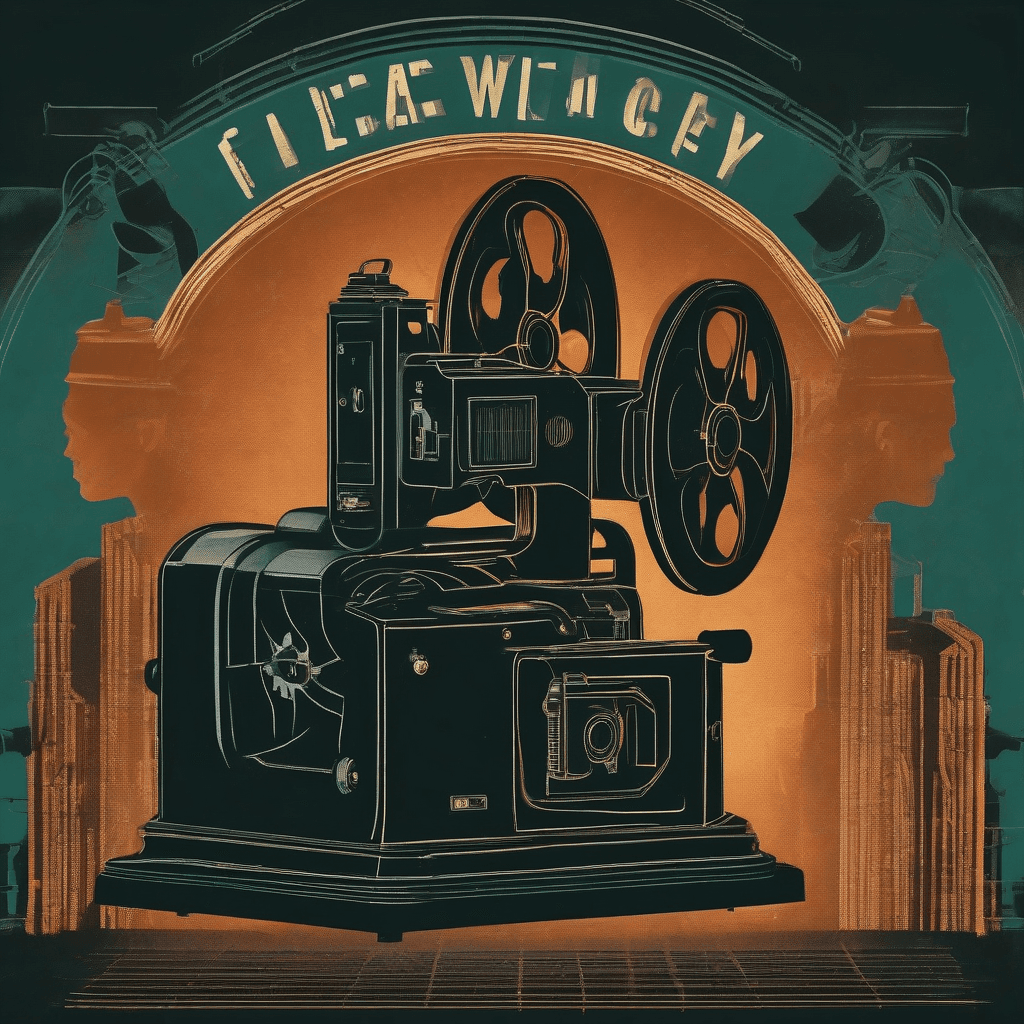
“An exploration of how the forgotten misfits and transgressive narratives of early 20th-century film laid the foundational DNA for modern cult cinema worship.”
The Myth of the Modern Cult: Returning to the Source
When we think of cult cinema, the mind often drifts to the midnight movie craze of the 1970s—the leather-clad rebels, the psychedelic visuals, and the transgressive humor of the post-studio era. However, the true architecture of the cult mindset was drafted long before the advent of the blockbuster. It was forged in the nitrate flickers of the 1910s and 20s, in films that dared to deviate from the nascent Hollywood formula. These were the genre anomalies, the misfit narratives that prioritized raw emotion, social subversion, and stylistic experimentation over mass-market palatability. To understand the modern obsession with the fringe, we must look back at the cinematic outcasts that first broke the rules.
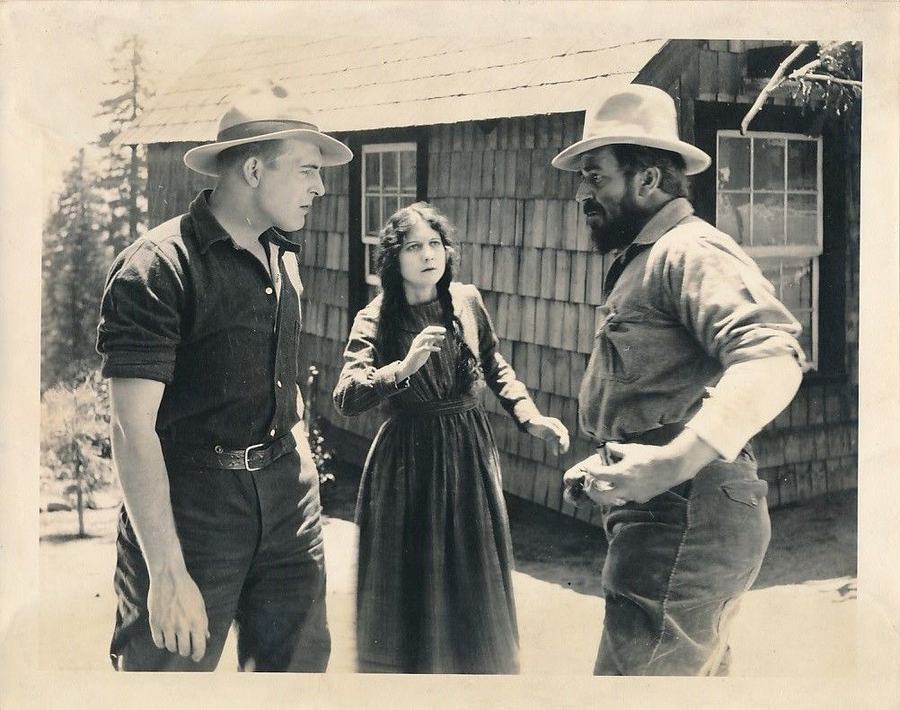
The Architecture of Empathy: The Marginalized Hero
One of the primary hallmarks of a cult classic is its ability to find beauty in the overlooked. In 1915, The Italian presented a stark, uncompromising look at the immigrant experience in New York City. While mainstream cinema often leaned toward sanitized rags-to-riches stories, this film’s focus on the harsh realities of the slums and the destruction of hope resonated with a specific type of viewer—those who felt the weight of the system themselves. Similarly, The Fifth Wheel (1918) explored the lives of the disenfranchised, focusing on a coachman discharged for drunkenness and the cold reality of life in Madison Square. These films didn't offer the easy escapism of the era; they offered a subversive mirror. This focus on the social outcast laid the groundwork for the anti-heroes of later decades, proving that a film could build a devoted following by simply acknowledging the pain of the "unseen" population.
Transgressive Morality and the Pre-Code Chaos
Before the strictures of the Hays Code fully took hold, cinema was a wild frontier of moral ambiguity. Films like Manslaughter (1922) by Cecil B. DeMille utilized the spectacle of excess to critique the very society that consumed it. By depicting a thrill-seeking society girl whose negligence leads to death, the film tapped into a primal fascination with the downfall of the elite. This narrative anarchy is a key ingredient in cult devotion. When a film like The Secret Orchard (1915) pulls back the curtain on the "night life" of Paris and the clinking of wine glasses behind closed doors, it invites the audience into a forbidden world. Cult films thrive on this sense of the "forbidden," offering a glimpse into lives that conventional society deems improper or scandalous.

Gender Subversion: The Tomboy and the Maverick
Long before the feminist waves of the late 20th century, early cinema was experimenting with gender roles in ways that still feel radical. Nugget Nell (1919), featuring the tomboyish Dorothy Gish, and The Stampede (1921), starring Tex Henderson as a Western woman who excels at horse riding to the point of being called "too mannish," provided a different kind of icon. These characters weren't the damsels in distress found in typical Victorian melodramas; they were mavericks. For audiences who didn't fit the gendered molds of the time, these films became essential viewing. The cult appeal of M'Liss (1918), with its feisty mining camp protagonist, lies in its refusal to let its heroine be silenced. This tradition of the "rebel woman" is a straight line from the silent era to the grindhouse heroines of the 70s.

The Absurd and the Avant-Garde: Early Comedy as Rebellion
Cult cinema is often synonymous with the strange, the camp, and the surreal. This lineage can be traced back to the comedic shorts that played with the very medium of film. When Dr. Quackell Did Hide (1920) offered a comedic, almost parodic take on the Jekyll and Hyde myth, showcasing an early appetite for genre deconstruction. Meanwhile, Weak Hearts and Wild Lions (1916) utilized circus aesthetics and physical absurdity to create a sense of manic energy that would later define the works of directors like John Waters. These films didn't just aim for laughs; they aimed for a sense of the "uncanny." Even the simple, repetitive frustration found in Playing Possum (1918)—where a man tries every method imaginable to end his life after a tiff with his wife—speaks to a dark, absurdist humor that remains a staple of the cinematic underground.
Narrative Dissidence: The Power of the Unconventional Plot
Why do we return to films like The Great Impersonation (1921) or The Invisible Power (1921)? It is because they refuse to follow a linear, predictable path. The Great Impersonation, with its themes of identity, espionage, and the creeping shadow of war, creates a sense of dread that is purely atmospheric—a precursor to the noir and psychological thrillers that maintain cult status today. The Invisible Power focuses on an ex-convict’s struggle for redemption, a theme that resonates with the cult ethos of the "second chance." These stories are often messy and complex, much like The Black Butterfly (1916), which weaves a tale of opera singers, affairs, and pining lovers into a tapestry of tragic melodrama. Cult audiences don't want perfection; they want intensity.
Socio-Political Friction and the Birth of the Fringe
Many early films served as accidental political manifestos. The Climbers (1919) and Men, Women, and Money (1919) explored the corrosive nature of wealth and the desperation of the social climber. These films resonated with the working-class audiences of the time, creating a niche worship around stories that validated their skepticism of the upper class. In The Sky Hunters (1922), we see the leader of a band of moonshiners and thieves vowing to raise his daughter as a boy—a narrative that combines crime, gender politics, and survivalism into a potent brew. This is the genetic rebellion of cinema; the moment where the medium stops being a novelty and starts being a weapon of subversion.
International Echoes: The Global Cult Connection
The cult phenomenon was never limited to Hollywood. European entries like Der Märtyrer seines Herzens (1918), which biographically traced the life of Beethoven, or the Hungarian A skorpió I. (1918), brought a different stylistic flavor to the table. German expressionism and European romanticism, seen in films like Das rosa Pantöffelchen (1917) and Im Banne des Andern (1920), introduced a visual language of shadows and distorted perspectives. These films were the "imports" that first sparked the curiosity of the global cinephile. They proved that the cult of the unorthodox was a universal language, one that could bridge the gap between a Neapolitan girl in The Ghost Flower (1918) and a London shop girl in Simple Souls (1919).
Conclusion: The Eternal Flame of the Fringe
The 50 films mentioned here—from the gritty realism of The Italian to the comedic subversion of When Dr. Quackell Did Hide—are more than just historical footnotes. They are the primordial soup of cult cinema. They taught us that a movie doesn't need a massive marketing budget or a happy ending to survive; it only needs to speak to the soul of the misfit. Whether it’s the tragic beauty of I Love You (1918) or the high-stakes drama of Across the Pacific (1914), these films established a legacy of narrative dissidence. As we continue to dig through the archives, we find that the spirit of the midnight movie was always there, flickering in the dark, waiting for a tribe of devoted disciples to find it. The cult isn't a modern invention; it is an ancient, flickering flame that refuses to be extinguished.
Community
Comments
Log in to comment.
Loading comments…