
Cult Cinema
The Neon Grimoire: Unveiling the Arcane Roots of Cult Cinema’s Silent Era Rebellion
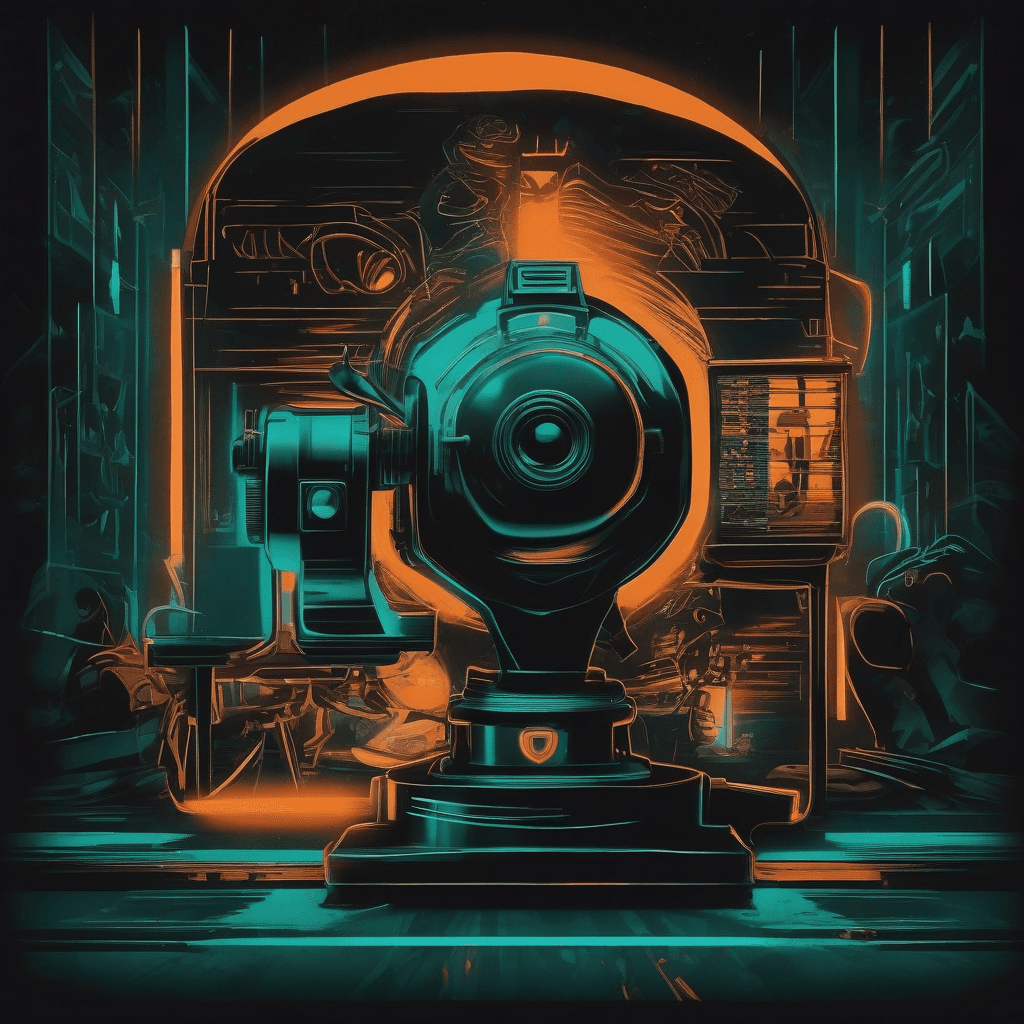
“Explore how the transgressive themes and narrative anomalies of the silent era laid the foundation for modern cult cinema and obsessive fandom.”
To understand the modern midnight movie, one must first descend into the flickering shadows of the early 20th century. While contemporary critics often view cult cinema as a product of the 1970s counter-culture, the DNA of the deviant, the strange, and the obsessively adored was actually spliced during the silent era. This was a time when the rules of narrative were still being etched into stone, and the cracks in that stone allowed for the birth of the Celluloid Outlaw. From the masked masterminds of French serials to the moral quagmires of the American desert, early cinema was a breeding ground for the unconventional.
The Architecture of the Unusual: Defining the Proto-Cult
What defines a cult film? It is not merely a lack of commercial success, nor is it simply a niche genre. It is a transformative relationship between the viewer and the screen—a ritual of repeated viewing, a shared language of symbols, and a devotion to the marginalized. In the silent era, this devotion was born from necessity. Films like The Ghost Breaker (1914) offered audiences more than just a story; they offered a labyrinth of secret compartments and hidden treasures, much like the Aragon family jewels. These narratives invited the viewer to look closer, to decode the screen, creating an early form of the interactive fandom we see today in modern cult circles.
The silent era was inherently surreal. Without the grounding force of synchronized dialogue, the image reigned supreme. This visual dominance allowed for a heightened sense of the uncanny. When we look at a film like Mästerman, we are confronted with a protagonist who is not a hero, but a widely despised pawnbroker. This focus on the merciless and the cruel—the social pariah—is a foundational pillar of the cult aesthetic. Cult cinema thrives on the anti-hero, the character who exists outside the polite boundaries of society, forcing the audience to find empathy in the most unlikely of places.
Criminal Masterminds and the Pulp Aesthetic
The rise of the cinematic criminal in the early 1910s provided the first true template for the cult icon. Consider the enduring magnetism of Fantomas: The Mysterious Finger Print. Here, the line between law and chaos is blurred to the point of erasure. When Inspector Juve is suspected of being the very criminal he hunts, the narrative enters a state of ontological instability. This is the hallmark of cult cinema: a world where nothing is as it seems, and the authority figures are just as compromised as the villains. The press and the public within the film reflect the real-world audience's fascination with the mastermind, a figure who operates with a transgressive logic that defies the mundane.
Similarly, the rivalry in Zigomar contre Nick Carter showcased the pulp sensibilities that would later define the grindhouse era. Nick Carter, the detective, must navigate a world of thorny situations and narrow escapes, aided by the enigmatic Olga. This interplay of archetypes—the detective, the femme fatale, the masked villain—created a visual shorthand that fans could return to again and again. These films weren't just entertainment; they were mythological cycles for the modern age, laying the groundwork for the obsessive cataloging and theory-crafting that defines contemporary cult communities.
The Vamp and the Moral Mutant
Cult cinema has always been obsessed with the feminine and the transgressive. The figure of the "Vamp" emerged as a powerful, albeit controversial, icon of early film. In Betty, the Vamp, we see the comedic deconstruction of this archetype, but the underlying power remains. The Vamp represented a threat to the status quo, a woman who used her sexuality as a weapon. This theme of feminine power and its social consequences is further explored in Passion Flower, where a stepdaughter’s marriage leads to a spiral of murder and tragedy. These are not the sanitized stories of the mainstream; they are moral quagmires that challenge the viewer's sensibilities.
In Saint, Devil and Woman, we see the transformation of a convent-raised girl into a threat to society under a dark influence. This trajectory—from purity to corruption—is a recurring motif in cult cinema, particularly in the subgenres of exploitation and horror. The fascination lies in the metamorphosis. Cult fans are drawn to the moment of change, the point where a character sheds their societal skin to reveal something primal and dangerous. This narrative arc mirrors the experience of the cult viewer, who often feels like an outsider undergoing their own transformation through the act of watching.
The Technological Uncanny: From Inventions to Apparitions
Early cinema's obsession with technology often veered into the realm of the fantastic, providing a precursor to the sci-fi cult classics of the 1950s. Old Dutch features a protagonist who invents the "teloptophone," a device that bridges the gap between sight and sound. This fascination with the technological uncanny—the idea that our inventions might reveal more than we intended—is a staple of the genre. It reflects a deep-seated anxiety about the modern world, a theme that resonates through films like Videodrome or Blade Runner.
This sense of the fantastic is also present in Kaksen på Øverland, where the beautiful landscapes of Telemark become a backdrop for a story involving fiddle players, rich farms, and mysterious deaths. The blend of fantasy, drama, and crime creates a unique atmospheric cocktail that defies easy categorization. Cult cinema thrives in these liminal spaces, where genres bleed into one another and the logic of the dreamworld takes over. The death of the father in the film serves as a catalyst for a journey into the unknown, much like the way a cult film acts as a gateway for the audience into a different reality.
The Desert as a Moral Crucible
The American West provided a stark, minimalist landscape for early filmmakers to explore themes of greed, isolation, and redemption. In The Aryan, Denton’s journey into Yellow Ridge with a money-belt full of gold becomes a study in human frailty. The desert is not just a setting; it is a character—a silent observer of the gamblers' covetousness and Denton's struggle. This focus on the harshness of the environment and the ambiguity of the characters' motives prefigures the cynical tone of the Spaghetti Western, a genre that enjoys a massive cult following.
The idea of the "outlaw" in the desert is further complicated by films like A Debtor to the Law, which focuses on a bank robbery and a failed escape. The inclusion of a teenager, Paul Curry, as the one who wounds the protagonist, adds a layer of tragic irony. Cult cinema often highlights the futility of the struggle against fate or the law. These films do not offer easy happy endings; they offer the cold, hard truth of the human condition, wrapped in the aesthetic of the fringe.
The Shared Ritual of the Silent Screen
Perhaps the most significant contribution of the silent era to the cult phenomenon was the creation of a communal viewing experience. Before the age of the multiplex, cinema was an event. Films like One Hundred Years of Mormonism or The Pageant of San Francisco were massive undertakings that sought to capture the history and soul of a people. They were spectacles that demanded attention and invited collective reflection. This sense of the "event" is what modern cult cinema strives to replicate through midnight screenings and fan conventions.
Even shorter, comedic works like I Do or All Lit Up contributed to this culture. The recurring characters—the park dandy, the harried newlywed—became familiar friends to the audience. This familiarity bred a specific kind of devotion. Fans didn't just watch these films; they lived with them. They learned the rhythms of the slapstick, the timing of the visual gag, and the nuances of the actors' expressions. This intimacy with the image is the bedrock of cult fandom.
Conclusion: The Eternal Flicker of the Fringe
The films of the silent era may seem distant, but their influence is felt in every frame of modern cult cinema. They taught us how to love the monster, how to root for the outlaw, and how to find beauty in the bizarre. Whether it is the mystery of The Great Bradley Mystery or the social commentary of The Town That Forgot God, these early works pushed the boundaries of what was acceptable on screen. They were the original transgressive acts, the first flickers of a fire that continues to burn in the hearts of cinephiles everywhere.
As we look back at the Neon Grimoire of early film, we see not just a collection of old reels, but a roadmap of human obsession. The cult film is a testament to our desire for something more than the mainstream—a craving for the strange, the difficult, and the divine. In the silent shadows of the past, we find the vibrant, rebellious soul of the future. The cult lives on, not in spite of its age, but because of the timeless, universal truths hidden within its unconventional narratives. We continue to gather in the dark, waiting for the projector to reveal the next secret, the next treasure, and the next icon of the celluloid fringe.
Community
Comments
Log in to comment.
Loading comments…