
Cult Cinema
The Neon Relic: Decoding the Genetic Rebellion and Maverick Soul of Cinema's First Century of Forgotten Gems

“Explore the hidden origins of cult cinema through the lens of early 20th-century anomalies that defied convention and birthed a century of obsessive fandom.”
The history of cinema is often written by the victors—the blockbusters that shattered box office records and the prestige dramas that swept the awards circuits. However, beneath the polished surface of the mainstream lies a jagged, vibrant, and utterly defiant landscape known as cult cinema. While many modern critics trace the origins of the cult phenomenon to the midnight movie craze of the 1970s, the true genetic code of cinematic rebellion was written much earlier. To understand the obsessive devotion and transgressive spirit of the cult film, we must look back to the silent era and the early talkies, where films like Opus II and The Iced Bullet first began to challenge the boundaries of narrative and visual expectation.

The Genesis of the Cinematic Anomaly
Cult cinema is defined by its relationship with its audience. It is not merely a genre, but a state of mind—a shared recognition between the filmmaker and the viewer that the world on screen does not fit within the prescribed boxes of polite society. In the early 20th century, the film industry was a Wild West of experimentation. Without the rigid structures of the Hays Code or the formulaic demands of modern franchise filmmaking, directors were free to explore the surreal, the abstract, and the morally ambiguous. This era produced what we might call "neon relics": films that glow with a strange, internal light, long after they were supposedly forgotten by the masses.
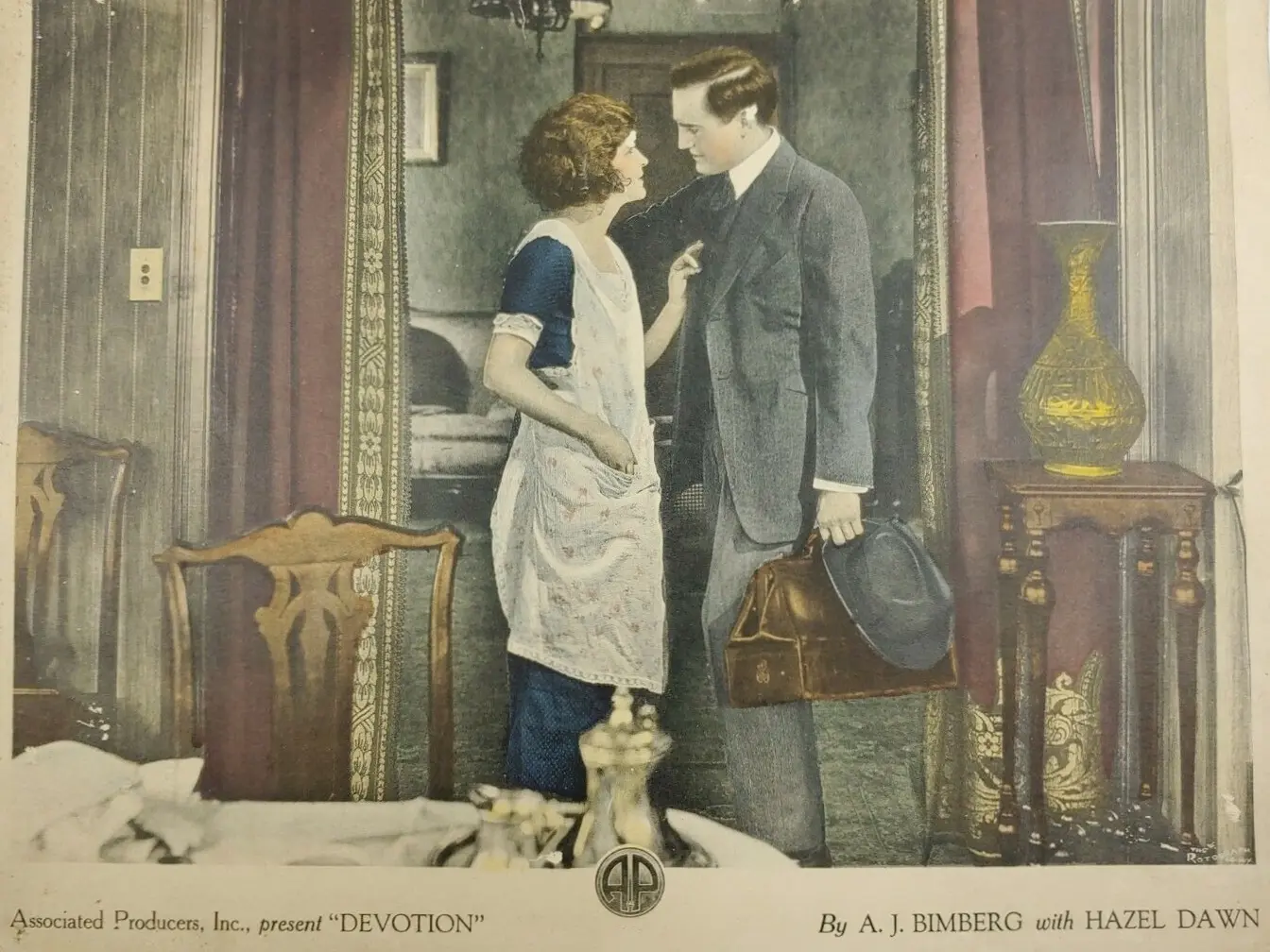
Consider the work of Walter Ruttmann. In his 1921 short Opus II, Ruttmann abandoned the traditional constraints of character and plot to focus on the rhythmic interplay of shapes and light. This was "painting in time," an avant-garde approach that would eventually influence everything from modern music videos to the psychedelic visuals of 1960s underground cinema. By prioritizing sensation over story, Ruttmann tapped into the primal appeal of the moving image, creating a work that demands a different kind of attention—a hallmark of the cult experience.

Genre Mutants and Narrative Dissidence
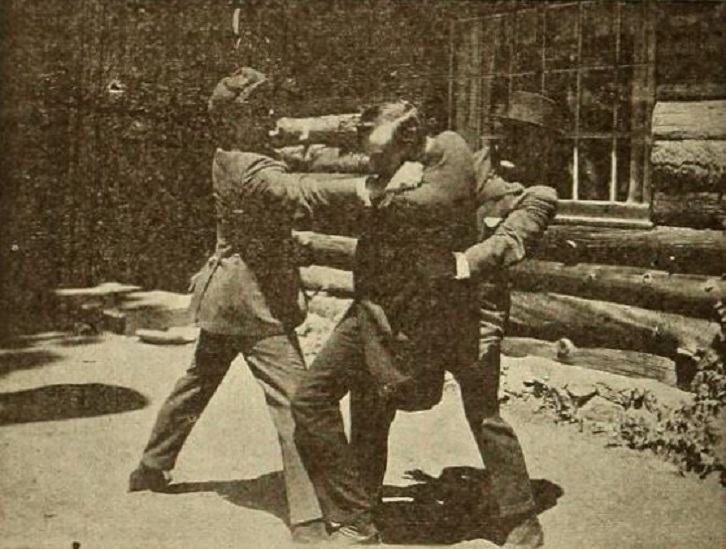
One of the defining characteristics of a cult classic is its refusal to stay within the lines of its designated genre. These "genre mutants" often confuse contemporary audiences and critics, only to be embraced decades later by those who appreciate their eccentricity. A prime example of this is The Iced Bullet (1917). On its surface, it is a mystery set in a magnificent Adirondack lodge, but its execution—involving a wealthy New Yorker, a confidential secretary, and a bizarre central conceit—elevates it into the realm of the uncanny. It is the kind of film that lingers in the subconscious, inviting repeated viewings to decode its strange rhythms.
Similarly, His Majesty, the Scarecrow of Oz (1914) showcases a version of L. Frank Baum’s world that is far removed from the Technicolor polish of the 1939 MGM classic. With its wicked kings, snake dancers, and the malevolent witch Mombi, this early iteration of Oz feels more like a fever dream than a children's story. It is this inherent weirdness—the sense that something is slightly "off"—that attracts the cult follower. The film doesn’t just tell a story; it creates an environment that feels dangerous and unpredictable.

The Architecture of the Outcast
At the heart of cult cinema is the figure of the outcast. Whether it is a literal social pariah or a character who simply refuses to conform to the expectations of their class and time, the cult protagonist is someone with whom the disenfranchised viewer can identify. In At the End of the World (1921), we meet Cherry O'Day, a woman living in the Paper Lantern Café in Shanghai who practices a philosophy of playing with men while keeping them at arm's length. This narrative of feminine autonomy and moral complexity was radical for its time and serves as a precursor to the noir fatales and cult anti-heroines of later decades.
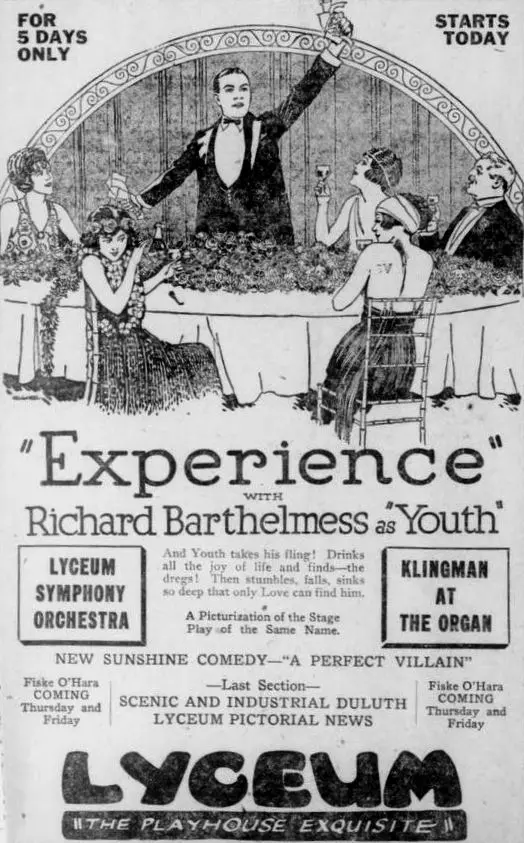
The struggle for freedom and identity is also central to God's Crucible (1921). Following political refugees Ivan and Irma Kalmar as they flee a Siberian prison for Winnipeg, only to face further persecution, the film explores the harsh reality of the immigrant experience. It is a grim, uncompromising look at the "crucible" of society—a theme that resonates deeply within the cult canon, which often champions the stories of those marginalized by the mainstream.
Visual Rebellion and the Aesthetic of the Fringe
Cult cinema is often as much about *how* a story is told as it is about the story itself. The silent era was a period of intense visual innovation, where the lack of synchronized sound forced filmmakers to rely on composition, lighting, and movement to convey emotion. Manden med Arret (The Man with the Scar) is a testament to this visual storytelling, using shadow and contrast to create a world of crime and drama that feels visceral even a century later. This "noir before noir" aesthetic is a key component of the cult allure, providing a moody, atmospheric backdrop for stories of betrayal and redemption.
Even in shorter forms, like Kapten Grogg skall fiska (1918) or Screen Follies No. 1, we see the beginnings of an anarchic spirit. Animation in the 1910s and 20s was not yet the sanitized domain of major studios; it was a playground for the surreal. The sight of Captain Grogg falling into the sea only to be saved at the last second, or the animated antics of Charley at the Beach, where a cartoon Charlie Chaplin causes chaos, reflects a playful subversion of reality that is essential to the cult mindset.
The Subversive Soul of the Silent Era
Many early films that have since achieved cult-like status were originally intended as standard commercial fare, yet they contained elements that were too transgressive for their time. The Bride's Awakening (1918) deals with a marriage of convenience and a secret affair, touching on themes of sexual frustration and social hypocrisy that were often swept under the rug. By bringing these issues to the screen, filmmakers were inadvertently creating a roadmap for the "taboo" cinema that would flourish in the 1960s and 70s.
Then there is The Great Victory, Wilson or the Kaiser? (1919). While ostensibly a piece of wartime propaganda comparing the lives of Woodrow Wilson and Wilhelm II, its sheer scale and the audacity of its historical dramatization give it a strange, almost campy quality in retrospect. Cult audiences often find joy in the earnestness of such ambitious projects, where the reach of the filmmaker sometimes exceeds their grasp, resulting in a work that is fascinatingly flawed.
The Enduring Allure of the Forgotten
Why do we continue to seek out these obscure titles? Why does a film like Her First Elopement (1920), with its tale of a snake dancer named Lotta St. Regis, still capture the imagination? The answer lies in the thrill of discovery. To find a "lost" film is to uncover a secret history, a version of the past that wasn't supposed to survive. This sense of exclusivity is the fuel that powers cult fandom. When you watch La gitana blanca or Der Stier von Olivera, you are participating in a ritual of preservation, keeping alive a maverick spirit that the mainstream tried to extinguish.
The films of the silent era were the first to prove that cinema could be more than just a novelty; it could be a mirror to our deepest fears, our strangest fantasies, and our most rebellious impulses. The Iron Claw (1916) and its tale of the vengeful Legar, or the tragic beauty of Forget Me Not (1922), with its story of an orphan with a crippled leg, remind us that the human condition has always been messy and complicated. These films didn't offer easy answers, and that is precisely why they endure.
Conclusion: The Legacy of the Maverick
As we look toward the future of cinema, the lessons of the past remain more relevant than ever. In an age of algorithmic recommendations and sanitized content, the "neon relic" stands as a reminder that the most powerful films are often those that exist on the fringe. Cult cinema is a celebration of the weird, the wild, and the unrefined. It is the legacy of All Wrong Ambrose and The Girl in Number 29—films that, despite their age, continue to speak to the maverick in all of us.
The genetic rebellion of the silent era has never truly ended. It lives on in every filmmaker who chooses to experiment with form, every actor who takes a risk on a transgressive role, and every audience member who seeks out the strange and the beautiful in the dark of a midnight screening. By honoring these early pioneers of the fringe, we ensure that the soul of cult cinema remains as vibrant and defiant as ever. The flicker of the nitrate reel may be faint, but the fire it ignited continues to burn with an undying, neon intensity.
Community
Comments
Log in to comment.
Loading comments…