
DbcultAccessing Vault...
Cult Cinema
Senior Film Conservator
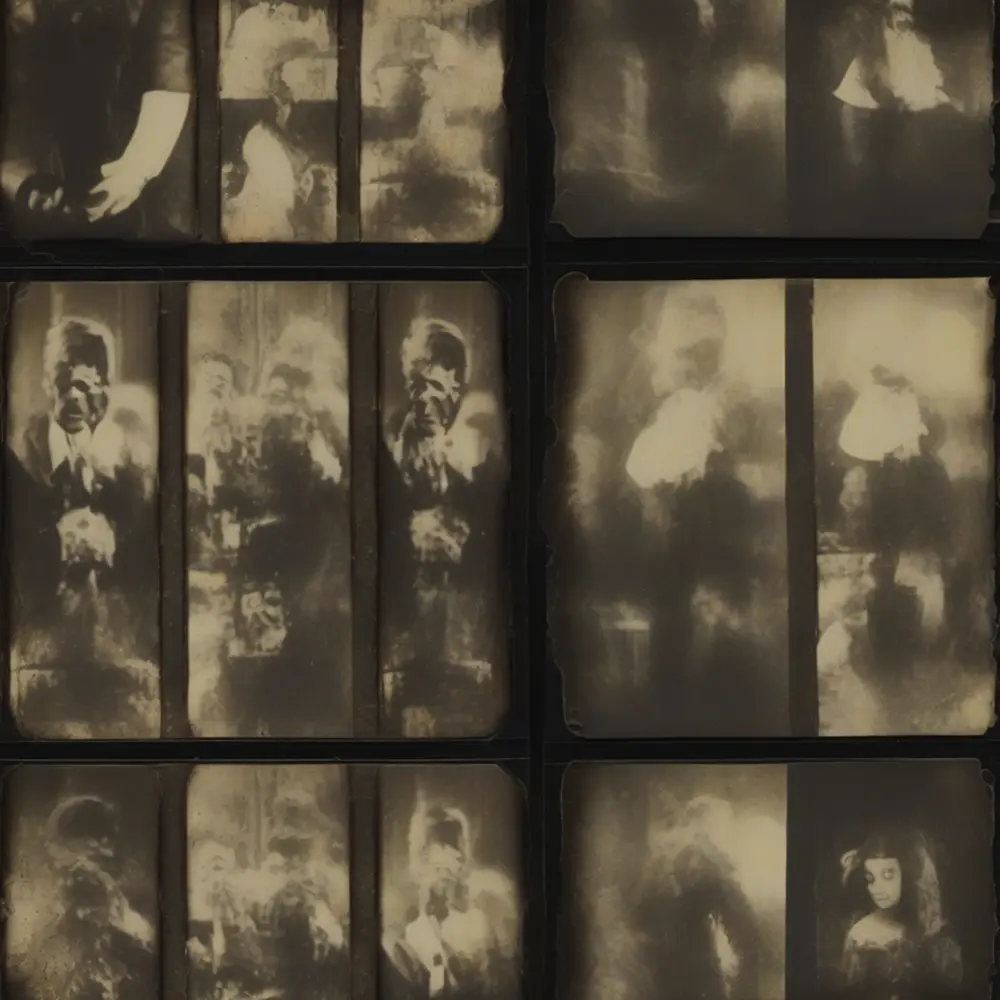
When we talk about cult cinema, our minds often jump to the deliberate provocateurs: the John Waters, the Alejandro Jodorowskys, the midnight maestros who sculpted their visions from transgression and outsider art. But what if I told you that the true genesis of cult weirdness lies not in self-aware subversion, but in the raw, unpolished, often accidental strangeness of films from the silent era? We’re not talking about the revered Expressionist masterpieces or the grand historical epics. No, we're digging into the nitrate grime – the forgotten melodramas, the clumsy thrillers, the earnest-but-baffling comedies made on shoestring budgets by filmmakers still figuring out the language of cinema. These films, often derided or simply ignored by mainstream historians, possess a peculiar, magnetic allure that predates and, dare I say, surpasses many of their more celebrated successors in the cult canon. They are the unintended blueprints for an aesthetic of glorious imperfection, a testament to how limitations can breed profound, if accidental, artistry. If you've ever found yourself mesmerized by the sheer oddity of an old, scratchy print, or chuckled at an actor's bizarrely exaggerated gesture, you've touched the primal nerve of cult cinema's earliest, most authentic forms.
The early days of cinema were a wild west of experimentation, where technical limitations, nascent storytelling conventions, and shoestring budgets often collided to produce something utterly unique. Filmmakers weren't just making movies; they were inventing the medium itself, often with little precedent and even less money. This environment, far from hindering creativity, inadvertently birthed an aesthetic of raw, unpolished charm that is, to my mind, more genuinely 'cult' than many of today's self-consciously 'transgressive' films. Think of the melodrama of Mr. Wu (1919). While a relatively high-profile production for its time, its portrayal of a Chinese merchant's brutal revenge for his daughter's dishonor, complete with a terrifying ultimatum to the seducer's mother, is delivered with such an unvarnished, almost theatrical intensity that it crosses into a realm of pure, visceral spectacle. The film’s earnestness, combined with its cultural specificities, creates a viewing experience that feels both alien and utterly compelling today, far removed from modern sensibilities of subtlety.
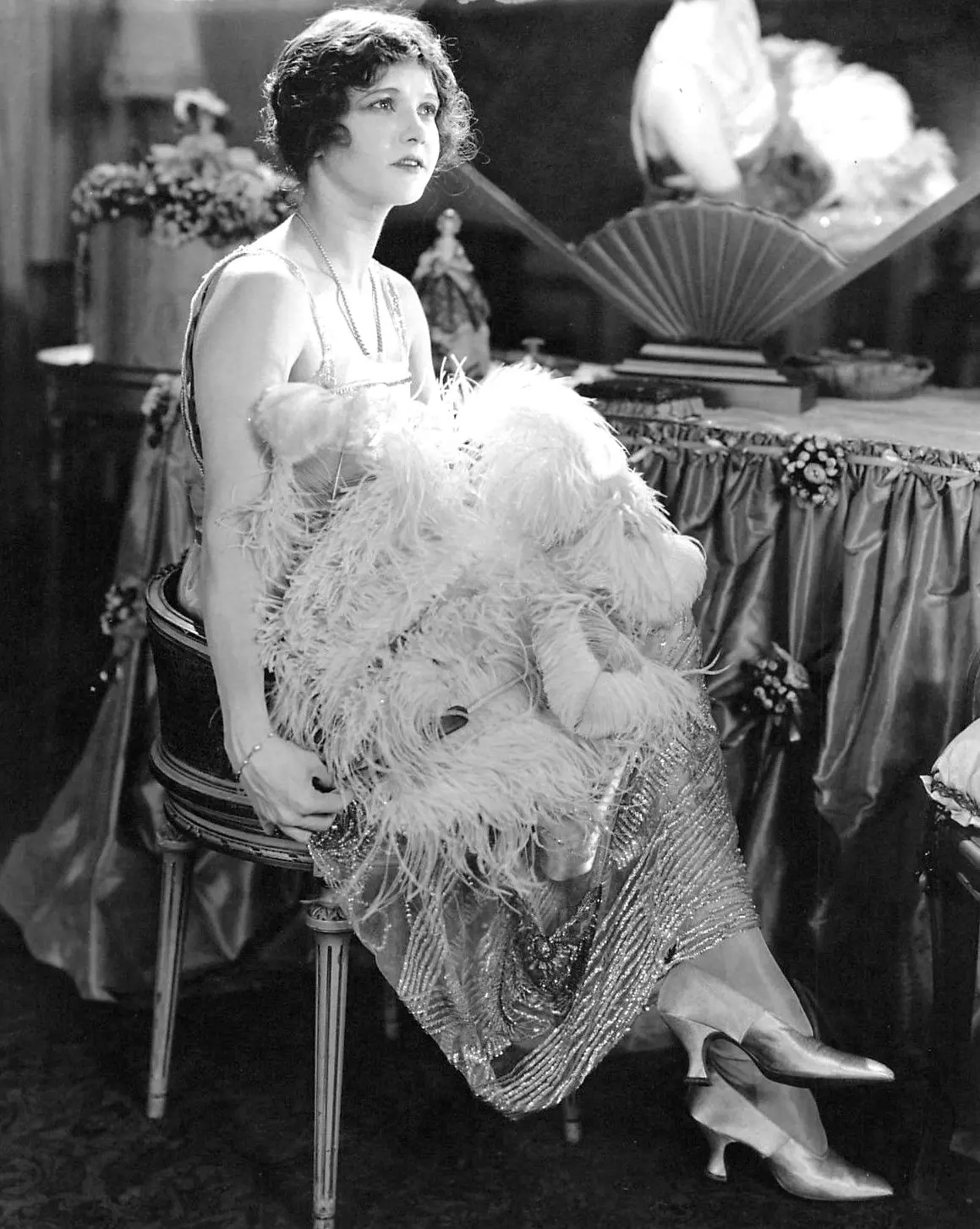
Then there are the countless films where budget constraints forced creative, if crude, solutions for special effects or set design. The shadows were often real, the sets sparse, and the entire production imbued with a palpable sense of struggle. Take a film like The Girl in the Dark (1917), a pulp thriller involving Chinese ruffians and a branded ideograph. Its very title suggests a low-rent mystery, a B-movie sensibility before the term even existed. The visual language of such films, often stark and reliant on close-ups or static shots due to equipment limitations, can inadvertently create a sense of claustrophobia or surreal detachment. The flickering, often degraded nitrate prints we see today only amplify this effect, turning physical decay into an accidental artistic choice that enhances their cult weirdness. The scratches, the emulsion loss, the occasional jump cuts from missing frames – these aren't flaws to a cult audience; they're battle scars, proof of survival, adding texture to the narrative. It’s an immersion into a ghostly, imperfect world that feels more authentic precisely because it wasn't designed to be slick.
The narrative structures of early silent films can be baffling to modern eyes, and it's precisely this disorientation that often fuels their cult appeal. Unfamiliar conventions, clumsy exposition, or simply bizarre plot choices create a dreamlike, almost surreal quality. These weren't attempts at avant-garde cinema; they were often just filmmakers grappling with how to tell a story effectively without spoken dialogue, leading to accidental masterpieces of ambiguity and non-sequitur. Consider the revenge melodrama They Shall Pay (1921), where a daughter vows vengeance for her imprisoned father. The plot, likely straightforward on paper, could easily devolve into unexpected tangents or sudden, unexplained shifts in character motivation when translated to the screen with less experienced hands. The sheer earnestness of the premise, coupled with potentially clunky execution, makes it ripe for cult appreciation. You're not just watching a story; you're deciphering a relic.
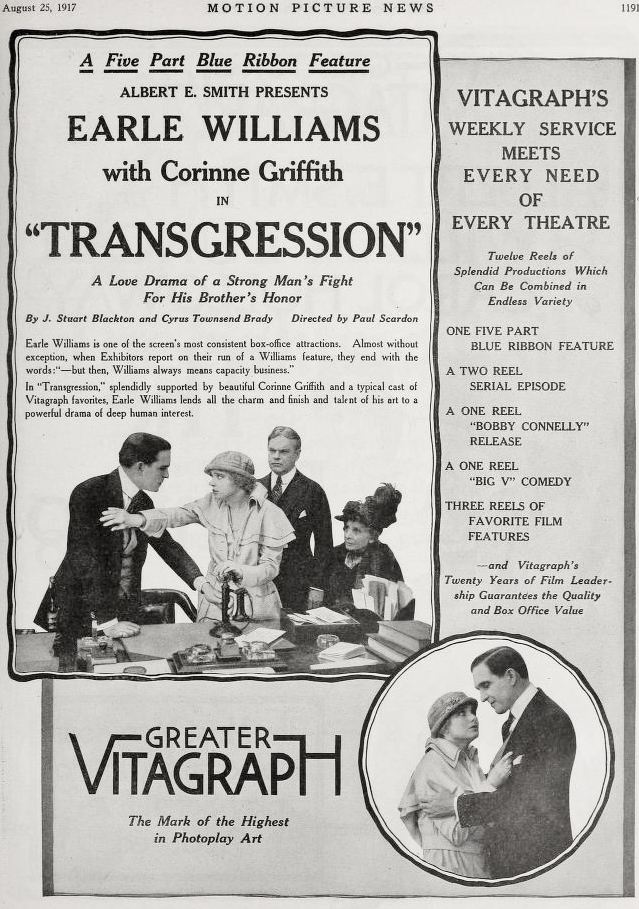
Similarly, films like A Beggar in Purple (1920), with its tale of poverty, a dying mother, and a sworn vendetta against a heartless mill owner, push melodrama to its absolute breaking point. The heightened emotional stakes, when stripped of dialogue and conveyed through broad gestures and intertitles, can feel simultaneously profound and utterly ridiculous. This thin line between pathos and unintentional comedy is where cult magic happens. The Italian production Sin (1915), about a peasant girl abandoning her fiancé for a wealthy gangster, sounds like pure, unadulterated pulp. In the hands of early Italian filmmakers, known for their grand operatic narratives, this could have been a surprisingly raw, almost brutal exploration of moral downfall, its 'sins' amplified by the era's nascent understanding of cinematic realism. These films, through their very awkwardness and overreach, invite active interpretation, discussion, and a kind of collective marveling at their sheer, unadulterated oddness.
It wasn't just individual scenes; entire plots could feel like fever dreams. The Chosen Path (1918), for instance, follows a woman who leaves her husband, her daughter placed in a convent, only for the mother to later end up working in an 'underworld roadhouse.' The narrative jumps, the moralistic undertones, and the sheer audacity of such a storyline in a relatively early film create a fascinating, almost bewildering experience. It's less a carefully constructed narrative and more a series of dramatic events strung together by sheer force of will, making it strangely compelling. The lack of conventional psychological depth, common in early cinema, means characters often act on impulses that feel alien and unpredictable, further enhancing the cult appeal. We're not meant to understand them in a modern sense; we're meant to witness their dramatic trajectory, however illogical.
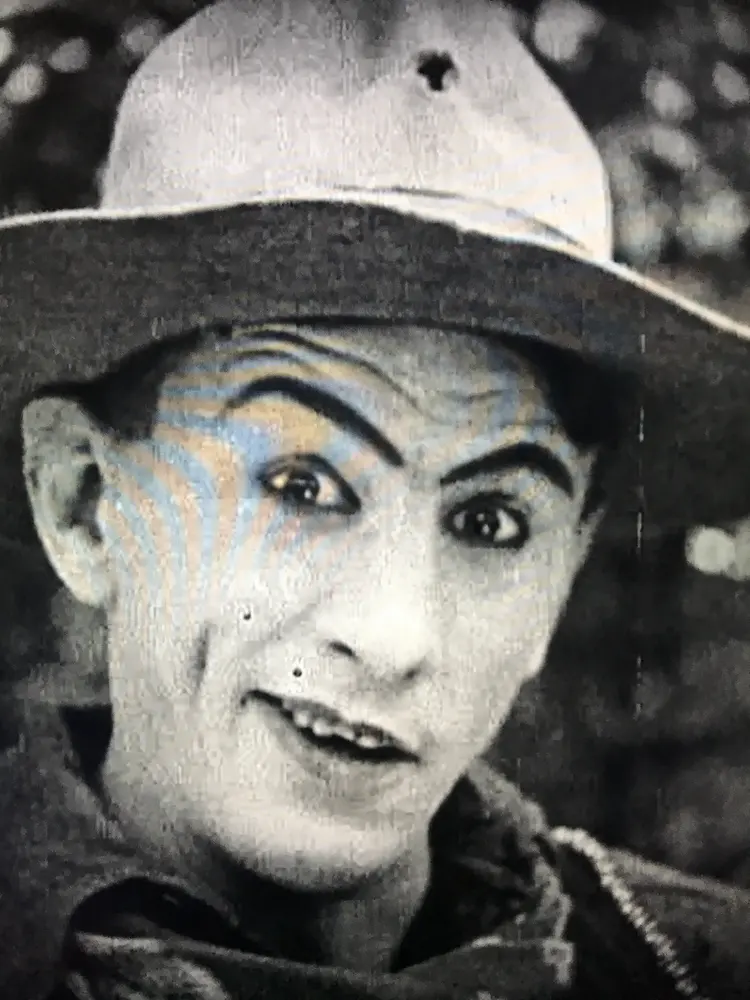
The acting styles of the silent era are a cornerstone of their cult appeal. Often criticized as over-the-top, melodramatic, or simply 'bad' by modern audiences, these performances are, to me, a crucial element of their enduring cult magnetism, demanding a different kind of engagement from the viewer. Actors, many trained in vaudeville or stage melodrama, had to convey complex emotions and plot points without dialogue, relying on exaggerated facial expressions, grand gestures, and often, an almost balletic physicality. This results in a heightened reality that can be both unintentionally hilarious and profoundly unsettling.
Consider the early comedies: shorts like Deaf, Dumb and Daffy (1920) or Pure and Simple (1921). Their slapstick routines, while perhaps conventional for their time, often feature performances so broad, so physically demanding, that they transcend mere humor. The characters' relentless pursuit of gags, their often-unsettling expressions of pain or delight, create a spectacle that feels alien and strangely captivating. The earnestness with which these actors commit to the absurd is a cult artifact in itself. Even a film like Sherlock Ambrose (1918), where an immigrant is mistaken for a detective, likely features performances that lean into caricature and physical comedy in ways that can feel incredibly bizarre to a contemporary viewer, yet utterly fascinating for a cult audience seeking the unconventional.

The over-the-top acting, often derided by modern viewers, is actually a crucial element of their enduring cult appeal, demanding a different kind of engagement. It’s not about emotional realism; it’s about spectacle and raw, unfiltered expression.
Even in more dramatic fare, the performances could be captivatingly strange. The wealthy young man in Two Gun Sap (1921), wearing a monocle while dealing with cattle rustlers, immediately conjures an image of a character whose performance might oscillate between dandyism and rugged heroism in a truly bizarre, yet memorable, way. This dissonance, this uncanny valley of performance, is exactly what draws cult audiences in. It's a reminder that cinematic realism is a construct, and these films, in their unrefined glory, constantly push against those boundaries, often without even trying.
A significant portion of silent cinema is lost forever, swallowed by the ravages of time, nitrate decay, and indifference. This ephemeral nature amplifies the cult status of the few unpolished gems that survive, turning them into archaeological finds, sacred texts for a devoted few. The very act of watching a silent film, especially a lesser-known one, is an act of preservation, a communion with a ghost. The thrill of discovery, of unearthing a bizarre narrative or an unintentionally hilarious performance from the cinematic graveyard, is a powerful motivator for cultists.

Imagine if a complete, pristine print of a film like Das Geheimnis der Mumie (The Secret of the Mummy, 1916), an early German thriller, were to resurface, revealing even stranger plot twists or visual flourishes than anticipated. Or if Il volto di Medusa (The Face of Medusa, 1920), an Italian film whose title alone promises mythological horror, delivered on its premise with raw, unrefined effects and theatrical acting. The fragmentary nature of our knowledge about many of these films only deepens the mystique. We project our own desires for cinematic oddity onto their scant descriptions, turning them into legendary, whispered-about artifacts. The films that do survive, particularly those that weren't considered 'important' at the time, become even more precious, offering unfiltered glimpses into the creative chaos of early filmmaking.
The nitrate grime, the accidental avant-garde narratives, the peculiar performances – these are not merely quaint historical footnotes. They are foundational elements in the DNA of cult cinema. They teach us that true cult appeal often resides not in polished perfection or deliberate provocation, but in raw authenticity, in the unexpected beauty of imperfection, and in the sheer, unadulterated weirdness that emerges when art is being forged in the crucible of nascent technology and boundless imagination.
These films, whether it's the melodramatic intensity of Mr. Wu, the pulp thrills of The Valley of Lost Souls (1927), or the comedic chaos of Lost at the Front (1927), provide a vital connection to the wild, untamed origins of our beloved genre. They challenge us to expand our definition of 'cult' beyond the easily marketable or the intentionally shocking. They demand a different kind of engagement, one that embraces the flicker, the scratch, the exaggerated gesture, and the bewildering plot twist as integral parts of the experience. So, next time you're seeking a genuinely unique cinematic journey, look beyond the usual suspects and delve into the dusty archives of silent cinema. You might just find that the true soul of cult weirdness isn't lurking in a midnight screening of a modern oddity, but flickering in the glorious, unpolished grime of a century-old film.