
Cult Cinema
The Obsidian Catalyst: Decoding the Silent Era’s Hidden Transgressions and the Birth of Niche Cinema Devotion
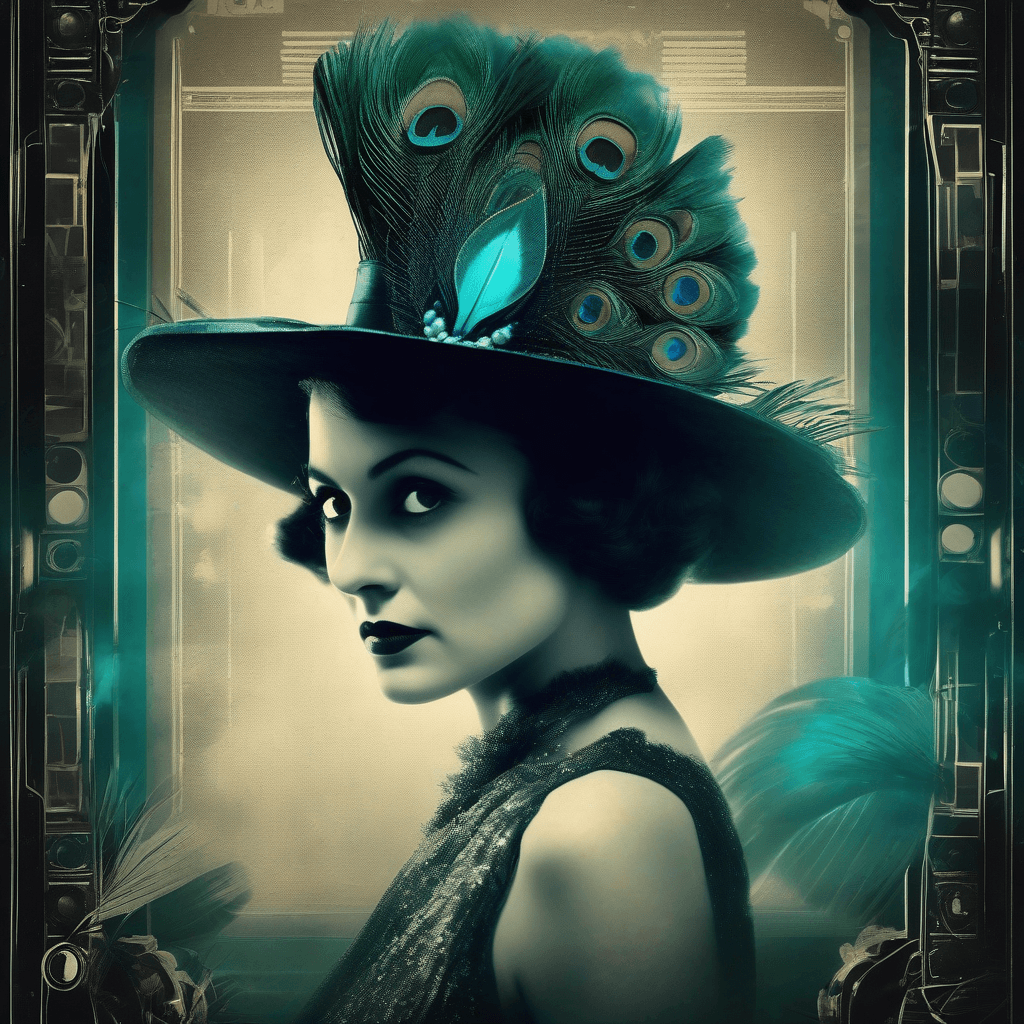
“An exploration of how the silent era's most transgressive and genre-bending films laid the genetic groundwork for modern midnight movie culture and fanatical niche devotion.”
The history of cult cinema is often mistakenly traced back to the smoky midnight screenings of the 1970s, where films like The Rocky Horror Picture Show and Pink Flamingos reigned supreme. However, the genetic blueprint of the transgressive, the weird, and the defiantly niche was actually forged in the flickering nitrate of the silent era. Long before the term 'cult classic' was coined, the 1910s and 1920s were teeming with cinematic outliers that challenged moral boundaries, experimented with surrealist logic, and birthed the archetypes of the cinematic outlaw. To understand why we are drawn to the strange and the subversive today, we must look back at the obsidian catalyst of early film history.
The Architecture of the Outlaw: From the Bush to the Screen
At the heart of the cult movie experience is the figure of the rebel—the character who exists outside the confines of polite society. This lineage arguably begins with the very first feature-length film, The Kelly Gang. By centering a narrative on a notorious outlaw, cinema immediately found its footing in the transgressive. This film wasn't just a biographical account; it was a provocation that resonated with audiences who found a strange, magnetic hero in the figure of the criminal. This early fascination with the 'social deviant' set a precedent for the anti-heroes that would later populate the midnight movie circuit. When we watch a modern cult film about a misunderstood vigilante or a social pariah, we are seeing the direct descendant of the bush-ranging outlaws that first captivated audiences in 1906.
Scientific Horrors and the Proto-Cult Obsession
Cult cinema has always had a deep-seated love affair with science fiction and the 'mad scientist' trope. One of the most striking examples from the early era is The Invisible Ray. This 1920 production, which followed a scientist discovering a deadly ray and the subsequent hunt for the mineral that powered it, prefigured the atomic-age anxieties and technological paranoia that would define cult sci-fi decades later. The 'death ray' locked in a box became a symbol of the forbidden knowledge that cult audiences crave. It represents the esoteric mystery—the idea that there are secrets hidden just beneath the surface of reality, accessible only to the daring or the deranged. This film’s focus on a singular, world-threatening invention provided the blueprint for countless B-movies and niche genre entries that prioritize high-concept weirdness over mainstream digestibility.
The Wild Woman and Darwinian Nightmares
Perhaps no film captures the transgressive spirit of the early fringe better than A Scream in the Night. By attempting to 'prove' Darwinian theory through the character of Darwa—a wild beast raised in the jungle and then thrust into high society—the film explored the porous boundary between the civilized and the primal. This theme of 'the beast within' is a cornerstone of cult horror and exploitation cinema. Darwa’s acceptance into society as a woman, only to have her primitive nature simmer beneath the surface, provided a shocking commentary on gender and evolution that was decades ahead of its time. The 'scream' in the title serves as a sonic metaphor for the rupture of social norms, a recurring motif in films that seek to unsettle rather than comfort.
Surrealism and the Comedy of the Absurd
While drama and horror provided the grit, early comedy provided the surrealist logic that remains a hallmark of cult obsession. Buster Keaton’s The Play House is a masterclass in the cinematic uncanny. In the film’s opening sequence, Keaton plays every single member of the orchestra, the actors, and the audience. This visual multiplication of the self was not just a technical feat; it was a surrealist manifesto. It challenged the viewer's perception of identity and reality, much like the works of David Lynch or Alejandro Jodorowsky would do in later eras. Similarly, the animated antics of The Adventures of Felix (Felix the Cat) introduced a logic where the environment was fluid and the protagonist’s tail could become a question mark or a tool. This visual anarchy is essential to the cult experience, where the rules of the world are secondary to the imagination of the creator.
The Transgressive Heroine and Moral Ambiguity
The silent era was surprisingly daring in its portrayal of women who refused to conform to Victorian ideals. In Madame Peacock, we see a 'ruthlessly ambitious' actress who forsakes her role as a wife and mother for the stage. This rejection of domesticity was a radical act, painting the protagonist in shades of moral gray that mainstream audiences found difficult to digest, but which niche audiences found fascinating. The 'ruthless' woman became a recurring archetype in cult cinema—the femme fatale or the driven anti-heroine who dictates her own destiny regardless of the cost.
We see a different kind of transgression in Medea di Portamedina, a film that delves into the darkest recesses of human emotion. The story of a woman who kills her own child in a fit of revenge is the ultimate taboo. By bringing such visceral, gut-wrenching narratives to the screen, early filmmakers were testing the limits of what cinema could—and should—show. This willingness to lean into the 'unwatchable' is exactly what defines many modern cult classics, which often use extreme content to explore the complexities of the human psyche.
The Underworld and the Gambling Den
The allure of the 'forbidden' city is another recurring theme. The Black Panther's Cub, set in a Parisian gambling house, explored the seductive danger of the underworld. The daughter of a former 'queen' of the gambling house re-entering that life out of necessity creates a narrative of inheritance and corruption. This obsession with the gritty, neon-lit (or in this case, sepia-toned) underbelly of society is a direct ancestor to the noir-inflected cult films of the mid-century. It speaks to a desire to see the world as it is behind closed doors, away from the prying eyes of the law and the church.
Identity, Alienation, and the 'Other'
Cult cinema often serves as a sanctuary for the marginalized and the alienated. This theme of 'otherness' was prevalent in early films like The Red Woman, which told the story of an Indian girl who, despite graduating with honors from an Eastern college, is socially ostracized upon her return home. Her struggle to find a place in a world that rejects her is a poignant precursor to the 'outcast' narratives that dominate cult culture. The film’s exploration of racial and social exclusion provided a voice for the voiceless, even within the constraints of the 1910s.
Similarly, Less Than the Dust and The Immigrant dealt with themes of displacement and the search for belonging. Whether it was an English girl raised in India discovering her birthright or a Russian immigrant navigating the harsh realities of the United States, these films resonated with audiences who felt like 'strangers in a strange land.' This sense of perpetual alienation is the glue that binds cult fanbases together; they find community in their shared experience of being on the outside looking in.
The Birth of the Midnight Mindset
How did these disparate films coalesce into what we now recognize as the cult movie ethos? It began with the audiences. Even in the 1920s, there were certain films that didn't just 'play'—they lingered. They were discussed in hushed tones; they were revisited by those who felt the 'regular' movies were too safe, too predictable. Films like Strange Idols, which contrasted the simple life of a lumberman with the seductive, dangerous world of a New York cabaret dancer, offered a glimpse into a life of conflict and passion that felt more 'real' than the sanitized romances of the day.
The 'midnight mindset' is characterized by a devotion to the unconventional. It is the ability to see beauty in the bizarre, truth in the transgressive, and art in the anomalous. When we look at A Temporary Vagabond, where a wealthy man’s son becomes a village benefactor under a false identity, we see the early seeds of the 'disguise and subversion' narratives that cult audiences love. It’s about the fluidity of identity and the power of the individual to reinvent themselves in a world that wants to keep them in a box.
Genre Mutations and the Future of the Fringe
The silent era was a period of intense experimentation, where genres were not yet rigid. A film could be a comedy, a drama, and a social commentary all at once. A Divorce of Convenience mixed the tropes of the romantic comedy with the complexities of legal and social scandal, featuring a Spanish coquette with two husbands. This kind of genre mutation is a hallmark of cult cinema, which often thrives in the spaces between established categories. By refusing to be one thing, these films became everything to a small, dedicated group of viewers.
Even the seemingly simple shorts, like A Bear, a Boy and a Dog, contributed to this culture. On the surface, it’s a lighthearted comedy about a boy on strike from his chores, but its focus on the bond between man and beast—and the boy’s rebellion against maternal authority—taps into a primal desire for freedom and companionship that transcends age and era. It is this universal resonance, often found in the most unlikely of places, that gives cult cinema its enduring power.
Conclusion: The Eternal Flame of the Misfit
As we move further into the digital age, the 'midnight movie' has shifted from physical theaters to online forums and streaming niches. Yet, the impulse remains the same: the search for the obsidian catalyst, that one film that changes the way we see the world. The silent era’s forgotten misfits—from the death-ray wielding scientists of The Invisible Ray to the vengeful mothers of Medea di Portamedina—are not just historical relics. They are the living ancestors of every cult film that has ever made us gasp, laugh, or think twice.
By unearthing these early transgressions, we realize that cult cinema is not a modern invention but a timeless human need. We need the outliers. We need the anomalies. We need the films that dare to be different, because they remind us that the world is much larger, much weirder, and much more fascinating than the mainstream would have us believe. The silent underground was the first to light the flame; it is our job to ensure it never goes out.
Community
Comments
Log in to comment.
Loading comments…