
Cult Cinema
The Sepia Sovereign: Unearthing the Primal Transgressions and Genre Anarchy of Cinema’s Original Rebel Wave
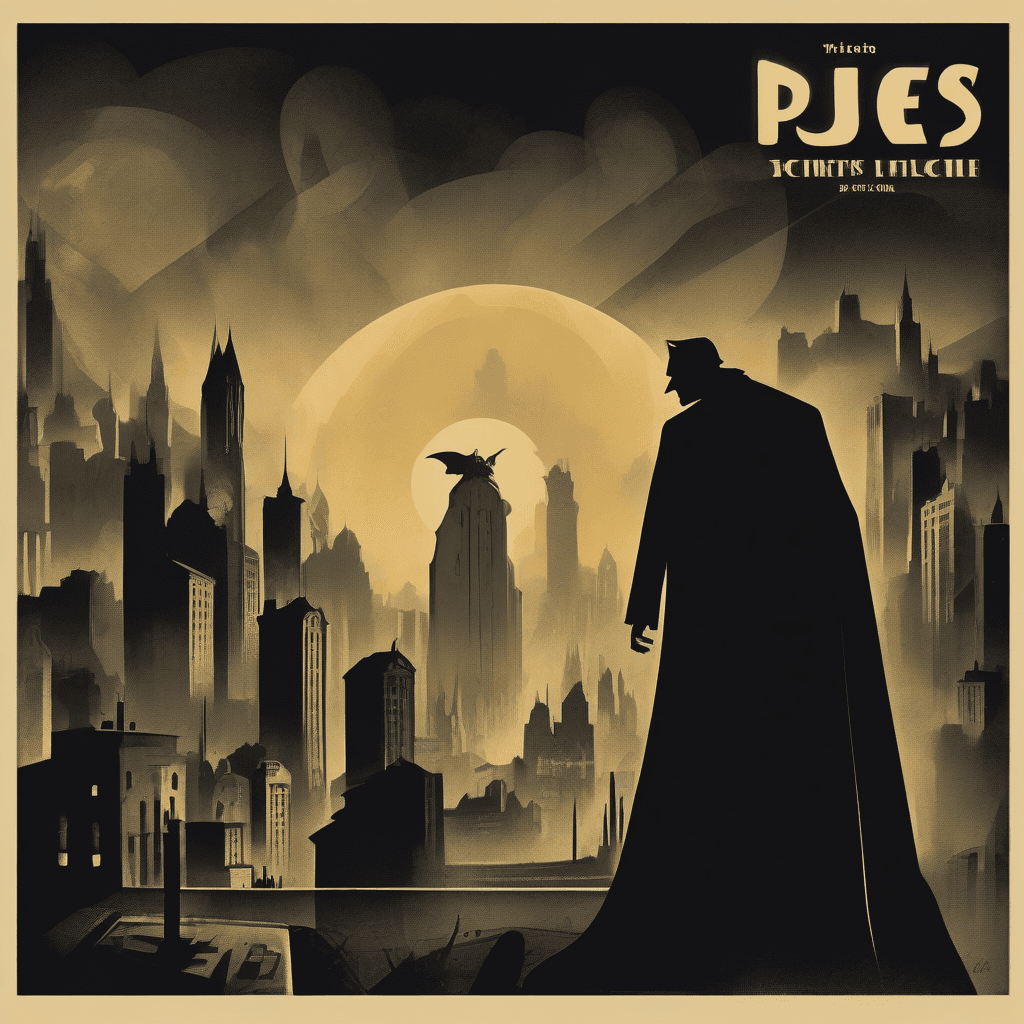
“A deep dive into the transgressive roots of cult cinema, exploring how the silent era's moral outcasts and genre-bending experiments from 1914 to 1922 laid the foundation for modern midnight movie obsession.”
When we speak of cult cinema, the mind often drifts to the neon-soaked midnight screenings of the 1970s or the transgressive VHS underground of the 1980s. However, the genetic blueprint of the cinematic misfit was drafted much earlier, in the flickering shadows of the silent era. Between 1914 and 1922, a period often dismissed as mere prologue to the 'Golden Age,' a series of radical, strange, and morally complex films emerged. These were the original outliers—films that defied the burgeoning Hollywood hegemony to explore the dark, the surreal, and the socially taboo. To understand the modern cult psyche, one must look back at the Sepia Sovereign: that era of primal transgression where genre anarchy and social deviance first found a home on the silver screen.
The Surreal Seed: Dreams, Monsters, and Visual Anarchy
Long before David Lynch or Alejandro Jodorowsky, the silent screen was a playground for the subconscious. Perhaps no film captures this better than the 1921 short Dreams of the Rarebit Fiend: The Pet. This early animation/live-action hybrid presents a nightmare that would feel right at home in a midnight movie marathon. After consuming a rarebit, a man dreams of a strange-looking animal that consumes everything in its path, growing to a size that threatens the entire city. This is the primal root of the creature feature—a surrealist exploration of gluttony and urban destruction that predates King Kong and Godzilla. It represents the 'weird' for the sake of weirdness, a cornerstone of cult appeal.
Similarly, the French production Don Juan et Faust (1922) pushed the boundaries of traditional drama, blending legendary figures into a high-concept exploration of desire and damnation. These films weren't just stories; they were visual manifestos. They utilized the medium's infancy to experiment with what could be shown, often leaning into the grotesque or the uncanny. This visual anarchy is what first drew audiences to the fringe, creating a space for viewers who sought something beyond the pedestrian morality plays of the mainstream.
The Moral Outcast: Redefining the Heroic Archetype
Cult cinema thrives on the 'anti-hero'—the character who exists outside of polite society's norms. In the silent era, this archetype was personified by the ex-convict, the gambler, and the man with a hidden past. Take Hungry Eyes (1918), where Dale Revenal, an ex-convict, must win over a rancher and his community. The film subverts the traditional Western hero by grounding his 'winning manner' in a history of incarceration. This focus on the reformed sinner or the misunderstood rogue is a recurring theme in films like John Smith (1922), where a man released from prison must assume a pseudonym to find work and love. The reluctance to reveal the past creates a tension that resonates with the cult audience's appreciation for secret identities and social friction.
Even the world of sports was not immune to this gritty realism. Checkers (1919) introduces us to Edward Campbell, a racetrack tout who must return to his gambling ways to save a loved one. The film doesn't present gambling as a simple vice but as a necessary evil, a tool for survival in a harsh world. This moral ambiguity is further explored in Scrap Iron (1921), where a pacifist boy is forced to use his natural gift for fighting to support his mother. These narratives didn't offer easy answers; they presented the struggle of the individual against a judgmental society, a theme that remains the heartbeat of cult fandom today.
Social Subversion and the Secret Societies of 1917
The political landscape of the 1910s was fraught with revolution and class warfare, and the cinema of the time was a mirror to this chaos. One Law for Both (1917) takes us into the heart of a secret society in Warsaw, where Elga and Ossip Pulaski fight to liberate Poland and Russia from the Romanoffs. This isn't just a historical drama; it's a study of radicalization and the high cost of rebellion. It positions the protagonists as outlaws in the eyes of the state but heroes in the eyes of the viewer—a classic cult dynamic.
Class struggle was also explored through the lens of comedy and romance, but often with a sharp edge. Amarilly of Clothes-Line Alley (1918) features a working-class girl caught between her bartender boyfriend and a wealthy sculptor. While it may seem like a standard romance, it highlights the vast cultural chasm between the 'Alley' and the 'Avenue.' Similarly, Miss Dulcie from Dixie (1919) uses a fish-out-of-water premise to critique the snobbery of New York high society. These films resonated with audiences who felt marginalized, offering a cinematic space where the 'common person' could outwit the elite. This 'us versus them' mentality is a fundamental pillar of the cult community, fostering a sense of shared identity among those who feel excluded from the mainstream narrative.
The Gender Defiant: Breaking the Tropes
One of the most surprising aspects of this era's 'fringe' cinema is its willingness to subvert gender roles long before it was fashionable. The Girl Who Dared (1920) features a rancher's daughter who is elected sheriff of a Western town. She doesn't just play a supporting role; she is the law, fighting rustlers and earning the enmity of corrupt men. This defiance of the 'damsel in distress' trope is a radical move for 1920, placing the film in the lineage of transgressive female-led action cinema.
In The Blushing Bride (1921), a showgirl navigates the complexities of high society when her husband believes she is the niece of a British nobleman. The film plays with identity and performance, suggesting that 'nobility' is just another role to be played. These films often featured women who were smarter, tougher, and more resourceful than the men around them, such as the title character in M'Liss (1918) or the protagonist in The Ghost Girl (1919), who poses as a slum girl for a 'harmless adventure.' This playfulness with identity and social expectation is a key ingredient in the cult cocktail, allowing for a space where the rules of the real world are suspended.
The Global Underground: Australia, Germany, and Beyond
The spirit of the cinematic rebel was not confined to Hollywood. In Australia, Attack on the Gold Escort (1911) and Pommy Arrives in Australia (1920) captured the rugged, often violent reality of the gold fields and the immigrant experience. These films possessed a raw energy that differed from the polished productions of Europe. Meanwhile, in Germany, Der weisse Pfau (1920) and Die platonische Ehe (1919) explored the psychological depths of the British upper class and the complexities of 'platonic' marriages among the nobility. These international 'misfits' like Lebenswogen or the Hungarian Az aranyásó (1914) prove that the desire for unconventional storytelling was a global phenomenon.
Even the British thriller Ultus, the Man from the Dead (1916) introduced a proto-anti-hero: a man left for dead who returns for revenge. This 'Man from the Dead' archetype would eventually evolve into the supernatural slashers and vengeful spirits of modern horror. The global reach of these early anomalies suggests that the 'midnight' mindset—a craving for the dark, the distant, and the different—is a universal human trait.
The Architecture of Obsession: Why These Films Still Matter
What makes a film like The Echo of Youth (1919) or Suspicious Wives (1921) feel like the ancestor of a cult classic? It’s the willingness to linger in the uncomfortable. The Echo of Youth deals with a Supreme Court justice confronted by a singer with whom he had a youthful affair—a story of hidden scandals and the fragility of reputation. Suspicious Wives explores the destructive power of jealousy and the 'other woman' trope with a level of intensity that was rare for its time. These films weren't afraid to be messy. They embraced the complications of the human heart, much like the cult films of later decades that would find beauty in the broken and the bizarre.
Consider A Soul Without Windows (1918), which follows a girl adopted by a Shaker community after her mother's death. The isolation, the rigid social structures, and the eventual paralytic tragedy of the male lead create a somber, haunting atmosphere that feels spiritually aligned with the 'folk horror' cults of today. Or The Mutiny of the Elsinore (1920), based on Jack London’s work, which brings a gritty, maritime brutality to the screen. These films offered an escape into worlds that were often darker and more dangerous than the ones audiences lived in.
Conclusion: The Eternal Flame of the Fringe
The legacy of the Sepia Sovereign is not just found in the archives of film historians; it lives on in every filmmaker who chooses the path less traveled. From the racetrack touts of Checkers to the giant monsters of The Pet, the silent era’s fringe was a laboratory for the soul of cult cinema. These films taught us that the screen is a place for the outcast, the rebel, and the dreamer. They proved that a film doesn't need a massive budget or a conventional hero to command devotion; it only needs a vision that dares to be different.
As we look back at films like Putting It Over (1922) or The Mating (1918), we see the early tremors of a revolution. We see a medium discovering its power to shock, to subvert, and to create lasting communities of fans who see themselves in the 'ghost girls' and 'scrap iron' fighters of the past. The midnight movie didn't start in the 1970s; it started the moment the first silent rebel decided that the mainstream was not enough. To truly appreciate the cult aesthetic, one must acknowledge these original architects of the strange, whose flickering nitrate dreams still ignite the imagination of the modern misfit.
Community
Comments
Log in to comment.
Loading comments…