
Cult Cinema
The Neon Seance: How the Silent Era’s Forgotten Misfits and Moral Anomalies Breathed Life into the Midnight Cult Soul
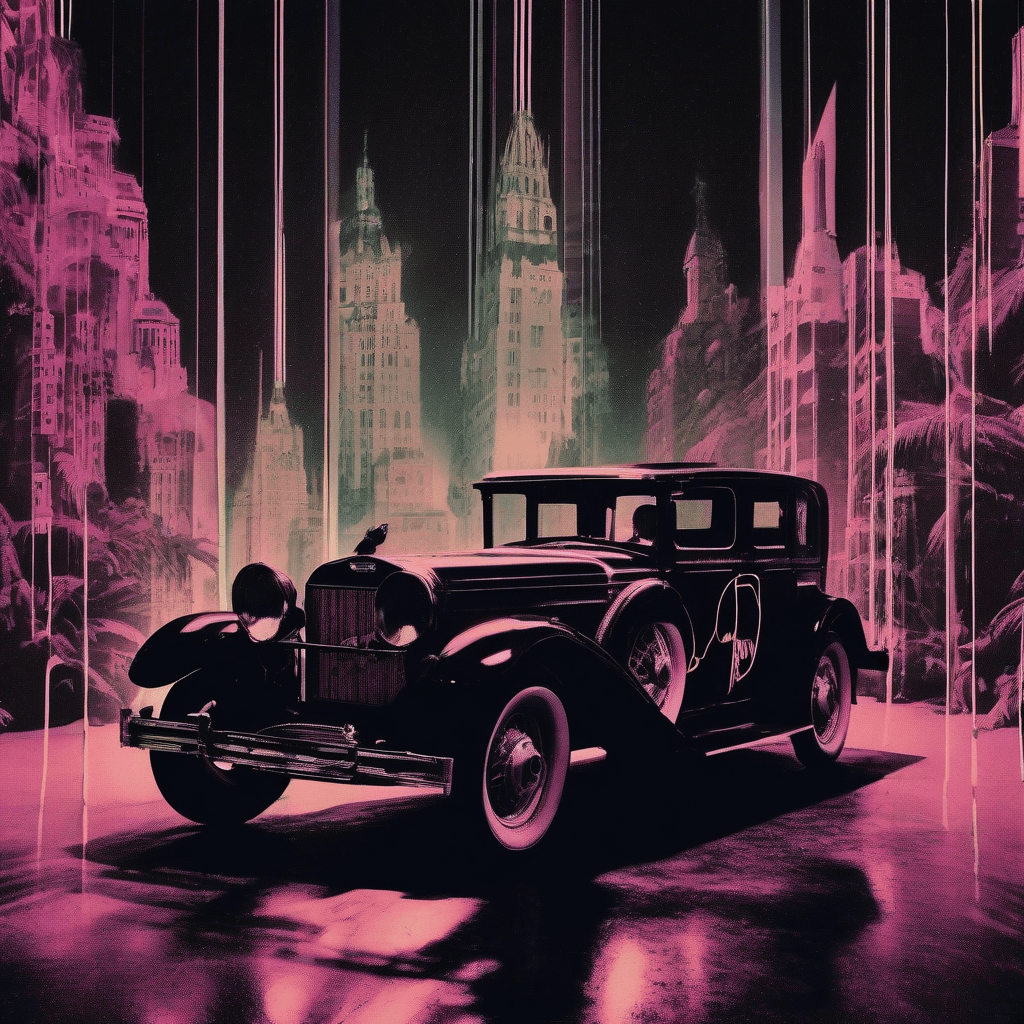
“Explore the transgressive roots of cult cinema through the prism of silent-era anomalies, gender-bending seeds, and the outlaw archetypes that defined the midnight movie spirit long before the talkies.”
Cult cinema is not a genre defined by the box office or the academy; it is a spiritual frequency, a resonance that vibrates between the screen and the fringes of the audience. While we often trace the lineage of the midnight movie to the psychedelic 1960s or the transgressive 70s, the true genetic blueprint of the cinematic outlier was etched in the flickering nitrate of the silent era. To understand the modern cult obsession, one must look back at the Neon Seance—that period where the rules of storytelling were still being written, and the misfits of the 1910s and 20s were busy engineering the architecture of subversion.
The Genesis of Transgression: Gender, Identity, and the Seed of Change
Perhaps no film from the early century encapsulates the proto-cult spirit better than the 1914 anomaly A Florida Enchantment. Long before the avant-garde movements of the mid-century, this film dared to explore the fluidity of identity through a magical seed that swapped the traditional gender roles of its protagonists. It is a work of profound weirdness, where a young woman’s transformation into a man—and the subsequent chaos involving her fiancé and maid—serves as a primary example of the 'transgressive seed' that cult audiences crave. This is cinema as a laboratory, a space where social norms like those found in Miss George Washington, with its chronic liar protagonist Berenice Somers, were playfully dismantled.
These films didn't just entertain; they challenged the moral equilibrium of their time. In the split-personality psychodrama of The Case of Becky, we see the early fascinations with the fractured self, a theme that would later dominate the works of Lynch and Cronenberg. When a young girl is placed under hypnotism, the emergence of a deviant personality isn't just a plot point; it is the birth of the psychological 'other' in cinema. This fascination with the mind’s darker corridors is echoed in short subjects like The Hypnotist and the surreal animations of Charley at the Beach, where the familiar form of Charlie Chaplin is abstracted into a cartoonish, law-breaking entity that exists outside the bounds of physical reality.
The Outlaw Archetype: From Yellow Ridge to the Valley of the Giants
The cult hero is almost always an outsider, a figure who operates on the periphery of the law. We see this archetype forged in the fires of The Aryan, where Denton, a man hardened by years of toil, finds himself at odds with the corrupt gamblers of Yellow Ridge. It is a narrative of alienation and vengeance that mirrors the gritty determination found in A Prisoner for Life, where the character 'Black Jack' fights for his rights against armed aggression, even going so far as to kidnap his own son to protect his legacy. These are not the polished heroes of the mainstream; they are the cinematic malcontents.
Revenge and the Industrial Fringe
The theme of the 'lone wolf' extends into the industrial landscape of early America. In Trail of the Axe, the familial betrayal between Dave and Jim Malkern culminates in a literal explosion of the sawmill—a violent rejection of the status quo. Similarly, The Valley of the Giants pits rival logging companies against one another in a battle for the redwood trees, framing the struggle for the land as a high-stakes drama of survival and rail-line sabotage. This sense of 'place as character' is vital to cult cinema, whether it is the Maine coast in Hearts of Oak or the backwoods isolation of Lonesome Corners, where a man waits nine years for an inheritance only to find himself disconnected from the refinements of 'civilized' society.
Moral Ambiguity and the Taboo Narrative
Cult cinema thrives in the gray areas of morality. Consider June Friday, a harrowing tale of a 'cocaine fiend' whose brutality leads to his wife’s suicide and the abandonment of their child. It is a stark, unflinching look at addiction that predates the 'Reefer Madness' era by decades, offering a glimpse into the social taboos that the silent fringe was willing to touch. This darkness is further explored in Carnival, where an actor playing Othello allows his onstage jealousy to bleed into his real-life marriage, creating a meta-textual nightmare that questions the boundary between performance and madness.
Even the romantic elements of the era were tinged with a self-destructive edge. The first adaptation of Wuthering Heights captured the 'star-crossed' nihilism of Emily Brontë’s lovers, showing an audience that love could be a force of demolition rather than just a happy ending. This rejection of the 'neat' conclusion is a hallmark of the cult sensibility. Whether it is the tragic sacrifices in To the Highest Bidder, where a girl auctions her life to save her farm, or the social climbing and debt-ridden desperation of Sham and The Notorious Mrs. Sands, these films focused on the friction of the human condition.
The Spectral Presence of the Lost Film
There is a specific kind of devotion reserved for the 'unseen.' Films like Madeleine de Verchères, a lost historical epic from Quebec, exist now only as ghosts in the archive. The cult of the 'lost film' creates a secondary layer of fandom—the hunters and the preservationists who seek to recover the fragments of our collective memory. This mystery surrounds titles like Penge or the obscure European entries like Der gestreifte Domino and Fejedelmi nap. When a film disappears, it becomes a myth, and in the world of cult cinema, myths are more powerful than reality.
Slapstick Subversion: The Anarchy of the Short Form
We must not overlook the role of comedy in forging the cult mind. The frantic, often violent slapstick of the 1910s provided a template for the 'chaos cinema' of later generations. In The Grocery Clerk, the mishaps of Big Ben and his staff turn a simple store into a site of anarchic struggle. Peace and Quiet features an editor who, in a fit of revenge, mixes the newspaper type to brand a debutante a criminal—a small act of sabotage that reflects a larger desire to disrupt the social order. This comedic rebellion is present in Once Over, where Jimmie’s repeated ejections from a barber shop only fuel his determination to return in disguise, and in Bungalow Troubles, where a simple surprise party devolves into domestic catastrophe.
Even the thrillers of the era, like Never Weaken, blended high-stakes danger with absurd physical feats, creating a 'thrill-comedy' hybrid that defied easy categorization. This genre-bending is exactly what draws a cult audience; they seek the films that refuse to sit still. Whether it is the animated mischief of Uma Transformista Original or the mistaken identity hijinks of Officer 666, where a millionaire guards his own home against an art thief, the silent era was defined by a restless, experimental energy.
The Cosmic and the Divine
Finally, the silent era touched upon the metaphysical, providing the 'sacred weirdness' that sustains long-term devotion. A Message from Mars, featuring a Martian sentenced to Earth to cure a man’s selfishness, is a proto-sci-fi parable that bridges the gap between the moral play and the genre spectacle. The biblical grandeur of Samson, depicting the yearning for a child and the eventual rise of a tragic hero, speaks to the primal narratives that underpin all of cult cinema—the stories of extraordinary individuals burdened by their own power or the expectations of the divine.
Conclusion: The Eternal Midnight of the Silent Screen
From the whiskey smugglers of The Devil's Trail to the Irish immigrant dreams of Darling Mine, the silent era was a vast, untamed frontier of storytelling. It was a time when a film like The Great Shadow could tackle the fear of anarchistic propaganda in the shipyards, or The Great Love could follow an American’s idealistic journey to the British army during World War I. These films, though often forgotten by the mainstream, are the true ancestors of the midnight movie.
They represent a time when the screen was a mirror for our most eccentric impulses, our deepest fears, and our most radical desires. The Neon Seance of cult cinema continues because we are still drawn to these flickering shadows—these outcasts, liars, and dreamers who first showed us that the most interesting stories are always found in the dark. Whether it is the mystery of Tajemnica przystanku tramwajowego or the simple, mischievous charm of Betty Be Good, the spirit of the cinematic rebel is eternal, waiting to be rediscovered by the next generation of devoted disciples.
Community
Comments
Log in to comment.
Loading comments…