
Cult Cinema
The Outcast's Epiphany: How Early Cinema’s Misfit Narratives Forged the Soul of Modern Fandom
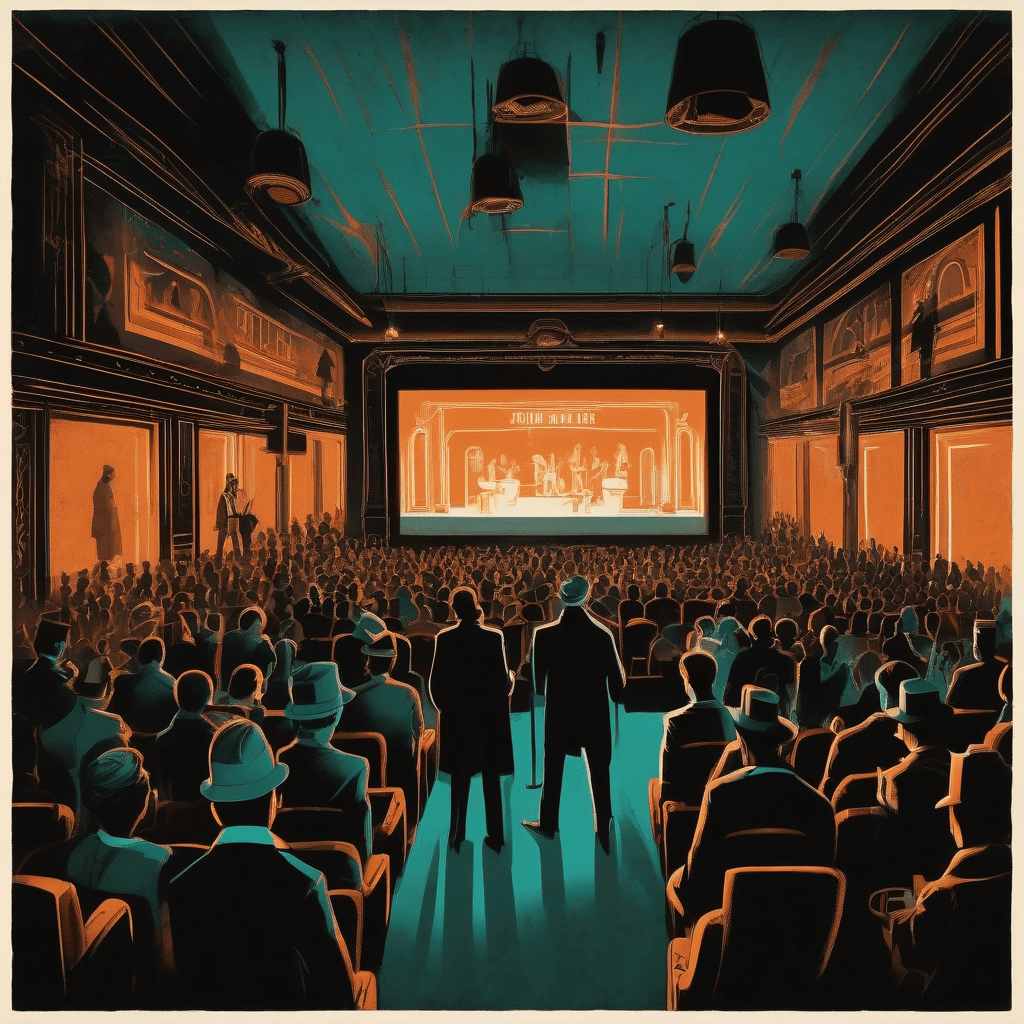
“Dive into the forgotten roots of the cult movie phenomenon, exploring how the daring anomalies of the silent era established the blueprint for transgressive cinema.”
The term cult cinema often conjures images of the 1970s midnight movie circuit—visions of high-heeled scientists in fishnets or post-apocalyptic warriors in the desert. However, the true genetic markers of the cinematic misfit were etched into the celluloid long before the counter-culture revolution. To understand the obsessive devotion of the modern cinephile, one must look back to the early 20th century, a period of wild experimentation where the boundaries of narrative and morality were as fluid as the silver nitrate itself.
The Genesis of the Cinematic Anomaly
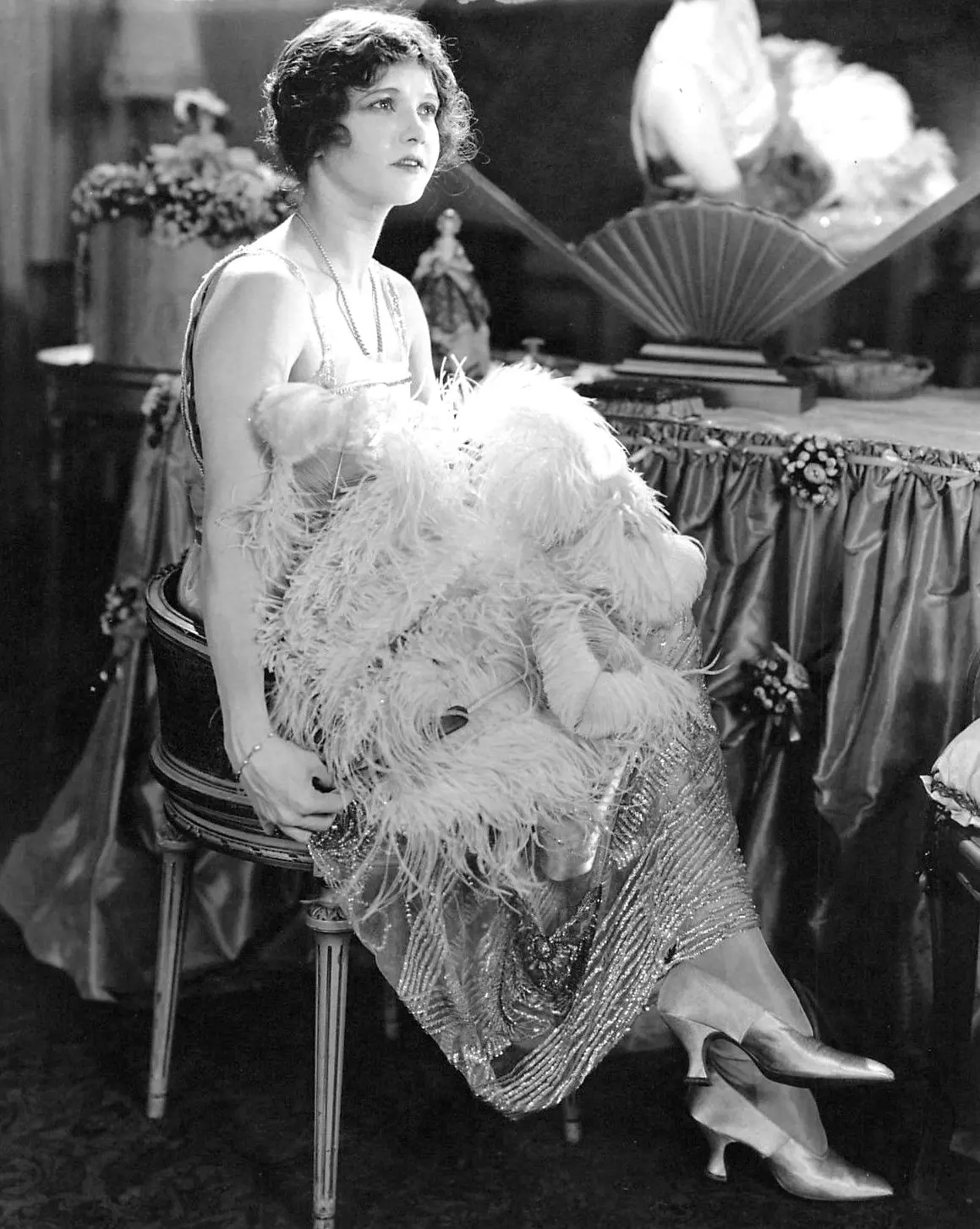
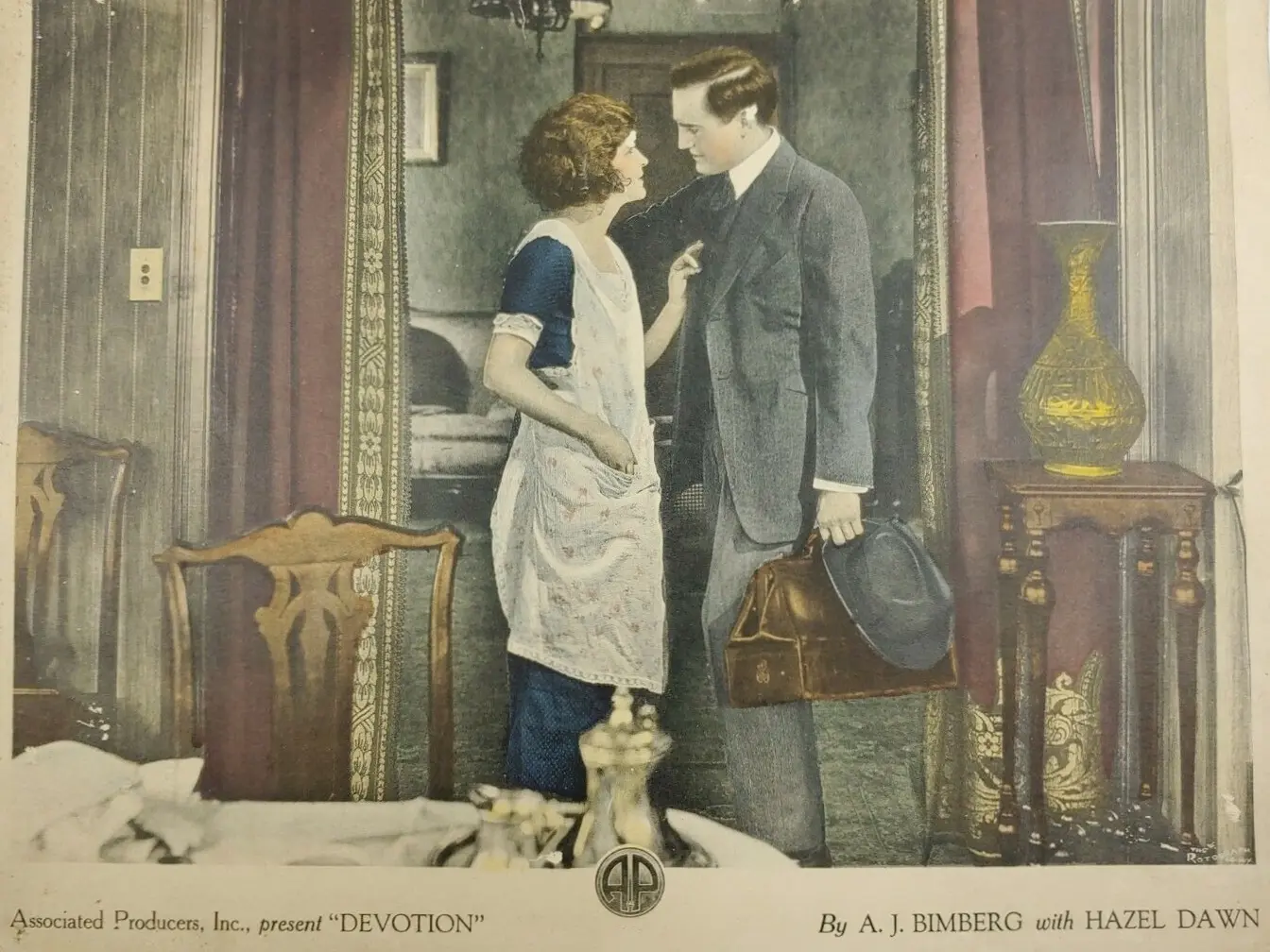
In the decade between 1910 and 1920, the film industry was a frontier without a map. It was here that the outcast narrative first took root. Consider the film The Crimson Wing (1915). Its exploration of a German officer and a French actress on the precipice of war offered a level of romantic intensity that defied the standard melodrama of its time. This wasn't just a story; it was a collision of duty and desire that spoke to the disenfranchised soul. Similarly, Little Mary Sunshine (1916) showcased how cinema could use the innocence of a child to bridge the gap between broken lives, creating a template for the 'emotional rescue' trope that remains a staple of niche indie dramas today.
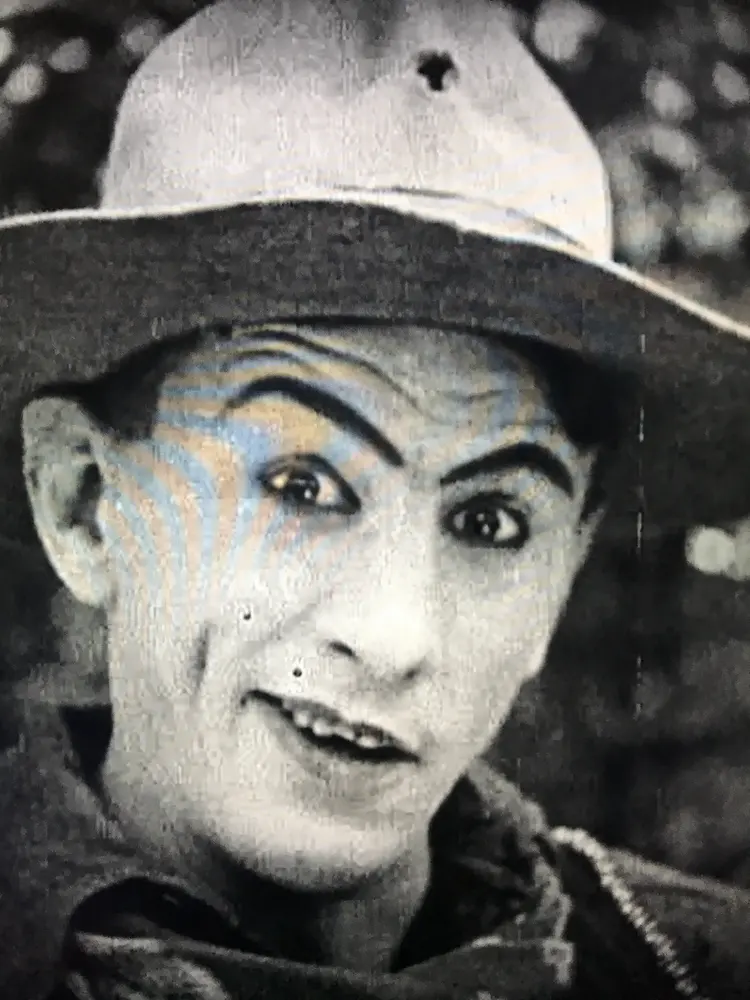
The early era was also a playground for the surreal. In Niobe (1915), we see a statue come to life through the dream of a hen-pecked man—a concept that predates the high-concept fantasies of modern cult auteurs. This willingness to embrace the impossible and the absurd is exactly what draws a dedicated following. When a film like The Ringtailed Rhinoceros (1915) depicts a man’s alcohol-fueled hallucinations with such vivid, bizarre energy, it isn't just entertainment; it is a precursor to the psychedelic cinema of the late 60s.
Transgression and the Moral Fringe
Breaking the Social Contract
Cult films are defined by their refusal to play by the rules, and the silent era was rife with such rebellion. The End of the Road (1919) is perhaps one of the most significant proto-cult artifacts. By contrasting two versions of the 'birds and the bees'—one factual and one prudish—it challenged the social hygiene standards of the day. This type of didactic, yet controversial, storytelling is the bedrock of the 'educational' cult film, much like the later Reefer Madness. It sought to expose truths that the mainstream preferred to keep veiled.
In the same vein, A Romance of the Underworld (1918) took audiences into the dark heart of New York’s drug trafficking rings and corrupt ward bosses. It didn't offer the sanitized version of the city found in travelogues; it offered the grit. This fascination with the urban abyss is a recurring theme in cult classics, from the noir era to the neon-soaked streets of 80s thrillers. Films like Wolves of the Night (1919) and Snap Judgment (1917) furthered this by placing their protagonists in high-stakes, often morally ambiguous situations where the law was either absent or incompetent.
Genre Bending: The Misfit Western and the Gothic Mystery
The Western is often seen as the most traditional of American genres, yet early examples like Back Fire (1917) and Thunderbolt Jack (1920) prove that the genre was once far more eccentric. Back Fire features cowboys who jokingly suggest a robbery, only to find themselves caught in a web of mistaken identity and actual crime. It’s a playful, almost meta-commentary on the genre’s own tropes. Thunderbolt Jack, meanwhile, blends oil-rich land disputes with romantic subplots, showing that the 'Western' was a flexible container for any number of wild ideas.
Then there is the Gothic and the Macabre. Before the Universal Monsters dominated the screen, films like The Strangler's Cord (1915) and The Silent Mystery (1918) were terrifying audiences with cobras in beds and stolen Egyptian jewels. The Silent Mystery, with its plot involving a mummy’s 'Eye of the World' and a high-stakes theft in the United States, established the pulp-horror aesthetic that would later inspire everything from The Mummy to Indiana Jones. These films existed in a space of heightened reality—a 'fever dream' state that is the natural habitat of the cult film.
The International Maverick: From Russia to Sweden
The cult spirit was never confined to Hollywood. The early 1920s saw the rise of the avant-garde on a global scale. Dziga Vertov’s Kino-pravda no. 1 (1922) wasn't just a newsreel; it was a radical experiment in documenting Russian life, using the camera as a 'cinema-eye' to capture truths beyond human perception. This rejection of traditional narrative in favor of pure visual energy is a hallmark of the experimental cult canon.
In Sweden, Die weisse Wüste (The White Desert, 1922) offered a harrowing tale of mutiny, shipwreck, and survival in the icy wastes. Its depiction of the violent Captain Gaustad and the sheer brutality of nature provided a visceral experience that resonated with those seeking something more intense than the standard drawing-room drama. Similarly, the German production Irrende Seelen (1921), an adaptation of Dostoevsky’s The Idiot, delved into the psychological torment of Prince Myschkin, bringing a dark, European sensibility to the screen that would eventually influence the American noir and the psychological thriller.
The Archetype of the Rebel and the 'Wild Child'
Defining the Cult Heroine
Many cult films center on a protagonist who simply does not fit in. Mickey (1918), starring Mabel Normand, introduced an orphan brought up in a mining settlement who is thrust into the high society of New York. Her refusal to conform and her rugged, 'unladylike' behavior made her a hero to those who felt marginalized by societal expectations. This 'wild child' archetype was echoed in The Place Beyond the Winds (1916), where Priscilla Glenn, a child of the woods, must navigate a world of browbeating men who see no beauty in nature.
Even the more lighthearted films of the era, like The Delicious Little Devil (1919) starring Mae Murray, played with identity and class in ways that felt subversive. A poor hat-check girl pretending to be a scandalous dancer to win over a rich man’s son is a classic 'fake it until you make it' story that resonates with the aspirational, yet rebellious, spirit of cult fandom. These characters were the predecessors to the rebel icons of later decades—the outsiders who used their wits and their uniqueness to survive a world that didn't want them.
The Shadow of the Silent Screen: Conclusion
Whether it is the domestic drama of Little Women (1918), which found Jo March yearning for a life of writing and independence, or the dark, poisoned-chance narrative of The Cigarette (1919), early cinema was a crucible of unconventional ideas. We see the roots of horror-comedy in For Rent: Haunted (1918), where children use a 'haunted' house to save an old woman from eviction. We see the beginnings of the psychological drama in The Enemy (1916), where an architect battles alcoholism and finds redemption through the help of a young admirer.
These films, many of them lost or existing only in fragmented reels like Die rote Nacht or Im Banne des Andern, represent the shadow history of the medium. They are the 'lost tapes' and the 'forgotten gems' that fuel the modern obsession with film preservation and discovery. To be a fan of cult cinema is to be an archaeologist of the unconventional. It is to find the beauty in The Wall Flower (1922) or the thrill in In the Last Stride (1916). As we continue to dig through the archives of the 1910s and 20s, we aren't just finding old movies; we are finding the very soul of the cinematic rebellion that continues to thrive in the dark corners of the theater and the deepest corners of our hearts.
Community
Comments
Log in to comment.
Loading comments…