
Cult Cinema
The Outlaw Archive: How the Silent Era’s Genre Rebels and Moral Outcasts Sculpted the Cult Movie Identity
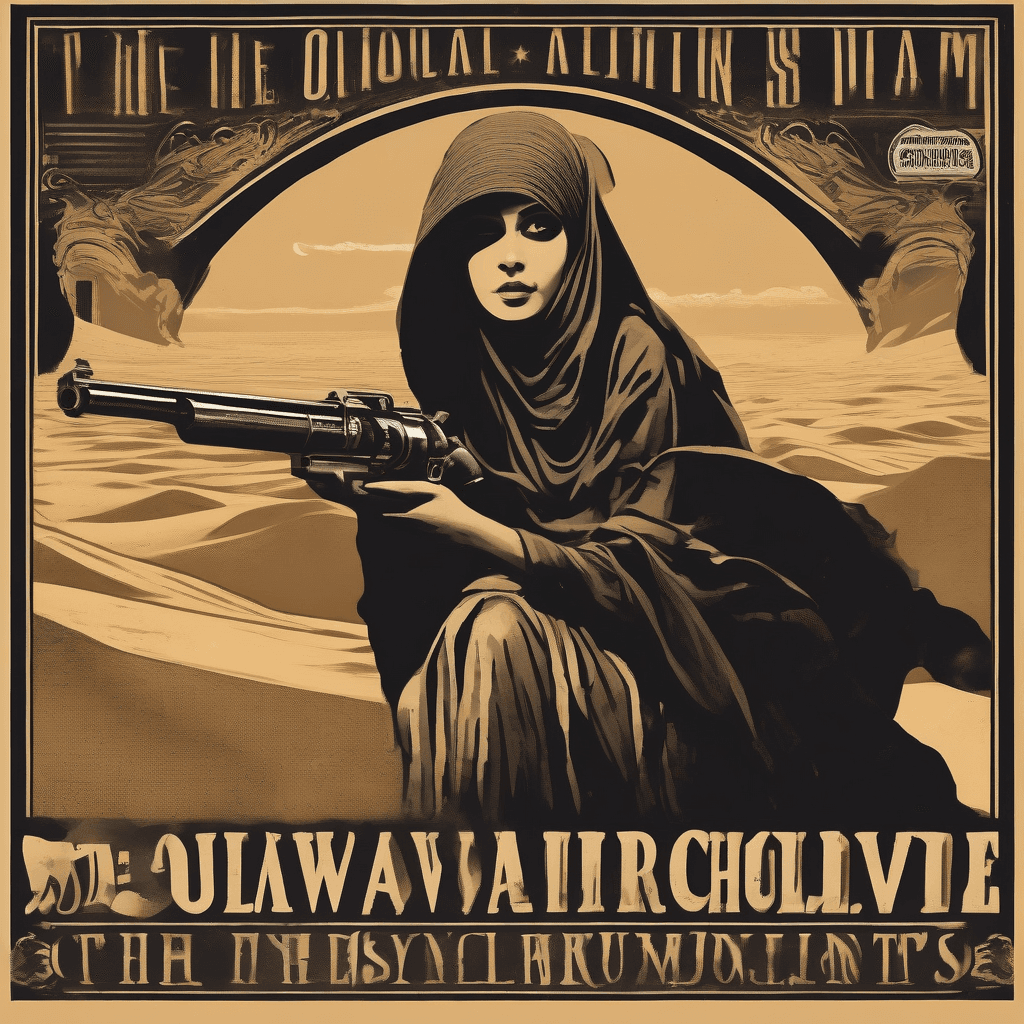
“A deep dive into the transgressive roots of the 1910s, exploring how forgotten silent-era anomalies and misfit narratives birthed the modern cult cinema obsession.”
To understand the modern midnight movie, one must look past the neon-soaked 1970s and the grindhouse 1980s, descending instead into the flickering shadows of the 1910s. This was the era of the Celluloid Outlaw, a time when the rules of narrative were being written in sand and the boundaries of moral decency were being tested by directors who operated on the fringes of the nascent studio system. Long before the term 'cult film' was coined, the 1910s produced a series of anomalies—films like The Morals of Hilda and Witchcraft—that challenged the status quo and invited a specific, devoted kind of viewership. These were not just movies; they were provocations.
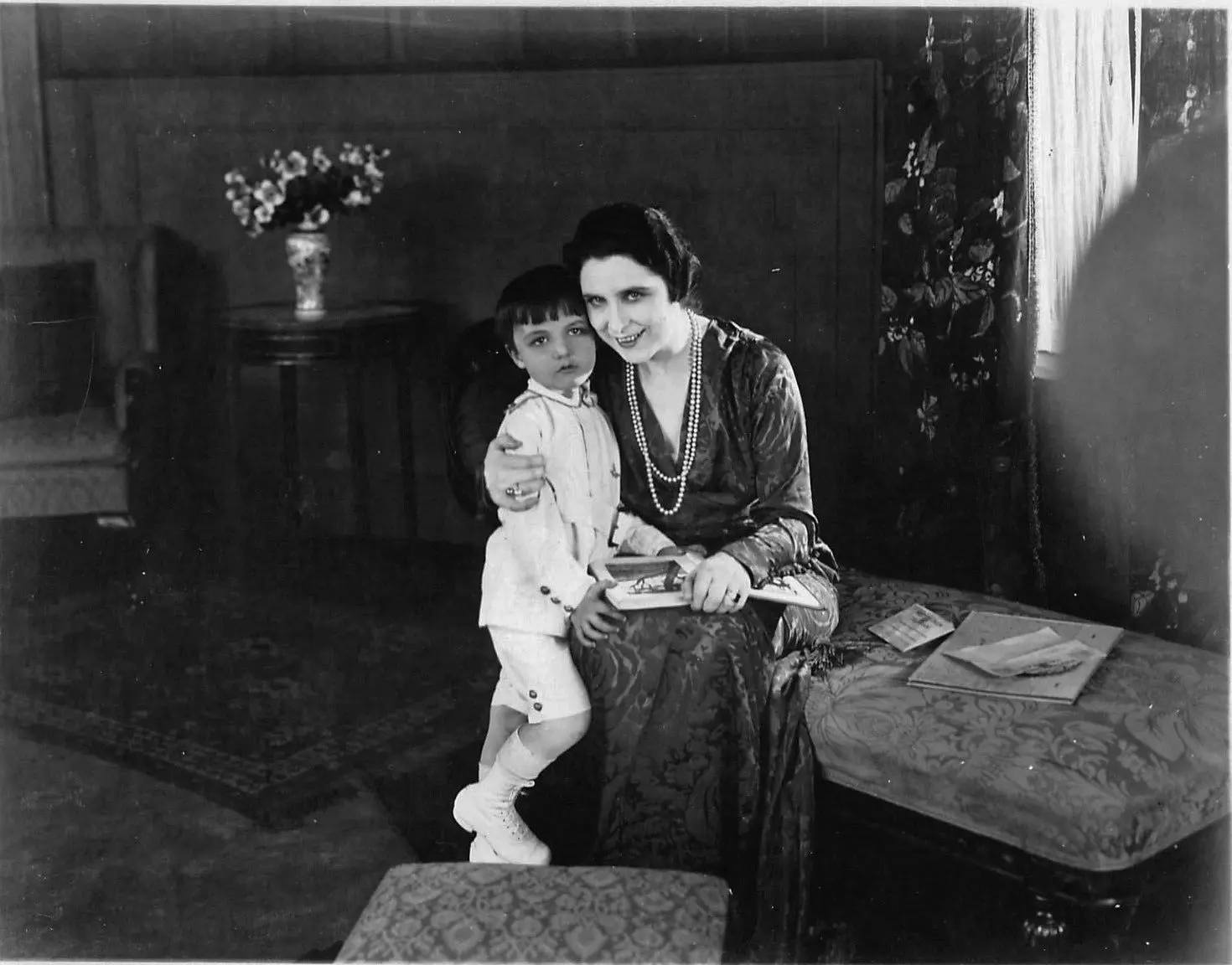
The Transgressive Soul of the Silent Fringe
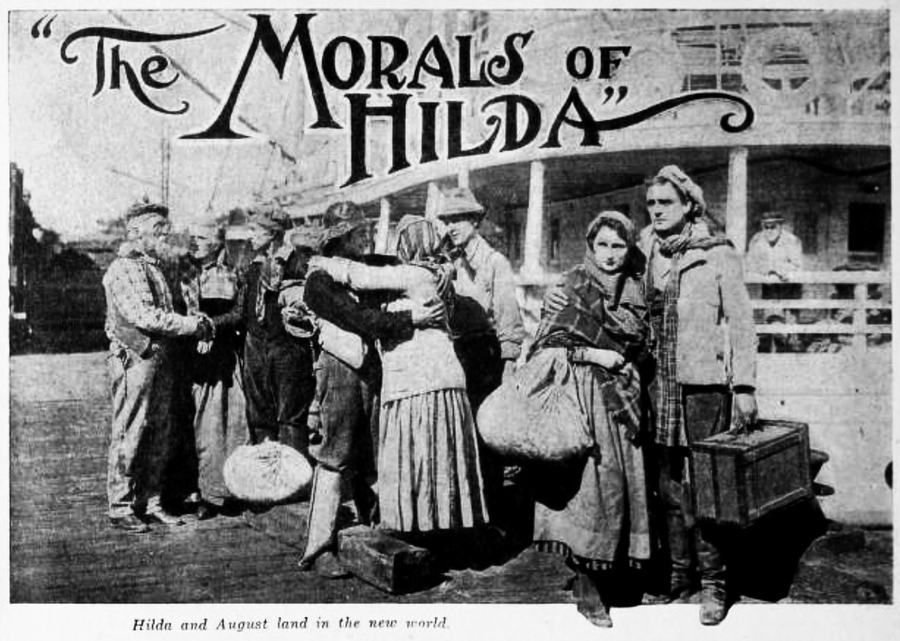
Cult cinema has always been defined by its relationship with the 'other.' In the early 20th century, this 'otherness' was often found in the exploration of moral gray areas that the mainstream sought to sanitize. Consider the 1916 film The Morals of Hilda. In an era obsessed with the sanctity of marriage, this film dared to present immigrants who viewed the American emphasis on weddings as a foreign absurdity. It was a narrative of cultural friction that prefigured the social critiques of modern cult classics. Similarly, Shall We Forgive Her? pushed the audience into a harrowing desert landscape where the protagonist, Grace Raymond, was forced to choose between the violence of outlaws and the squalor of a failing relationship. These films didn't offer easy answers; they offered visceral experiences that resonated with audiences who felt out of step with Victorian sensibilities.
The Birth of the Genre Hybrid
One of the hallmarks of cult cinema is the refusal to stay within the lines of a single genre. The 1910s were a laboratory for such experimentation. Dew Drop Inn is a perfect example of this early madness—a story where a lawman hunting moonshiners stumbles upon a female director filming a movie with an entirely female cast. It is a meta-narrative, a comedy, and a proto-feminist statement all rolled into one. This kind of genre-bending is exactly what draws modern cinephiles to obscure titles. They seek the unexpected, the moment where the internal logic of a film breaks down to reveal something far more interesting. Even in shorts like The Aero Nut or Ambrose in Bad, we see the seeds of the 'absurdist cult'—a devotion to the chaotic and the nonsensical that would later define the works of directors like John Waters or David Lynch.
Outlaws, Wolves, and the Charismatic Anti-Hero
The cult icon is often a figure who exists outside the law, a rebel who operates by a personal code that the rest of society cannot understand. The silent era gave us the archetypal 'Wolf.' In The Wolf and His Mate, Donald Bayne is a man of the North who resorts to violence to reclaim what he believes is his. He is not a traditional hero, but a primal force. This theme of the rugged, misunderstood loner is echoed in The Gun Fighter, where Cliff Hudspeth leads a band of outlaws in the Gila Mountains. These characters are the spiritual ancestors of the anti-heroes that dominate midnight screenings today. They represent a rejection of the 'civilized' world, a sentiment that has always fueled the fires of niche fandom.
The Lure of the Exotic and the Occult
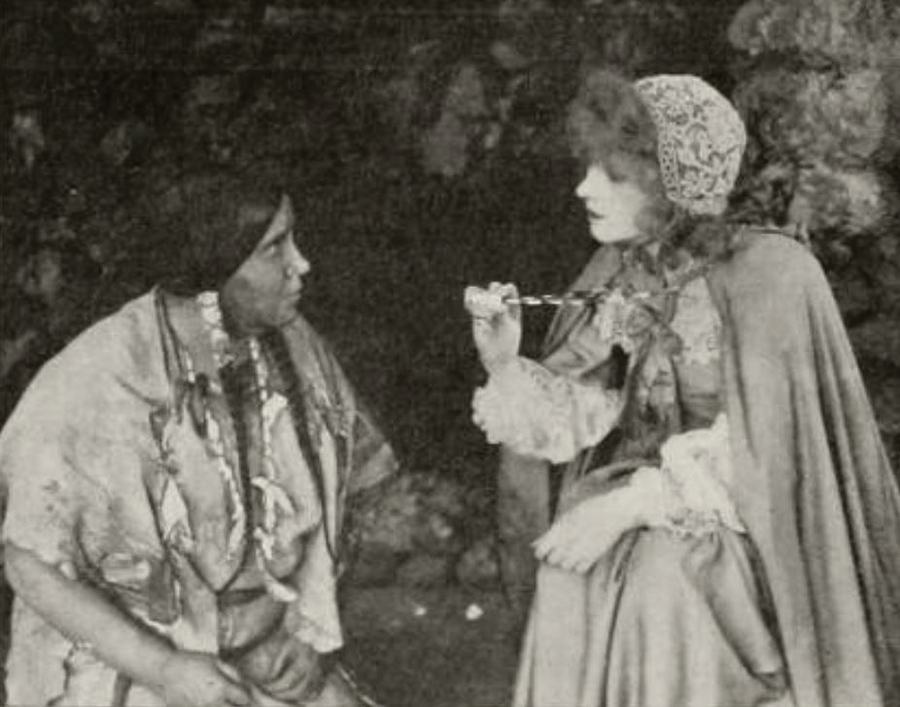
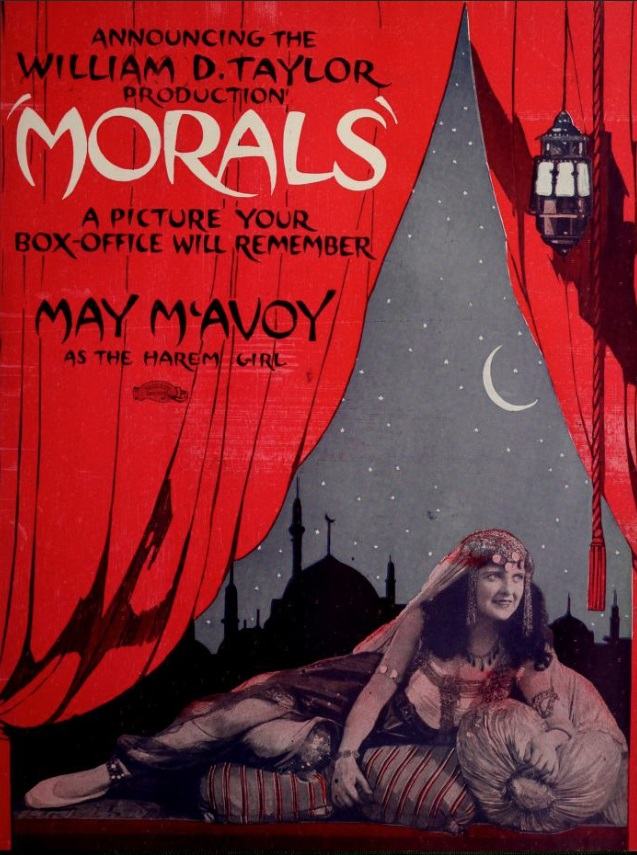
Early cinema was obsessed with the 'exotic,' often through a lens that was both fascinated and fearful. Films like Under the Crescent, a six-part serial involving an American actress in 'Old Egypt,' and The Idol Dancer, set on a South Seas island, utilized their settings to create a sense of 'otherworldly' mystery. While these films often relied on the tropes of their time, their visual ambition and strange plot points—such as a battle to 'civilize' a native dancer—created a spectacle that was ripe for cult devotion. Then there is the supernatural. Witchcraft (1916) delved into the hysteria of the New England colonies, providing a dark, historical horror that feels remarkably modern in its intensity. And who could forget Niobe, where a statue comes to life in the dream of a hen-pecked man? These surrealist flourishes are the DNA of the 'weird' cinema that fans hunt for in the bargain bins of history.
Subverting the Domestic and the Divine
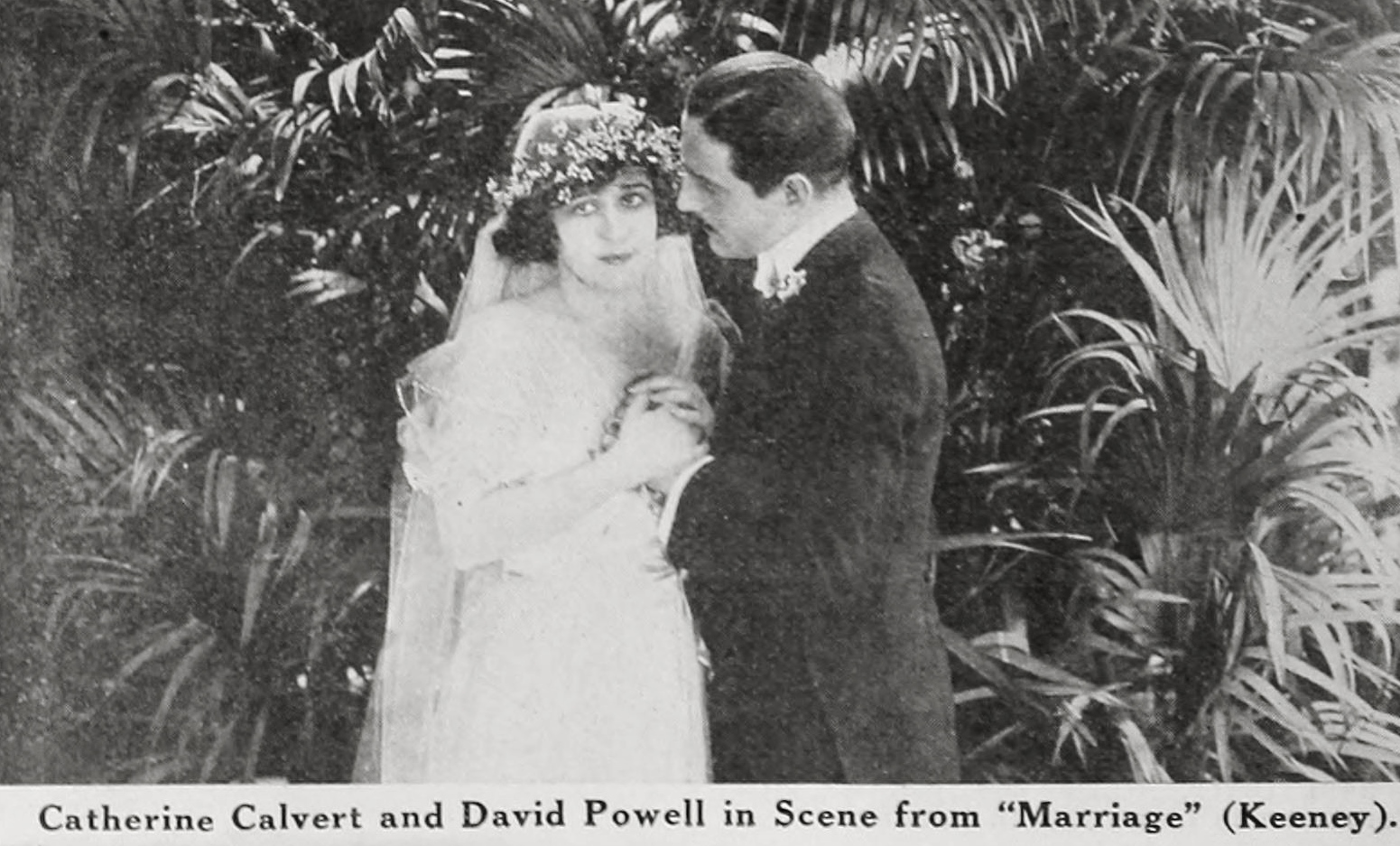
Cult films often succeed by taking the familiar and twisting it until it becomes unrecognizable. The Old Nest might seem like a standard drama about a large family, but its focus on the slow dissolution of the family unit and the tragic fate of the children provides a melancholic depth that transcends simple melodrama. On the other end of the spectrum, Miss Hobbs features a 'modern young woman' who actively hates men, only to have her worldview challenged by love. While the resolution may seem conventional, the character’s initial radical stance was a shock to the system in 1920. Similarly, Put Up Your Hands! subverted expectations by having its female lead stage a boxing match during a tea for a minister. These moments of domestic rebellion are the quiet precursors to the cinematic revolutions of the 1960s.
The Political as the Peculiar
Sometimes, a film becomes a cult object simply because it is a bizarre artifact of its time. My Four Years in Germany, a semi-documentary based on the experiences of Ambassador James Gerard, is a fascinating look at propaganda and historical memory. It is a film that demands to be decoded, much like the strange sci-fi elements of Wolves of Kultur, with its wireless torpedoes and radio-controlled destruction. These films remind us that the 'cult' label isn't just about quality; it's about historical resonance and the way a piece of media can capture a very specific, often very strange, cultural moment.
From the Steerage to the Screen
The immigrant experience, a central theme in early 20th-century life, was also a fertile ground for the unusual. Astray from the Steerage takes the plight of an immigrant couple and turns it into a slapstick comedy involving a trapped smuggler. This blending of real-world struggle with absurdist humor is a hallmark of the cult sensibility. It acknowledges the darkness of the world while finding something ridiculous within it. Whether it is the 'white slave' narratives of Den hvide Slavehandels sidste Offer or the redemption arcs of Salvation Nell, these films were reaching out to an audience that knew what it meant to be on the outside looking in.
Legacy of the Silent Mavericks
As we look back at the 50 films that helped define this era, from the mystery of The Crucial Test to the rugged romance of Wild Sumac, we see a pattern of rebellion. The 1910s were not a quiet prelude to the 'real' cinema of the talkies; they were a wild, untamed frontier where the very idea of what a movie could be was constantly under fire. The cult cinema of today—the films that we obsess over, the ones we watch at 2 AM in crowded basements—owes its life to these silent renegades. They taught us that a film doesn't need a massive budget or universal acclaim to be important. It only needs a voice, a vision, and the courage to be magnificently strange.
In the end, the 'Outlaw Archive' of the 1910s serves as a reminder that the most enduring films are often the ones that were never meant to fit in. They are the misfit masterpieces that continue to haunt our collective subconscious, proving that the spirit of the cult movie was born the moment the first camera started rolling and someone decided to film something they weren't supposed to.
Community
Comments
Log in to comment.
Loading comments…