
Cult Cinema
The Outsider’s Overture: How Cinema’s Early Deviants Scripted the Cult Narrative
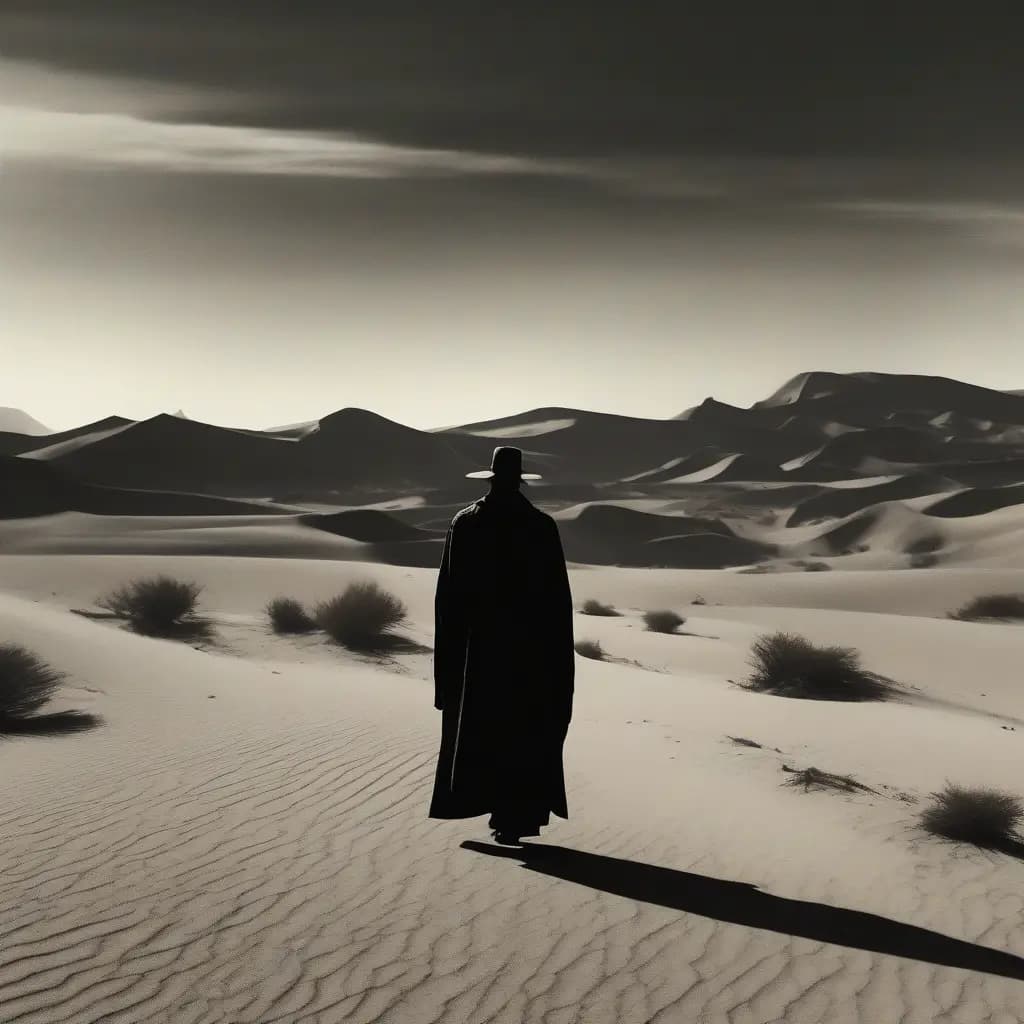
“A deep dive into the primal roots of cult cinema, exploring how the silent era's genre-bending outcasts and forgotten reels forged the DNA of modern midnight movie devotion.”
The term cult cinema often conjures images of neon-soaked midnight screenings, 1970s grindhouse grit, or the campy aesthetics of the 1980s. However, the true architecture of the cult phenomenon was drafted much earlier, in the flickering shadows of the silent and early sound eras. Long before the term was popularized, a collection of narrative orphans, genre-defying experiments, and moral provocateurs were already carving out a space for what we now recognize as the midnight movie mindset. To understand the modern obsession with the unconventional, we must look back at the films that dared to be different when the industry was still defining what it meant to be 'normal.'
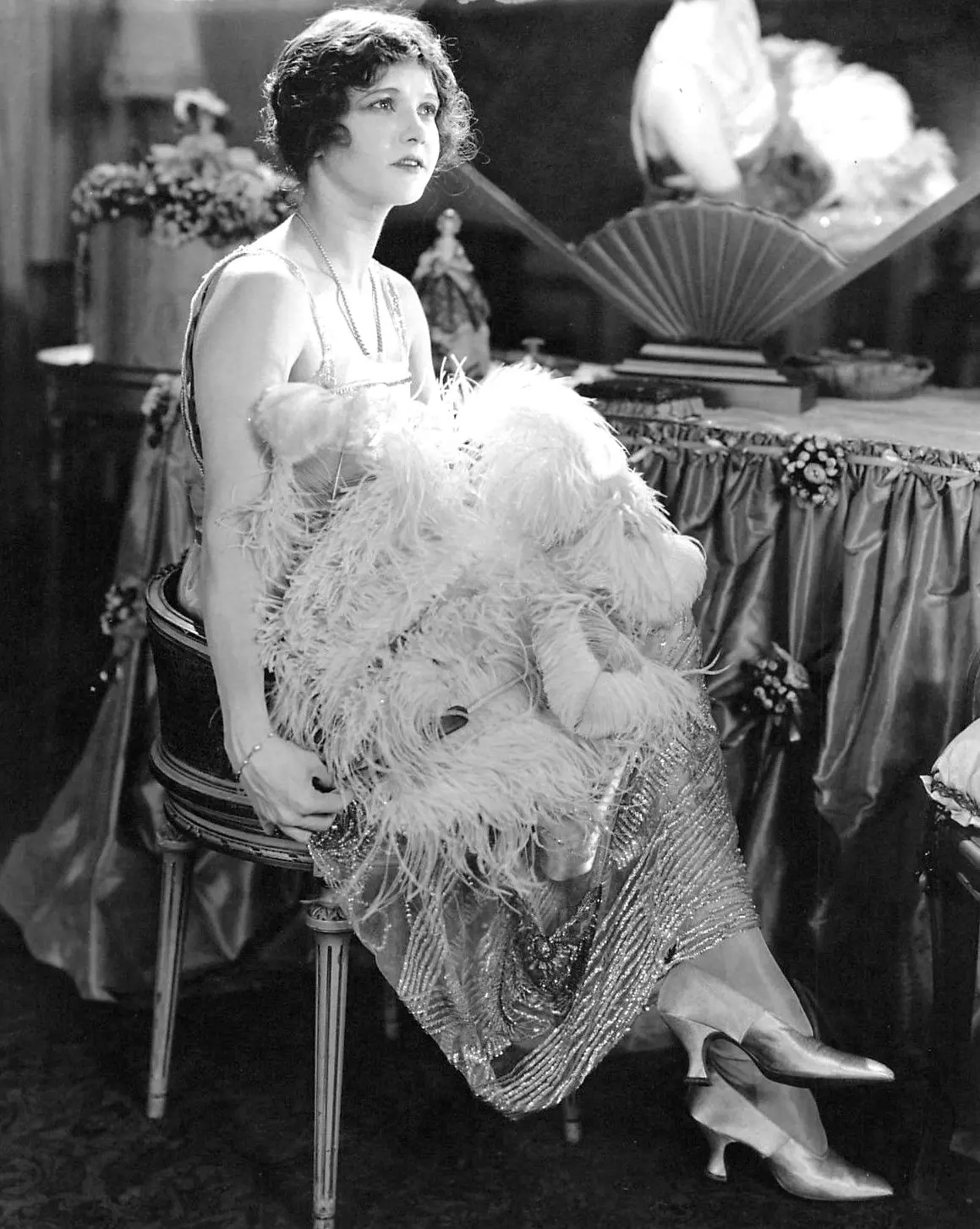
The Theology of the Obsessed: Divine Madness in Early Film
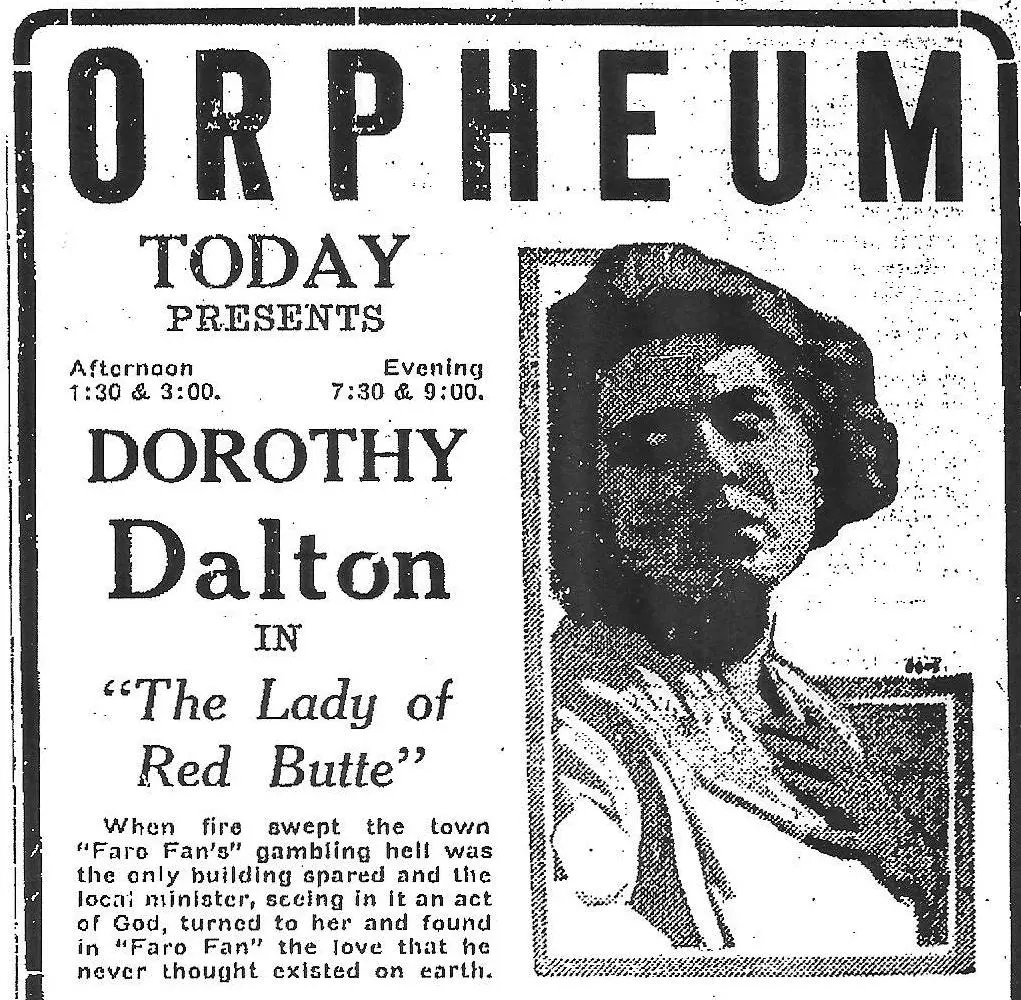
One of the most potent ingredients of cult cinema is the exploration of obsession—characters who drift beyond the boundaries of societal reason. Consider the 1919 classic The Lady of Red Butte. Here, we find Webster Smith, a theology student whose mind fractures under the weight of his own devotion. As he wanders the desert, believing himself to be a savior of God, he enters the mining town of Red Butte. This narrative of a 'holy fool' or a man unmoored by spiritual strain is a direct ancestor to the visionary protagonists of modern cult favorites. The film’s juxtaposition of religious fervor with the gritty reality of a saloon run by Faro Fan creates a tension that is quintessentially cult: the sacred meeting the profane in a lawless landscape.

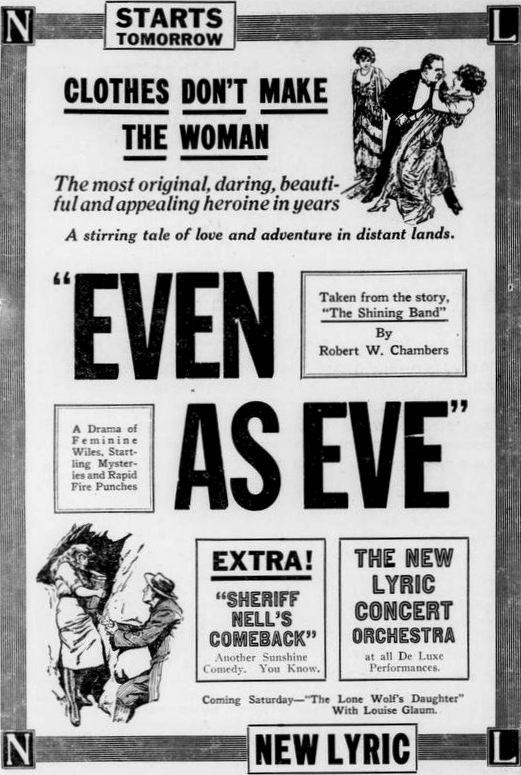
Similarly, Even as Eve (1920) takes us into the heart of a remote Adirondack retreat, where a cult-like isolation breeds embittered hearts and fractured loyalties. These early depictions of isolated communities and moral extremes set the stage for the 'folk horror' and 'psychological thriller' subgenres that dominate the fringes of cinema today. The character of Eileen O’Hara, living under the shadow of her father’s bitterness, reflects the trope of the trapped soul that has become a staple of transgressive storytelling.
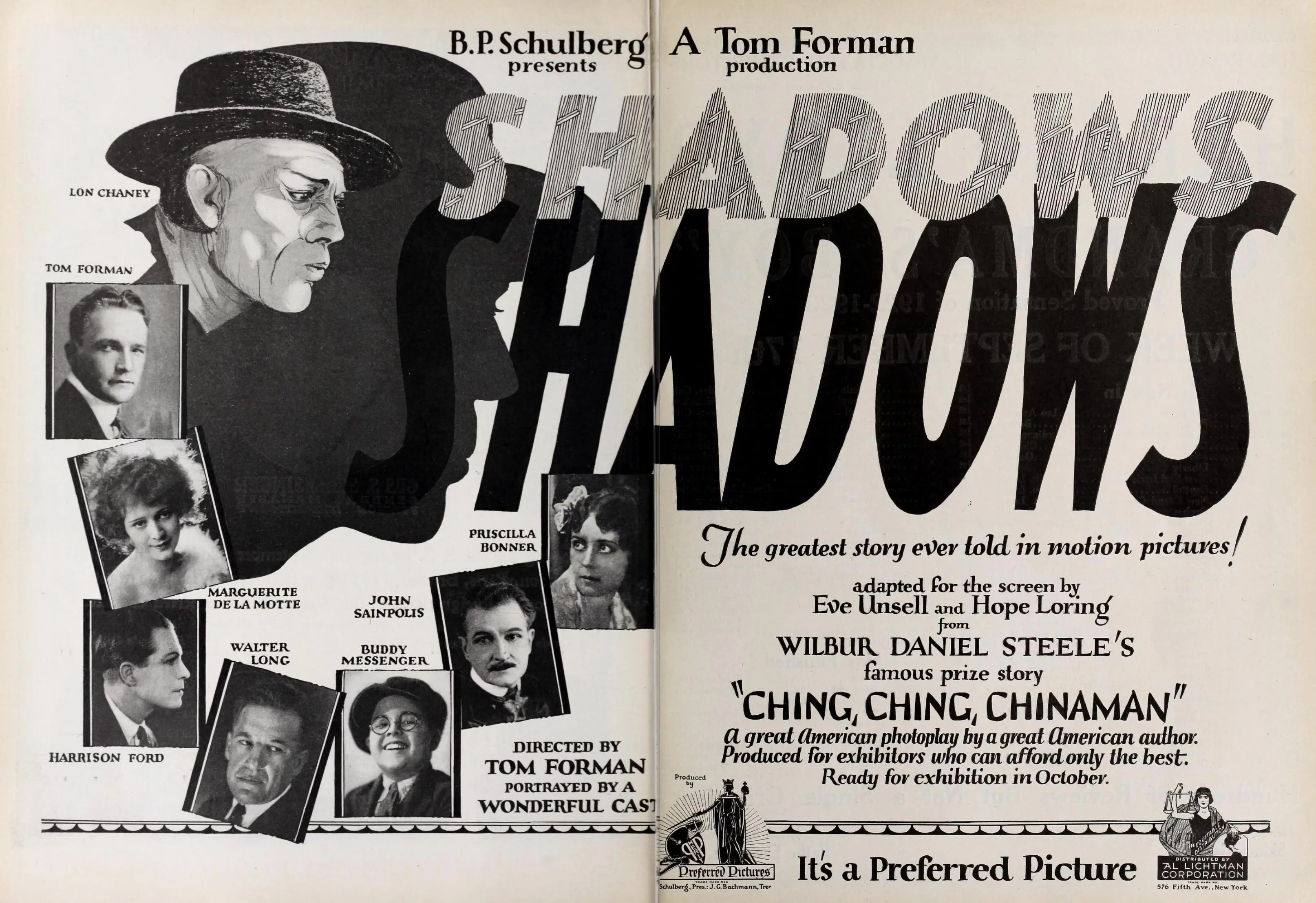
The Artificial Man and the Shadow of Obsession
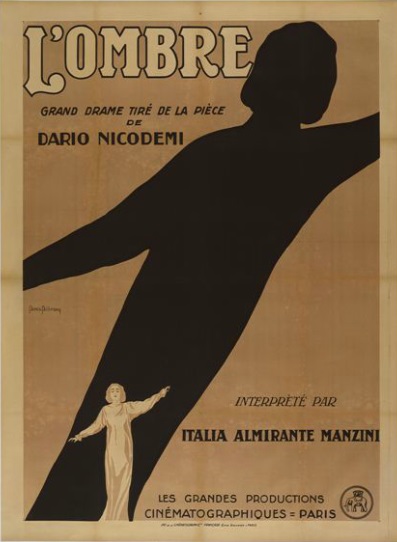
No discussion of early cult foundations is complete without acknowledging the German expressionist influence, particularly the Homunculus series. In Homunculus, 6. Teil - Das Ende des Homunculus (1916), we witness the tragic conclusion of an artificial being’s existence. The Homunculus, a creature of science lacking a soul, embodies the ultimate outsider. This existential dread—the 'otherness' that defines the cult icon—is mirrored in the shiftless protagonist of Phantom (1922). In Phantom, the obsession with a mysterious, unattainable woman drives a man toward the brink of ruin. This theme of the destructive, all-consuming gaze is a precursor to the noir and neo-noir films that cult audiences have championed for decades. These films didn't just tell stories; they captured a specific, haunting atmosphere that resonated with viewers who felt like outsiders themselves.
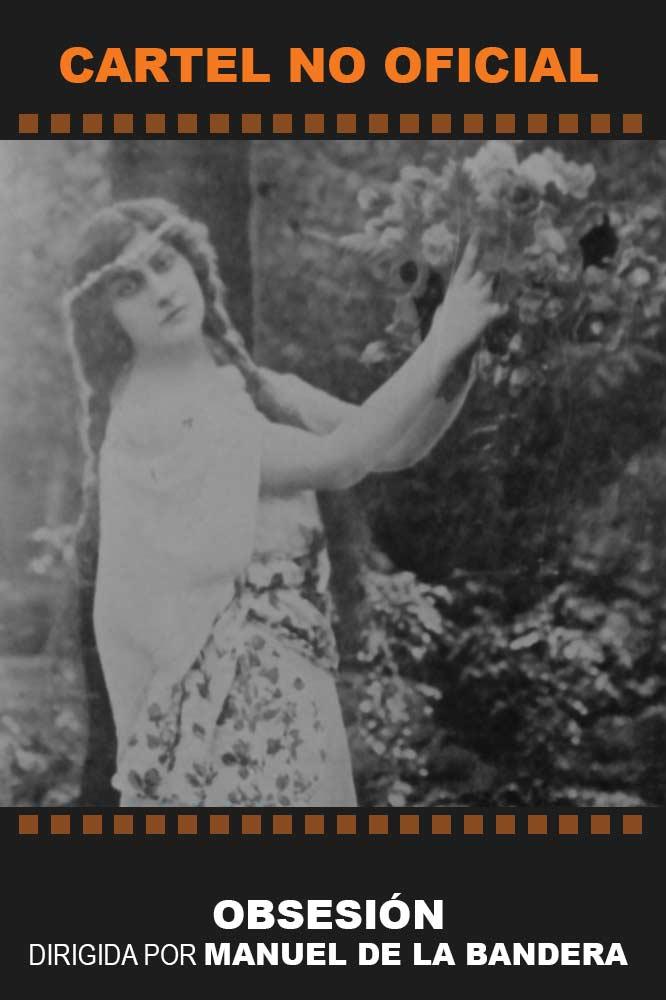
Genre Mutants and Narrative Anarchy
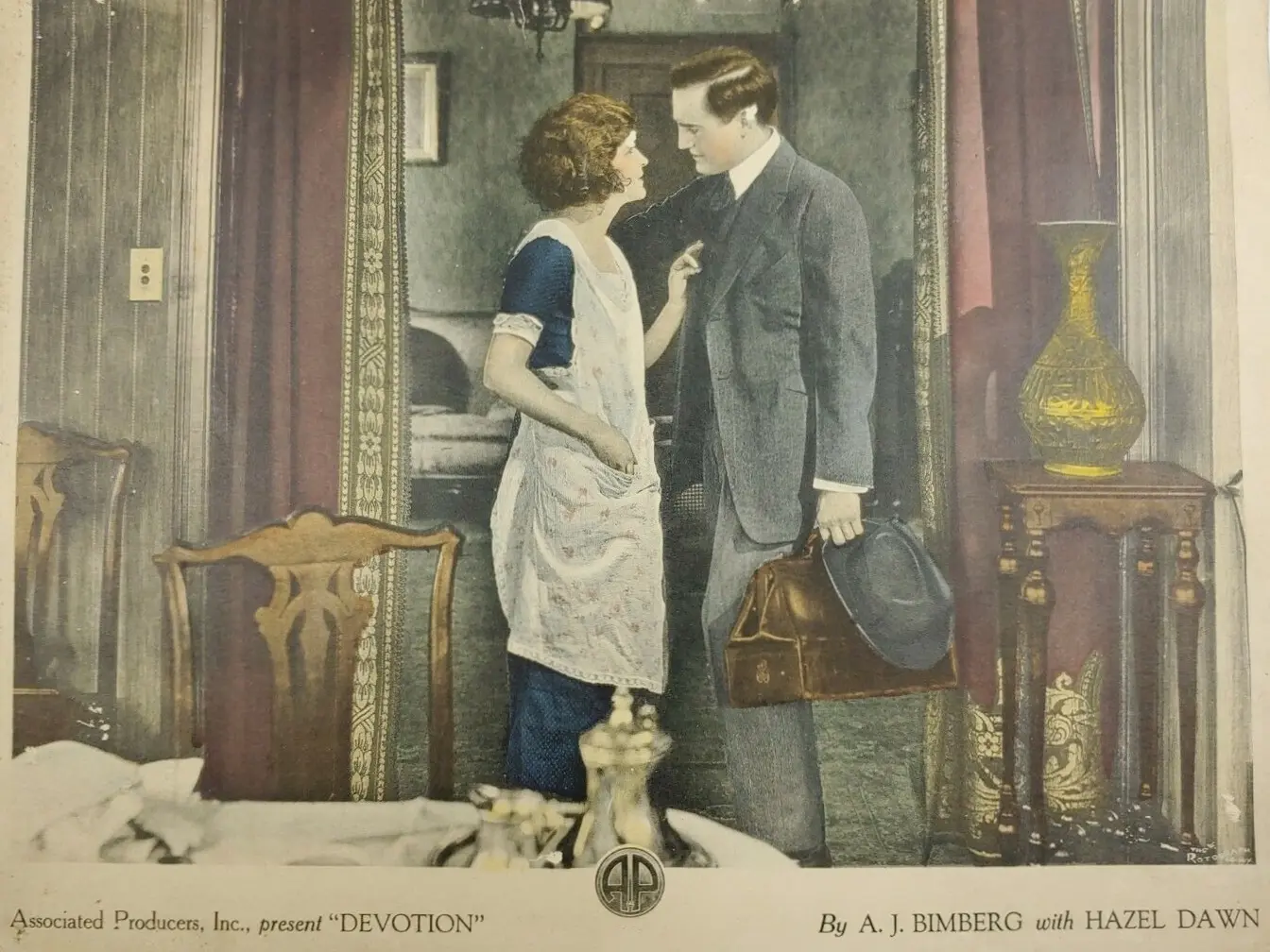
Early cinema was a laboratory where genres were often blended with reckless abandon. Destroying Angel (1923) is a prime example of this narrative alchemy. It begins with the premise of a man, Hugh Whittaker, believing he is terminally ill and marrying a deserted woman as an act of mercy, only to recover and return to find a complex web of romance, crime, and comedy. This refusal to stick to a single emotional lane is exactly what makes a film 'cult.' It defies the easy categorization of the mainstream, offering a viewing experience that is as unpredictable as it is evocative.
We see a similar subversion in The Little Minister (1921), where the clash between industrialization and rural tradition is played out through the frolics of Babbie and the simple weavers of Scotland. While it may appear as a period drama, its underlying theme of rebellion against the 'Lord Rintouls' of the world—the agents of cold progress—strikes a chord with the anti-establishment heart of the cult viewer. It is a story of the fringe fighting to maintain its identity against the encroaching machine.
The Transgressive Feminine: Sapho and the Enemy Sex
Cult cinema has always been a sanctuary for stories of 'dangerous' women—characters who challenge the patriarchal moral codes of their time. Sapho (1913) features a woman with a notorious past who enchants a young student. In the early 20th century, such a narrative was a direct challenge to the Victorian sensibilities that still lingered in society. The 'Sapho' figure is the blueprint for the femme fatale, but more importantly, she is an icon of agency in a world that sought to categorize her as merely a 'fallen woman.'
This thread continues in The Enemy Sex (1924), where the chorus girl 'Dodo' Baxter must navigate a sea of wealthy, predatory men. Dodo’s refusal to be a conquest and her ability to outmaneuver the millionaire Albert Sassoon and his cohorts is a proto-feminist victory that resonates with the subversive spirit of cult cinema. These films provided a space for audiences to witness the 'deviant'—not as a villain, but as a survivor. The moral complexity of films like The Cup of Life (1921), which contrasts the lives of two sisters in an East Side tenement, further explores the price of ambition and the 'yearning for fine clothes' versus the 'regular fellow.' It is a gritty, realistic look at the class struggle that often underpins the most enduring cult narratives.
The Documentary as Found Footage: Jungle Adventures and Arctic Rescues
The cult obsession with 'truth' and the 'unseen' finds its roots in the early documentary features that brought the edge of the world to local theaters. Jungle Adventures (1921), a feature-length documentary on Borneo by the Johnsons, offered a glimpse into conditions that were entirely alien to the Western audience of the time. This fascination with the 'exotic' and the 'real' is the same impulse that drives the modern 'found footage' or 'mondo' film cults. The audience is invited to be a voyeur into a reality they cannot otherwise access.
Similarly, Rescue of the Stefansson Arctic Expedition (1914) documented the search for a missing party in the frozen north. There is a raw, unpolished quality to these early records that creates a sense of immediate danger and discovery. For the cult enthusiast, these films are not just historical artifacts; they are windows into the primal struggle of man against nature, captured on celluloid that feels as fragile as the lives it depicts. This aesthetic of 'the document'—the grainy, imperfect record—is a key visual component of the cult aesthetic.
The Comedy of the Grotesque and the Absurd
Cult cinema isn't always dark; it often embraces the absurd and the slapstick with a fervor that borders on the religious. The short films of the era, such as Apartment Wanted (1921) and Always Late (1918), showcased a brand of humor that relied on the frustration of the common man against the bureaucracy of existence. In Apartment Wanted, the protagonist’s attempts to scare out tenants with a mouse—only to have it backfire—echoes the 'cringe comedy' that would later define cult television and film.
Then there is the figure of the 'serious-minded fool,' exemplified in One-Thing-at-a-Time O'Day (1919). Stradivarious O'Day, who 'fiddles his time away,' is the quintessential cult protagonist: a man with a singular, eccentric focus that makes him an outlier in a world of practicalities. His motto—'one thing at a time and that done well'—is a manifesto for the obsessive, the collector, and the fan. It is the humor of the misfit, the person who doesn't quite fit the gears of the social machine, a theme that runs through the work of cult icons from Buster Keaton to John Waters.
Lost Reels and the Ghost of Madeleine de Verchères
Perhaps the most 'cult' aspect of early cinema is the tragedy of the lost film. Madeleine de Verchères (1922), an historical feature from Quebec, is now a ghost—a film that exists only in records and memories. The 'lost film' is the ultimate object of cult devotion; it is a myth that can never be fully debunked or confirmed. The search for these missing pieces of history—the celluloid ghosts—is a ritual that defines the most dedicated segments of the film community.
Every time we watch a surviving fragment of a film like La brèche d'enfer or Sands of Sacrifice (1917), we are participating in a séance. We are looking at a world that was nearly erased, populated by characters like Enoch Foyle and Nora Farnes who embody the 'unruly' and the 'harassed.' These films, often dismissed by the mainstream as mere 'antiques,' are in fact the genetic material of our modern cinematic rebellion. They represent a time when the rules were still being written, and the 'outlier' was not yet a category, but a necessity of the creative process.
Conclusion: The Eternal Midnight
Cult cinema is more than just a collection of weird movies; it is a way of seeing the world. It is a preference for the misfit over the model, the renegade over the ruler, and the shadow over the spotlight. From the theological madness of The Lady of Red Butte to the artificial existentialism of Homunculus, the early era of film provided the foundational myths of the cult experience.
As we continue to gather in dark rooms (or on digital platforms) to celebrate the unconventional, we are following a trail blazed by the 'serious-minded fools' and the 'chorus girls' of the 1910s and 20s. We are the descendants of those who watched Sapho and felt a thrill of defiance. The Outsider’s Overture was played long ago, but its melody still guides the rebels, the dreamers, and the devotees of the cinematic fringe today. In the end, every cult film is a message in a bottle from a time when the screen was a frontier, and the only limit was the reach of the human imagination.
Community
Comments
Log in to comment.
Loading comments…