
Cult Cinema Deep Dive
The Phantasmagoric Fringe: Unearthing the Primal Deviance and Maverick Soul of Early Cinema’s Forgotten Misfits

“A deep-dive exploration into how the transgressive themes and narrative anarchy of the silent era's most obscure films laid the genetic foundation for modern cult cinema.”
When we speak of cult cinema, the mind often wanders to the neon-soaked midnight screenings of the 1970s or the grainy VHS tapes of the 1980s. We think of transgressive performance, narrative dissonance, and a fierce devotion to the unconventional. However, the true genetic blueprint of the cult movie was not written in the age of celluloid punk; it was forged in the flickering shadows of the silent era. Between 1910 and 1920, cinema was a Wild West of experimentation, where the lack of rigid studio formulas allowed for a degree of thematic anarchy that would make modern directors blush. To understand the modern cult obsession, we must look back at the Phantasmagoric Fringe—those forgotten misfits and genre mutants that first dared to challenge the status quo.
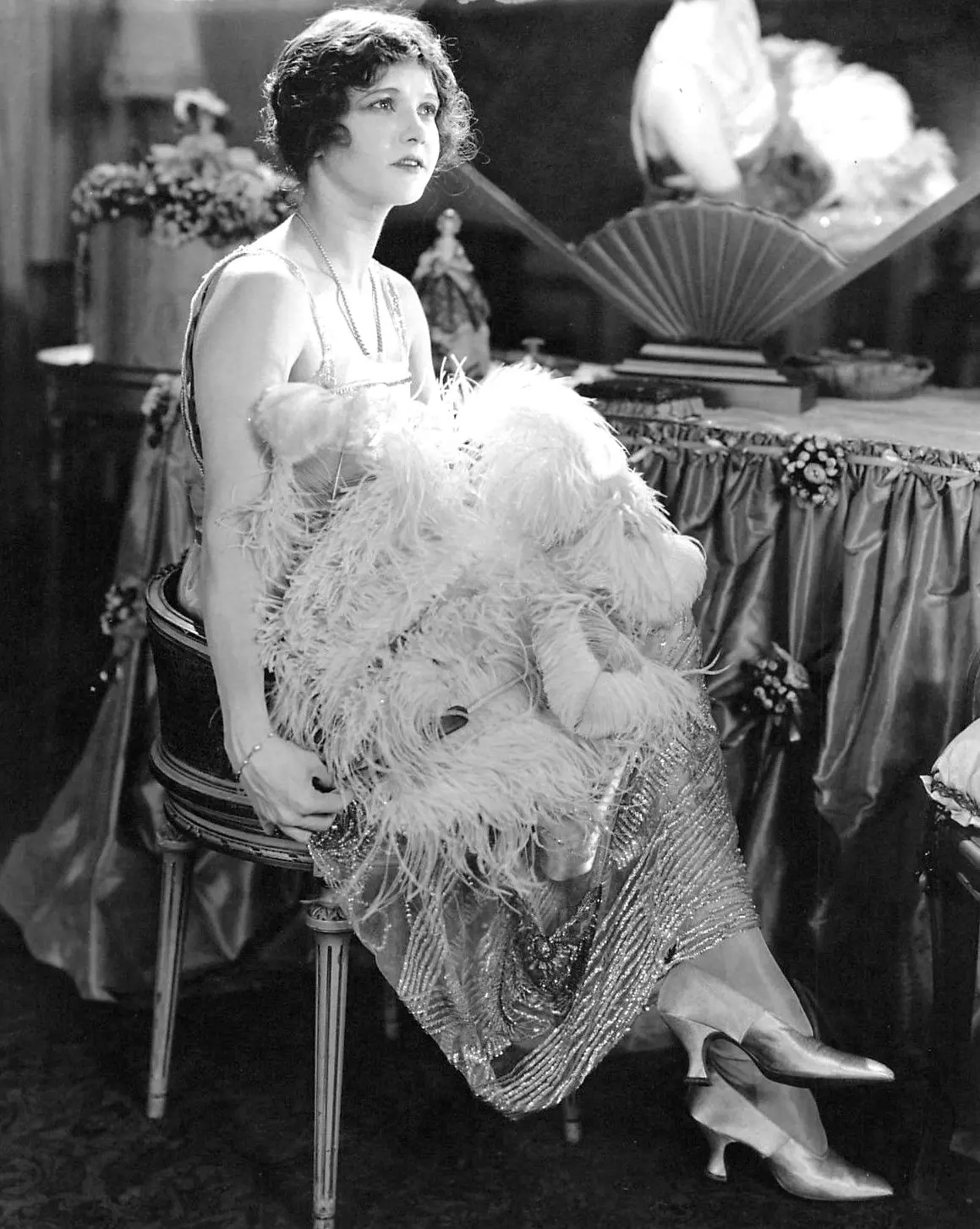
The Genesis of the Cinematic Anti-Hero
At the heart of every cult film lies a protagonist who refuses to fit within the moral boundaries of polite society. Long before the anti-heroes of the New Hollywood era, early cinema was experimenting with characters like Hedda Gabler. In the 1917 adaptation, Hedda is described as the degenerate daughter of a drunken, dueling father. She is not a heroine seeking redemption, but a psychological puzzle—a woman whose uncanny affection for her father's pistols signals a deep-seated rebellion against domesticity. This is the primal scream of the cult icon: the character who exists in a state of perpetual friction with their environment.
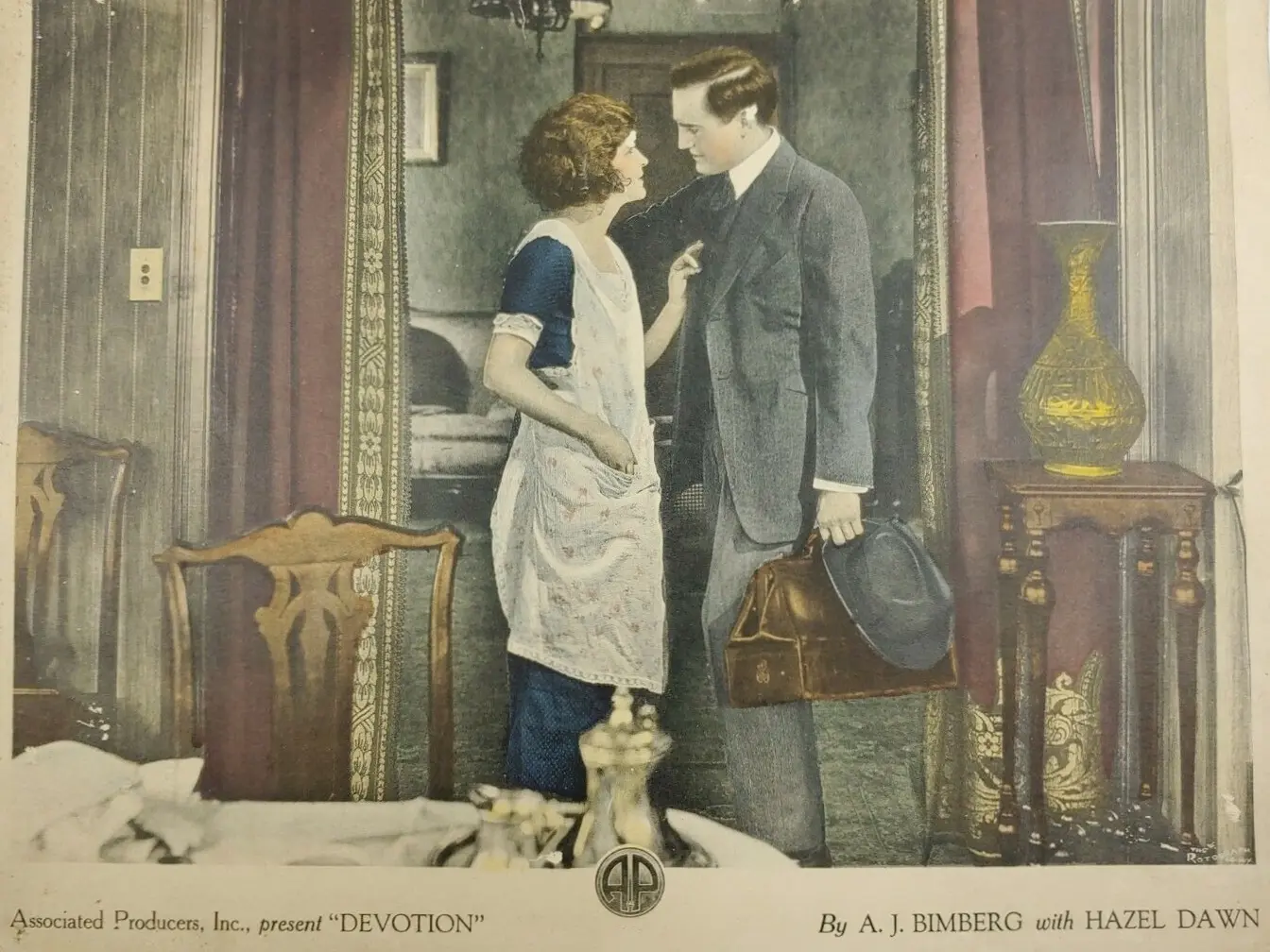
Similarly, The Tiger Man (1918) presents us with Hawk Parsons, a ruthless outlaw who finds himself smitten with a stranded emigrant in the New Mexican desert. This juxtaposition of brutality and unexpected vulnerability is a hallmark of cult storytelling. It challenges the audience's moral compass, forcing them to find empathy in the shadow of criminality. These early explorations of the outlaw psyche provided the foundation for the complex, often morally ambiguous figures that define the midnight movie canon today.
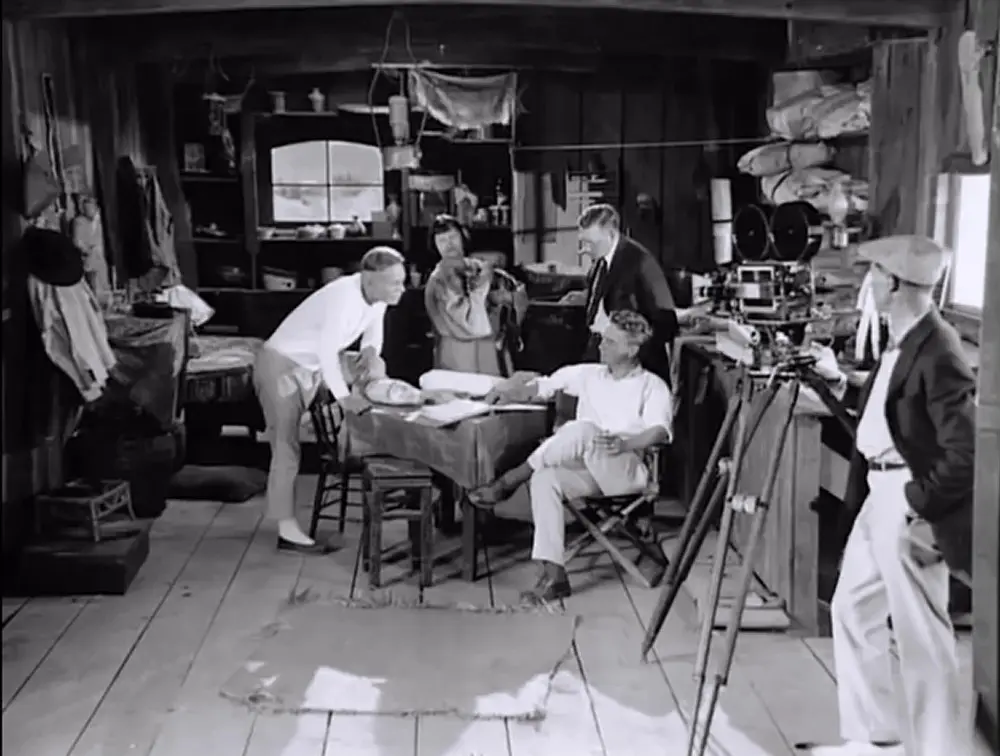
Genre Mutants and the Science of the Strange
Cult cinema thrives on the "weird"—the inexplicable blending of genres that defies easy categorization. One of the most fascinating examples of this from the early century is The Craving (1918). Here, we see an Indian scholar attempting to manipulate an American colleague to obtain a powerful explosive formula by exploiting the man’s drinking problem. It is a heady mix of scientific thriller, psychological drama, and moral cautionary tale. This type of narrative mutation—where high-stakes science meets the gritty reality of addiction—is a direct ancestor to the body horror and techno-thrillers of the late 20th century.
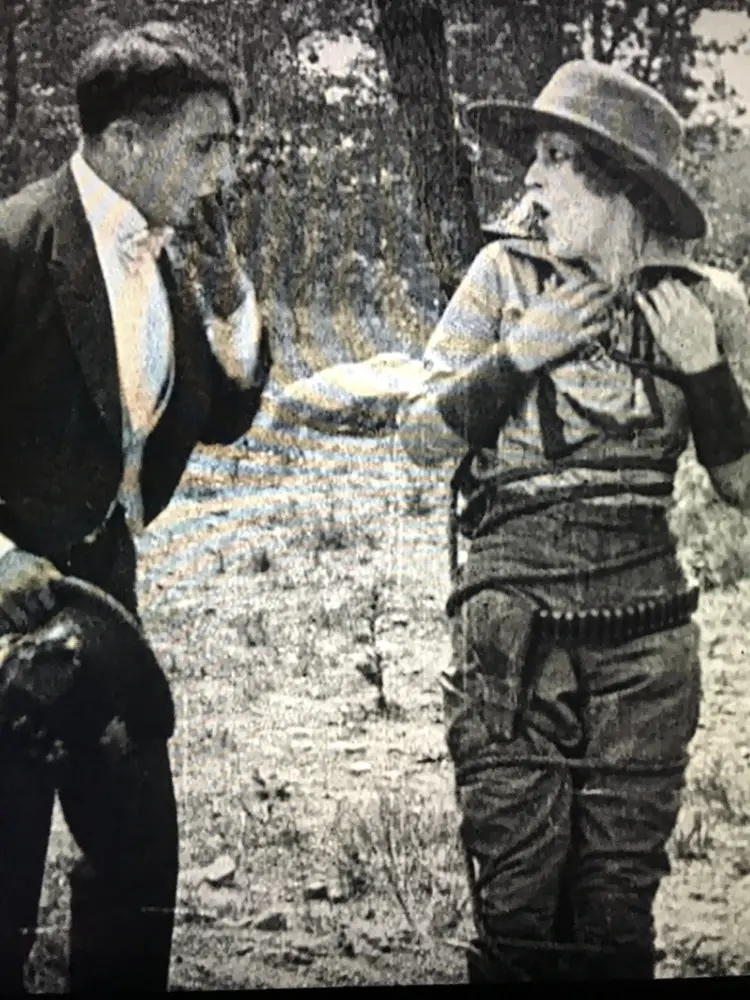
The meta-narrative also found its roots during this period. In The Clown’s Pups, the boundary between the creator and the creation is blurred as Max and the Inkwell Clown engage in a creative duel. This self-reflexive approach to filmmaking—the movie within a movie, or the animation that acknowledges its own artifice—is a staple of cult aesthetics. It breaks the fourth wall and invites the audience into a secret, esoteric space where the rules of reality are suspended. This early playfulness with the medium itself is what allows cult films to build such intense, insular communities of fans who appreciate the craft as much as the chaos.

The Aesthetics of Obsession: Diamonds and Desperation
If cult cinema is about anything, it is about obsession. Whether it is a character’s obsession with a goal or a fan’s obsession with a film, that intensity is what separates the fringe from the mainstream. Pink Gods (1922) captures this perfectly. The film centers on John Quelch, a diamond mine owner who believes that any woman will "sell her soul" for the glittering stones. It is a cynical, dark exploration of greed and the human price of luxury. The stark, dramatic stakes of Pink Gods mirror the high-contrast moral landscapes of films like Scarface or Uncut Gems, proving that the "cult of the obsessive" has always been a central pillar of the cinematic experience.
The Geography of the Outcast: From South Seas to Silent Deserts
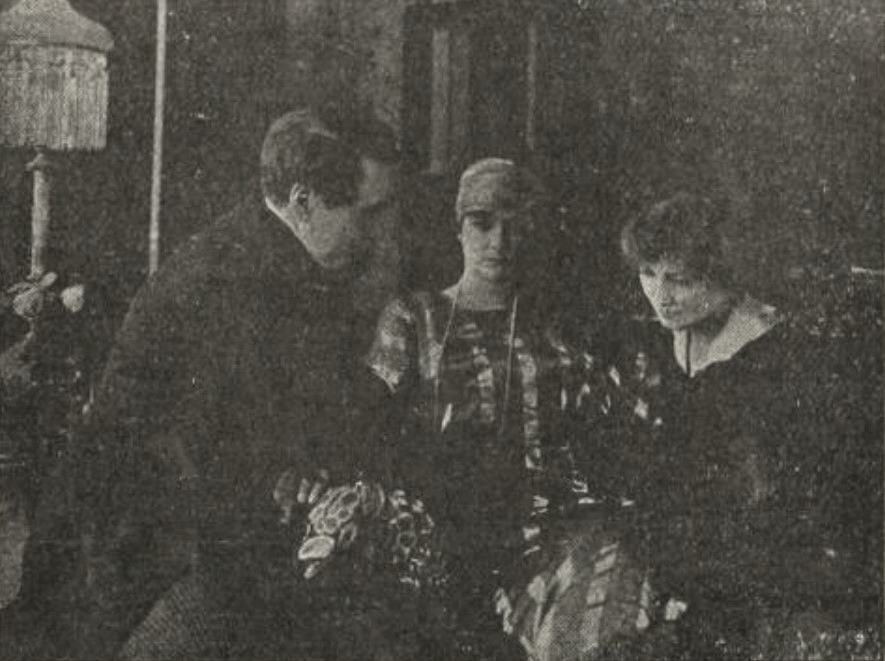
Cult films often transport us to "liminal spaces"—locations that feel disconnected from the modern world. In the early 20th century, these spaces were often found in the exoticized landscapes of the South Seas or the desolate reaches of the American West. The Idol Dancer takes us to a South Seas island where a religious zealot, an alcoholic beachcomber, and a native dancer engage in a battle of wills over the definition of "civilization." This clash of ideologies in a remote, beautiful setting creates a pressure cooker of tension that is quintessentially cult.
We see a similar dynamic in Sirens of the Sea (1917), where a baby washed up on a Greek island grows into the mythic Lorelei. The film utilizes the natural beauty of the coast to create a sense of ethereal wonder, blending folklore with the burgeoning techniques of silent cinematography. These films weren't just entertainment; they were visual manifestos for the strange and the beautiful. They utilized the liminality of the landscape to mirror the internal displacement of their characters—a technique that would later be perfected by cult masters like Werner Herzog or Alejandro Jodorowsky.
Melodrama as Transgression: The Subversive Power of the Silent Screen
While we often associate melodrama with the mainstream, in the hands of early mavericks, it became a tool for social subversion. Under the Gaslight is a prime example, featuring a narrative of revenge, stolen babies, and discarded servants that feels like a precursor to the soap-operatic intensity of John Waters. There is a certain "too-muchness" in these stories—an emotional maximalism that the mainstream often rejects but cult audiences embrace with open arms.
Consider The Avalanche (1919), which tackles the hereditary nature of gambling addiction, or Why Divorce?, where a couple literally divides their home with white tape to avoid a public scandal. These films took the anxieties of their time—addiction, divorce, class struggle—and amplified them to the point of absurdity or profound tragedy. This amplification is exactly what modern cult cinema does; it takes a kernel of truth and pushes it to its most extreme, most uncomfortable conclusion.
The Unseen Rituals of the Silent Fringe
The communal aspect of cult cinema—the shared rituals of midnight screenings—is mirrored in the thematic content of films like The Passing of the Third Floor Back. When a mysterious stranger arrives at a failing rooming house, his presence transforms the lives of the residents in ways they cannot explain. There is a sense of the sacred in the mundane, a spiritual resonance that defies the logic of the plot. This is why we gather in the dark to watch these films: we are looking for that transformative spark, that moment of connection with the "other" that only the fringe can provide.
Even the more traditional genres were not immune to this maverick spirit. The short western The Shadow of Suspicion uses the trope of the "Lone Rider" to explore themes of mistaken identity and the fragility of reputation. It’s a deconstruction of the hero myth before the myth was even fully established. By questioning the innocence of its protagonists, the film invites the audience to participate in the mystery, creating a collaborative relationship between the screen and the viewer that is the hallmark of dedicated fandom.
Forging the Modern Cult Identity
As we look at the vast landscape of early film, from the semi-documentary intensity of Lest We Forget to the coquettish coquetry of Viviette, we see the building blocks of every niche genre we love today. The silent era misfits were the original rebels. They worked without a safety net, often producing films that were too strange, too dark, or too unconventional for the burgeoning studio system. These films were the original "orphans" of cinema, and like all orphans, they found their home in the hearts of the disenfranchised and the curious.
The enduring allure of cult cinema lies in its ability to provide a sanctuary for the weird. Whether it is the gambling-addicted mother in The Avalanche or the treasure-hunting fisherman in The Awakening of Ruth, these characters remind us that humanity is messy, contradictory, and often absurd. The genetic rebellion of these early films continues to pulse through the veins of modern cinema. Every time a director chooses a practical effect over CGI, or a non-linear narrative over a traditional three-act structure, they are paying homage to the Phantasmagoric Fringe.
The Alchemical Legacy of the Outlier
In conclusion, the journey from the silent era to the modern cult classic is not a leap, but a steady evolution. The transgressive DNA found in The Craving or Pink Gods never truly disappeared; it simply went underground, waiting for the right moment to resurface in the midnight movie houses of the future. By unearthing these forgotten masterworks, we don't just learn about the history of film; we learn about the history of cinematic obsession. We discover that the desire to see something different, something dangerous, and something deeply personal has always been the driving force behind the most enduring art.
The next time you find yourself in a crowded theater at midnight, waiting for the first frame of a beloved cult classic to appear, remember the silent outlaws who came before. Remember the Hedda Gablers and the Tiger Men. They were the first to walk the path of the deviant, and it is their flickering light that still guides us through the darkness of the fringe. Cult cinema is not just a genre; it is a sacred mutiny against the ordinary, a mutiny that began over a century ago in the silent, shimmering depths of the early screen.
Community
Comments
Log in to comment.
Loading comments…