
Cult Cinema
The Primal Pulse of the Fringe: How 1910s Celluloid Rebels Invented the Cult Film Identity
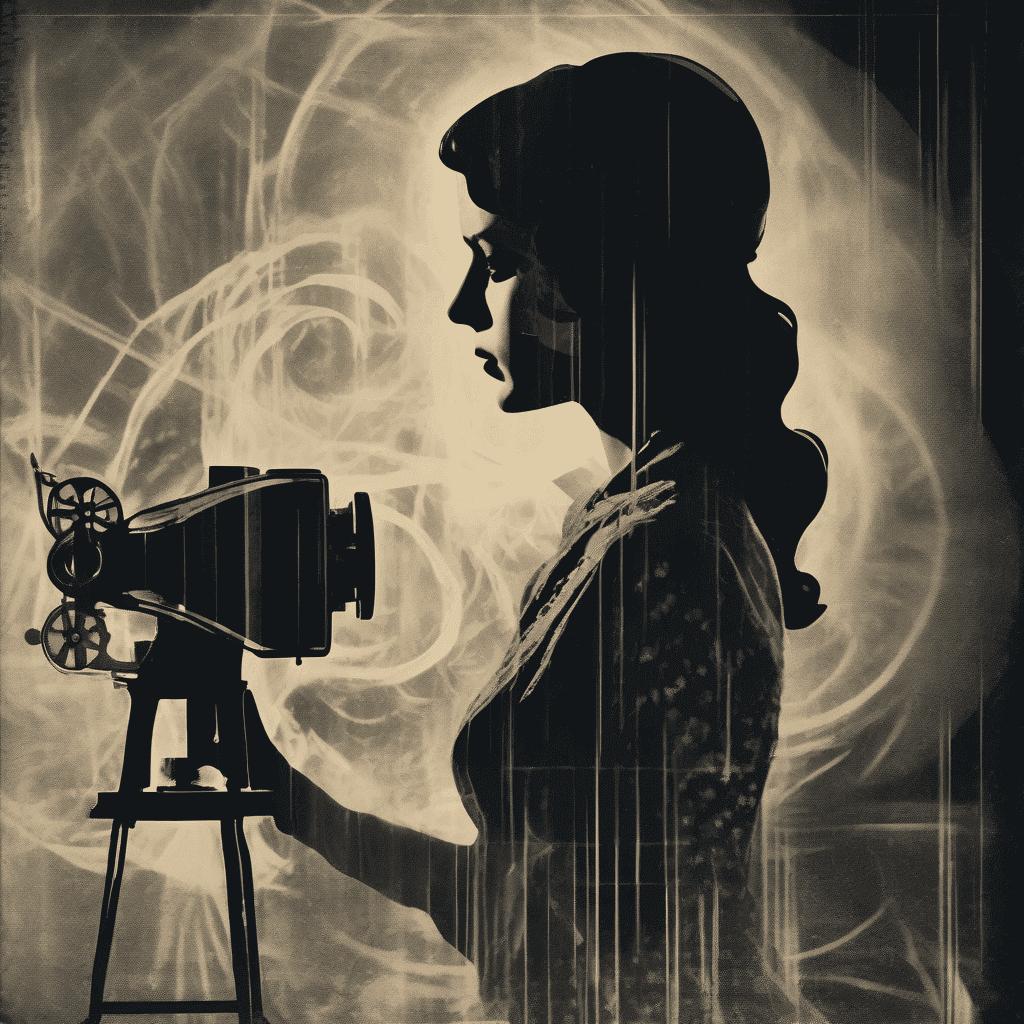
“A deep-dive exploration into the transgressive roots of cult cinema, tracing how the forgotten outcasts and genre-bending anomalies of the 1910s defined the modern midnight movie psyche.”
Long before the midnight screenings of the 1970s or the digital underground of the 21st century, the seeds of cult cinema were sown in the flickering, nitrate-scented darkness of the 1910s. While film historians often focus on the birth of the studio system and the rise of the Hollywood star, a more subversive history was being written on the periphery. This was the era of the celluloid rebel—the directors, actors, and stories that refused to conform to the burgeoning moral and narrative standards of the mainstream. To understand the modern cult obsession, one must look back at these primal transgressions, where the weird, the lost, and the transgressive first found their voice.
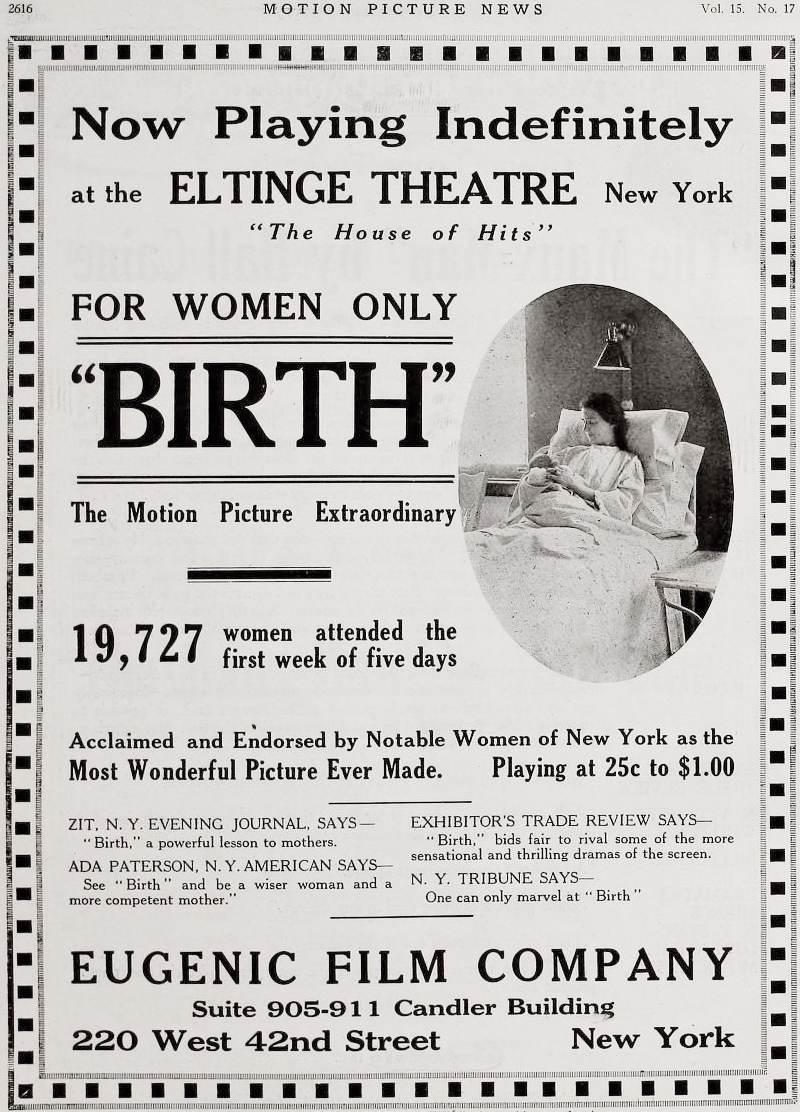
The Archetype of the Outcast: From Desertion to Social Exile
At the heart of every cult film lies the figure of the outsider, a character who operates beyond the bounds of polite society. In the 1910s, this archetype was personified by films like The Deserter. The story of Parker, an Army lieutenant who falls from grace after a romantic rejection, only to find himself in a spiral of violence and desertion, mirrors the modern cult hero’s journey. Parker isn't a traditional protagonist; he is a man broken by the system, a theme that resonates deeply with the disenfranchised audiences who gravitate toward niche cinema. Similarly, in The Last Man, we see a surgeon whose life is dismantled by infidelity and betrayal, leading to a profound sense of isolation. These narratives of moral collapse and societal rejection provided the blueprint for the anti-heroes of the future.
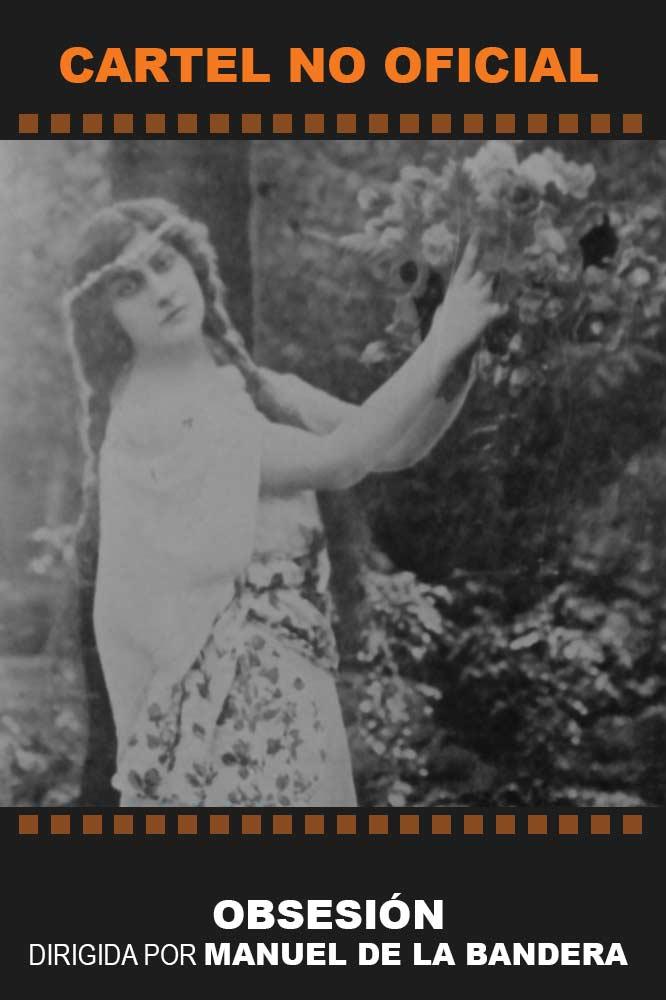
The social exile is further explored in The Sage Hen, where a woman nicknamed "The Sage Hen" is driven out of town by the Home Purity League. This depiction of a community turning against an individual for their perceived moral failings is a cornerstone of the cult ethos. It highlights the hypocrisy of the majority while sanctifying the outcast. In Social Hypocrites, the character of Fielding is unjustly accused of cheating at cards, leading to his disinheritance. These films weren't just dramas; they were early explorations of the transgressive spirit that defines cult fandom—the celebration of those whom the world has deemed unworthy.
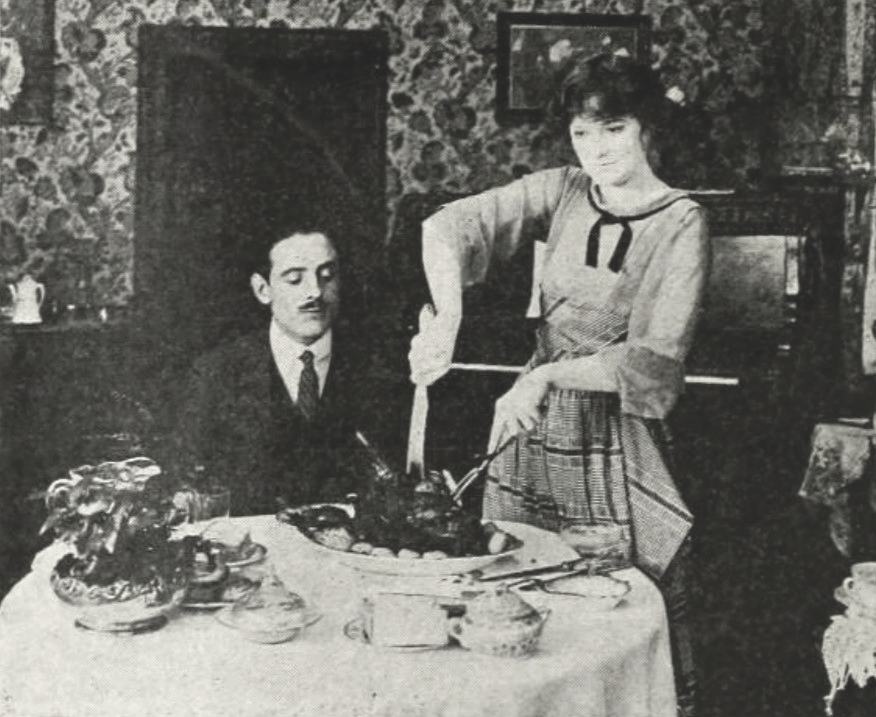
Transgression and the Macabre: The Dark Roots of Niche Devotion
The Gothic and the Forbidden
Cult cinema often thrives on the forbidden, the macabre, and the surreal. The 1910s were surprisingly bold in their exploration of these themes. Take Black Orchids, a film where a frivolous woman is frightened into virtue by a story of being entombed alive. This kind of visceral, psychological horror—the fear of the physical and moral abyss—is the very essence of what would later become the horror-cult subgenre. It challenges the viewer’s comfort, pushing them into a space of unease that the mainstream usually avoids.
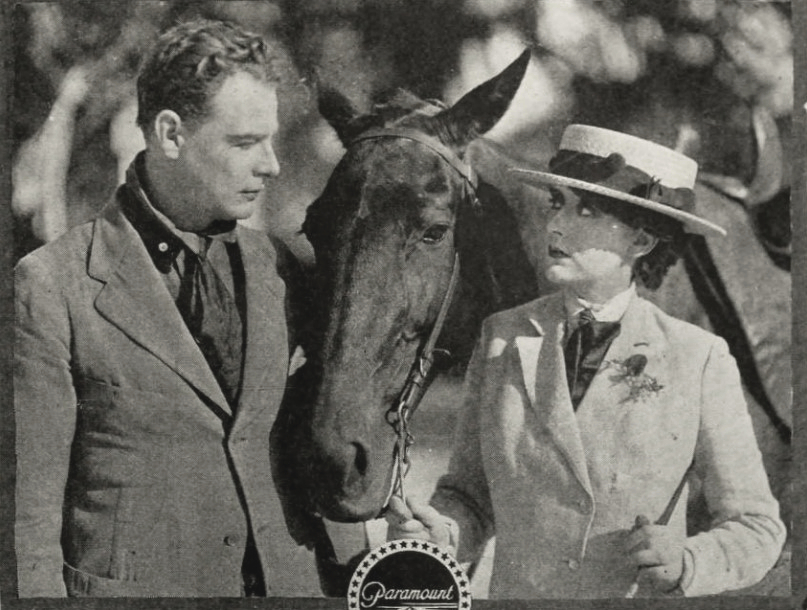
Even more striking is The Dagger Woman, which explores the obsessive relationship between an artist and his model. When the artist sees in Olga Kartoff only the "perfect model" for his dark masterpiece, the film touches on the fetishistic nature of the gaze—a concept that modern cult theorists obsess over. These early works were not afraid to delve into the darker corners of the human psyche, using melodrama as a vehicle for radical subversion. The visual language of these films, often lost to time or preserved in grainy fragments, creates a haunting aesthetic that modern filmmakers like David Lynch or Guillermo del Toro still draw upon.
Genre-Bending and the Birth of the Weird
One of the defining characteristics of a cult film is its refusal to stay within a single genre. The 1910s were a laboratory for such experimentation. Mr. Fatima is a perfect example: a short film where a man plays the role of an Oriental dancer and a "vampire" on a California boardwalk to earn money. This blend of comedy, drag, and the exotic is so bizarre it feels like a precursor to the camp aesthetics of John Waters. It disrupts traditional gender roles and performance norms, offering a glimpse into a more fluid, anarchic cinematic world.
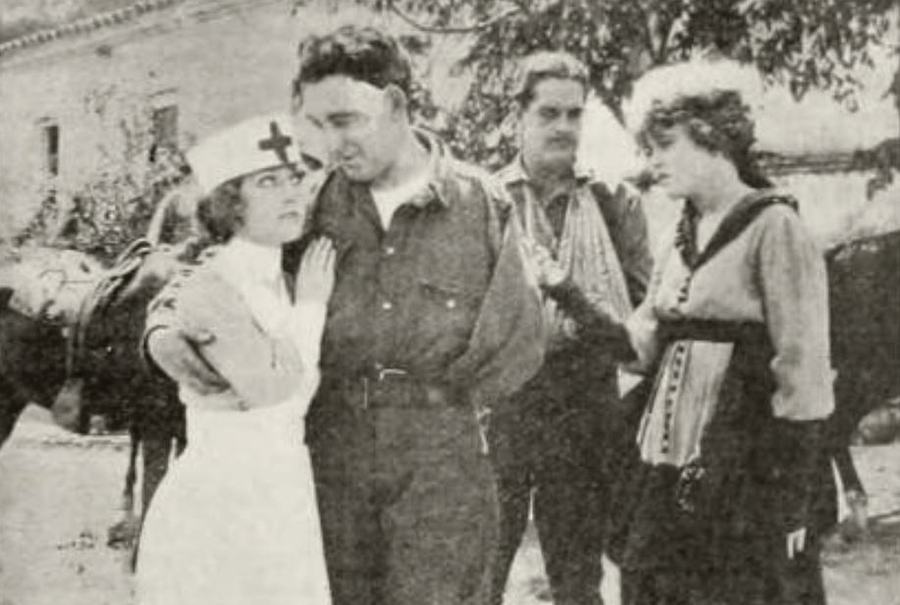
Similarly, Are Floorwalkers Fickle? and Let 'er Go utilized the Mack Sennett school of comedy to create absurdist situations that defied logic. These films weren't just meant to make people laugh; they were designed to overwhelm the senses with physical kineticism and narrative non-sequiturs. In the realm of adventure, Treasure Island and Bushranger's Ransom brought a sense of lawless escapism that appealed to the primal desire for rebellion. Whether it was the high-seas piracy of Captain Flint or the rugged outlaws of the Australian bush, these films celebrated the frontier spirit—both geographical and cinematic.
The Global Underground
The cult impulse was never restricted to one nation. The 1910s saw a global exchange of strange and transgressive ideas. From the Hungarian mystery of A kuruzsló to the Italian drama of Beatrice Cenci, the world was hungry for stories that went beyond the mundane. In Australia, The Mystery of a Hansom Cab became a localized obsession, blending high-society intrigue with the gritty reality of urban crime. This film, like many cult classics, created a specific sense of place—a Melbourne that was both familiar and dangerously alien.
Even grand epics like War and Peace, while massive in scale, possessed a certain obsessive quality in their attempt to capture the totality of human experience. The sheer ambition of these early filmmakers—trying to translate Tolstoy or Stevenson to a silent, visual medium—created a sense of cinematic alchemy. They were turning base materials (nitrate and light) into gold, and in doing so, they forged a bond with audiences that transcended mere entertainment.
The Mythology of the Lost: St. Elmo and the Fandom of Absence
A unique aspect of cult cinema is the reverence for the "lost" film. Nothing fuels obsession like the inability to actually see the object of desire. St. Elmo, a lost silent film based on a best-selling novel, exists now only in the collective memory of film historians and the occasional surviving still. The story of a man falling from grace and seeking redemption is a classic trope, but its status as a lost relic has elevated it to a kind of cinematic holy grail. Cult fandom is often built on this kind of archeology—the search for the forgotten, the suppressed, and the vanished.
The same can be said for films like Zigeunerblut or Tyrannenherrschaft. When a film disappears, it enters the realm of myth. The gaps in our knowledge are filled with our own imaginations, turning these early outliers into something far more significant than they might have been upon their initial release. This is the ultimate cult experience: the creation of a personal, internal cinema that exists in the shadows of the recorded past.
The Radical Feminine and the Melodramatic Rebel
While the 1910s are often viewed through a patriarchal lens, the era’s cult-leaning films frequently featured powerful, if often tragic, female figures who defied convention. In The Winning of Sally Temple, an actress becomes the champion of the oppressed, standing up to the Duke of Chatto. Sally is not a damsel in distress; she is a political and social force. In Blue-Eyed Mary, we see a woman struggling against the rigid class structures of her family, a narrative of domestic rebellion that resonated with female audiences of the time.
Even the more melodramatic offerings, like Evangeline or Ill Starred Babbie, centered on women whose lives were defined by their refusal to accept their fate. Babbie’s "innocent pranks" and vivacity are described as both the joy and despair of her surroundings—a classic cult trope where the protagonist's very existence is a disruption to the status quo. These films provided a space for audiences to see their own desires for agency and rebellion reflected on the screen, even if those desires were often couched in the language of tragedy.
Conclusion: The Eternal Return of the Silent Fringe
The legacy of the 1910s is not just found in the technical innovations of Griffith or DeMille. It is found in the rebel spirit of films like Trompe-la-Mort, where a convict escapes against all odds, or The Foolish Age, where a wealthy heiress decides to dedicate her life to the less fortunate in a way that is both absurd and earnest. These films were the first to understand that cinema could be more than just a reflection of reality; it could be a site of subversive dreaming.
As we look at the landscape of modern cult cinema, we see the DNA of these early pioneers everywhere. The obsession with the outcast, the embrace of the weird, the fascination with the macabre, and the devotion to the lost—all of these elements were present in the 1910s. The silent fringe was the first to realize that the most powerful stories are often the ones told from the shadows. By unearthing these early anomalies, we don't just learn about the history of film; we learn about the enduring power of the cult identity—a flame that was lit over a century ago and continues to burn in the hearts of the devoted few.
Community
Comments
Log in to comment.
Loading comments…