
Cult Cinema
The Renegade’s Rosetta Stone: Decoding the Primal Subversions of Early Cinema’s Genre Outcasts
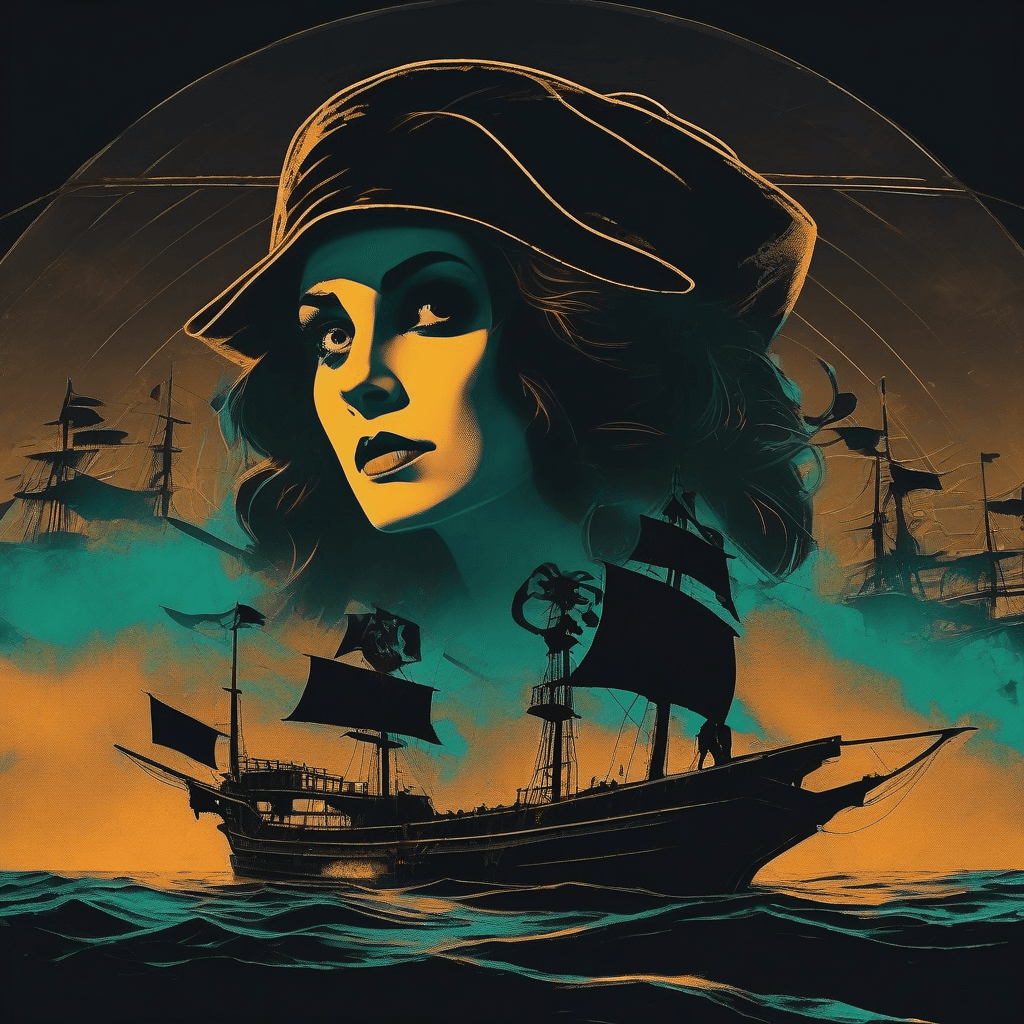
“A deep dive into the primal roots of cult cinema, exploring how silent era anomalies and genre outcasts like The Soul of Satan and Marvelous Maciste laid the foundation for modern midnight movie devotion.”
Cult cinema is often defined by its relationship with the audience—a bond forged in the fires of obscurity, transgressive themes, and a shared sense of being an outsider. While the "midnight movie" phenomenon is largely associated with the 1970s and the rise of films like The Rocky Horror Picture Show or Eraserhead, the genetic blueprint of this rebellion was written decades earlier. To understand the modern cult obsession, we must look back at the silent era's genre outcasts, the flickering anomalies that dared to deviate from the nascent Hollywood norm. These were the films that occupied the fringe, the "renegade’s rosetta stone" that decoded a new way of seeing the world through the lens of the unusual.
The Birth of the Transgressive Protagonist
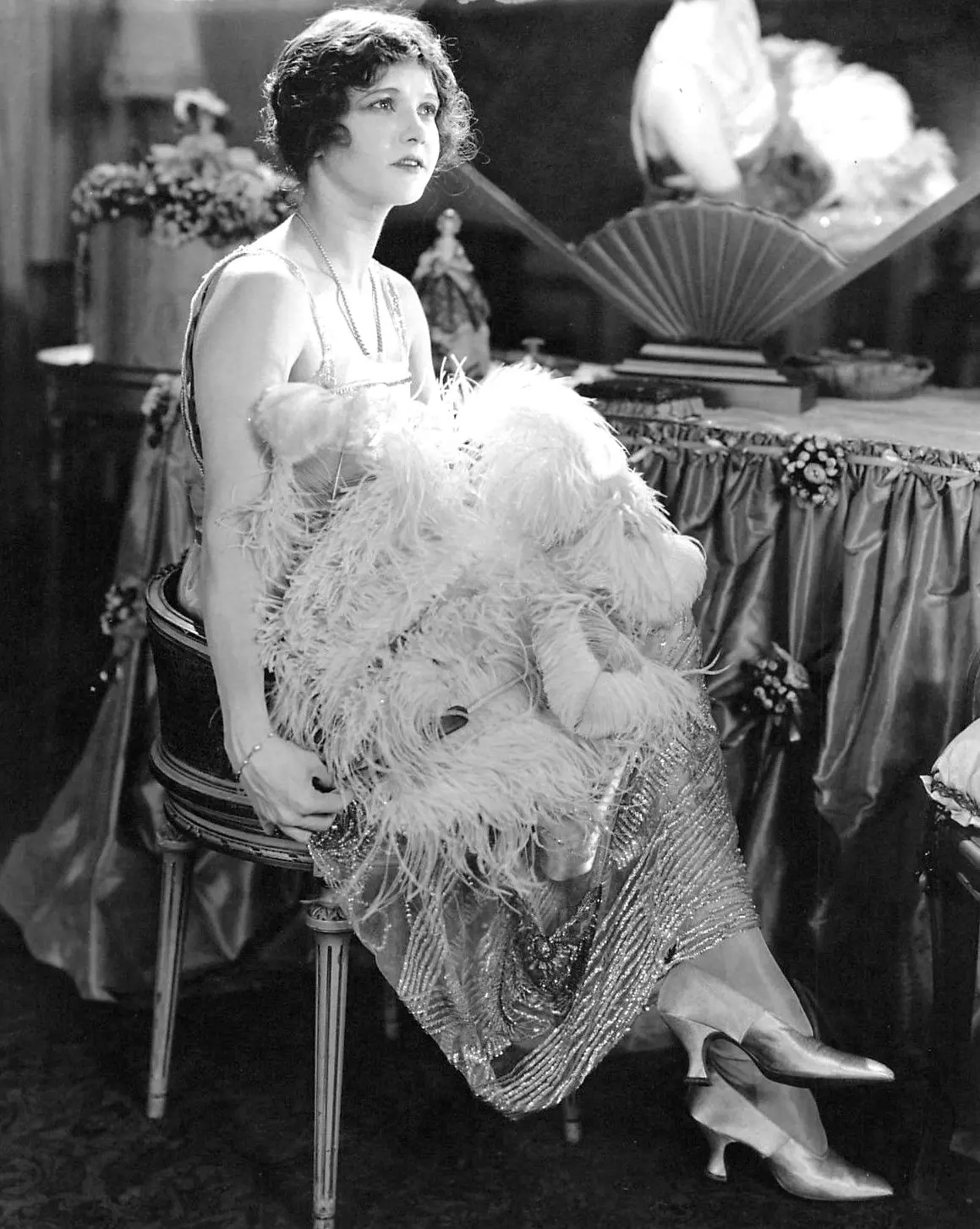
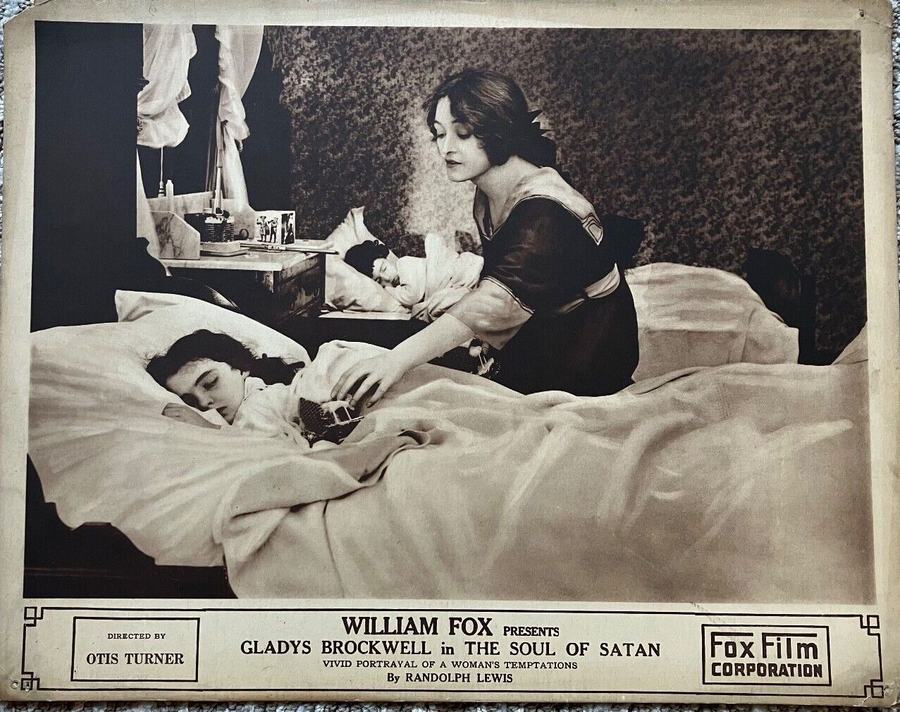
In the early 20th century, the concept of the hero was still being forged. However, even then, cinema was fascinated by the moral gray areas of the human condition. Take, for instance, The Soul of Satan (1917). The title alone suggests a narrative that pushes against the pious expectations of the era. The story of Miriam Lee and her descent into the world of a ruthless gambler like Joe Valdez provided a template for the transgressive romance. It wasn't just a drama; it was an exploration of the magnetic pull of the underworld. This fascination with the "darker side" is a cornerstone of cult cinema, where the protagonist is often flawed, dangerous, or socially maligned.
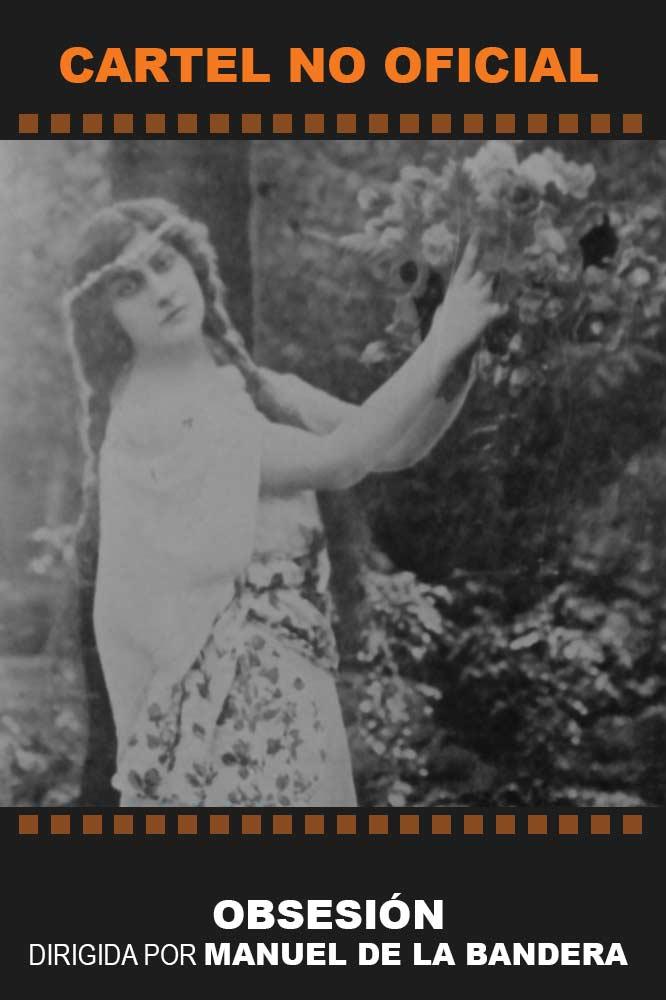
Similarly, the figure of the outlaw became a recurring motif for early cult-like devotion. Jánosík (1921), the story of the Slovak highwayman and folk hero, tapped into a primal desire for rebellion against oppressive structures. Like the later anti-heroes of the 1960s, Jánosík represented a defiance that resonated with audiences who felt disenfranchised. This theme of the social outcast as a hero is further mirrored in The Sea Panther (1918), where Paul Le Marsan’s iron-fisted piracy is tempered by a charming, almost subversive grace. These films didn't just tell stories; they offered a sanctuary for the rebellious spirit.
Meta-Narratives and the Cult of the Spectator
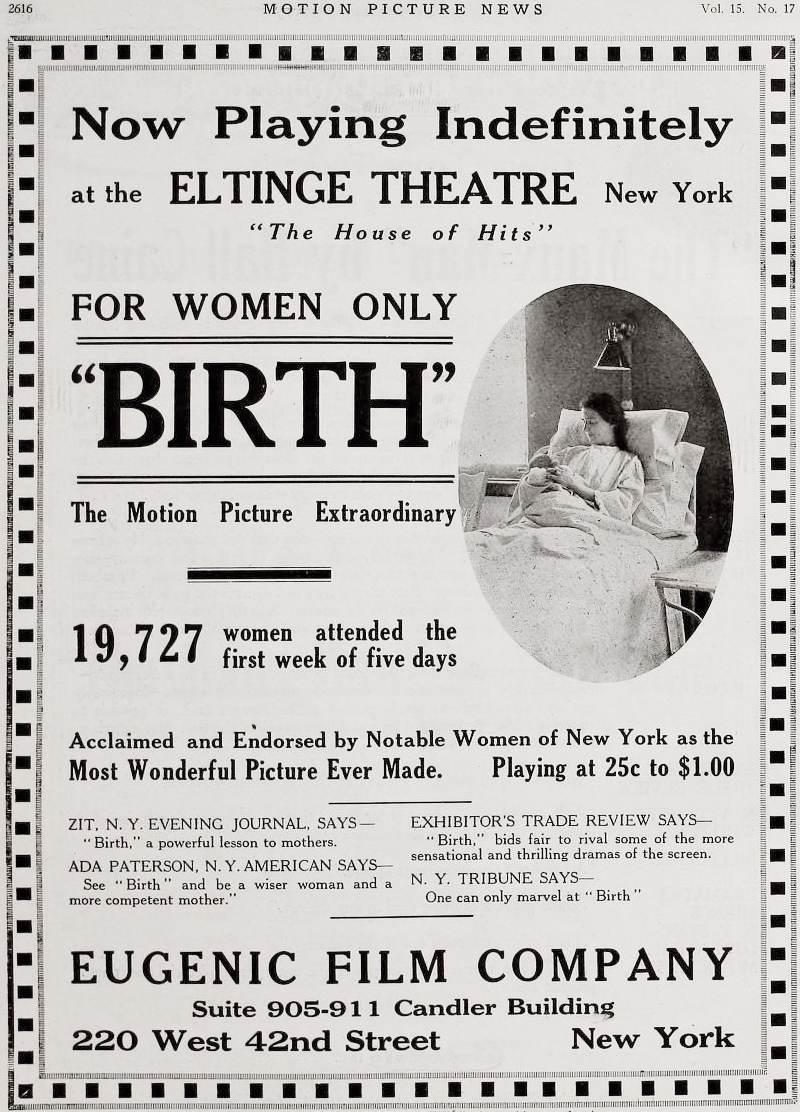
Perhaps one of the most fascinating precursors to modern cult fandom is Marvelous Maciste (1915). This film presents a meta-narrative that would make modern directors like Quentin Tarantino or Charlie Kaufman blush. When the character Josephine flees from gangsters and enters a movie theater to watch Cabiria, she becomes a spectator of her own cinematic universe. The lines between reality and the silver screen blur as she seeks the help of the fictional Maciste. This "movie within a movie" structure is a hallmark of cult sensibilities—it acknowledges the artifice of cinema while celebrating its transformative power. It invites the audience to become part of the myth-making process, a ritual that defines the midnight movie experience today.
The Aesthetic of Anarchy: Genre-Bending and Visual Oddities
Cult cinema thrives on the "unclassifiable." When a film refuses to stay within the lines of a single genre, it creates a unique space for itself in the cultural consciousness. A Connecticut Yankee in King Arthur's Court (1921) is a prime example of early genre-bending. By blending fantasy, comedy, and adventure, it challenged the audience's expectations and paved the way for the high-concept "what-if" scenarios that cult fans adore. It wasn't just an adaptation; it was a playful subversion of history and literature.
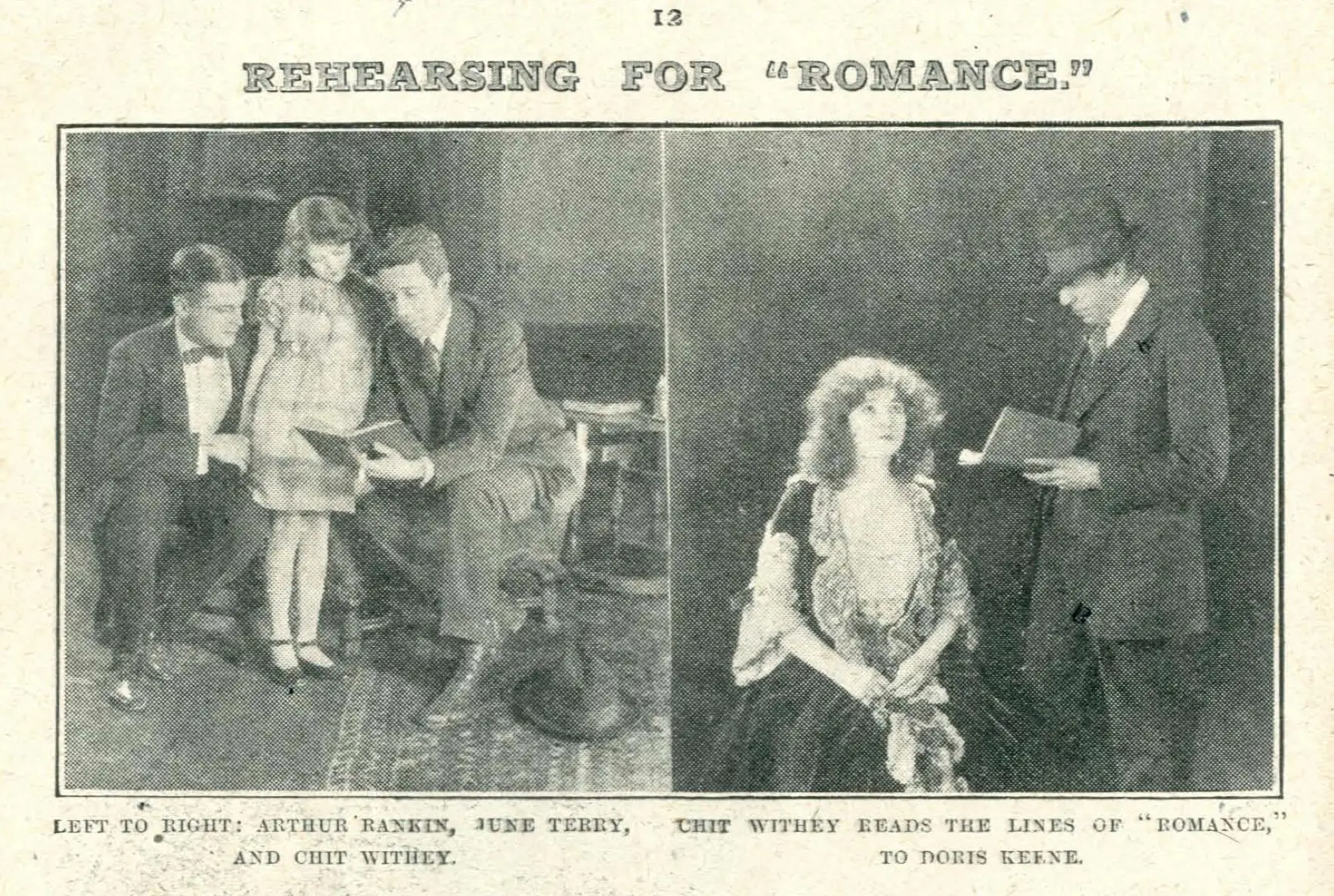
Even in shorter forms, the seeds of the bizarre were being planted. The Genet (1914), an "interesting study, in color," showing the domestication of a small animal for rodent trapping, represents the "found footage" or "educational oddity" aspect of cult fascination. There is something inherently "cult" about the hyper-fixation on a niche subject, a quality that would later define the works of filmmakers who find beauty in the grotesque or the mundane. This is echoed in Keep Moving (1917), where the character Musty’s act of eating artificial grapes as revenge against a difficult customer highlights the absurdist humor that often bubbles beneath the surface of transgressive art.
Social Storms and the Political Undercurrent
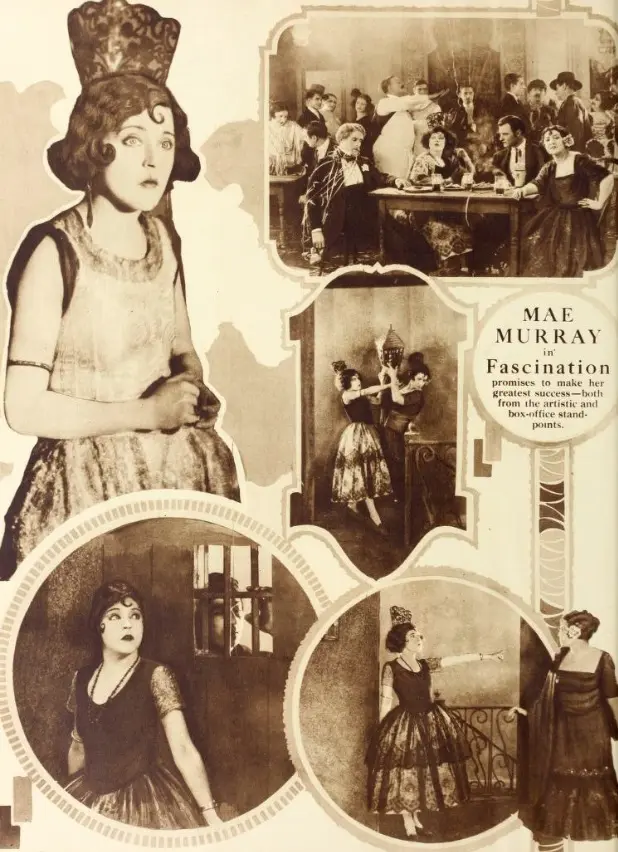
True cult cinema often carries a weight of social or political defiance, even if it is hidden beneath layers of melodrama. A Friend of the People (1923) dealt with the social storms following World War I, dividing brothers and classes. This exploration of ideological conflict is a precursor to the political thrillers that often gain cult status for their uncompromising stance. On a darker note, The Indian Wars (1914), co-financed by the government to portray a massacre as heroism, serves as a chilling reminder of how cinema can be used to manipulate narrative. In a modern context, such films are often revisited by cult historians as "forbidden texts"—works that must be deconstructed to understand the propaganda of the past.
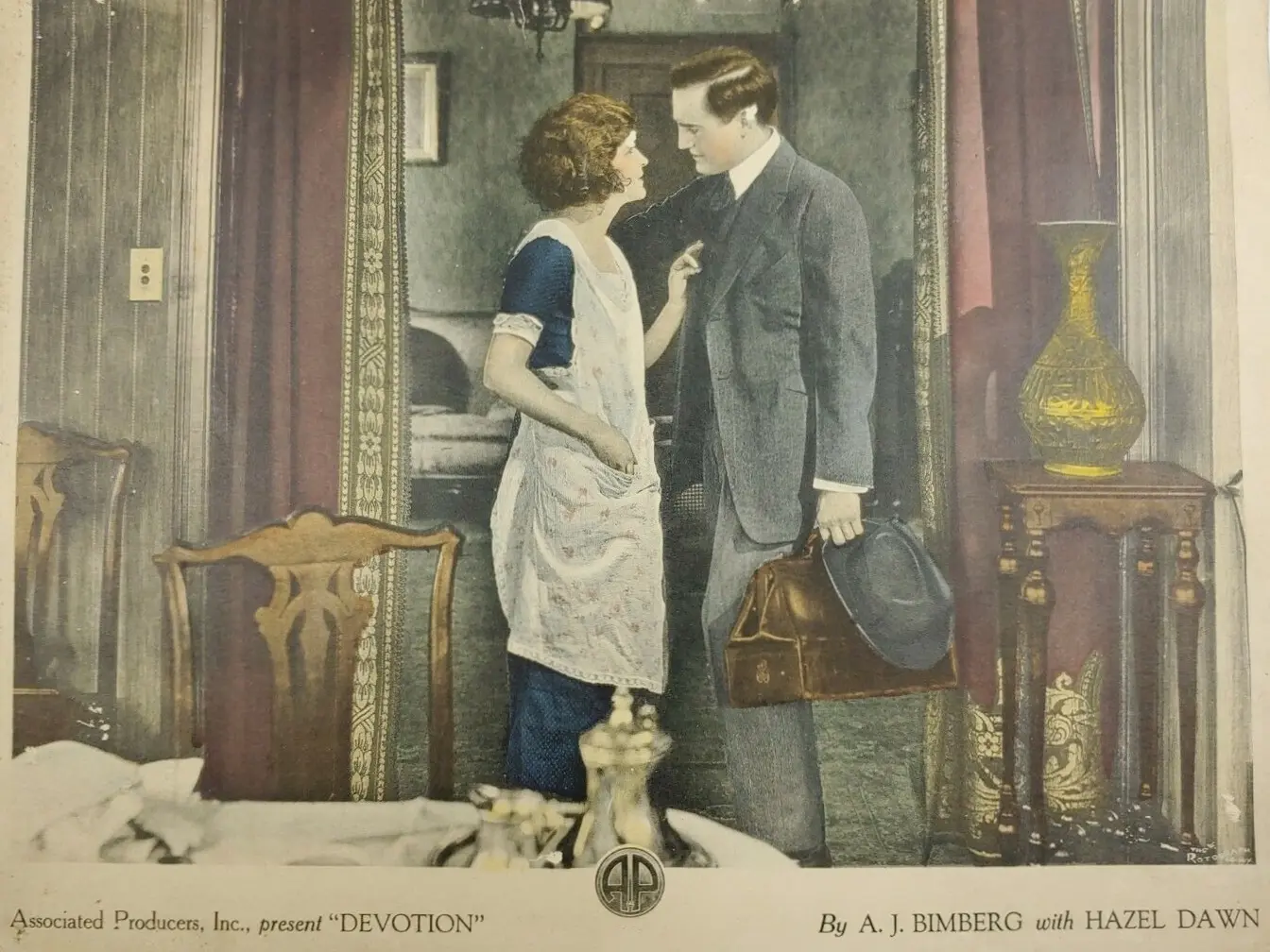
The domestic sphere was not immune to these subversive rhythms either. House of Cards (1917) and The Price of Crime (1914) explored the fragility of marriage and the devastating impact of neglect and societal pressure. These weren't just "women's pictures"; they were early examinations of the psychological trauma that would later become a staple of the "domestic noir" cult subgenre. They dared to suggest that the greatest horrors often lie behind the closed doors of a respectable home.
The Architecture of the Abnormal: Why We Worship the Misfit
Why do we gravitate toward films like Terror Island (1920) or The House of Silence (1918)? It is because they offer a glimpse into the "Other." Whether it is an inventor fighting cannibals for buried treasure or a criminologist entering a house of ill repute to save a dying man, these narratives take us to the edge of the known world. They provide an escape into the extraordinary, the dangerous, and the taboo. The Scarab Ring (1921) and Li Ting Lang (1920) further this by weaving mysteries around forbidden secrets and cross-cultural tensions, challenging the social mores of their time.
The early century was filled with these "cinematic mutants." The Absentee (1915), with its allegorical prologue featuring "Power" standing at the crossroads of success and failure, used Greek-classic costumes to tell a story of modern morality. It was an ambitious, perhaps even pretentious, attempt to elevate the medium, a trait often seen in the "art-house cult" films of the 1960s. Meanwhile, Three X Gordon (1918) and This Hero Stuff (1919) played with the tropes of the "spoiled heir" and the "disguised hero," deconstructing the very idea of American masculinity and success.
The Legacy of the Flickering Ghost
Every time we sit in a darkened theater for a midnight screening, we are communing with the ghosts of these early pioneers. The Maverick’s Midnight was born in the silent era, in the reels of films that didn't quite fit the mold. From the high-stakes gem thievery of High Stakes (1918) to the domestic struggles of Her Body in Bond (1918), these movies were the first to prove that there was an audience for the unconventional. They were the first to suggest that cinema could be more than just mass entertainment; it could be a ritual, a rebellion, and a reflection of our most hidden desires.
As we look at the vast landscape of film history, it becomes clear that the "cult" label is not a modern invention but an ancient lineage. The Renegade’s Rosetta Stone is found in the way The Border Legion (1918) redefined the western as a space for moral ambiguity, or how The Big Town Round-Up (1921) blended action and comedy to create a prototype for the modern blockbuster that still maintains a niche, devoted following. These films were the original "misfits," and their enduring power lies in their ability to speak to the outsider in all of us.
Conclusion: The Eternal Pulse of the Fringe
The evolution of cult cinema is a testament to the human need for stories that challenge the status quo. Whether through the absurdist comedy of Pay Day (1922) or the intense drama of The Last Man (1916), the silent era provided a rich soil for the seeds of subversion to grow. We see the echoes of Tropical Love (1921) and The Lyons Mail (1915) in the way modern independent filmmakers approach storytelling—with a focus on character, atmosphere, and the rejection of easy answers.
In the end, cult cinema is about the survival of the overlooked. It is about the films that were too weird, too bold, or too honest for their time, only to be rediscovered and worshipped by later generations. By decoding the primal subversions of these early genre outcasts, we gain a deeper appreciation for the rebellious heart of cinema. We realize that the flicker of the fringe is not just a footnote in history, but the very light that continues to guide us through the darkness of the midnight hour.
As we continue to explore the depths of the Celluloid Underworld, let us remember the names like Cuauhtémoc (1922) and Unus, der Weg in die Welt (1918). They are the ancestors of our modern obsession, the original mavericks who dared to dream in shadows and light. Their legacy is our sanctuary, a place where the unconventional is celebrated, and the misfit is king. The cult lives on, not in spite of its origins, but because of them.
Community
Comments
Log in to comment.
Loading comments…