
Deep Dive
The Shadow-Box Heresy: How Early Cinema’s Deviant Blueprints and Misfit Narratives Forged the Cult Obsession
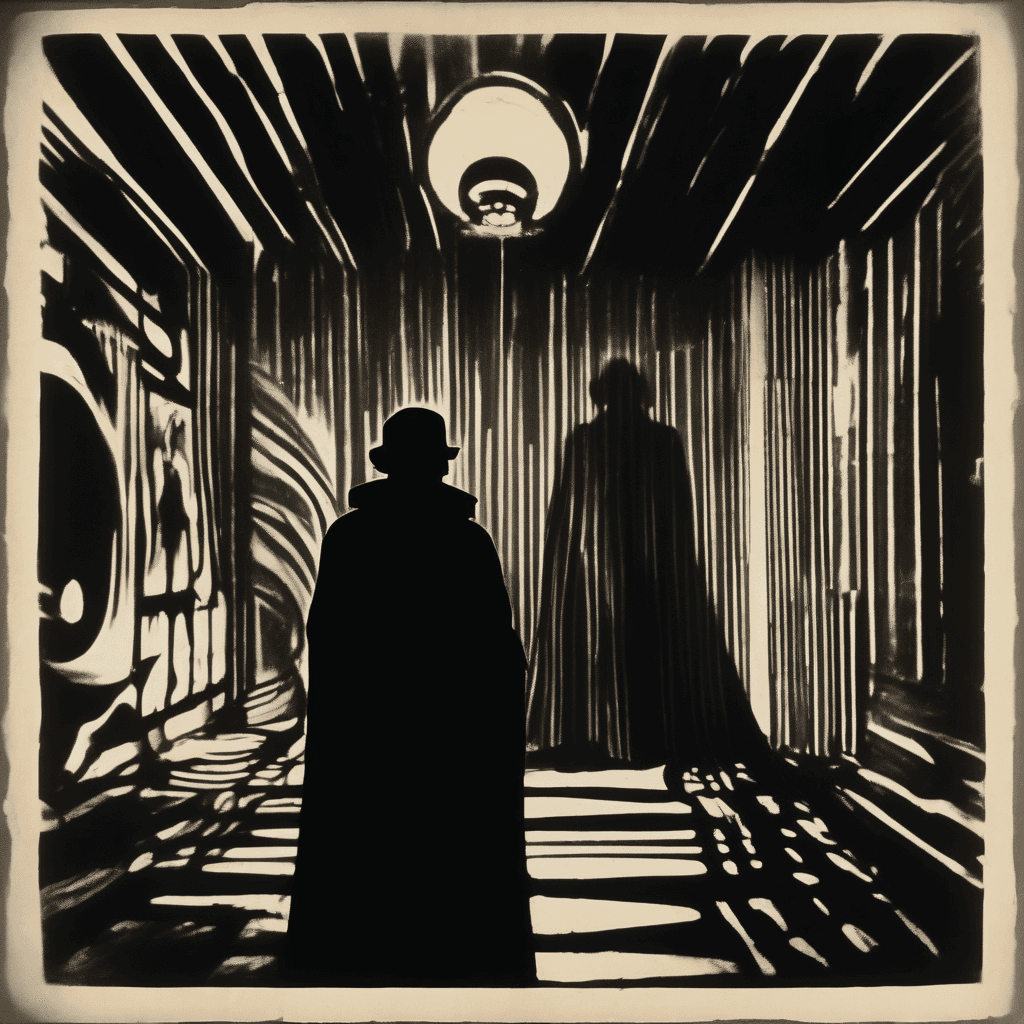
“Explore the primitive roots of cult cinema through the lens of silent era anomalies, where transgressive themes and misfit characters first challenged the cinematic status quo.”
Before the term "cult film" was codified by the midnight movie circuit of the 1970s, the seeds of cinematic deviance were already germinating in the nitrate soil of the silent era. We often think of cult cinema as a modern byproduct of the counterculture, but the true cult gaze—that specific, obsessive focus on the marginal, the weird, and the transgressive—was born in the flickering shadows of the 1910s and 20s. These early reels were not just entertainment; they were the first experiments in subverting societal norms, challenging gender roles, and exploring the darker recesses of the human psyche. To understand the modern obsession with the unconventional, we must look back at the misfit narratives and deviant blueprints that first broke the frame.
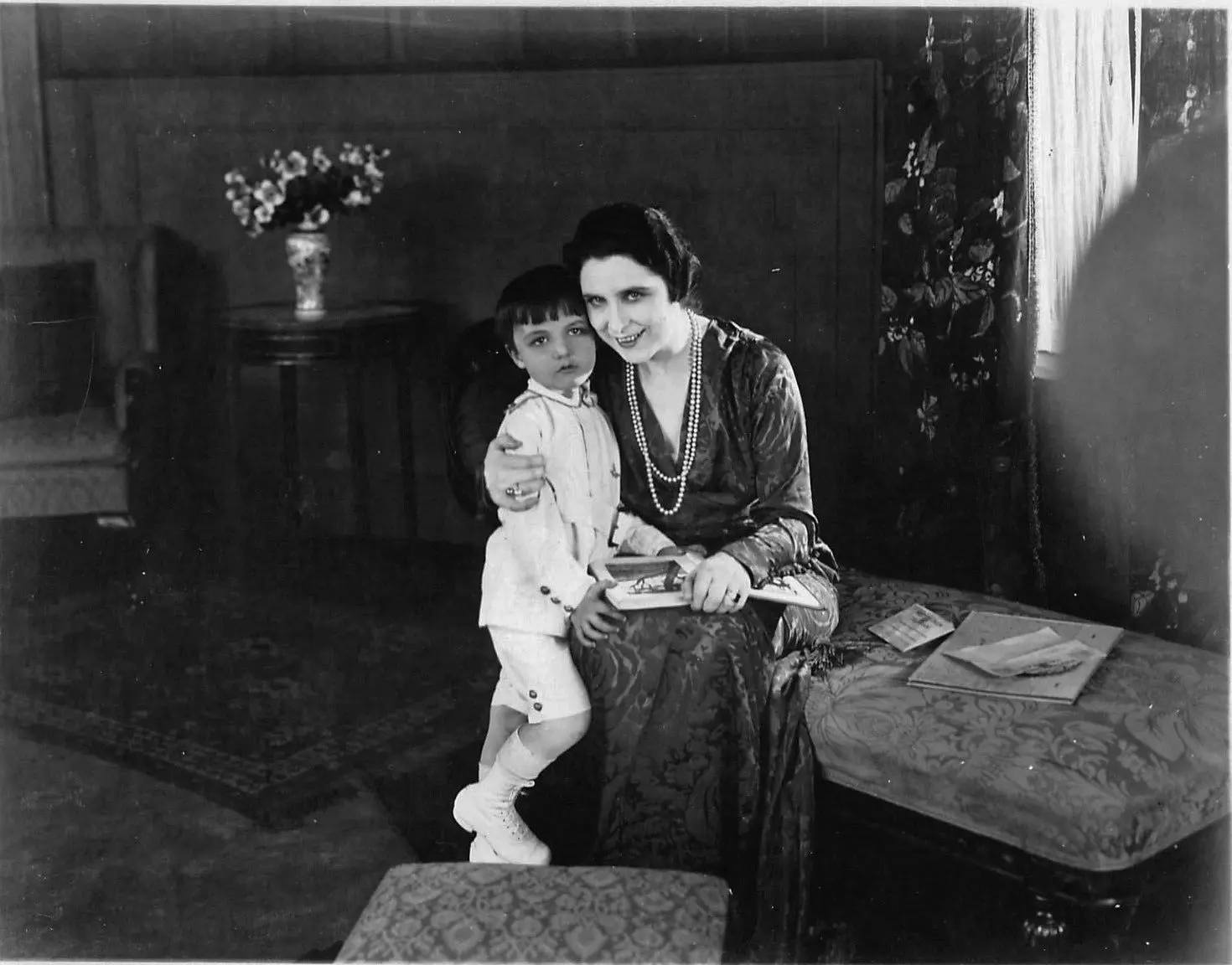
The Gender-Bending Maverick: Subverting the Shakespearean Canon
One of the most potent examples of early cult subversion is the 1921 production of Hamlet, starring the legendary Danish silent movie star Asta Nielsen. In a move that mirrors the fiercely independent spirit of modern cult auteurs, Nielsen formed her own production company specifically to bring this radical vision to life. This was not the Hamlet of the stage; it was a bold reinterpretation that combined new elements with the familiar Shakespearean tragedy. Nielsen’s decision to play the Prince of Denmark herself was more than a performance choice—it was a disruption of the patriarchal cinematic order. This gender-bending approach created a hypnotic dissonance that drew in audiences who sought something beyond the standard melodrama of the time. It is this very spirit of reappropriation and radical self-expression that remains a cornerstone of cult cinema today.
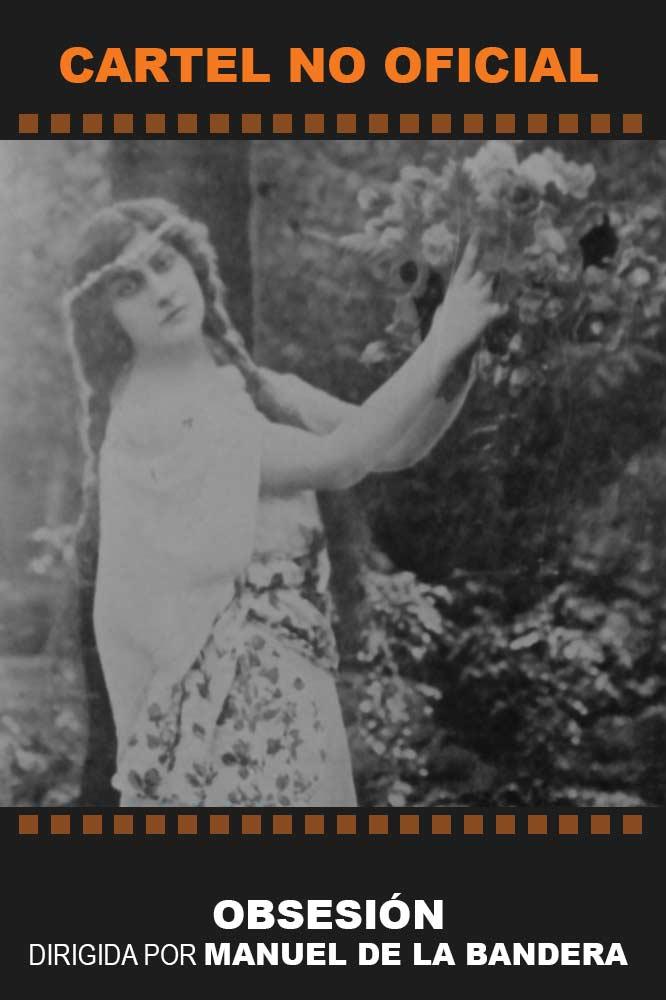
The Beast Within: Animalistic Symbolism and Social Outcasts
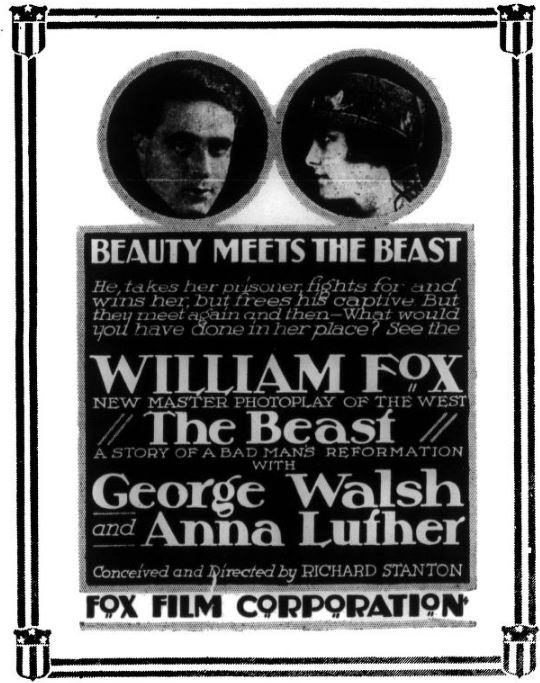
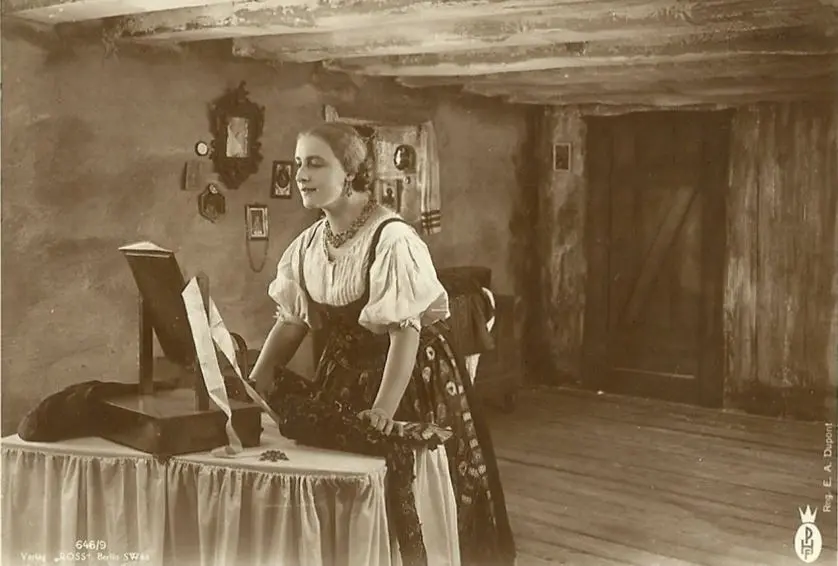
Cult cinema has always had a fascination with the thin line between the human and the animalistic, a theme that finds its roots in films like Die Geierwally and The Woman and the Beast. In Die Geierwally, we see the character of Wally, a farmer’s daughter who earns her nickname by rescuing "The Bear Joseph" from a vulture's nest. This narrative of a powerful woman navigating a dangerous, primal landscape subverted the typical damsel-in-distress tropes of the era. Similarly, in The Woman and the Beast, a mild-mannered man whose kindness is mistaken for weakness finds his redemption through a literal encounter with an escaped lion. These films utilized animals as mirrors for human instinct, a recurring motif in cult classics that seek to strip away the veneer of civilization. The "beast" is not just an external threat; it is the untapped potential or the repressed rage of the social outcast.
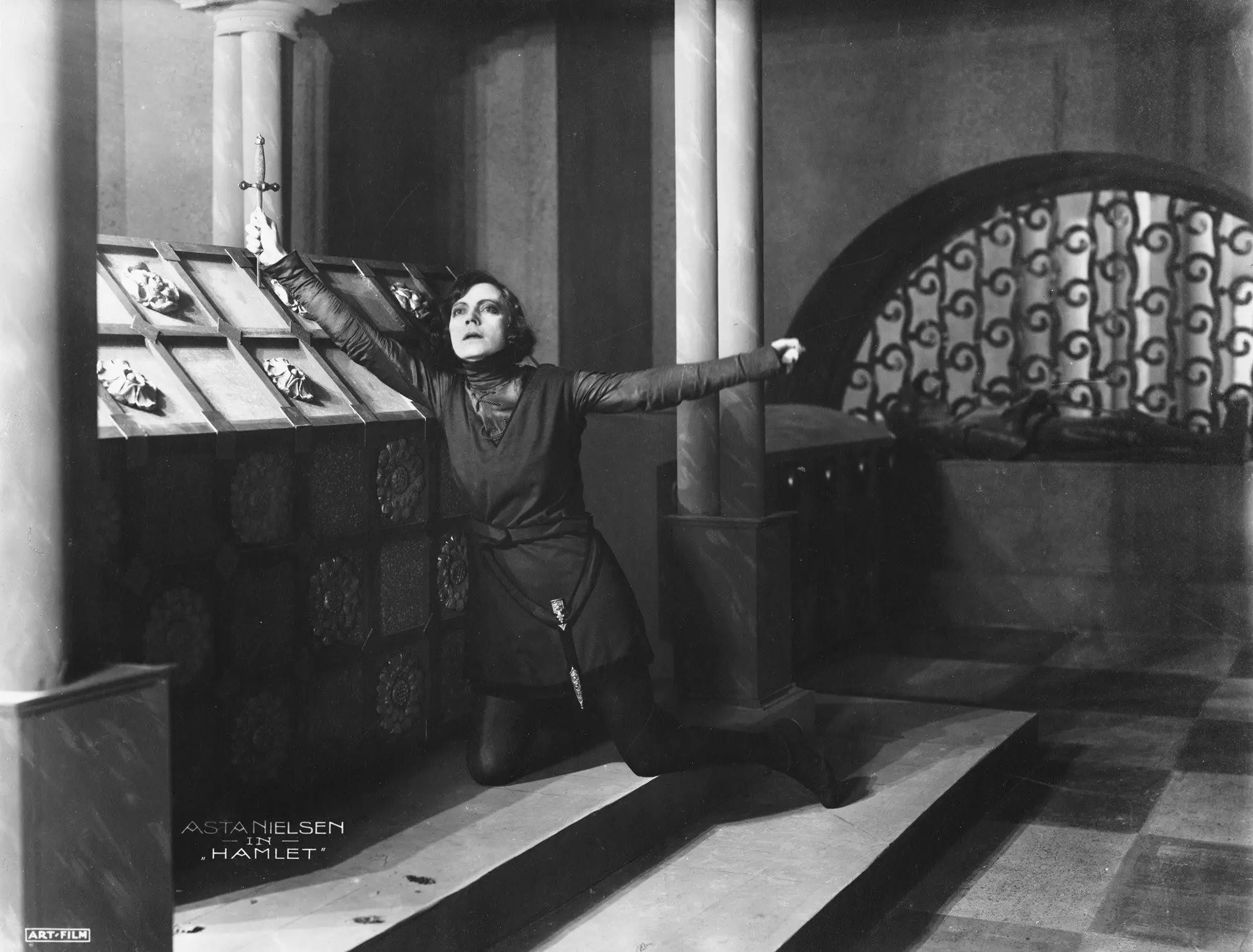
The Hunchback and the Fox: The Aesthetics of Deformity
The visual language of the cult film often embraces what the mainstream considers grotesque or "other." Consider the 1917 film The Fox Woman, which centers on Marashida, a hunchbacked Japanese artist. The story explores the destruction of his domestic happiness through the interference of an American missionary. This focus on a physically marginalized protagonist, combined with an exploration of cultural clash and spiritual manipulation, provides a blueprint for the "sympathetic monster" or the "misfit hero" that populates the cult pantheon. The hunchback’s perspective, often literally and figuratively skewed, offers a critique of the society that rejects him—a theme that resonates deeply with the cult audience’s identification with the outsider.
Moral Ambiguity and the Rise of the Good-Bad Man
The binary of good versus evil is frequently dismantled in cult narratives, favoring a more complex, often murky, moral landscape. Early Westerns and crime dramas like Six-Shooter Andy and The Edge of the Law paved the way for the anti-heroes we celebrate today. In Six-Shooter Andy, the conflict isn't just between an outlaw and the law; it’s against a corrupt sheriff, Tom Slade. When the structures of authority are revealed to be rotten, the rogue individual becomes the only source of justice. This distrust of institutions is a foundational element of the cult ethos.
In The Edge of the Law, the narrative takes an even stranger turn, featuring a "school for crooks" where a young woman named Nancy Glenn, disguised as a boy named "Spider," fails at pickpocketing. This blend of crime, gender disguise, and the subversion of "education" creates a surreal, gritty world that feels remarkably modern. The cult film thrives on these gray areas, where characters like Nancy are forced to navigate survival on the fringes of legality, reflecting the audience’s own frustrations with rigid social structures.
The Surreal and the Supernatural: Early Cinematic Fever Dreams
Surrealism is the lifeblood of cult cinema, and the early 20th century was rife with experimental visuals that challenged the logic of reality. Even As You and I presents a narrative that is pure cult delirium: a sculptor named Carillo, whose honor and love are targeted by the Devil and his imps. This literalization of internal struggle, involving supernatural intervention and moral temptation, set the stage for the psychedelic and metaphysical cult films of later decades. It transformed the screen into a canvas for the subconscious, where the laws of physics and morality were secondary to the power of the image.
Even the early experiments in animation, such as Walt Disney’s Newman Laugh-O-Grams, displayed a playful, often irreverent approach to the medium. These shorts weren't just about cute characters; they were about the act of creation itself, often featuring the artist as a character within the film. This meta-textual awareness is a key trait of cult cinema, which often breaks the "fourth wall" to acknowledge the artifice of the medium and the presence of the viewer.
The Symbolist Drama and the Carnival of Truth
Films like Le carnaval des vérités (The Carnival of Truths) delved into the symbolist drama of truth and falsehood. The plot, involving blackmail, seduction, and a naive young friend, uses the "carnival" as a metaphor for the masks people wear in society. This theatrical, almost ritualistic approach to storytelling is a hallmark of cult cinema, which often uses heightened reality and symbolism to explore deep-seated anxieties. The cult viewer is not just watching a story; they are decoding a series of signs and secrets, much like the characters in these early symbolist works.
Class Conflict and the Melodrama of the Marginalized
While mainstream cinema often sought to provide escapist fantasies for the elite, early cult-adjacent films frequently focused on the harsh realities of the working class and the marginalized. Hearts of Oak tells the harrowing story of "Old Luke," a fisherman in the final stages of smallpox, who must send his young daughter to find aid. The visceral nature of the disease and the social ostracization that follows—where millers shrink from the child in fear—creates a narrative of desperation and isolation that is far removed from the polished romances of the era.
Similarly, The Trouble Buster follows a Romanian immigrant, Franz Libelt, whose death leaves his daughter Michelna an orphan. Her subsequent friendship with a newsboy, Blackie Moyle, highlights the solidarity found among those at the bottom of the social ladder. These narratives of poverty, immigration, and survival provided a voice for the disenfranchised, creating a sense of community among viewers who saw their own struggles reflected on the screen. This communal identification is exactly what transforms a simple movie into a cult phenomenon.
The Mystery of the Hidden Reel: Espionage and Lost Designs
The "MacGuffin"—the object that drives the plot and obsesses the characters—is a staple of cult cinema, often taking the form of secret documents or revolutionary technology. In The Mysterious Lady, the target is the design for a revolutionary internal combustion engine. In Den tredie magt, it is a signed treaty sought by an ambassador. These films tap into the paranoia and intrigue of the early 20th century, reflecting a world on the brink of technological and political upheaval. The obsession with the "hidden" or the "forbidden" knowledge mirrors the cult fan’s own desire to uncover lost films, director’s cuts, and the secret histories of cinema.
Conclusion: The Eternal Return of the Misfit Reel
The enduring power of cult cinema lies in its ability to offer a sanctuary for the strange. Whether it is the gender-fluidity of Hamlet, the primal struggles in Die Geierwally, or the gritty desperation of Hearts of Oak, these early films established a language of rebellion that continues to speak to us. They remind us that the most profound cinematic experiences often happen at the edges of the frame, in the stories that were too weird, too dark, or too honest for the mainstream. As we continue to dig through the archives of the silent era, we aren't just finding old movies; we are unearthing the genetic code of the modern cult obsession—a testament to the fact that the misfits, the rebels, and the mavericks have always been the true heart of the silver screen.
Community
Comments
Log in to comment.
Loading comments…