
Deep Dive
The Shadow's Sanctuary: Decoding the Primal Magnetism and Transgressive Soul of Cinema's First Century of Genre Outcasts
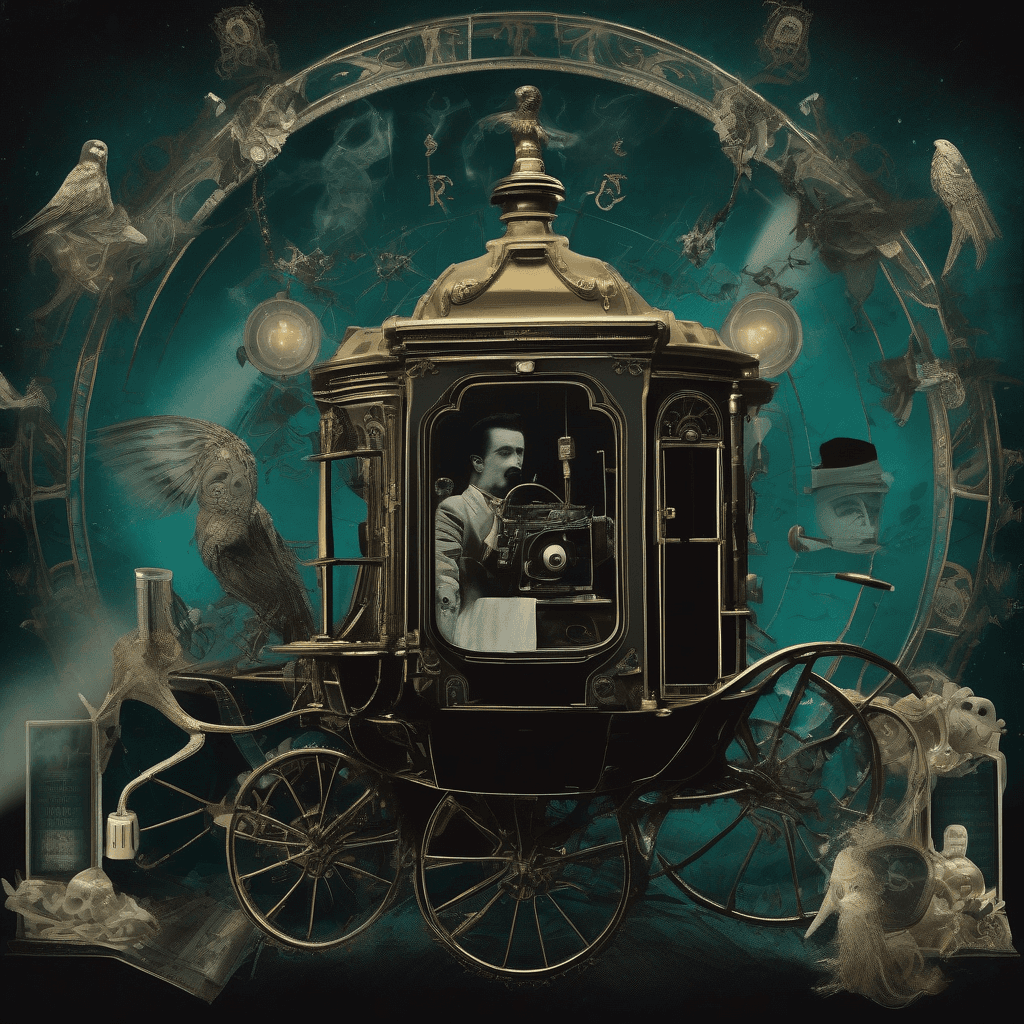
“A deep dive into the silent era's most daring anomalies, exploring how films like 'The Phantom Carriage' and 'A Florida Enchantment' laid the groundwork for modern cult devotion.”
To the uninitiated, the term cult cinema conjures images of midnight screenings, costumed fans, and grainy celluloid. However, the genetic blueprint of this phenomenon was not drafted in the 1970s with the rise of the midnight movie; it was etched into the very foundations of the silent era. Long before the term existed, a collection of cinematic anomalies—films that defied moral conventions, social hierarchies, and narrative logic—began to form a shadow history of the medium. These were the first genre outcasts, the works that traded mainstream appeal for a primal magnetism that continues to resonate with the disenfranchised and the obsessive alike.
The Metaphysical Fringe: Spiritual Dread and the Occult
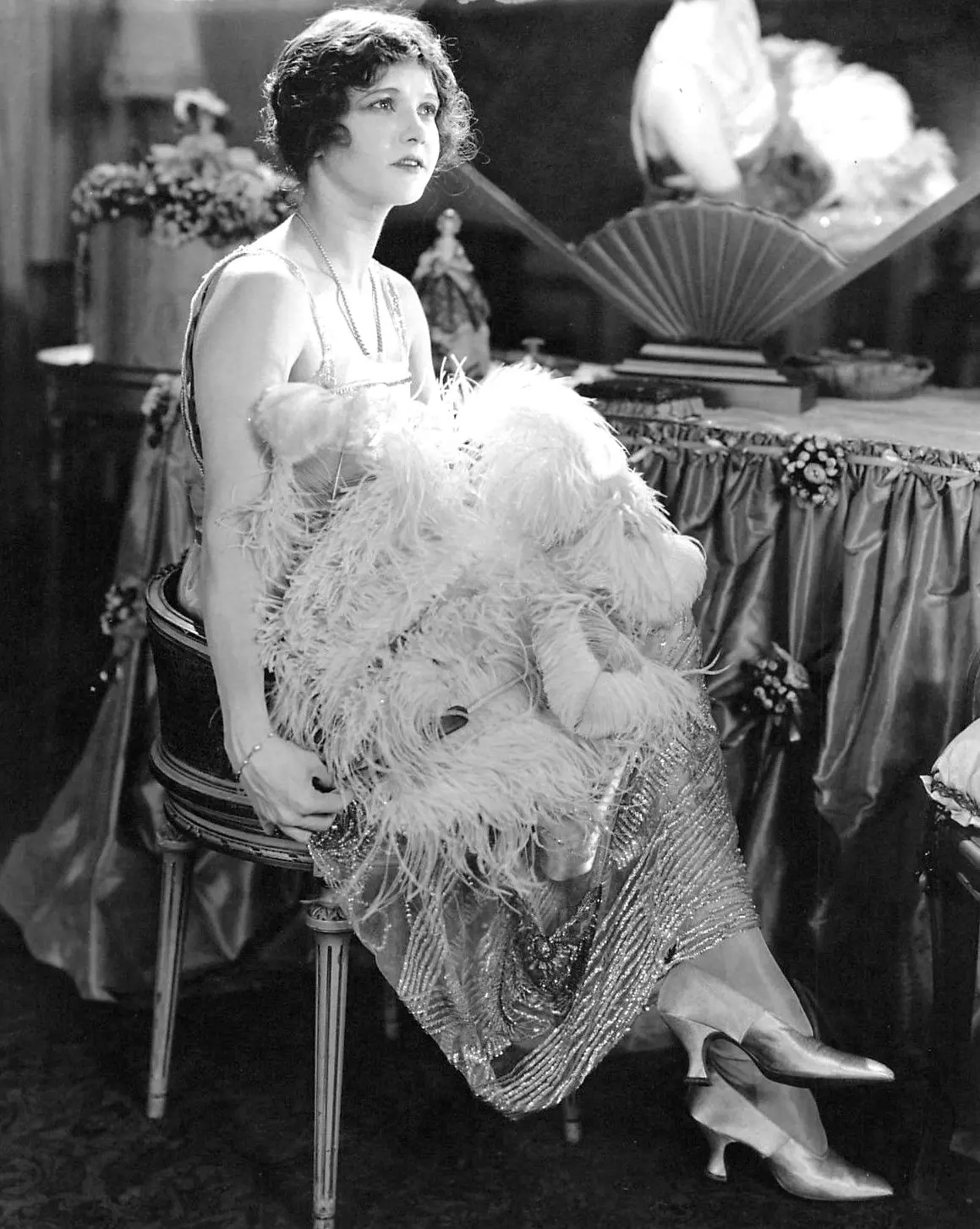
At the heart of the cult experience lies a fascination with the unseen and the unexplained. Early cinema was obsessed with the metaphysical, often pushing the boundaries of what was considered acceptable subject matter. Consider the 1916 serial The Mysteries of Myra. This was not a standard melodrama; it was a deep dive into the world of the Black Order, a secret organization utilizing magic and supernatural assaults to achieve its ends. In its depiction of curses and metaphysical warfare, it anticipated the folk horror and occult obsessions that would define late 20th-century cultism. It invited the viewer into a secret world, a hallmark of the cult experience where the audience feels they are privy to forbidden knowledge.
Similarly, the 1921 masterpiece The Phantom Carriage utilized groundbreaking double-exposure techniques to tell a story of spiritual reckoning. On New Year's Eve, the driver of a ghostly carriage forces a drunken protagonist to reflect on a wasted life. This film did more than just tell a ghost story; it created a visual language for the cinematic subconscious. The haunting imagery of the carriage collecting souls from the depths of the sea became a primal archetype for the genre-bending fantasies that would later dominate the cult landscape. It is a film that demands reflection, casting an unbreakable spell on those who seek more than just surface-level entertainment.
Social Transgression: The Moral Outlaws of the Silent Screen
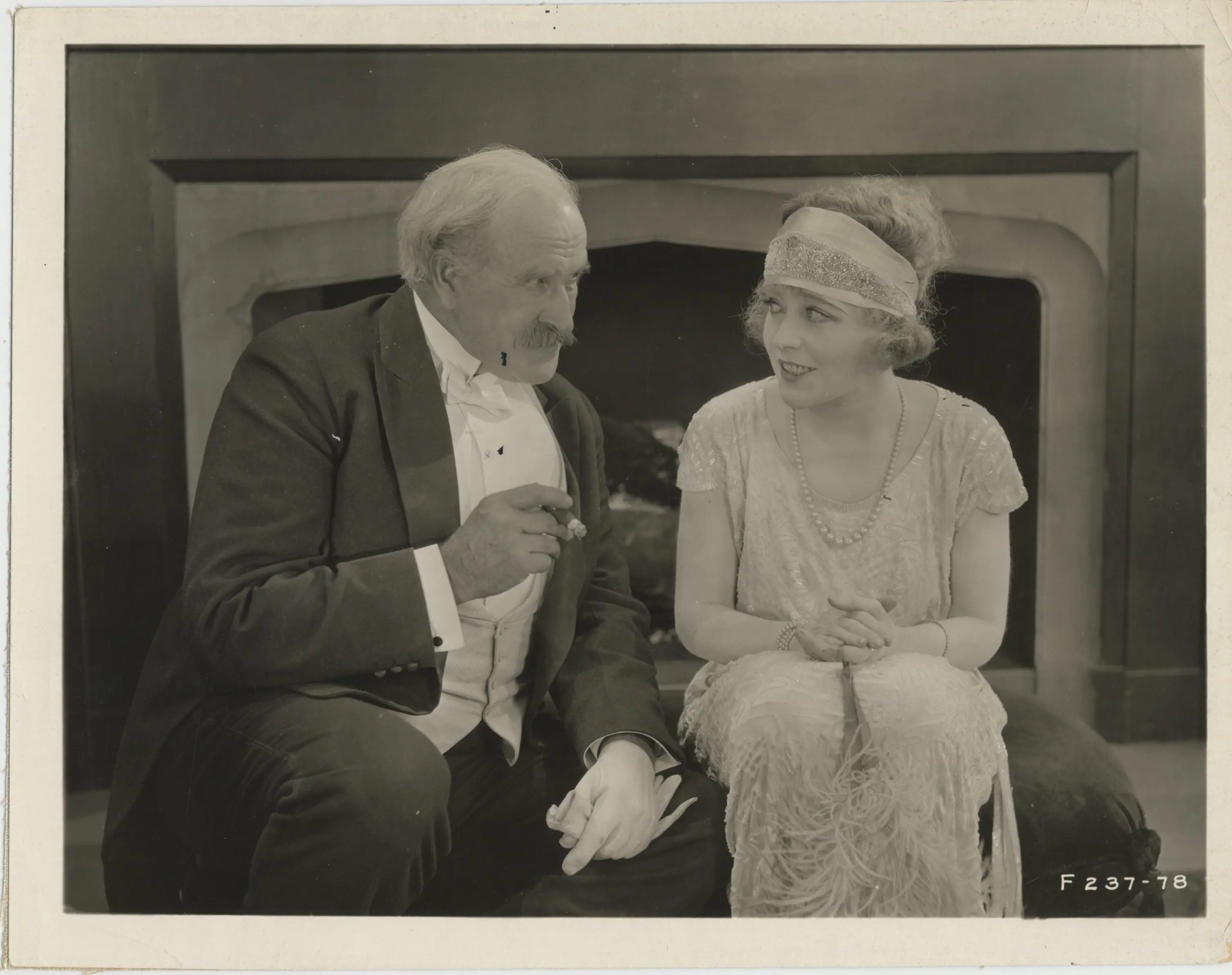
Cult cinema has always been a refuge for stories that the mainstream would rather ignore. In the early 20th century, filmmakers were already exploring the dark underbelly of society, often at the risk of censorship. The House of Bondage (1914) serves as a stark example of this early transgressive DNA. By dramatizing the story of a young girl tricked into prostitution after rebelling against her strict school, the film tackled a social taboo with a raw, unflinching gaze. Such films were often banned or heavily edited, which only served to increase their allure among those who sought out the "forbidden" in art.
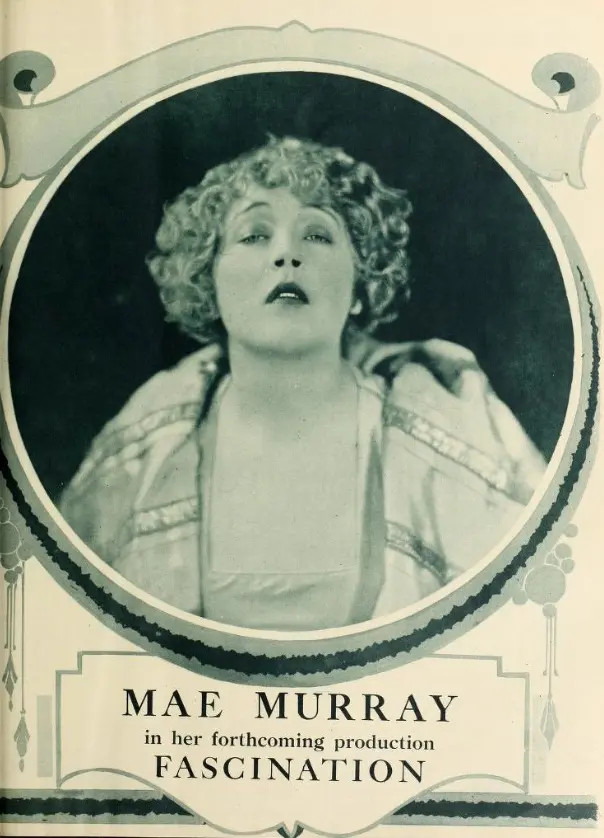
The tension between religious dogma and personal freedom was another fertile ground for early cinematic rebellion. In Hämnaren, a young student refuses to marry a Jewish woman after she becomes pregnant, citing their religious differences. This exploration of social hypocrisy and the consequences of moral rigidity provided a template for the subversive narratives that cult fans would later champion. These films did not offer easy answers; instead, they reflected the messy, often cruel realities of the human condition, making them essential viewing for anyone tired of the sanitized versions of life presented by major studios.
The Anarchy of Identity: Gender and Subversion
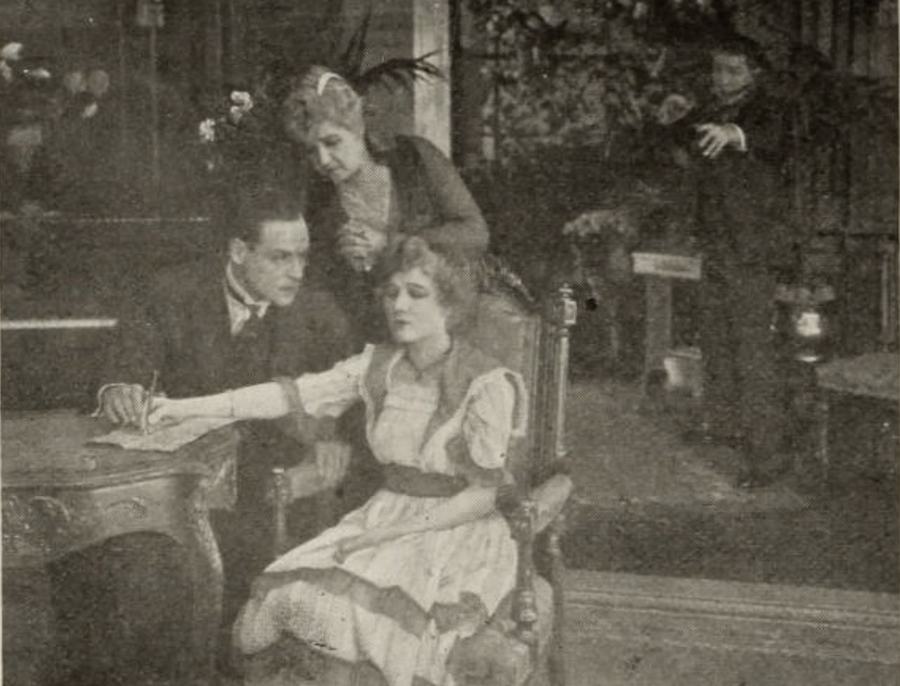
One of the most surprising precursors to modern cult sensibilities is the 1914 film A Florida Enchantment. Long before gender fluidity became a central theme in contemporary discourse, this film presented a world where a magical seed could flip gender roles. A young woman takes the seed, acts like a man, and then feeds it to her maid and fiancé. While played for comedy, the underlying subversion of traditional gender norms was radical for its time. It showcased the narrative anarchy that defines the cult ethos—the willingness to upend the natural order of things for the sake of a wild, unconventional vision.
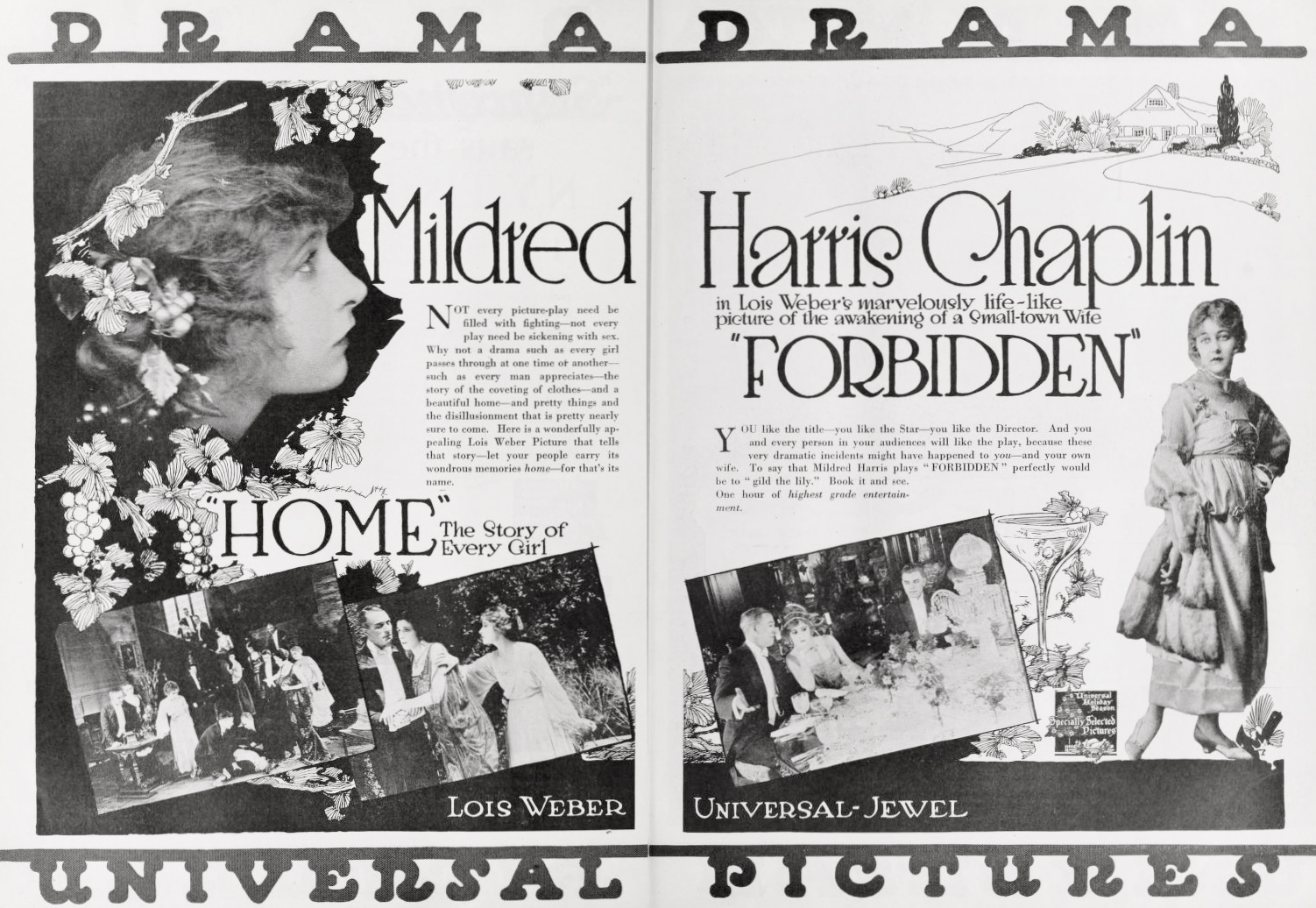
This spirit of subversion extended to the domestic sphere as well. Films like Be My Wife and Meet the Wife often featured protagonists struggling against the disapproval of authority figures or navigating the absurdities of matrimonial agencies. These comedies, while seemingly lighthearted, often carried a cynical edge regarding the institutions of marriage and social status. They celebrated the misfit—the individual who doesn't quite fit into the pre-packaged roles society has designed for them.
The Industrial Misfit and the Dream of Elsewhere
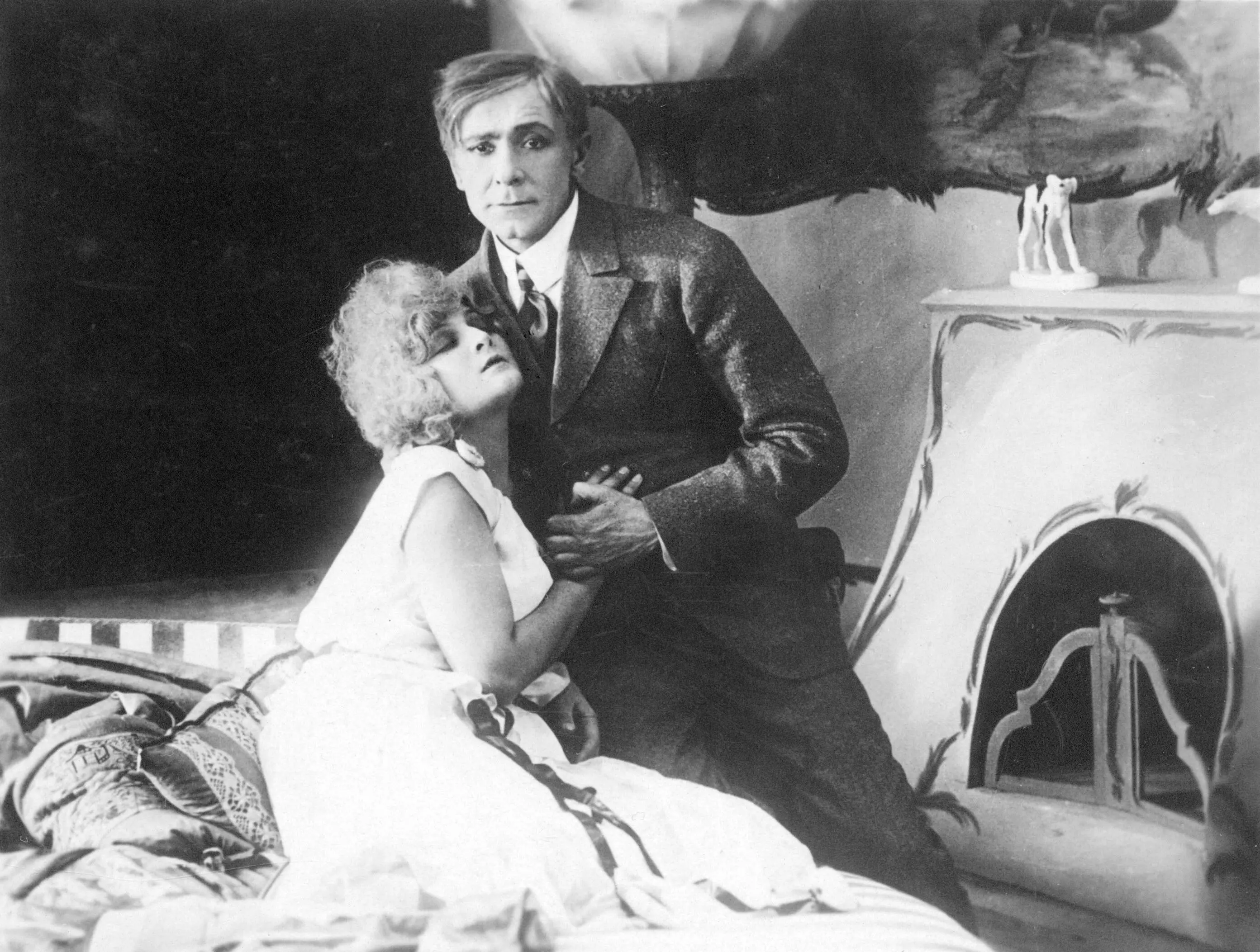
As the world modernized, early cinema captured the growing disconnect between the individual and the industrial machine. Mister 44 (1916) offers a poignant look at Sadie Hicks, a worker in a sordid shirt factory who dreams of the great outdoors. Surrounded by men with "puny minds and flabby bodies," she yearns for a stronger, more authentic existence. This theme of escapism is a cornerstone of cult cinema. Whether it's a sci-fi epic or a gritty indie drama, cult films often speak to the desire to transcend a mundane or oppressive reality.
Similarly, Battling Jane presents a rootless young lady who adopts an abandoned child, only to find herself in conflict with a vicious outlaw father. This narrative of the unconventional family and the struggle for autonomy against societal expectations is a recurring motif in cult classics. These characters are not traditional heroes; they are survivors, navigating a world that has no place for them. Their struggles resonate with audiences who feel like outsiders, creating a powerful bond of collective devotion.
Bohemian Despair and the Artist's Gaze
The early century's obsession with the artist's struggle also contributed to the cult canon. Skæbnesvangre vildfarelser (Fatal Delusions) takes us into the Moulin Rouge tavern, where a company of artists and models gather to listen to Gaston Printemps. The protagonist, Louis, is a painter depressed by unrequited love. This focus on bohemian melancholy and the romanticization of the tortured artist provided a rich aesthetic that many cult films would later adopt. It established the idea of the cinema as a space for exploring the fringes of human emotion and the darker corners of the creative psyche.
Even the more traditional dramas of the era, such as The Girl Who Won Out or The Way Back, often centered on themes of loss, inheritance, and the struggle to regain one's place in the world. These stories of resurrection and redemption, often featuring characters who have been discarded by society, form the emotional core of many cult followings. We watch these films not just for the plot, but for the validation of the struggle itself.
The Enduring Legacy: From Silent Rebels to Midnight Icons
The films of the 1910s and 20s were the laboratory where the cult movie template was first tested. By experimenting with metaphysical dread in The Mysteries of Myra, social transgression in The House of Bondage, and gender subversion in A Florida Enchantment, early filmmakers laid the groundwork for everything from the midnight movies of the 70s to the niche streaming obsessions of today. These films were the original genre mutants, refusing to stay within the lines drawn by the burgeoning Hollywood machine.
What connects a silent film like The Phantom Carriage to a modern cult classic is the unconventional rhythm of its storytelling. These are films that do not prioritize mass appeal; instead, they seek to capture a specific, often strange, mood or idea. They are the products of maverick visions, created by individuals who were more interested in pushing the boundaries of the medium than in following a proven formula. This spirit of cinematic mutiny is what continues to draw audiences to the fringe.
As we look back at the first century of cinema, it becomes clear that the "outcasts" were often the most innovative and enduring works of all. Whether it was the historical nursing innovations of Florence Nightingale (1915) or the high-stakes horse racing of Atta Boy's Last Race, these films captured a snapshot of a world in transition, reflecting the anxieties and aspirations of their time in ways that the mainstream often missed. They are the midnight fossils of our cultural history, waiting to be unearthed by each new generation of film lovers.
The Ritual of the Unseen
In the end, cult cinema is about more than just the films themselves; it is about the communal catharsis of the audience. When we gather to watch a film like The Butterfly Girl or Gay and Devilish, we are participating in a ritual that dates back to the earliest days of the nickelodeon. We are celebrating the strange, the beautiful, and the broken. We are finding a home in the shadow's sanctuary, a place where the misfits of the past and the present can finally stand together in the flickering light of the projector.
The enduring power of these early genre outcasts lies in their ability to speak a secret language—a dialect of rebellion and wonder that transcends time and technology. As long as there are filmmakers willing to take risks and audiences hungry for something beyond the marquee, the legacy of cult cinema will continue to burn brightly, fueled by the primal fire of those first silent rebels. From the ghostly carriages to the magical seeds, the genetic rebellion of cinema's first century remains our most precious inheritance.
Community
Comments
Log in to comment.
Loading comments…