
Cult Cinema Deep Dive
The Shadow Sanctuary: How Early Cinema's Misfits and Melodramas Forged the Cult Soul
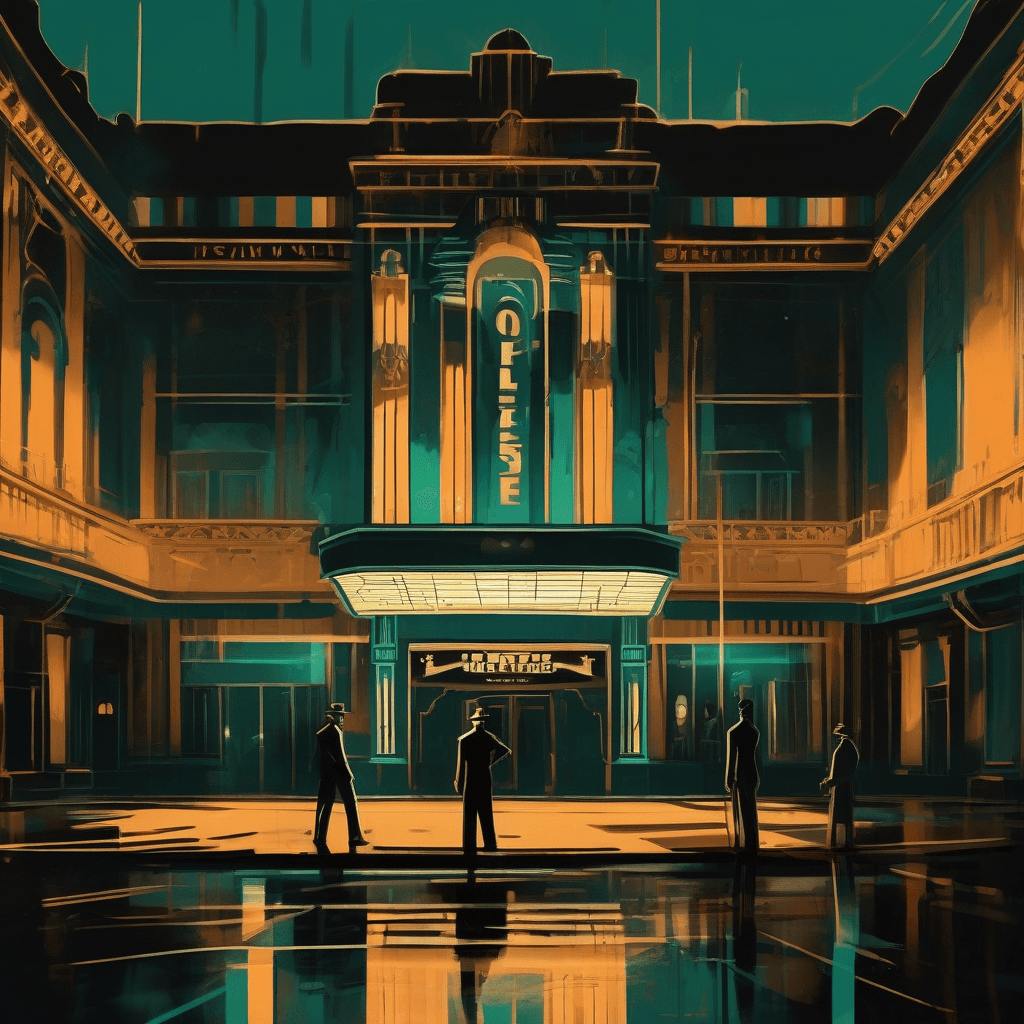
“A deep dive into the transgressive roots of cult cinema, examining how early 20th-century narratives of outcasts, occultists, and rebels laid the foundation for modern midnight movie worship.”
To understand the modern obsession with cult cinema, one must look beyond the neon-soaked midnight screenings of the 1970s and dive into the flickering shadows of the early 20th century. Long before the term "cult classic" was coined, the silver screen was already populated by the very archetypes that define the genre today: the social pariah, the occult seeker, the transgressive lover, and the moral rebel. These early films, often overlooked by the mainstream canon, provided the genetic material for what we now recognize as the midnight movie aesthetic.
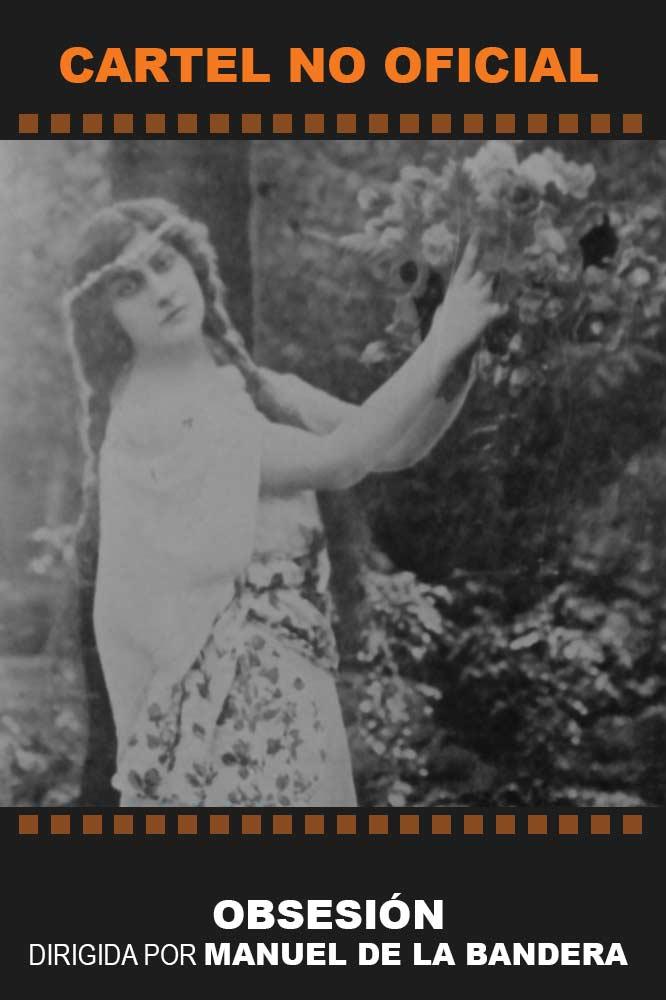
The Archetype of the Outsider: Sally Manvers and the Urban Liminality
One of the foundational pillars of cult cinema is the character who exists on the periphery of society. In the 1917 film The Outsider, we meet Sally Manvers, a shop girl whose mundane life leads her to a surreal moment of isolation. By falling asleep on the roof of her apartment and waking up locked out in a downpour, Sally becomes a literal and metaphorical outsider. This sense of being "locked out" of the conventional world is a recurring theme in cult narratives. It mirrors the experience of the cult film viewer—someone who finds beauty and meaning in the damp, dark corners where others see only discomfort. Sally’s journey into the unknown spaces of her own environment prefigures the urban alienation seen in later cult masterpieces.

The Moral Grey Zone: Nina Seabury and the Transgressive Woman
Cult cinema has always had a fascination with characters who defy traditional morality. In Her Maternal Right, the actress Nina Seabury is depicted as a woman interested only in the bank accounts of her lovers. Her miscalculation regarding Emory Townsend—believing a cashier to be a bank president—introduces a layer of cynical melodrama that resonates with the "camp" sensibilities of later cult icons. This subversion of the "noble woman" trope is also evident in The Way of a Woman, where Nancy Lee’s struggle between aristocratic duty and social inequality highlights the friction that makes cult films so compelling. These are not simple morality plays; they are explorations of the messy, often selfish desires that drive human behavior, a hallmark of transgressive storytelling.
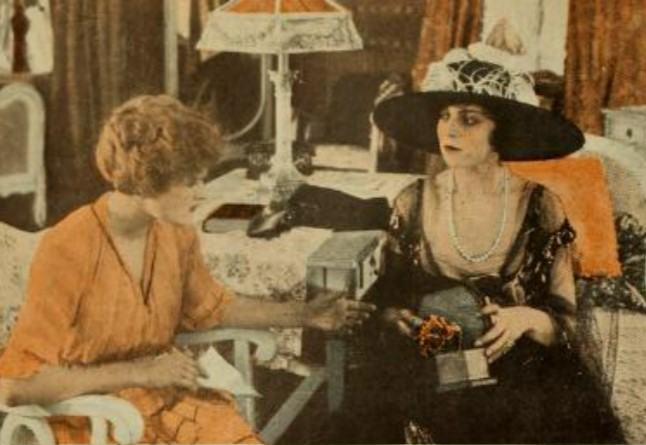
Frontier Lawlessness: The Alaskan Wild as a Cult Landscape
The rugged, lawless environments of the North provided a perfect backdrop for stories of redemption and grit, themes that are central to the cult Western and survivalist genres. Films like The Tiger's Cub and The Mints of Hell transport the viewer to a world where nature is as much a character as the humans struggling within it. In The Mints of Hell, Dan Burke’s search for "black gold"—gold that is soft and flat like coins from hell—introduces a gothic, almost supernatural element to the gold rush narrative. This "hellish" imagery is exactly the kind of visual metaphor that captures the imagination of niche audiences. Similarly, Bucking the Tiger and The Kingdom of Love depict Alaska not just as a place, but as a crucible where the social outcasts of Circle City and other lawless towns must forge their own codes of conduct. These films laid the groundwork for the outlaw cinema that would follow decades later.
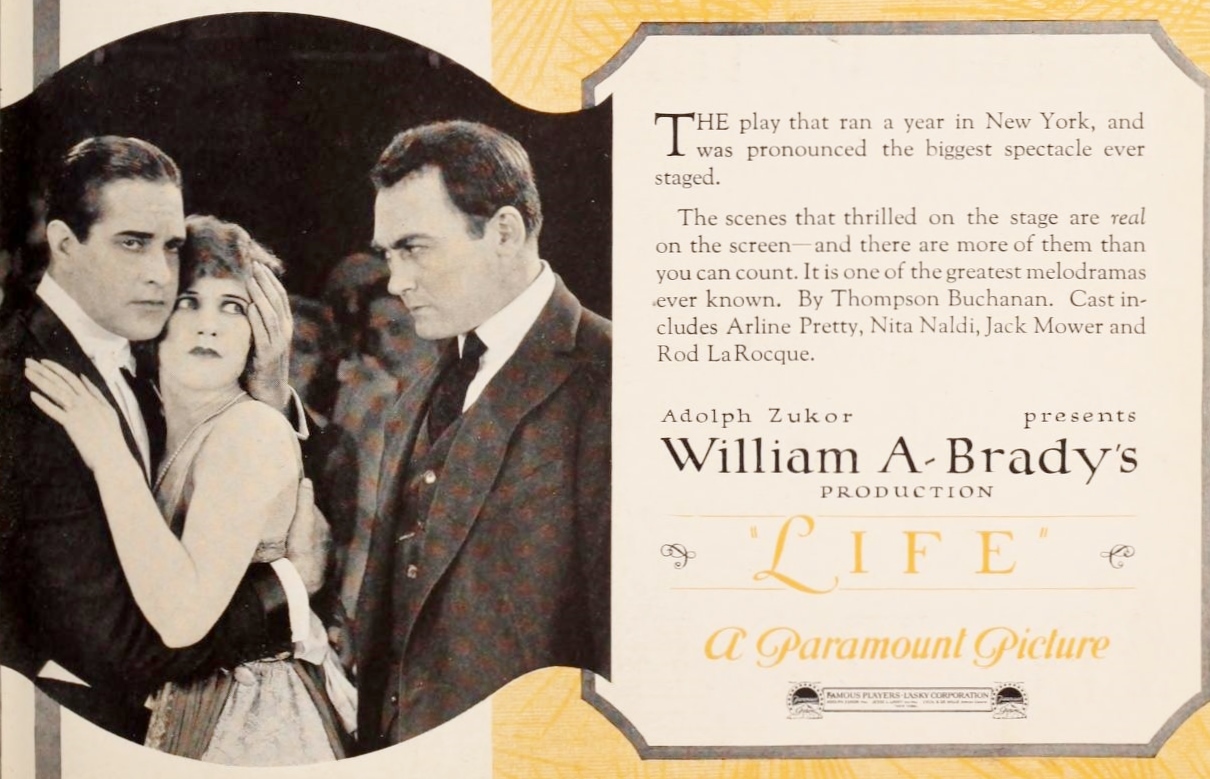
The Occult and the Bizarre: Early Supernatural Flickers
No discussion of cult cinema is complete without acknowledging its debt to the occult and the strange. A Bid for Fortune features an occult scientist attempting to steal a mystical Chinese staff, a plot point that feels like a precursor to the high-concept genre films of the 1980s. Even more bizarre is the 1915 short The New Member, which involves a street fight broken up by a secret hand signal. This signal leads to the discovery of the "Royal Order of the Wriggle Fingers," a Satanic cult run by the police. The sheer absurdity of a police-run magical cult is the quintessence of cult anarchy. It challenges authority, embraces the weird, and presents a world where nothing is as it seems. This narrative unpredictability is what keeps cult fans returning to these obscure reels.
Family Secrets and Psychological Torment: The Truant Soul
The psychological depth of early cinema often matches the intensity of modern thrillers. In The Truant Soul, Dr. John Lancaster lives in dread of a family secret that causes him to act in irrational, almost self-destructive ways. This internal haunting is a staple of the psychological cult film. It’s not just about external monsters, but the monsters within. This theme is echoed in The Heritage of Hate, where Roberta seeks vengeance against the father who abandoned her mother. The "broken heart" as a catalyst for revenge provides a visceral emotional core that transcends the limitations of the silent era’s technology. These films prove that the power of a cult story lies in its ability to tap into universal anxieties about identity, lineage, and the sins of the father.
Genre Defiance: From Farcical War to Island Boredom
One of the most exciting aspects of early cinema is how it blended genres before the industry became rigid. Choose Your Weapons takes the trauma of war and turns it into a farcical political comedy, featuring a protagonist who is "something less than a hero." This anti-heroic stance is a key ingredient in the cult movie recipe. Meanwhile, Island Wives explores the restlessness of a woman on an isolated South Seas island, combining elements of drama with a proto-noir sense of dread. The boredom and lust depicted in Island Wives offer a stark contrast to the period's more wholesome fare, marking it as a film that spoke to the "shadow self" of the audience. Even Miss Jackie of the Army, with its story of a colonel’s daughter organizing a girls' brigade to break the monotony of post life, shows a rebellious spirit that refuses to be contained by societal expectations.
The Cinema of Redemption and the Tramp Hero
The figure of the "holy fool" or the "noble tramp" is perhaps the most enduring icon of the cult world. Just Pals, a story of a small-town tramp befriending a runaway boy, captures the heart of the misfit community. It suggests that those discarded by society are often the ones most capable of true connection. This is mirrored in The Fortunate Youth, where Paul Savelli reinvents himself after escaping a brutal stepfather. The idea of self-reinvention—the ability to cast off one's past and become something "fortunate" despite the odds—is a powerful myth that resonates with anyone who has ever felt like an outsider. These narratives of the "unconquered screen" are what turn simple movies into objects of devotion.
The Legacy of the Forgotten Reel
As we look back at films like Anna Boleyn, with its political turmoil, or the strange, mischief-laden Anderssonskans Kalle, we see a medium that was experimental, daring, and deeply human. Whether it’s the social critique found in Lena Rivers or the crime-drama hybrid of The Broadway Madonna, these early works were carving out a space for the unconventional narrative. They taught us that cinema doesn't have to be perfect to be powerful; it just has to be honest about the weirdness of the human condition. The cult movie soul is found in the cracks of these forgotten stories—in the secret signals of the Wriggle Fingers, the frozen gold of the Yukon, and the lonely roofs of apartment buildings. By revisiting these 50 cinematic ancestors, we honor the rebel heart that continues to beat in every midnight screening across the globe.
Ultimately, cult cinema is a sanctuary for the shadows. It is a place where the misfits of history, like the characters in Cavanaugh of the Forest Rangers or The Man Above the Law, can find a permanent home. These films remind us that the most enduring stories are often the ones that were never meant for the masses, but for the few who were willing to look into the dark and find the light.
Community
Comments
Log in to comment.
Loading comments…