
Cult Cinema
The Silent Underground: Unearthing the Moral Deviance and Genre Anarchy of Cinema’s First Renegade Century
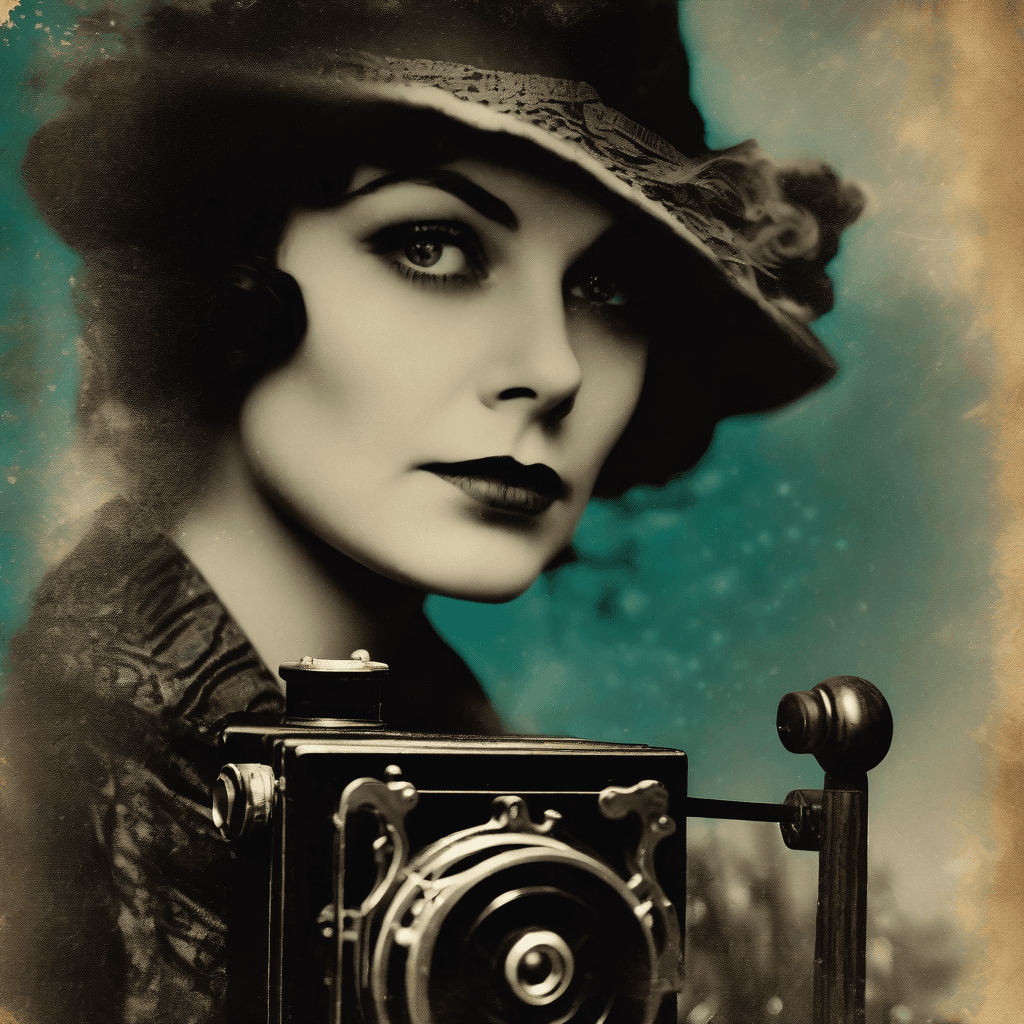
“Explore how the silent era's most transgressive and bizarre films laid the genetic foundation for modern cult cinema and midnight movie devotion.”
When we speak of cult cinema, the mind often drifts toward the neon-soaked midnight screenings of the 1970s or the transgressive video nasties of the 1980s. However, the true heartbeat of the cinematic outlier began much earlier, in the flickering, nitrate-scented shadows of the 1910s and early 1920s. Long before the term 'cult' was codified by critics, a rogue wave of filmmakers was already experimenting with moral deviance, genre anarchy, and narrative subversion. These were the films that refused to play by the rules of burgeoning studio systems, instead opting for stories that explored the darker, weirder, and more uncomfortable corners of the human experience.
The Birth of the Moral Outlaw: From Pola Negri to the Gutter Magdalene
At the core of any cult obsession is the figure of the outsider—the character who operates beyond the pale of polite society. In the early silent era, this archetype was often embodied by the 'immoral' woman or the redeemed criminal. Take, for instance, the 1917 masterpiece The Polish Dancer (Bestia). Starring the legendary Pola Negri, the film presents a protagonist who is unapologetically ambitious and morally fluid. She steals from her lover to escape a small town, only to become a cabaret star who seduces a married man. This isn't a simple cautionary tale; it is a celebration of the femme fatale in her most primal form, a precursor to the transgressive heroines of later noir and cult classics.
Similarly, films like A Gutter Magdalene and The Cup of Life explored the tensions of class and morality through a lens that felt dangerously contemporary. In The Cup of Life (1921), we see the stark contrast between two sisters: one satisfied with her working-class lot and the other, Helen, who yearns for wealth and attention at any cost. These narratives provided a blueprint for the 'social problem' films that would later evolve into the gritty, counter-cultural cinema of the mid-20th century. They dared to ask if the pursuit of desire was worth the cost of one's soul, a question that remains central to the cult ethos.
Genre Mutations and the Western Anti-Hero
While the Western is often seen as the most traditional of American genres, its early iterations were surprisingly experimental. The cult mindset thrives on the subversion of tropes, and the silent era provided this in spades. The Return of Draw Egan (1916), starring William S. Hart, features a notorious bandit who is hired to bring law and order to a lawless town—while keeping his criminal past a secret. This 'wolf in sheep’s clothing' narrative creates a moral gray area that is far more complex than the black-and-white morality of later Hollywood Westerns.
We also see the emergence of the 'hobo' as a romanticized, subversive figure in films like An Unwilling Hero and The Hobo of Pizen City. These characters represented a rejection of industrial society and the 'American Dream,' embodying a freedom that resonated with audiences then and continues to fascinate cult film enthusiasts today. Even more bizarre is The Jail Bird (1920), which presents a protagonist who began his life of crime as an infant, forging his nurse's name for a bottle of milk. This kind of absurdist criminality is a direct ancestor to the surrealist humor found in the works of John Waters or the Coen Brothers.
The Darker Shades of Greed: Pay Me! and the Outlaw Town
If cult cinema is defined by its willingness to look into the abyss, then Pay Me! (1917) is one of its most significant early monuments. Lon Chaney, the 'Man of a Thousand Faces,' delivers a chilling performance as Joe Lawson, a corrupt gold miner who commits triple murder to secure a claim and then raises his partner's child as his own in an 'outlaw town.' This film doesn't just depict crime; it depicts a total breakdown of the social contract. The creation of an entire community based on theft and violence is a concept that prefigures the dystopian landscapes of Mad Max or the lawless fringes of modern grindhouse cinema.
The Global Weird: Exotification and Transgression
Cult cinema has always had a fascination with 'the other,' and the silent era's exploration of global themes often veered into the territory of the bizarre and the transgressive. Maharadjahens yndlingshustru I (1917) and its sequel Die Lieblingsfrau des Maharadscha are prime examples of the 'Orientalist' fantasies that gripped European audiences. These films, involving cross-cultural romances and the perceived 'exoticism' of the East, operated on a level of visual opulence and narrative melodrama that felt otherworldly. For the audiences of the time, these were 'midnight movies' in spirit—escapist, slightly forbidden, and visually arresting.
On the more extreme end of the spectrum, we find Das Frauenhaus von Brescia (1920), also known as The House of Pillory. This film, dealing with the exploitation of women captured during wartime, pushed the boundaries of what was acceptable on screen. Its themes of imprisonment and exploitation are uncomfortable, yet they represent a significant moment in the history of transgressive cinema. It is a stark reminder that the 'fringe' has always existed, pushing against the walls of censorship and social decorum.
Meta-Cinema and the Dawn of Self-Awareness
Perhaps the most surprising element of the early silent fringe is its self-awareness. Cult fans love a film that knows it’s a film, and the 1910s had its own version of meta-commentary. The Original Movie (1922) is an animated short that looks at the filmmaking process in the prehistoric era, featuring the 'Stonehenge Film Company.' This satirical take on the industry—showing that even in the Stone Age, writers were struggling and producers were demanding—is a remarkably modern piece of comedy. Similarly, On Strike (1920) features the popular characters Mutt and Jeff attempting to make their own film, a classic 'film-within-a-film' trope that celebrates the DIY spirit of independent and cult creators.
Visual Anarchy: The Ballet Girl and Voodoo Vengeance
The visual language of early cult cinema was often dictated by the limitations and possibilities of the medium. In The Ballet Girl (1916), we see a tragic, visually striking story of an aerial dancer murdered mid-performance by a jealous husband. The image of the falling dancer is a haunting piece of cinematography that lingers in the mind long after the reel ends. Meanwhile, Voodoo Vengeance (1913) tapped into the supernatural and the macabre, using tribal themes and 'revenge' tropes to create an atmosphere of dread that would later become a staple of the horror-cult genre.
The Enduring Legacy of the Nitrate Fringe
Why do these films, many of them over a century old, still matter to the modern cult enthusiast? It is because they represent the first time that cinema was used not just to mirror reality, but to distort it, to challenge it, and to revel in its anomalies. Whether it is the niche obsession with the 'lost' films of the era or the fascination with the extreme moral dilemmas presented in works like The Waiting Soul (where a man blames his mistress for the death of his child), the silent era is the genetic bedrock of everything we love about the strange and the subversive.
The films mentioned here—from the high-seas drama of The Capture of a Sea Elephant to the gritty urban realism of At the Stage Door—remind us that cinema has always been a battleground between the mainstream and the marginal. The 'midnight mindset' wasn't invented in a vacuum; it was forged in the heat of a thousand flickering projectors in the 1910s, by filmmakers who weren't afraid to be immoral, weird, or outright anarchic. As we continue to dig through the archives, we find that the ghosts of the silent era are still whispering to us, urging us to embrace the unconventional and find beauty in the shadows of the celluloid fringe.
In conclusion, the cult cinema of today owes a massive debt to the silent rebels of yesterday. By exploring the moral outcasts, the genre-bending Westerns, and the transgressive war dramas of the early 20th century, we gain a deeper understanding of why we are still drawn to the 'weird' in film. These 1910s and 20s outliers didn't just tell stories; they engineered a new type of spectatorship—one based on devotion, discovery, and a love for the cinematic anomaly. The next time you sit down for a midnight screening, remember that you are part of a tradition that began long ago, in the silent, shimmering dark of the first renegade century.
Community
Comments
Log in to comment.
Loading comments…