
Cult Cinema
The Spectral Deviant: Unmasking the Silent Rebels and Misfit Narratives That Birthed the Cult Cinema Ethos
“An exploration of how the transgressive themes and misfit characters of early 20th-century cinema laid the foundation for modern cult film devotion and underground fandom.”
Before the neon-soaked midnight screenings of the 1970s and the digital rabbit holes of the modern era, cult cinema existed as a flickering ghost in the machine of the early film industry. To understand the cult cinema psyche, one must look past the polished blockbusters of today and peer into the grainy, often forgotten reels of the 1910s and 1920s. These were the years of the spectral deviant—narratives that refused to conform to the burgeoning moral codes of Hollywood and Europe, instead opting for stories of orphans, criminals, religious fanatics, and social outcasts.
The Architecture of the Outcast: From Orphans to Underworld Dives
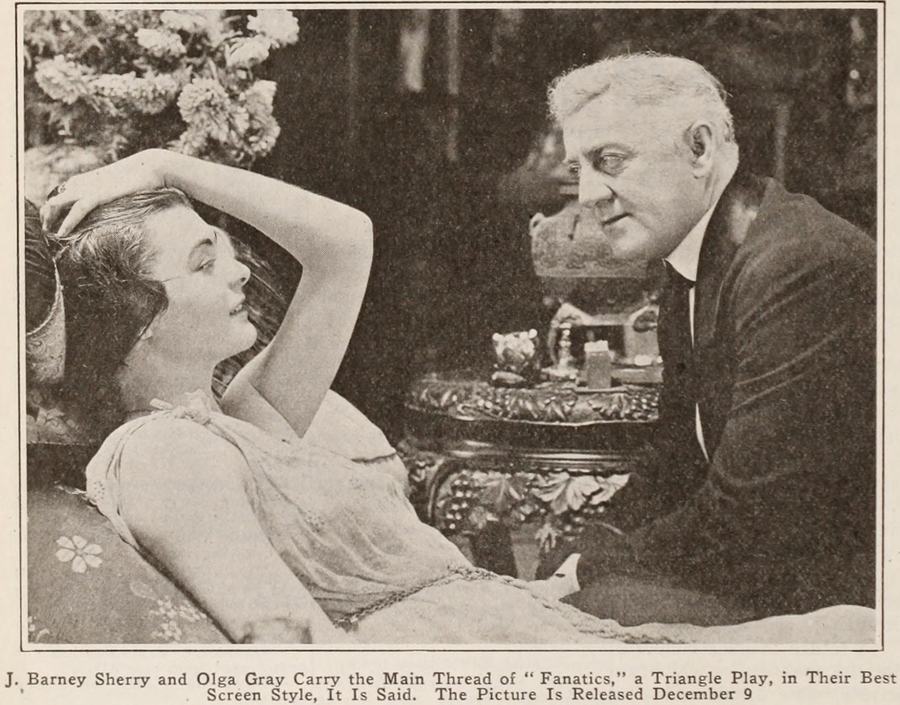
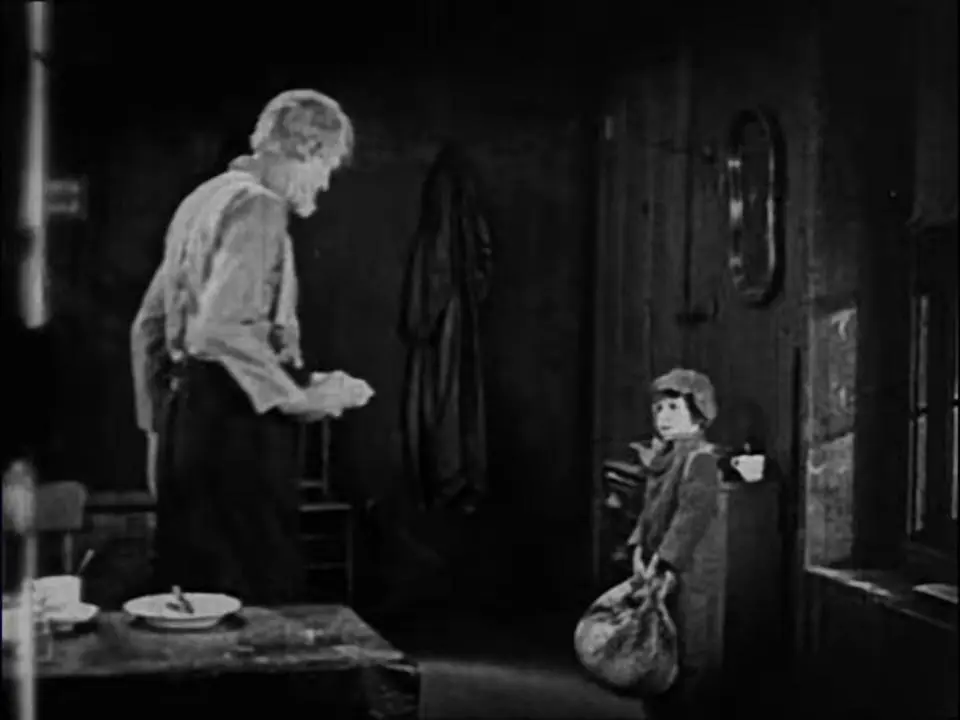
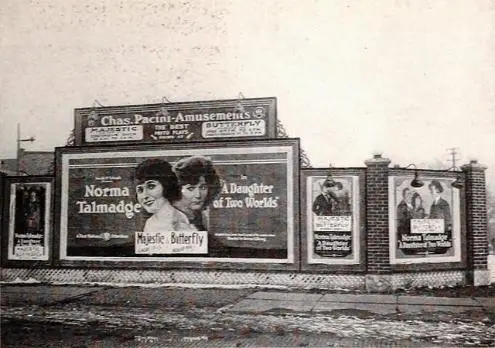
The DNA of cult cinema is rooted in the figure of the outsider. In the 1921 classic My Boy, we see an orphan escaping immigration officials at Ellis Island to live with an old ship’s master. This narrative of survival on the fringes of society is a foundational pillar of the cult ethos. Cult films often champion the disenfranchised, those who exist outside the traditional family structure or social safety net. Similarly, in A Daughter of Two Worlds, the character Jennie Malone is thrust from an underworld dive—managed by her father, Black Jerry—into a world of forgery accusations and social climbing. This movement between the underworld and high society creates a friction that has fueled niche fandom for over a century.
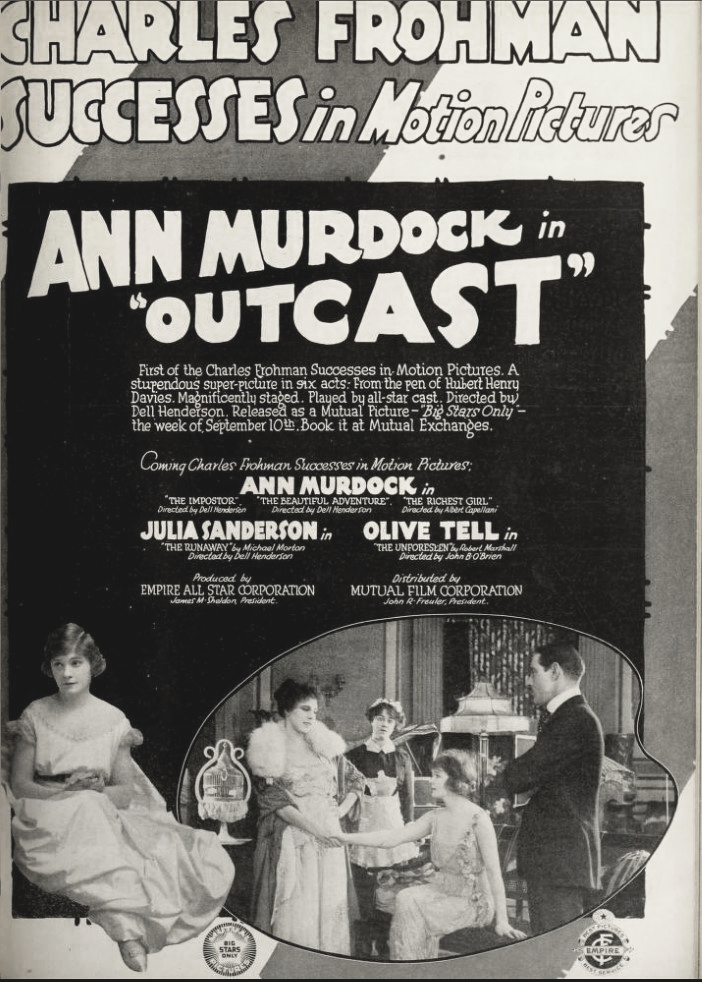
These early films didn't just tell stories; they built archetypes. The "underworld dive" isn't just a setting; it's a state of mind. It represents the cinematic underground, a space where the rules of polite society are suspended. When we watch a film like The Bait (1921), where a crook uses a young woman as blackmail bait for a millionaire, we are witnessing the birth of the noir-inflected cult thriller. These stories of manipulation and moral ambiguity are the ancestors of the transgressive cinema that would later define the works of John Waters or David Lynch.
The Forbidden Pulse: Repression, Religion, and Radical Desire
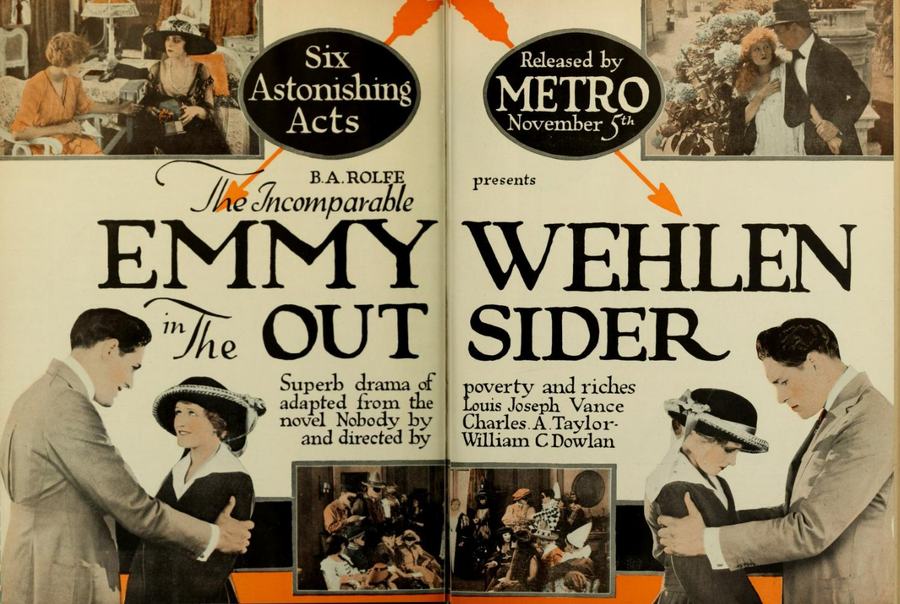
Cult cinema has always been obsessed with what is forbidden. In the early 20th century, this often took the form of exploring moral and religious repression. Consider Under the Lash, where Deborah Krillet, the young wife of a Boer farmer and religious fanatic, falls in love with an English overseer. The tension between religious zealotry and illicit passion is a classic cult trope, one that challenges the viewer to sympathize with the "sinner." This theme of the rebel heart beating against the cage of tradition is also evident in The Love Trail, where an orphan's love for a married soldier leads to a complex web of sacrifice and exile.
The Medical and the Macabre: Proto-Noir Sensibilities
The fascination with the grotesque and the clinical also finds its roots in this era. The Case of Lady Camber presents a chilling scenario: a doctor must prove his nurse's innocence in the strychnine poisoning of a philandering Lord's invalid wife. This blend of medical drama and domestic horror creates a claustrophobic tension that is a hallmark of cult obsession. It’s not just about the mystery; it’s about the underlying rot within the upper class—a theme that resonates through the history of subversive cinema.
Even more radical for its time was Remorse, a Story of the Red Plague, a film that tackled the social taboo of venereal disease. Cult cinema often serves as a mirror to the things society wishes to ignore. By bringing the "red plague" to the screen, early filmmakers were engaging in a form of social transgression that paved the way for the shock-cinema of the 1960s and 70s. These films were the original "forbidden flickers," the ones whispered about in the corners of the industry.
Global Subversions: The International Roots of the Weird
The cult gaze is not limited to any one nation. The early 20th century saw a global explosion of genre-bending anomalies. In Italy, Sperduti nel buio (Lost in the Dark) told a haunting tale of a blind violinist and an illegitimate daughter living as beggars, exploited by those around them. This focus on the sensory experience of the marginalized is a recurring motif in the underground aesthetic. In Portugal, O Homem dos Olhos Tortos (The Man with the Crooked Eyes) delved into the world of German spying and secret organizations during World War I, blending espionage with a surreal, almost expressionistic visual style.
From the Dutch pluck of Hulda from Holland to the German adventure of Das Geheimnis von Bombay, these films demonstrate that the desire for the "unconventional" is a universal human trait. Cult cinema is the bridge that connects these disparate cultural experiences through a shared language of visual rebellion. Whether it’s the mountain bandits of Ernst Lubitsch’s The Wildcat or the South Seas treasure hunters in The Fatal Fortune, the impulse is the same: to escape the mundane and enter a world of high-stakes, often absurd, adventure.
Farce, Freakery, and the Lubitsch Touch
While many cult films are dark and brooding, a significant portion of the canon is dedicated to the absurd and the farcical. Lubitsch’s The Wildcat (1921) is a prime example of a "madcap farce" that defies traditional narrative structure. Its unrestrained energy and caricature-like characters are the precursors to the camp sensibilities of modern cult icons like John Waters. Similarly, Brewster's Millions, with its bizarre premise of a man forced to spend two million dollars in a year to inherit ten million, taps into the surrealist logic that often defines cult comedy.
The Mystery of the Serial: Lucille Love and the Girl of Mystery
The episodic nature of early cinema also contributed to the cult of the "mystery." Lucille Love: The Girl of Mystery was more than just a film; it was an event. The serial format encouraged a level of fanatical devotion and speculation that mirrors today's binge-watching culture. The rivalry between West Point cadets over a woman, set against a backdrop of theft and expulsion, provided the kind of melodrama that niche audiences crave. It wasn't just about the plot; it was about the mystery of the persona—the "Girl of Mystery" herself becoming a totem for the audience's imagination.
This obsession with the mysterious and the unexplained is further explored in films like Den mystiske tjener and The Dreamer. These titles suggest a world where reality is fluid, and characters are never quite who they seem. In the world of cult cinema, the mask is the message. Whether it's a rich lad posing as a hod-carrier in A Kiss for Susie or the "The Drifter" and "The Seeker" in Tropical Love, the theme of hidden identity is central to the cult experience.
Conclusion: The Enduring Legacy of the Silent Misfit
Why do we still look back at these films? Why does a title like The Celluloid Renegade or The Spectral Deviant resonate so deeply with modern cinephiles? It is because these early works represent the first time the camera was turned toward the shadows of the human experience. They prove that the 1910s and 1920s were not just a time of swashbuckling adventure and simple romance, but a period of profound cinematic experimentation.
Films like Any Old Port, with its jealous husbands and women in every port, or Fools for Luck, which explores the psychology of the gambler, show a medium grappling with the complexities of the modern world. They are the forgotten treasures that still outshine modern melodrama because they were made without the safety net of established tropes. They were the pioneers of the cult movie soul, the first to realize that the most interesting stories are often the ones found in the "underworld dives" and "secret missions" of the fringe.
As we continue to unearth these silent-era hidden gems, we are not just looking at history; we are looking at the blueprint for our own obsessions. The spectral deviant is not dead; it has simply evolved, moving from the nitrate reels of the past to the digital streams of the future, always reminding us that the most powerful cinema is that which dares to be different, dares to be difficult, and dares to be cult.
Community
Comments
Log in to comment.
Loading comments…