
Cult Cinema
The Subversive Frame: How Early Cinema’s Genre Misfits and Moral Outlaws Invented Midnight Obsession

“Explore the hidden history of 1910s cinema, where transgressive narratives and social outcasts laid the foundation for modern cult film devotion.”
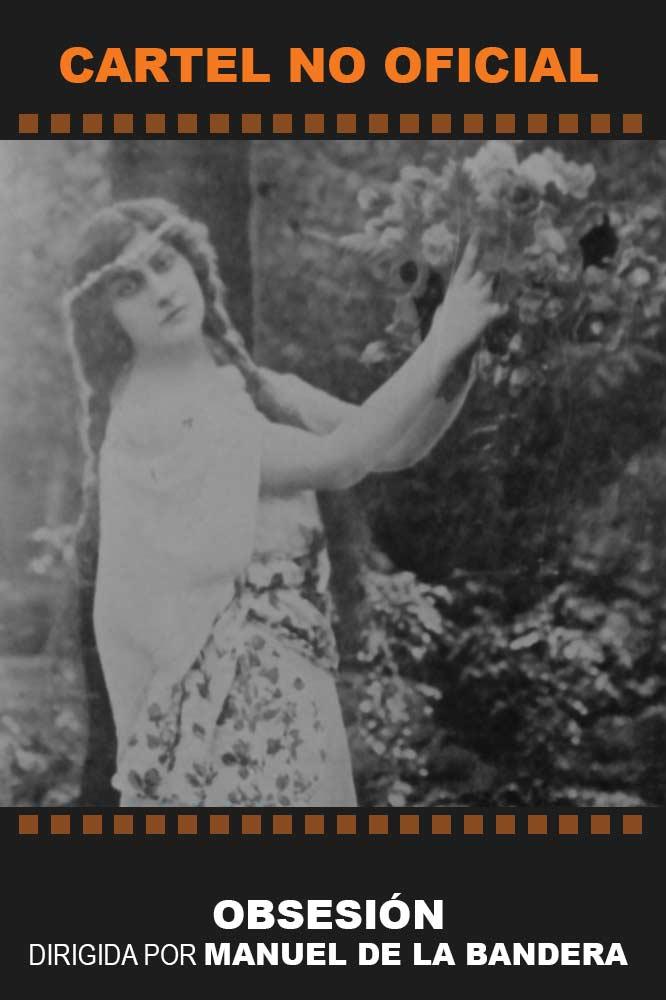
To the casual observer, the history of cinema is a linear progression from technical novelty to sophisticated storytelling. However, for the devotee of the strange, the history of film is a fragmented map of rebellion, oddity, and the early tremors of what we now call cult cinema. Long before the midnight movie circuits of the 1970s or the digital underground of the 21st century, the 1910s served as a primordial soup for the transgressive, the weird, and the socially defiant. This was an era where the rules of the medium were still being written, allowing for a level of experimental deviance that would eventually be sanitized by the studio system. To understand the modern cult obsession, we must look back at the subversive frames of the silent era, where films like Perpetual Motion and The Yellow Passport dared to peer into the shadows of the human experience.
The Genesis of the Cinematic Misfit
Cult cinema is defined by its relationship with its audience—a devotion that transcends mere entertainment. This devotion often stems from a film's refusal to conform to mainstream moral or aesthetic standards. In the 1910s, this refusal was often born of necessity or a raw, unvarnished desire to depict the social fringes. Take, for instance, the 1916 production The Martyrdom of Philip Strong. It presents a protagonist who is told, "Man, you are a living lie." This thematic core—the exposure of hypocrisy within the upper echelons of society—is a hallmark of cult narratives. It challenges the viewer to look beyond the "luxury" of the Calvary Church and see the rot beneath. This tension between the established order and the individual truth is where the cult spirit first found its voice.
Similarly, The Madcap (1919) introduces us to Hermia Challoner, a woman who, despite her wealth, seeks happiness in "danger and excitement." This rejection of domestic tranquility in favor of the unknown is a recurring trope in cult films, mirroring the audience's own desire to escape the mundane. Hermia’s journey into the world of John Markham is more than just a romance; it is a blueprint for the character who risks everything for a taste of the unconventional. These early characters were not just protagonists; they were the first mavericks of the silver screen, setting the stage for the anti-heroes of the decades to come.
Social Transgression and the Forbidden Gaze
The Grit of the Underclass
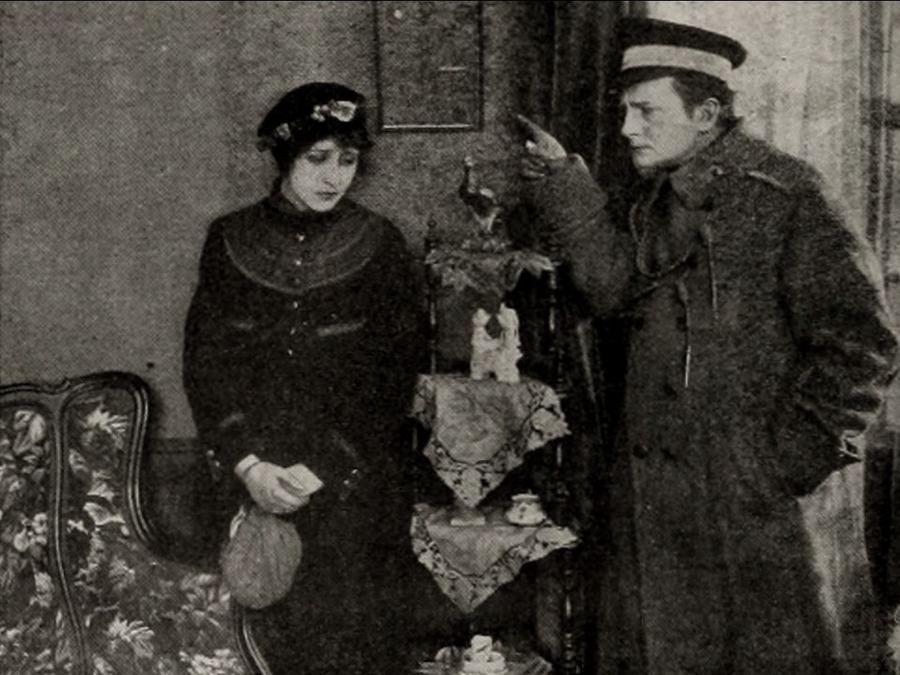
The power of cult cinema often lies in its willingness to tackle subjects that the mainstream deems too controversial or too "low." The 1910s were rife with these "forbidden" glimpses into the lives of the marginalized. In The Yellow Passport (1916), we see a young Russian girl forced into a life of prostitution in Czarist Russia. By revealing "social crimes" to a British journalist, the film moves beyond melodrama and into the realm of political and social activism. It is this raw, documentary-like confrontation with the darker aspects of human existence that creates a lasting bond with the viewer. Cult fans do not look for comfort; they look for truth, however jagged it may be.
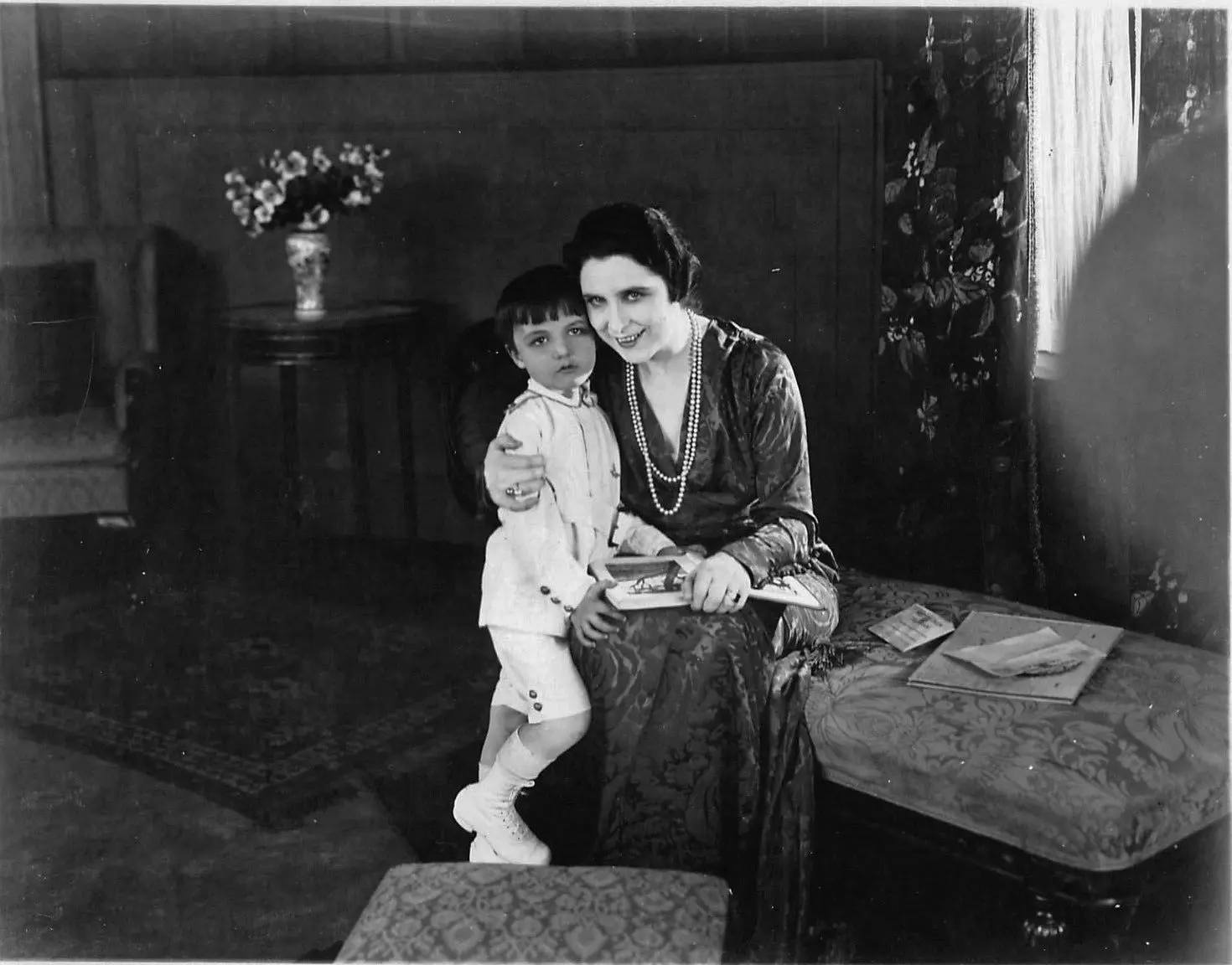
This focus on the squalor of the slums is also evident in A Jewel in Pawn (1917) and The Love That Lives (1917). These films do not shy away from the desperation of poverty. Molly McGill, the scrub-woman in The Love That Lives, labors to save her children from the slums, only to face the ultimate tragedy. These narratives of struggle and "desperate misery"—as seen in Il processo Clémenceau—resonate with the cult ethos because they validate the experiences of the disenfranchised. They are films for the "unseen," about the "unseen."
The Aesthetics of the Weird and the Mechanical
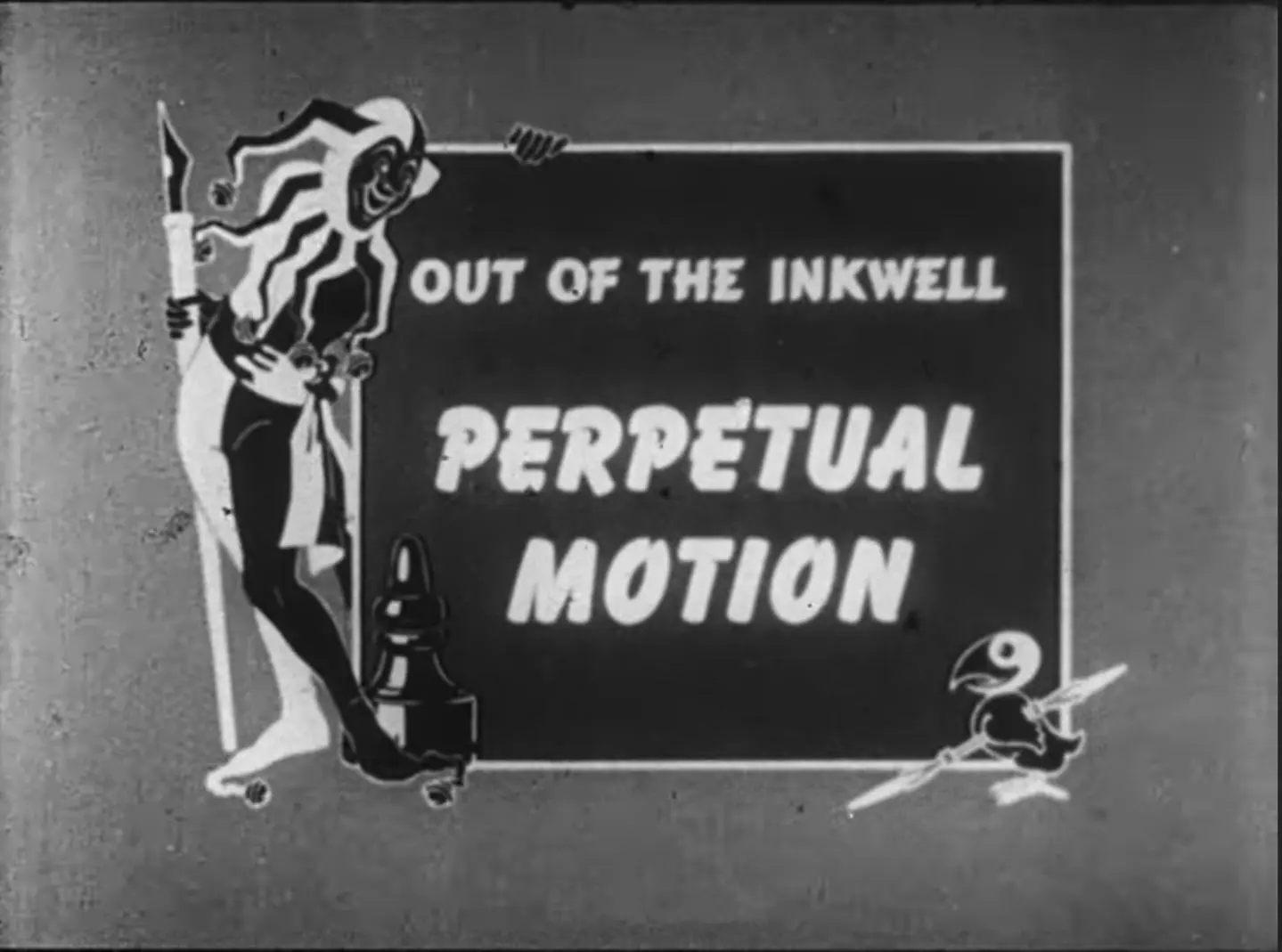
Beyond social commentary, early cult cinema was also a playground for the visually and conceptually bizarre. The 1917 short Perpetual Motion is a perfect example of this. The story of an eccentric inventor and a stolen magnet, featuring an "Inkwell Clown," leans into the surreal and the whimsical. This brand of cinematic alchemy—the blending of animation, comedy, and the mechanical—is the direct ancestor of the avant-garde and surrealist movements that would later define niche cinema. It treats the camera not as a recording device, but as a magician's tool.
The fascination with "the secret" also permeates the era. Whether it is The Secret Formula or the "plans" stolen in The Gods of Fate (1916), the MacGuffin of the early silent era often revolved around forbidden knowledge. Cult cinema thrives on the idea of the "shared secret"—the feeling that only a select few truly understand the importance of what is happening on screen. When John Miller steals the plans in The Gods of Fate, he initiates a chain of events rooted in guilt and redemption that feels modern in its psychological complexity. This focus on the internal world of the "guilty conscience" is a far cry from the black-and-white morality of standard early adventure films.
Satire as a Weapon
Cult cinema is also deeply rooted in satire—the ability to laugh at the very systems that seek to control us. Paz e Amor (1910), a Brazilian political satire, criticized President Nilo Peçanha, proving that film was a potent tool for dissent from its earliest days. This rebellious spirit is what draws fans to cult titles; they offer a way to engage with the world that is both playful and profoundly critical. Even in lighter fare like The High Sign (1917), where David Bruce must impersonate a Balkan prince, we see the early seeds of the "identity play" that would become a staple of cult classics like Borrowed Plumage (1917), where a kitchen maid dons the clothes of an Earl's family.
The Silent Archetype of the Outlaw
The "outsider" is perhaps the most critical component of the cult film DNA. In the 1910s, this was often literalized through characters who lived on the physical or moral edges of society. The Unwelcome Mother (1916) gives us Ellinor, a woman who grew up "wild and nearly silent" on a deserted beach. She is the ultimate outsider, unconditioned by the rules of "civilized" society. This archetype—the pure, unvarnished human—is a recurring figure in cult cinema, representing a return to primal instincts. Her struggle to find a place in the world mirrors the struggle of the cult film itself: to exist on its own terms, regardless of how "unwelcome" it may be to the mainstream.
We see this same spirit in the westerns and adventure films of the time. Wild Women (1918) features Cheyenne Harry and his pals in a rodeo, but the heart of the story is about helping a friend in need. It’s a narrative of brotherhood and fringe survival. Similarly, The Border Wireless (1918) features a hero who is a "fugitive from justice" but fights against German spies. These characters are morally ambiguous; they are heroes, but they are also "outlaws." This ambiguity is what makes them so compelling to a cult audience, which often finds standard moral binaries to be reductive and boring.
The Enduring Legacy: From Nitrate to Midnight
Why do these 1910s relics still matter? Because they contain the genetic code of everything we love about cult cinema today. The "naughty wives" of His Naughty Wife, the "madcaps," the "menaces," and the "unwelcome mothers" all represent a break from the status quo. They are the first ripples of a wave that would eventually give us the transgressive masterpieces of the 70s and 80s. When we watch Are All Men Alike? (1920) and see Theodora Hayden relishing her freedom as an aviatrix, we are seeing the birth of the modern independent woman on screen—a figure that was, at the time, a radical anomaly.
The 1910s were a time of "moral mutations," as seen in The Menace (1918), where a doctor tries to prove that environment, not heredity, determines character. This intellectual curiosity and willingness to experiment with the "soul" of the narrative is what defines the cult film psyche. Whether it is the political satire of Paz e Amor or the historical trauma depicted in El Verdugo, these films were never meant to be just "content." They were meant to be experiences—shocks to the system that forced the viewer to engage with the world in a new way.
In conclusion, the cult cinema we celebrate today—the midnight screenings, the fanatical devotion, the love for the "weird"—did not emerge from a vacuum. It was forged in the nitrate fires of the 1910s. By revisiting these silent rebels and misfit narratives, we don't just learn about the history of film; we learn about the history of the human spirit's refusal to be tamed. The next time you find yourself in a dark theater, waiting for a cult classic to begin, remember that the ghost of the "Inkwell Clown" and the defiant gaze of the "Yellow Passport" are there with you, flickering in the shadows of the subversive frame.
Community
Comments
Log in to comment.
Loading comments…