
Cult Cinema Deep Dive
The Subversive Pulse: Unlocking the Secret Language of Cinema’s Early Renegades
“A deep dive into the transgressive roots of cult cinema, exploring how the silent era’s moral outliers and genre-bending misfits forged the DNA of modern niche fandom.”
To understand the modern obsession with the strange, the fringe, and the transgressive, one must look beyond the neon-soaked midnight movies of the 1970s and delve into the flickering shadows of the early 20th century. Cult cinema is often defined by its deviation from the norm, yet this deviation was not born in a vacuum. It was engineered by the mavericks of the silent era and the early talkies—filmmakers and storytellers who dared to explore the darker, weirder corners of the human experience. These early renegades provided the subversive pulse that still beats within the heart of every niche masterpiece today.
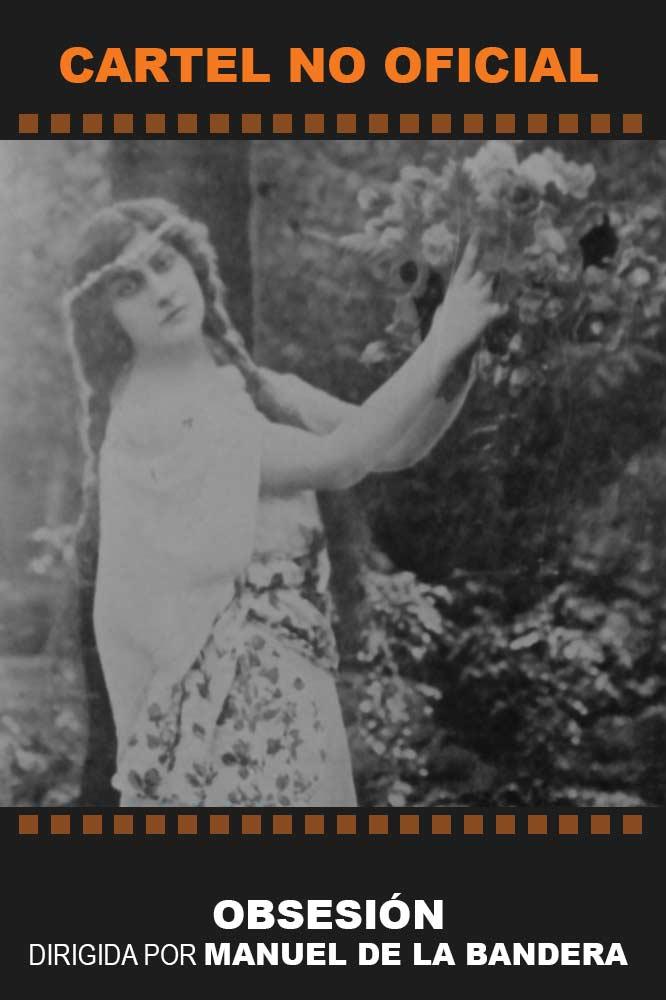
The Architecture of the Outcast
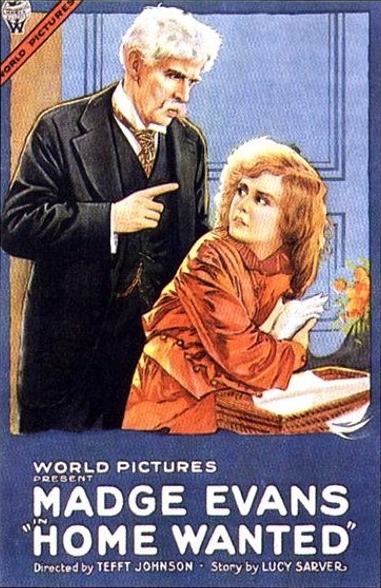
At the core of any cult classic lies the figure of the outcast. Long before we had the anti-heroes of the New Hollywood era, we had characters like Madge Dow in Home Wanted. This 1919 narrative of an orphan imagining a life of warmth and maternal love across the street may seem like a simple melodrama, but it speaks to the fundamental cult theme of longing for a reality that remains perpetually out of reach. This sense of displacement is a hallmark of the genre. Similarly, in Lonesome Corners, we see the clash between the refined and the backwoods, a theme that would later become a staple of survivalist and folk-horror cult films. Henry Warburton’s nine-year wait for an inheritance and his marriage to Nola, a girl devoid of social graces, creates a friction that challenges the viewer’s expectations of romantic resolution.
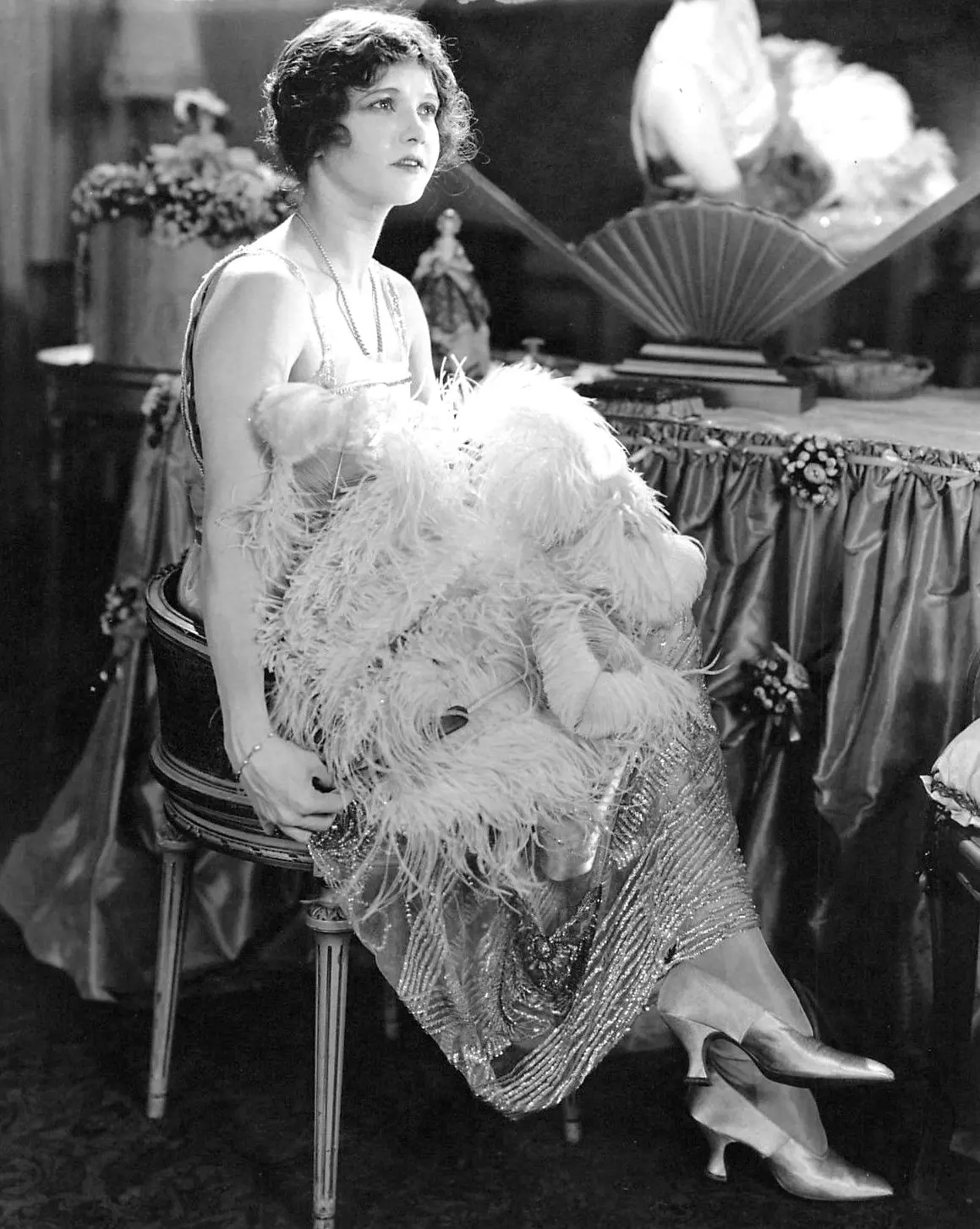
The cult ethos thrives on these narrative anomalies. Consider The Professor, featuring a flea trainer in a flophouse. This surreal, almost Kafkaesque premise is the exact kind of high-concept absurdity that modern audiences crave. It transforms the mundane struggle for survival into a performance of the bizarre, proving that the 'weird' has always had a home on the silver screen. These films didn't just entertain; they reflected the fractured identity of a world undergoing rapid industrial and social change.
Moral Ambiguity and the Transgressive Hero
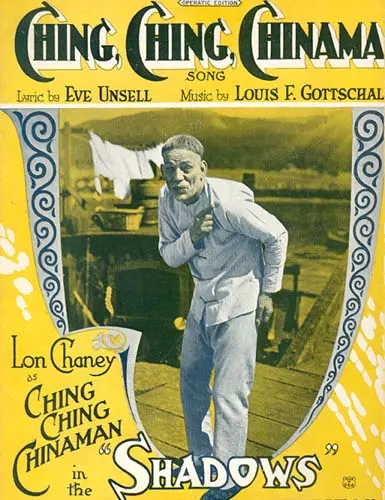
One cannot discuss cult cinema without addressing the subversion of morality. The early pioneers were masters of the 'moral gray area.' In The Stealers, we are presented with a protagonist who is both a preacher of the gospel and a leader of a band of pickpockets. This duality—the sacred and the profane—is a cornerstone of transgressive art. The Reverend Robert Martin uses the injustice of his past to justify a life of crime, creating a character that forces the audience to reconcile their sympathy with their ethics. This is the same impulse that drives our fascination with the anti-heroes of contemporary cult classics.
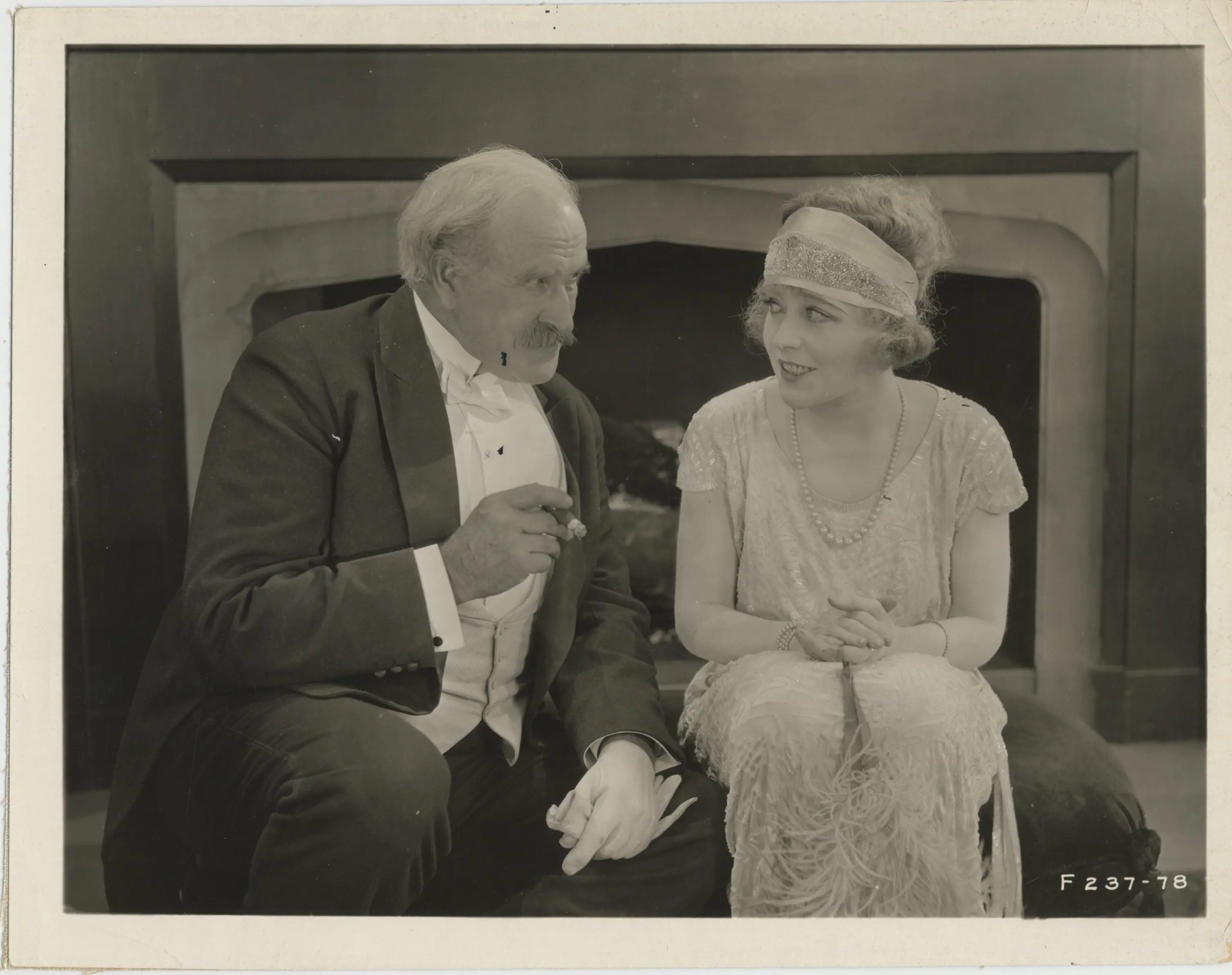
The exploration of social taboos was equally fearless. Es werde Licht! 4. Teil: Sündige Mütter tackled the then-unspeakable topics of unwanted pregnancies and abortion. By bringing these issues into the light, filmmakers were not just educating; they were challenging the censorship and social mores of their time. This spirit of rebellion is echoed in Should a Husband Forgive?, a film that deconstructs the fallout of an affair and the resulting social ostracization. These works were the 'forbidden' reels of their day, attracting audiences who felt stifled by the sanitized narratives of the mainstream.
Genre Bending: The First Genetic Mutations
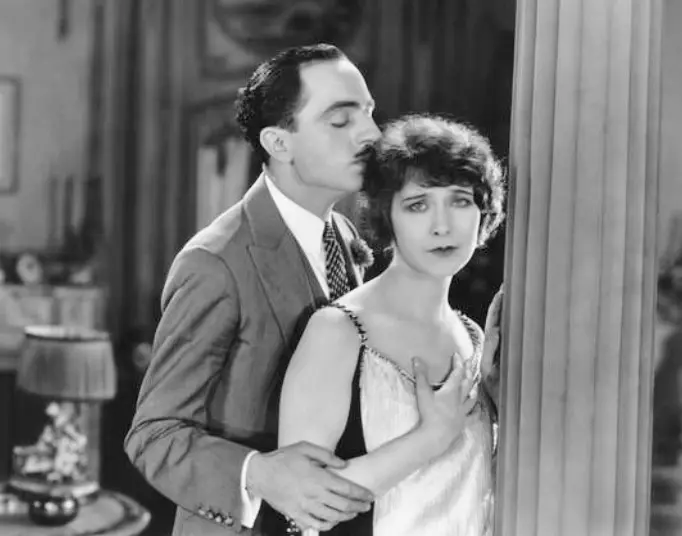
Cult cinema is famously difficult to categorize, often blending multiple genres into a singular, unclassifiable experience. This genetic mutation of storytelling can be traced back to films like His Majesty, the American. Is it a Mexican bandit adventure? A European revolutionary drama? A royal succession comedy? It is all of these and none, shifting its tone with a reckless abandon that modern viewers would recognize as 'pure cult.' Similarly, The Lure of Heart's Desire takes a socialite’s rejection and transforms it into a gritty prospecting drama set in the Yukon. These films refused to stay in their lanes, paving the way for the genre-fluid masterpieces that dominate the fringe today.
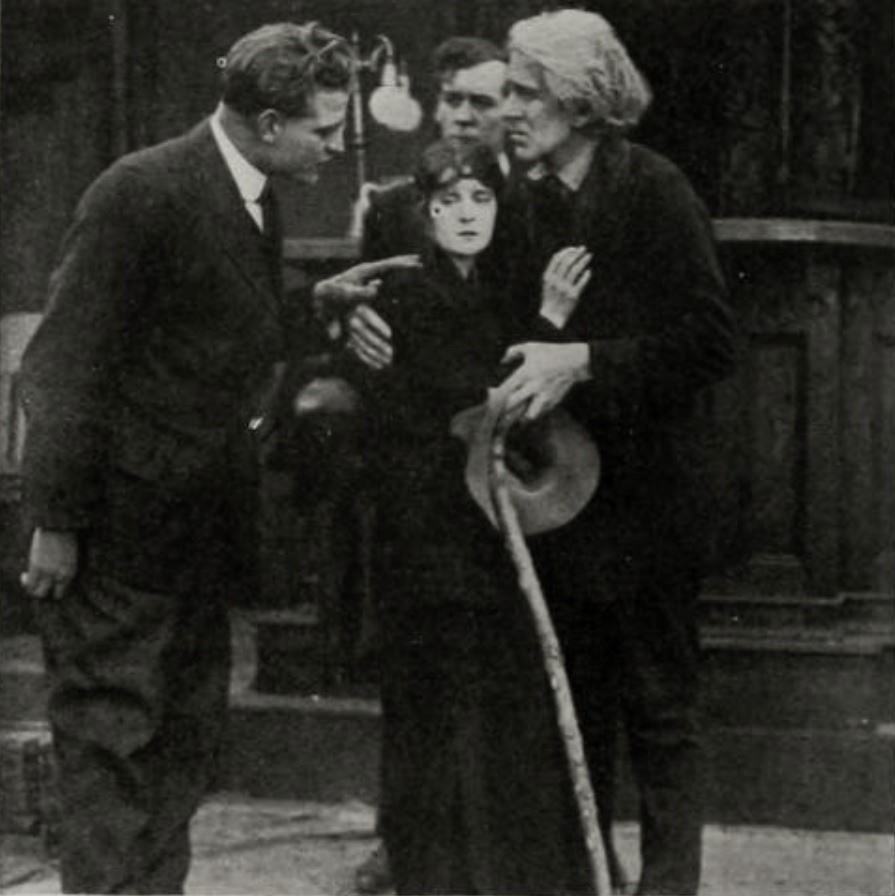
The concept of the 'phantom' or the 'hidden' is another recurring motif. In A Phantom Fugitive, the hero’s quest to clean up a nest of bandits is framed through a lens of high-stakes tension and secret identities. This aligns with the mystery found in The Man with the Twisted Lip, where a respectable middle-class man is linked to an opium den beggar. The duality of the human soul—the secret life lived behind the curtain of respectability—is a well that cult cinema returns to time and again. It is the cinematic equivalent of the dark web, revealing the hidden truths that society prefers to ignore.
The Political Pulse: Agitation and Revelation
Cult cinema has always been a tool for political and social agitation. Dziga Vertov’s Agit-Train of the Central Committee is a prime example of how the medium was used to spread revolutionary ideas. While documentary in nature, its status as a piece of radical propaganda gives it a cult-like intensity. It represents a cinema of urgency, one that seeks to change the world rather than simply reflect it. This same urgency is found in How Kitchener Was Betrayed, a war-era drama that explores the themes of espionage and national betrayal through a deeply personal lens.
Even in the realm of comedy, the political pulse remains. Dry and Thirsty uses the backdrop of Prohibition to tell a story of a man’s desperate quest for a drink, turning a restrictive law into a source of slapstick subversion. Horace Radish’s schemes to find alcohol at the Bootlegger's Haven Hotel are not just funny; they are a satirical jab at the futility of moral legislation. This type of social commentary, wrapped in the guise of 'low' entertainment, is a classic cult tactic.
The Aesthetics of the Strange
Visually, these early films experimented with techniques that would define the cult aesthetic for decades. The use of shadow and atmosphere in The Midnight Wedding creates a sense of gothic dread and royal intrigue that feels both timeless and otherworldly. The 'nature girl' trope in Wisp o' the Woods, involving a gypsy who is secretly a half-brother, introduces a layer of folk-horror and melodrama that is visually and narratively unsettling. These films utilized the limitations of the era—the grain of the film, the high contrast of black and white, the silence itself—to create a dreamlike, often nightmarish, quality.
Consider the bizarre motivation in A Taste of Life, where a woman’s insatiable desire for expensive cherries drives her to work as a stenographer for her own husband. This specific, almost fetishistic obsession is the kind of narrative detail that sticks in the mind of the cult viewer. It is the 'oddity' that elevates a standard drama into something memorable and strange. Likewise, the flea-circus world of The Professor or the flea-training antics in a flophouse provide a visual landscape that is both gritty and fantastical.
The Legacy of the Maverick Soul
Why do we still watch these films? Why does the story of a man shipwrecked in The Adventures of Robinson Crusoe or the struggles of a flea trainer still resonate? It is because they represent the unfiltered expression of the human condition. They were made by individuals who were not afraid to fail, who were not afraid to be weird, and who were not afraid to challenge the status quo. The early 20th century was a laboratory for cinematic experimentation, and the films produced during this time are the ancestors of every cult classic we cherish today.
From the streets of Naples in Luciella to the frozen wilds of Escaped from Siberia, these films took audiences to places they had never been and showed them things they were never supposed to see. They explored the 'prostitution, poetry, and passion' of life on the edge. They showed us that even in the most desperate circumstances, there is a kind of beauty to be found in the struggle. This is the enduring legacy of cult cinema: a celebration of the misfit, the rebel, and the dreamer.
As we continue to navigate the vast landscape of modern media, it is essential to remember the pioneers like the creators of The Golden Gallows or The Wolf Man. They understood that the most powerful stories are often the ones that exist on the periphery. By embracing the subversive pulse of these early renegades, we can better appreciate the complex, multi-layered tapestry of cinema’s most enduring outliers. The cult is not just a genre; it is a way of seeing the world—a commitment to finding the extraordinary within the overlooked.
Conclusion: The Eternal Midnight
In the end, the history of cult cinema is a history of resistance. It is the story of films that refused to be forgotten, of characters that refused to conform, and of audiences that refused to look away. Whether it is the frantic energy of Torchy's Hold-Up or the quiet desperation of Home Wanted, these works continue to inspire and provoke. They remind us that the silver screen is a place of infinite possibility, where the only limit is the reach of our imagination. The subversive pulse of the early renegades is still beating, loud and clear, in every frame of film that dares to be different. It is an eternal midnight, and we are all invited to join the congregation.
Community
Comments
Log in to comment.
Loading comments…