
Cult Cinema Deep Dive
The Subversive Specter: Unearthing the Primal Magnetism and Narrative Anarchy of Cinema’s Earliest Genre Mutants
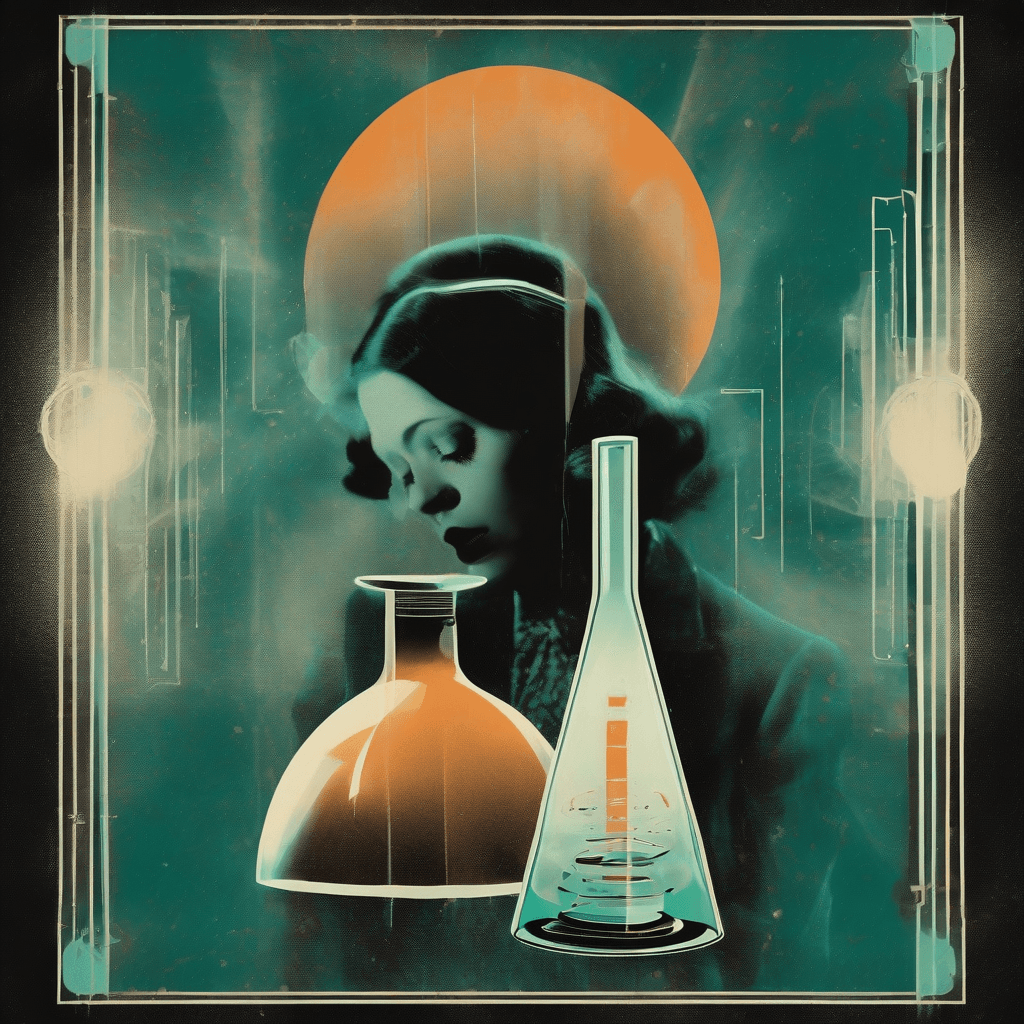
“An exploration into the early 20th-century origins of cult cinema, examining how silent-era genre defiance and narrative anarchy laid the foundation for modern midnight movie devotion.”
When we think of cult cinema, our minds often drift to the neon-soaked midnight screenings of the 1970s or the transgressive VHS underground of the 1980s. However, the genetic blueprint for what we define as the "cult" experience—that intoxicating blend of the bizarre, the forbidden, and the narratively unruly—was forged much earlier, in the flickering shadows of the 1910s and 1920s. Long before the term was popularized, films like The Crimson Stain Mystery and A Victim of the Mormons were already pushing the boundaries of taste, logic, and genre, creating a primordial soup from which the modern cult devotee would eventually emerge.
The Chemical Genesis: Body Horror and Biological Anarchy
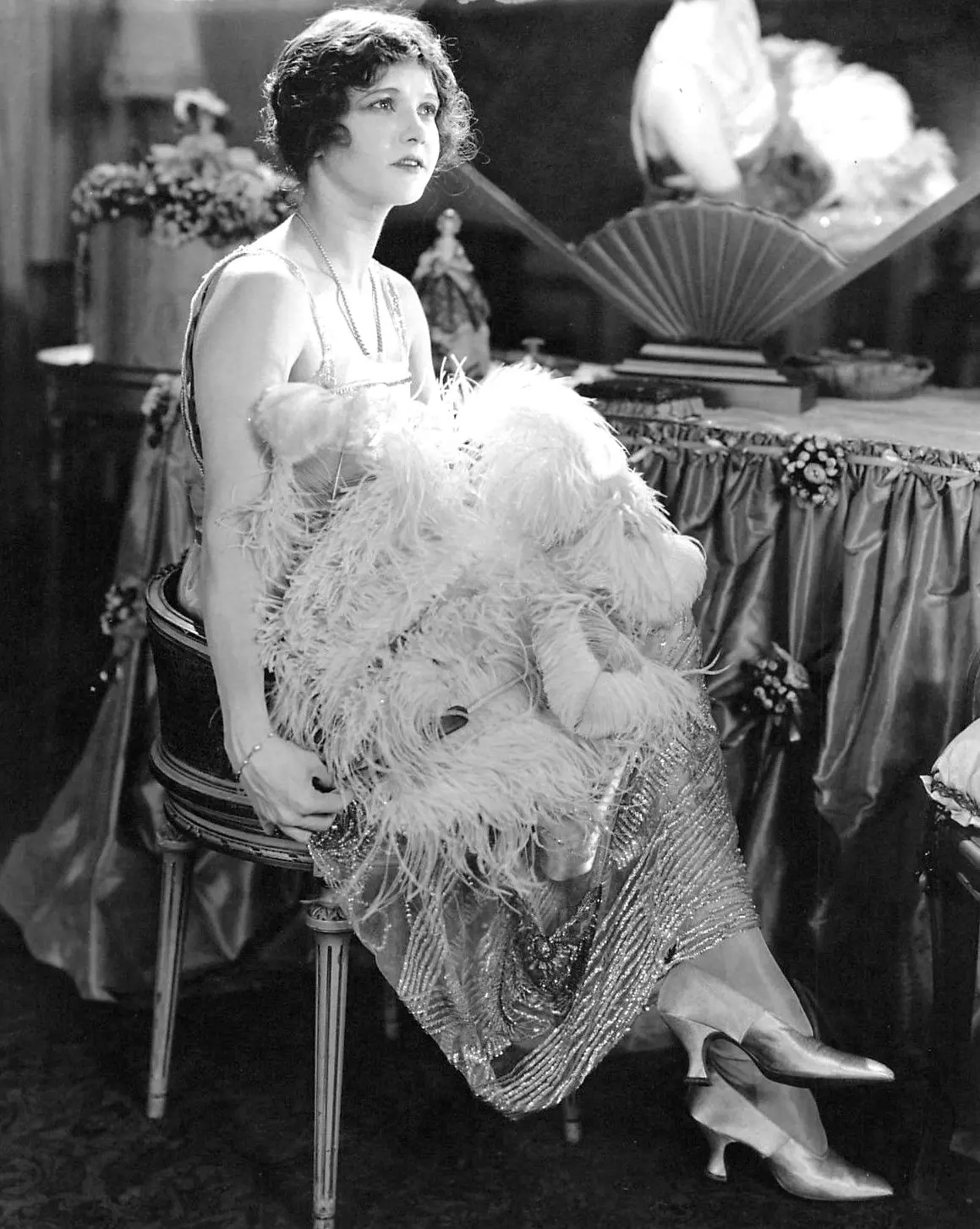
The roots of body horror and the "mad scientist" trope, central pillars of the cult canon, find a terrifying ancestor in the 1916 serial The Crimson Stain Mystery. In this narrative, Dr. Montrose’s attempt to engineer a chemical for super-intelligence goes horribly awry, resulting in a band of "hideous monsters" who prey upon humanity. This theme of biological transgression—of humanity being warped by its own hubris—is a recurring motif in cult cinema. It reflects a deep-seated anxiety about the rapid technological and scientific shifts of the early 20th century. This film wasn't just a mystery; it was a genre mutant, blending the investigative tropes of early crime fiction with a grotesque, proto-horror sensibility that would later inspire everything from Cronenberg to the B-movies of the 1950s.
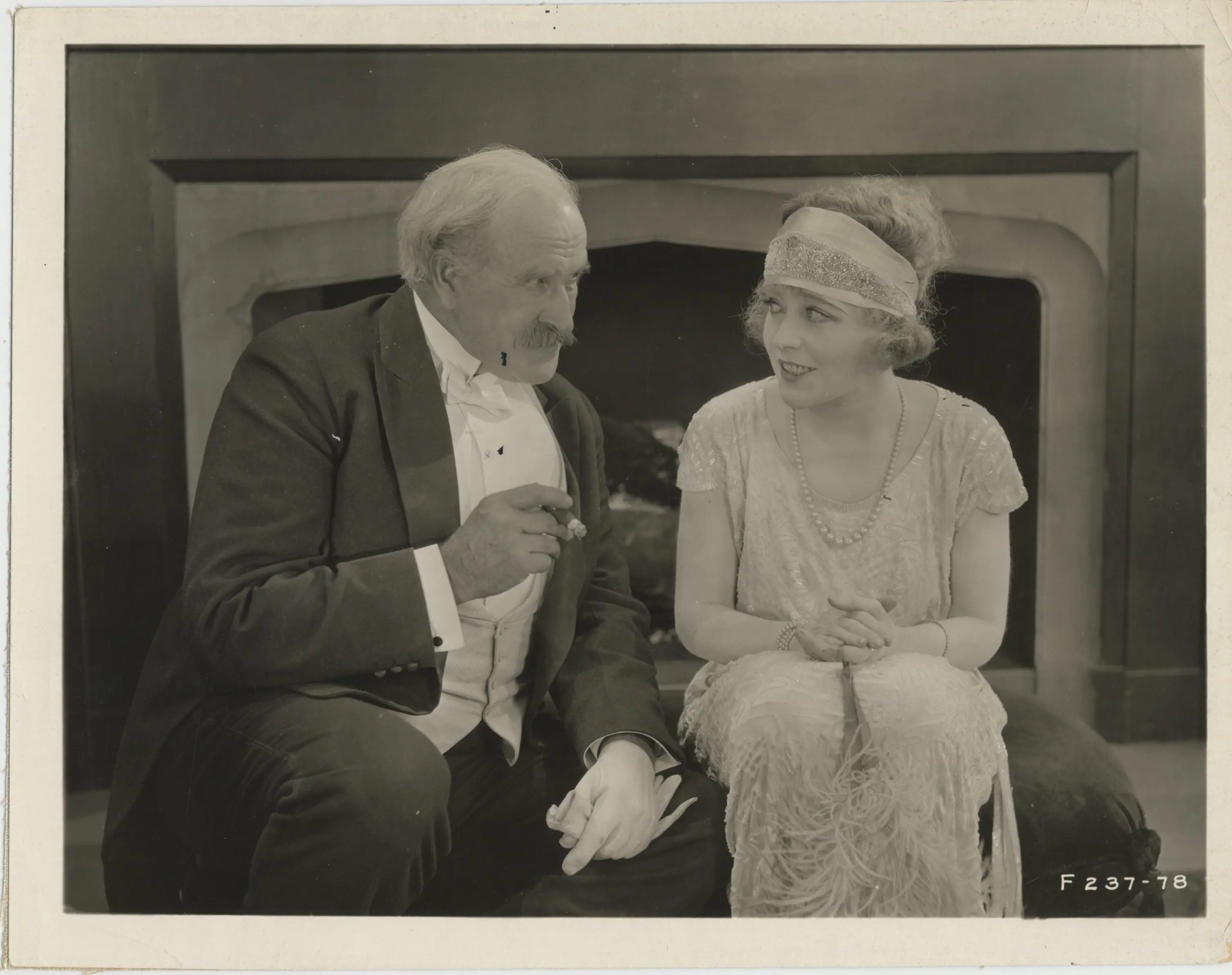
Similarly, the concept of the "unseen" or the "warped perception" plays a vital role in the cult aesthetic. Take Eyes of the Heart (1920), where a blind girl is kept in a curated reality by three crooks. This subversion of the domestic space and the manipulation of truth creates a psychological tension that transcends standard drama. It asks the audience to participate in a lie, a hallmark of the immersive, often uncomfortable experience that cult films provide. The restoration of her sight isn't just a plot point; it is a metaphor for the cinematic experience itself—the moment the veil is lifted and the raw, often ugly reality of the world is revealed.
The Surrealist Spark: Animation and Absurdist Rebellion
Cult cinema has always had a home in the absurd. The early 1920s offered a playground for this through pioneering animation and short-form comedy. Consider Felix in the Bone Age (1926). Felix the Cat’s encounter with a caveman and the subsequent chase involving the tails of prehistoric beasts is more than mere slapstick. It represents a narrative anarchy where the laws of physics and history are discarded in favor of visual wit and surrealist logic. This same spirit is found in The Great Cheese Robbery (1920), where Krazy Kat’s existential encounter with "guilt" elevates a simple cartoon into the realm of the avant-garde.
These shorts were the ancestors of the midnight movie's animated interludes. They provided a space where the logic of the waking world could be suspended. In the case of Mixed Nuts (1922), the literal re-cutting and Frankenstein-like assembly of different films into a new, chaotic whole mirrors the way cult audiences often "remix" and reinterpret films to suit their own subcultural needs. This alchemical process—transforming existing footage into something new and strange—is at the very heart of the cult movie ethos.
Transgressive Realities: Exploitation and Social Taboos
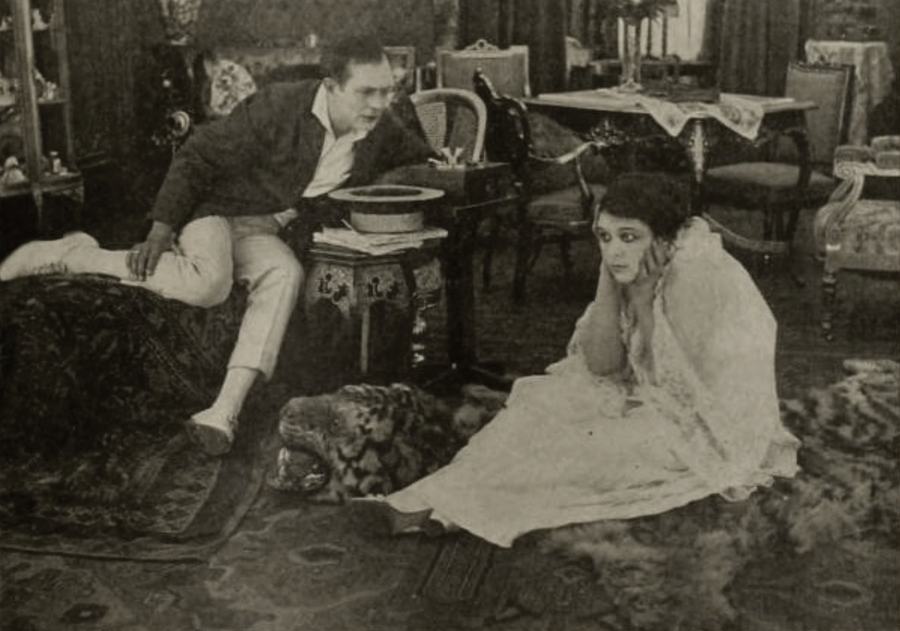
If cult cinema is defined by its willingness to go where the mainstream fears to tread, then the early 20th century was rife with proto-cult exploitation. A Victim of the Mormons (1911) utilized sensationalism and the "othering" of religious groups to create a cinematic spectacle of seduction and kidnapping. While problematic by modern standards, its success highlighted an appetite for the taboo—a desire to see the "forbidden" on screen. This trend continued with Civilization's Child (1916), which depicted the harrowing massacre of Jewish citizens in Kiev and the subsequent struggle of a survivor in New York. These films didn't just entertain; they provoked, utilizing shock and trauma to forge a deeper, albeit more abrasive, connection with the viewer.
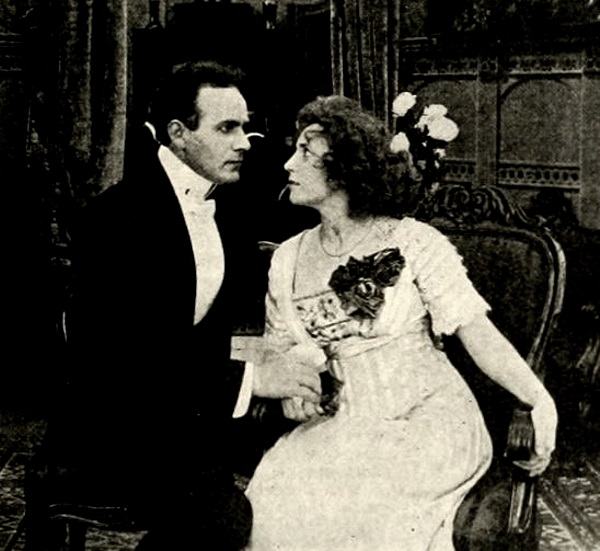
The cult of the "outcast" is further explored in The Mohican's Daughter and A Yoke of Gold. Here, characters operating on the fringes of society—half-breeds, outlaws, and those defying tribal or social law—become the protagonists. Cult cinema has always been a sanctuary for the disenfranchised, and these early narratives provided the foundational archetypes of the cinematic rebel. Whether it’s the struggle for medicine in defiance of a chief or the gathering of gold against the aristocracy, these stories celebrate the individual’s triumph over a restrictive, often corrupt, collective.
The Global Underground: International Anomalies
The cult phenomenon is not a monolith; it is a global tapestry of regional weirdness. Argentina’s Amalia (1914), the country’s first feature film, brought a distinct literary and political intensity to the screen that differed from the burgeoning Hollywood machine. Meanwhile, in Denmark, Vor fælles Ven (1921) offered a dark, Dickensian vision that embraced the shadows of the human condition. Even the newsreel was not immune to the cult impulse. Dziga Vertov’s Kino-pravda no. 2 (1922) sought to document "truth" through a radical, fragmented lens, effectively creating a documentary cultus that prioritized the rhythm of life over the conventions of linear storytelling.
These international works proved that the "misfit" film could emerge from any culture. Whether it was the pastoral charm and hidden depths of Timothy's Quest or the dualistic action of The Corsican Brothers (where Siamese twins remain emotionally united despite physical separation), early cinema was constantly experimenting with the boundaries of identity and connection. This exploration of the "double" or the "divided self" is a recurring theme in cult classics, from Fight Club to Dead Ringers.
The Enduring Allure of the Unconventional
Why do we remain obsessed with these relics? Why does a film like The Hole in the Wall (1921), with its larcenous assistants and fake mediums, still hold a certain primal magnetism? The answer lies in the authenticity of the anomaly. Cult cinema is rarely about perfection; it is about the power of the singular vision, the accidental masterpiece, and the glorious failure. Reaching for the Moon (1917) captures this perfectly—a factory worker dreaming of being a king, only to discover he truly is the heir to a throne. It is the ultimate cult fantasy: the realization that the world is more strange, more magical, and more malleable than we were led to believe.
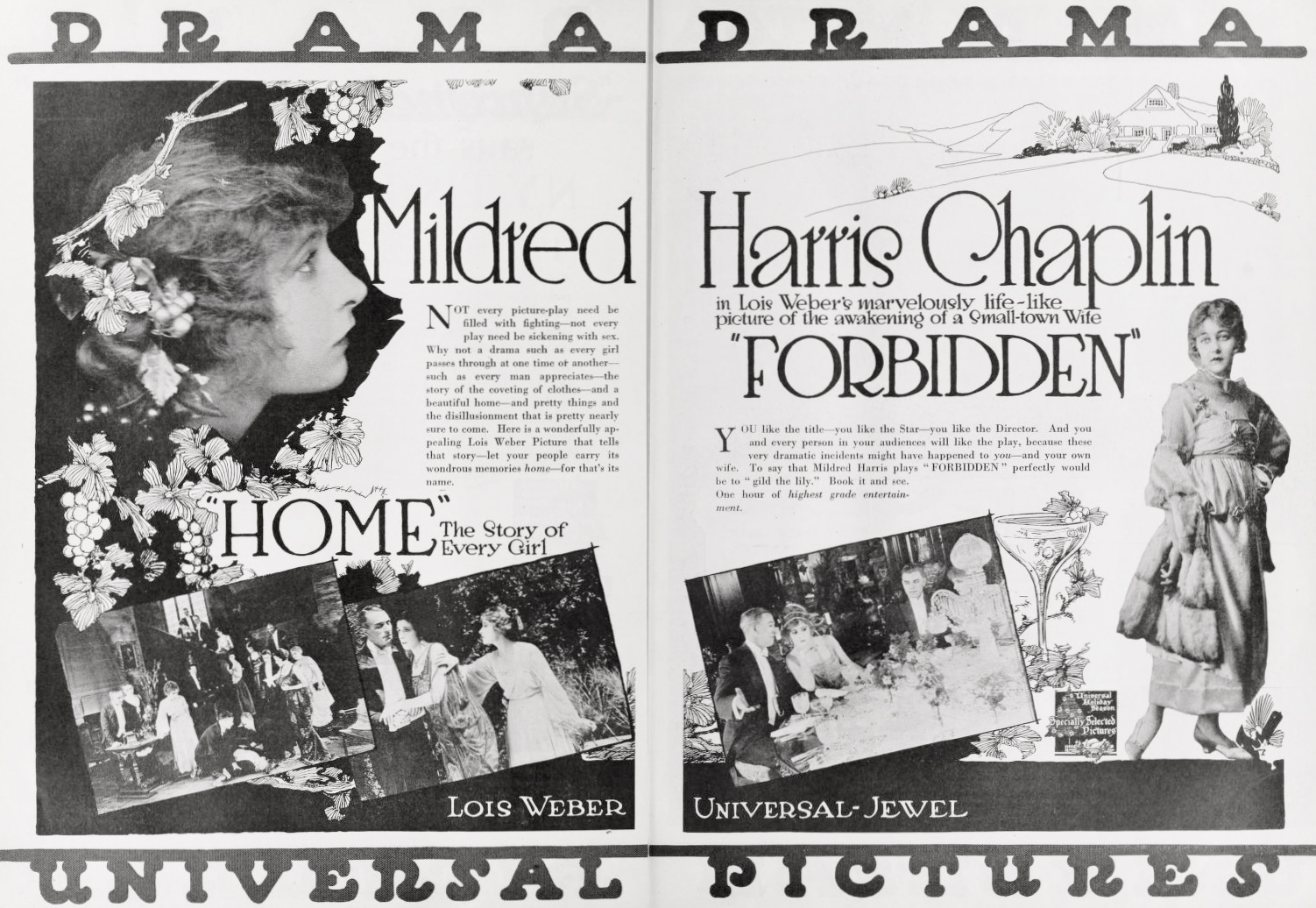
In the silent era, without the crutch of dialogue, filmmakers had to rely on visual subversion and rhythmic editing to convey their radical ideas. Films like Tillie Wakes Up (1917) or Go West, Young Woman utilized the physical presence of their leads to challenge social norms and gender expectations. They were the original "unruly women" of cinema, paving the way for the transgressive heroines of the modern era. Even the "nonsense" of Nonsense (1920) or the slapstick chaos of Spot Cash served as a reminder that cinema’s primary function is often to disrupt the status quo.
The Legacy of the Forgotten Fringe
As we look back at the first century of film, we must recognize that the cult movie soul was not a later addition, but a foundational element. The "forgotten" reels of the 1910s and 20s—the compilation of rail-fanning in California Scrap Book, the Red Cross views of The Historic Fourth of July in Paris, and the rodeo footage of The Pendleton, Oregon, Round-Up—all contribute to a larger archive of the human experience that exists outside the polished narrative of the studio system. They are the artifacts of a niche obsession, the first sparks of a fire that would eventually become the midnight movie phenomenon.
The cult film is a living organism, constantly evolving and absorbing new influences. But its heartbeat remains the same: a rebel heartbeat that first began to thrum in the era of the silent renegade. By studying these early genre mutants, we gain a deeper understanding of our own devotion to the strange and the subversive. We see that the "cult" is not just a category of film, but a way of seeing the world—a lens that finds beauty in the broken, truth in the absurd, and magic in the margins of the frame. From the chemical monsters of Dr. Montrose to the existential guilt of Krazy Kat, the ancestors of cult cinema continue to haunt our screens, reminding us that the most enduring visions are often the ones that were never meant to fit in.
Ultimately, the Subversive Specter of early cinema is a testament to the enduring power of the outlier. In a world of mass-produced entertainment, the cult film remains a handcrafted anomaly, a celluloid covenant between the filmmaker and the disenfranchised viewer. As long as there are those who seek the unconventional, the ghosts of the silent era will continue to flicker in the dark, guiding us toward the next great cinematic transgression.
Community
Comments
Log in to comment.
Loading comments…