
Cult Cinema
The Celluloid Séance: Invoking the Ghostly Rebels and Maverick Visions of Cinema’s First Cult Wave
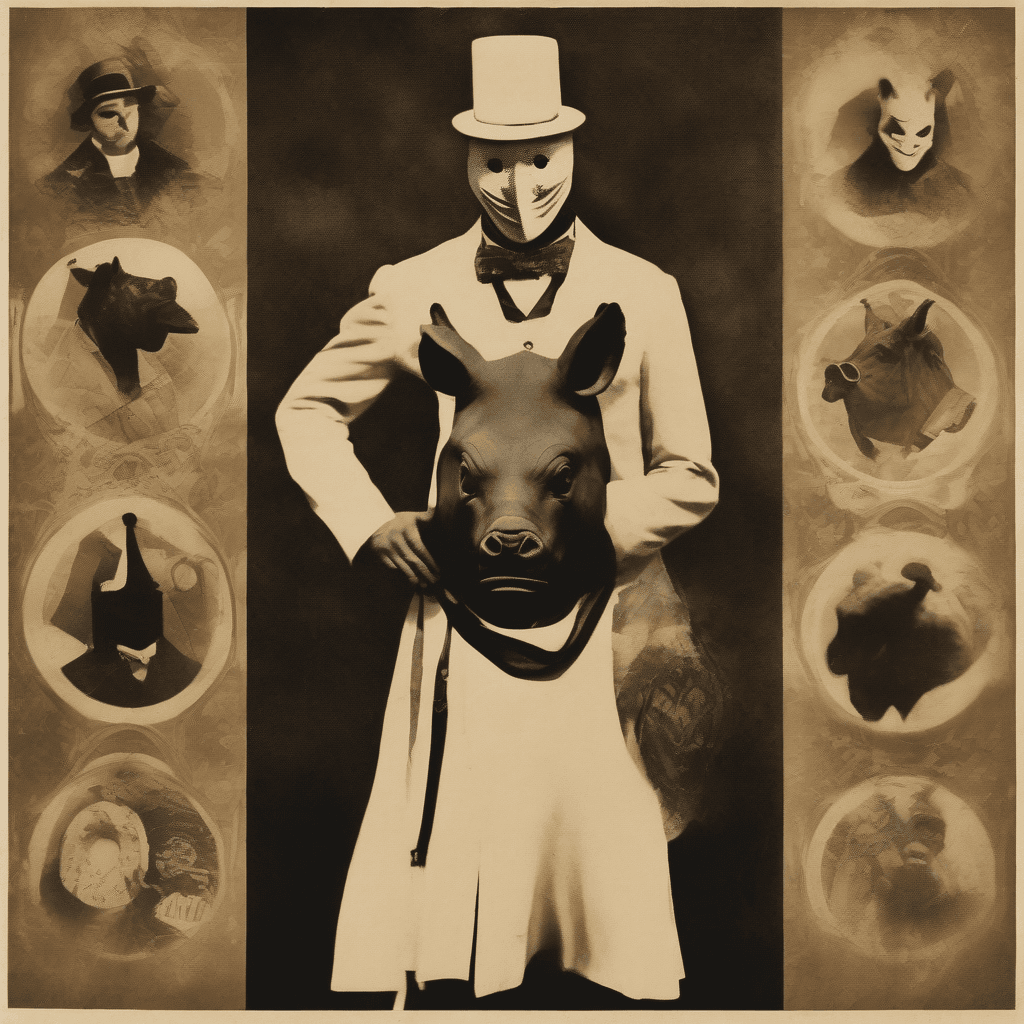
“Journey into the shadows of the silent era to discover how early cinematic anomalies and transgressive narratives laid the foundation for modern cult movie devotion.”
The term "cult cinema" often conjures images of 1970s midnight screenings, glitter-strewn theaters, and the rebellious energy of the counterculture. Yet, the DNA of the cult obsession was encoded into the celluloid long before the advent of the neon era. To understand the true lineage of the maverick film, we must perform a celluloid séance, summoning the spirits of the early 20th century—a time when cinema was a lawless frontier of experimentation, social transgression, and narrative anarchy. These early works, ranging from hallucinatory comedies to scathing social critiques, provided the blueprint for every "midnight movie" that followed.
The Hallucinatory Fringe: Surrealism Before the Manifesto
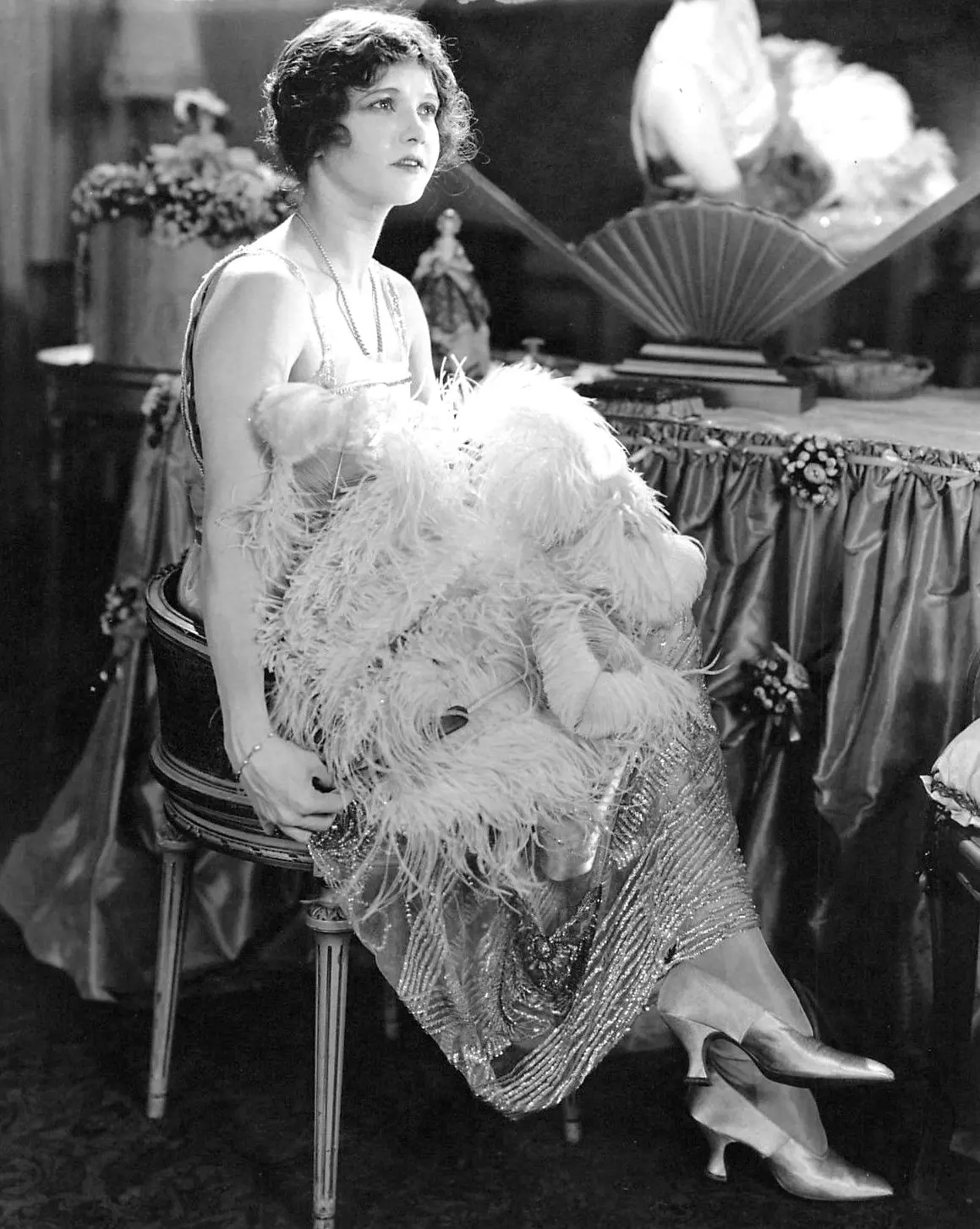
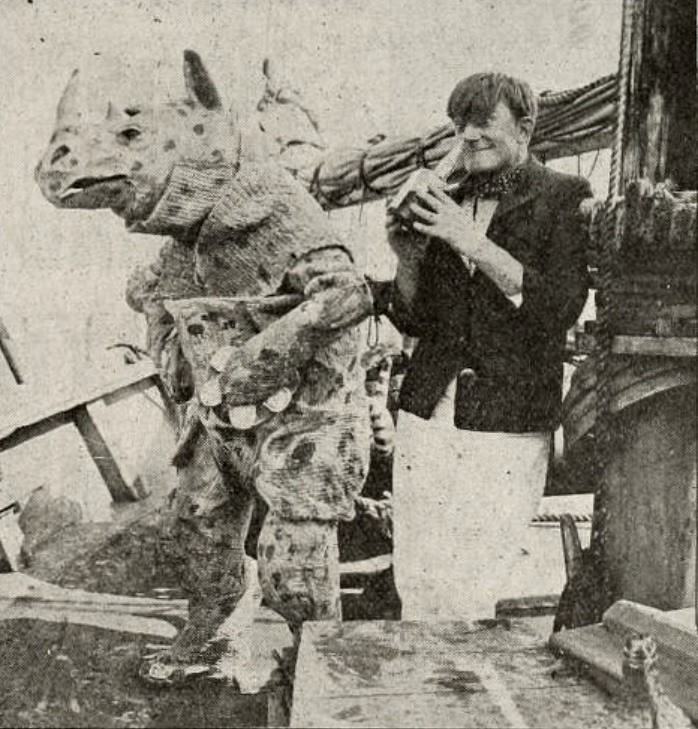
Long before Salvador Dalí sliced an eye on screen, early filmmakers were already flirting with the surreal and the absurd. Consider the sheer audacity of The Ringtailed Rhinoceros (1920). While the mainstream of the time was beginning to favor rigid narrative structures, this film delved into the psyche of John Carter, a man whose struggles with "highballs and cocktails" lead him into a world of delirium. This exploration of an altered state of consciousness is a primal ancestor to the psychedelic cinema of the 1960s. It treated the screen not as a mirror of reality, but as a canvas for the subconscious.
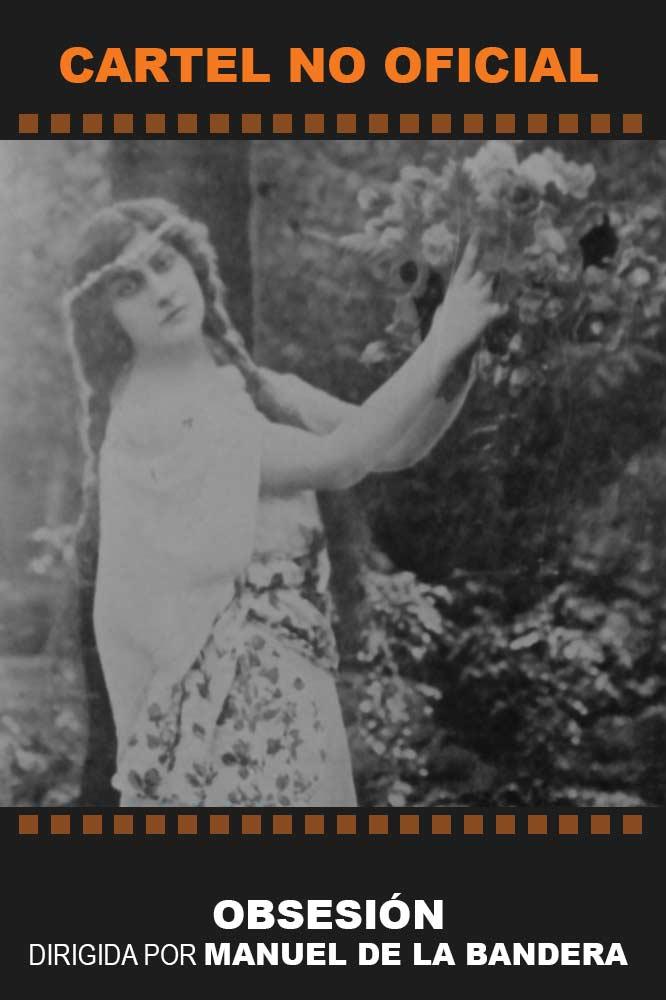
Similarly, the satirical impulse found a home in the fringes of the industry. Mud and Sand (1922) stands as a testament to the early power of parody. By skewering the hyper-masculine tropes of the era through the lens of a bullfighting contest, it anticipated the meta-commentary that defines much of modern cult fandom. When Rhubarb, the protagonist, finds himself torn between the arena's glory and the allure of Filet de Sole, the film creates a campy, heightened reality that rewards the repeat viewer—the very hallmark of a cult classic.
The Grotesque and the Indulgent
Cult cinema has always had a fascination with the grotesque, and the silent era was no exception. Edgar's Feast Day (1917) presents a comedic but visceral obsession with consumption. The image of Edgar and his friends munching on sour pickles, ice cream, and gum drops in a chaotic sequence of indulgence mirrors the "body horror" and sensory overload found in later transgressive works. It is a reminder that the cult of the strange has always been rooted in the physical and the primal.
Social Heretics: Challenging the Moral Compass
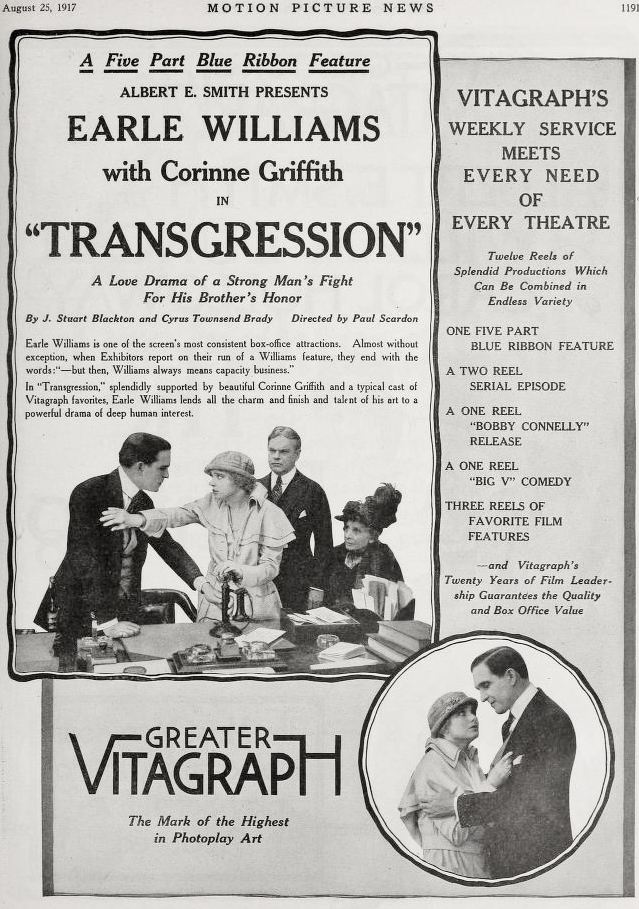
The most enduring cult films are often those that were "too hot" for the mainstream at the time of their release. In the mid-1910s, directors like Lois Weber were using the medium to tackle subjects that the polite society of the time preferred to keep in the shadows. Where Are My Children? (1916) is a landmark of social provocation. By centering a narrative on the then-taboo subject of abortion and birth control, it invited controversy that fueled its legacy. This is the essence of the cult film: a work that exists in a state of perpetual friction with the status quo.
The medical and moral anxieties of the era were further explored in The Spreading Evil (1918), which tackled the search for a cure for syphilis. Such films were not merely entertainment; they were cinematic interventions. They operated in the space between education and exploitation, a liminal zone where many cult favorites reside. By confronting the "unmentionable," these films attracted a dedicated, often clandestine audience, laying the groundwork for the niche communities that would later define the underground film circuit.

The Anarchist’s Mask
Subversion also took more literal forms. The Barker (1917) took audiences into the heart of an anarchist meeting, complete with black robes and masks. This visual language of secret societies and radical politics is a recurring motif in cult cinema, from the masked balls of the avant-garde to the suburban occultism of modern thrillers. The film’s tension between the intellectual professor and the violent revolutionary reflects a deep-seated distrust of authority that remains a core tenet of the maverick filmmaker’s philosophy.
Identity and the Double: The Shadow Self
The trope of the "double" or the "doppelgänger" is a fertile ground for cult obsession, allowing for explorations of class, gender, and morality. Rich Girl, Poor Girl (1917) utilized the uncanny resemblance between two women from opposite ends of the social spectrum to critique the rigidity of the American class system. This narrative device—the switching of places—allows the audience to inhabit a world of fluid identity, a theme that resonates deeply with those who feel like outsiders in their own lives.
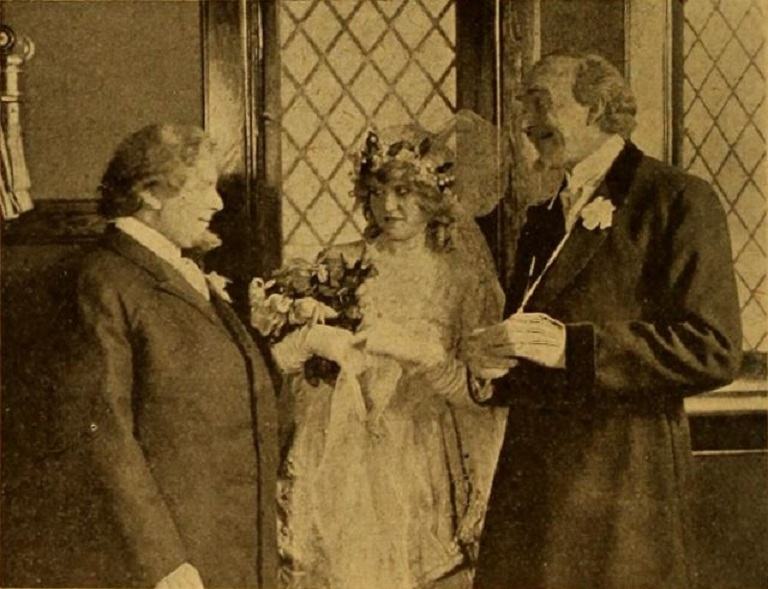
This fascination with the darker side of identity is mirrored in Ashes of Embers (1916), where a selfish girl’s crime leads to her twin sister’s imprisonment. The melodrama here is dialed up to an operatic level, creating a world of heightened stakes and moral ambiguity. Cult audiences are often drawn to these "fever pitch" narratives, where the emotions are as stark as the black-and-white cinematography. The "good-bad" dichotomy is further blurred in The Good-Bad Wife (1920), where a Parisian dancer’s influence challenges the conventional morality of a young Virginian, suggesting that the most interesting characters are those who refuse to fit into neat boxes.
The Mask of Pierrot
Even the archetypal figures of the stage were transformed by the early lens. Pierrot (1917) and La belle dame sans merci (1920) evoke the tragic, the theatrical, and the stylized. These films didn't aim for realism; they aimed for a specific aesthetic mood. The hardened actress in La belle dame sans merci, who becomes a deliberate heartbreaker, is a proto-femme fatale, a character type that would become a cornerstone of the noir and cult traditions. These are films that worship the image over the incident, favoring atmosphere and archetype over linear logic.
Spectacle and the Strange: The Roots of Exploitation
Before the "mondo" films and the creature features of the 1950s, there was the raw spectacle of the wild. Lion Trapping (1917) and African Lions and American Beauties (1917) capitalized on the public's thirst for the exotic and the dangerous. These films combined documentary-style footage with absurdist comedy, creating a jarring, often surreal viewing experience. In African Lions and American Beauties, the presence of a "specialist in everything" running through the streets with a huge sign is a piece of pure Dadaist humor that would feel at home in a midnight movie marathon today.
The allure of the "frontier" also provided a backdrop for early cinematic rebellion. The Brute Breaker (1919) and Winning a Bride (1919) showcased a rugged, often violent masculinity that stood in contrast to the increasingly civilized world of the early 20th century. Louis Graintaire’s journey through impassable rapids in The Brute Breaker is more than just an action sequence; it is a display of raw, unbridled power that appeals to the primal instincts of the audience. This celebration of the "outlaw" spirit is what connects the early westerns and logging camp dramas to the biker films and vigilante stories of the cult canon.
The Gothic and the Gritty
The darker corners of the city and the countryside offered their own brand of cult appeal. The Trap (1919) depicts the devastating power of gossip in a New England village, driving its protagonist into the urban labyrinth of New York. The contrast between the stifling tradition of the village and the dangerous freedom of the city is a classic cult theme. Meanwhile, The Fifth Wheel (1918) brings the audience face-to-face with the freezing reality of poverty in Madison Square, using the medium to shine a light on the "discarded" members of society. This grit and social realism provided a necessary counterpoint to the escapism of the major studios, offering a voice to the disenfranchised.
The Eternal Flame: Why the Early Fringe Still Matters
Why do we still look back at films like Beloved Jim (1917), with its simple story of a man, his dog, and his friends, or The Gilded Youth (1917), with its tragic tale of a maid’s sacrifice? It is because these films contain the primal sparks of human obsession. They represent a time when every frame was a discovery and every narrative choice was a gamble. Cult cinema is, at its heart, a celebration of the unique, the overlooked, and the daring.
Whether it is the historical sentiment of Tender Memories (1919), the weird legal drama of Zirkus des Lebens (1921), or the vigilante justice of Robin Hood (1922), these films remind us that the screen is a place where the rules can be broken. The "cult" is not formed by the film itself, but by the audience that recognizes its maverick spirit. As we unearth these forgotten reels, we are not just looking at history; we are participating in a continuous tradition of cinematic rebellion.
From the silent comedies of His Wife Jimmy (1918) and The Bill Poster (1917) to the epic scale of La suprême épopée (1919), the variety of the early fringe is staggering. It is a reminder that cinema has always been a broad church, and the most interesting sermons are often delivered from the back pews. The maverick heart of the early era continues to beat in the films that defy definition today, proving that the celluloid séance is never truly over. We continue to summon these ghosts because they tell us the truth about our own desire for the unconventional, the transgressive, and the extraordinary.
Community
Comments
Log in to comment.
Loading comments…