
Cult Cinema
The Cult of the Unorthodox: How Maverick Films Forge Enduring Legacies
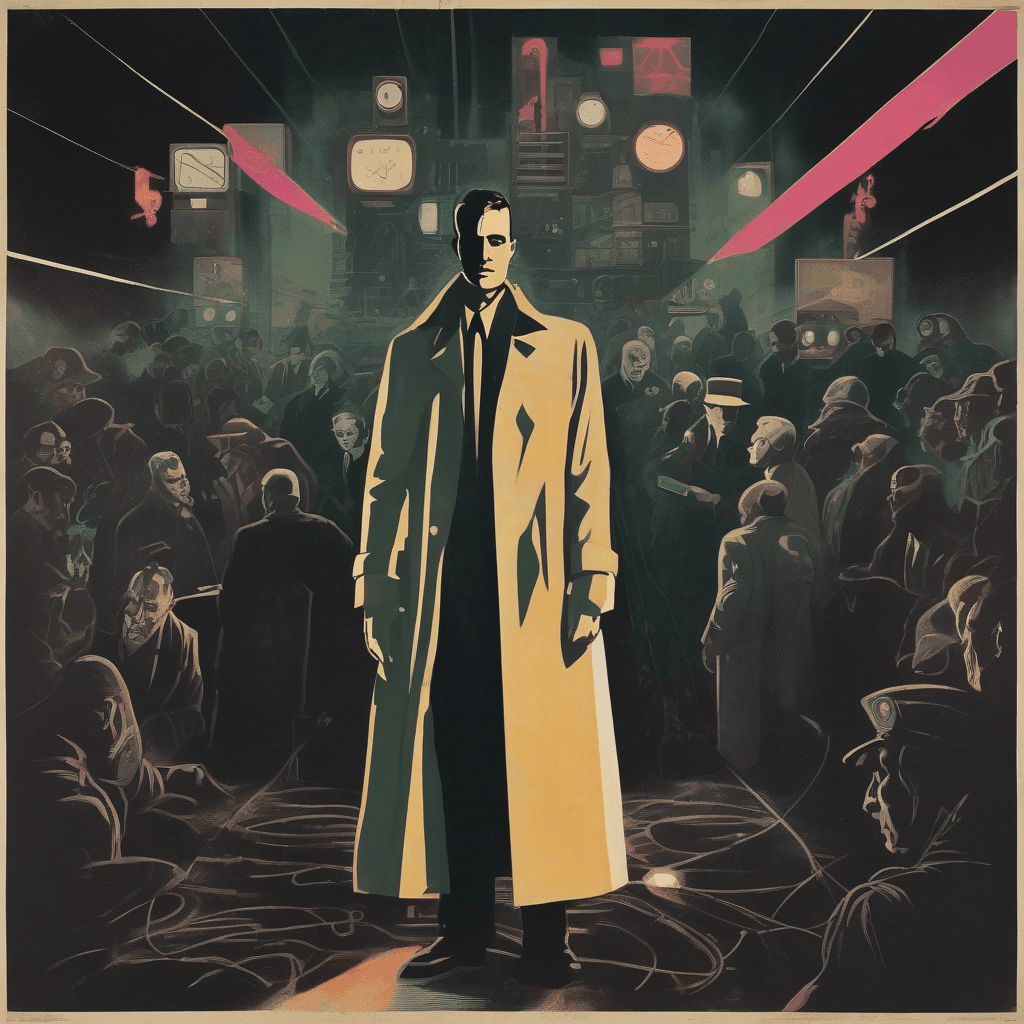
“Cult cinema thrives on the fringes, captivating audiences with its defiance of convention and embrace of the bizarre. This article explores how these cinematic outliers, from early silent provocations to modern genre-benders, forge enduring legacies and passionate, devoted fandoms.”
In the vast, ever-expanding universe of cinema, certain films defy easy categorization. They are not always critical darlings or box-office behemoths, yet they carve out an indelible niche in the cultural consciousness, gathering fervent disciples who elevate them to near-mythic status. This is the realm of cult cinema – a vibrant, often perplexing, but undeniably powerful phenomenon that transcends mainstream appeal to foster a deep, almost spiritual connection with its audience. These are the cinematic outliers, the maverick films that challenge conventions, explore taboo subjects, or simply possess an inimitable, often bizarre, charm. Their journey from obscurity, or even initial rejection, to enduring adoration is a testament to the diverse tastes of film lovers and the profound impact of unconventional storytelling.
What defines a cult film isn't merely its lack of mainstream success, but its ability to generate a devoted fandom, often fueled by repeat viewings, quoted dialogue, and a communal experience that transforms passive spectatorship into active participation. From the midnight movie circuit to online communities, cult films create their own ecosystems, where shared appreciation for the strange, the subversive, and the spectacular fosters a unique sense of belonging. This deep dive into the essence of cult cinema's enduring allure reveals how these films, some born from the earliest days of the medium, continue to resonate, inspire, and provoke, proving that true cinematic power lies not always in universal acceptance, but in passionate, singular devotion.
The Genesis of the Maverick: Early Cinema's Unconventional Seeds
The roots of cult cinema stretch back further than many might imagine, intertwining with the very genesis of filmmaking itself. Even in the silent era and the nascent years of sound, filmmakers, often unburdened by rigid genre expectations or commercial pressures, experimented with narratives and themes that hinted at the transgressive spirit that would later define cult classics. Consider the implied darkness and moral complexities that could be found in early dramas like `Medea di Portamedina`, a film whose premise involves infanticide, or `The Rattlesnake`, where gratitude for a snake saving a life leads to a twisted revenge plot. These narratives, even in their rudimentary forms, touched upon themes of societal defiance, psychological turmoil, and moral ambiguity that would become hallmarks of underground films.
Films like `Thou Art the Man`, with its clerk facing a moral dilemma, or `Zirkus des Lebens`, hinting at a 'weirdo lawyer' and murky affairs, illustrate how early cinema was already grappling with characters and situations that challenged conventional morality. These weren't necessarily seeking to shock, but their exploration of human depravity, unusual relationships, or social hypocrisy laid the groundwork for future rebel films. The sheer novelty of the moving image allowed for an almost unrestricted exploration of human experience, from the mundane to the utterly bizarre. This period, often overlooked in the study of cult film history, reveals a nascent willingness to push boundaries, to tell stories that didn't fit neatly into the emerging studio molds, and to inadvertently sow the seeds of future niche cinema worship.
Even seemingly innocuous genres contributed to this early tapestry. The chaotic energy of `Keystone Comedies`, with their slapstick and disregard for narrative logic, could be seen as an early form of aesthetic anarchy, embracing the absurd in a way that resonates with later cult comedies. Documentaries like `In the Pink`, showcasing physical culture, or `No País das Amazonas`, exploring indigenous life, offered glimpses into worlds far removed from everyday experience, cultivating an appreciation for the exotic and the unconventional. These early works, though perhaps not cult films in their own time, demonstrated a fundamental freedom in cinematic expression that allowed for the emergence of unique voices and perspectives – a prerequisite for any film destined to become a cinematic anomaly.
Defying the Mainstream: The Power of Transgression and Taboo
One of the most potent forces driving a film into the pantheon of cult cinema is its willingness to transgress. These are the films that dare to explore themes considered taboo, present shocking violence, or delve into sexualities and moral ambiguities that the mainstream avoids. This defiance often creates an initial barrier to widespread acceptance but, paradoxically, cements their status among those who seek out the challenging and the forbidden. Films like `Passion Flower`, with its narrative of a wealthy man's attraction to his stepdaughter leading to murder and tragedy, or `The Song of the Soul`, dealing with a bigamous marriage and a child taken away, reveal an early cinematic appetite for dark, complex human drama that subverted the prevailing moral codes of their time.
The subversive narratives found in films such as `Silnyi chelovek`, where a man murders a friend to appropriate his literary work, or `The Mask`, involving a wayward twin brother and diamond mine intrigue, showcase how cult films often thrive on morally grey areas and characters who operate outside conventional societal norms. These films don't offer easy answers or clear-cut heroes; instead, they invite audiences to grapple with uncomfortable truths and complex motivations. This intellectual and emotional challenge is a key component of their enduring appeal, fostering a deeper engagement than more straightforward, commercially oriented fare.
The act of watching a transgressive film often feels like participating in a secret ritual, a shared experience among those willing to confront the uncomfortable or the provocative. Whether it's the raw emotional intensity of a drama like `The Love That Dares`, exploring marital misunderstandings and neglect, or the dark undercurrents of `Zirkus des Lebens`, with its 'old weirdo lawyer' and questionable ethics, cult films often speak to an audience's desire for narratives that reflect the messiness and moral ambiguities of real life, rather than sanitized versions. This embrace of the shadow aspects of human nature, coupled with often audacious filmmaking, ensures their place as cinematic touchstones for generations of devoted film fanatics.
The Art of the Bizarre: Aesthetic Anarchy and Narrative Innovation
Beyond thematic transgression, cult cinema is frequently defined by its aesthetic anarchy and narrative innovation. These films often reject traditional storytelling structures, embrace surrealism, or employ unique visual styles that set them apart. This commitment to artistic individuality, even if it alienates mainstream audiences, is precisely what draws in a dedicated following. Early examples, though perhaps not full-blown cult films, hinted at this experimental impulse. `Moongold`, a short fantasy film, suggests an early willingness to explore abstract or fantastical concepts without the need for strict realism, laying groundwork for future genre mutations and imaginative leaps.
The sheer exuberance and unconventional humor of films like `Golf`, which depicts a golfer refusing to stop playing even as he smashes mirrors and pottery, or `Astray from the Steerage`, where a smuggler gets comically trapped, demonstrate an early appreciation for the absurd and chaotic. This type of humor, often dark, slapstick, or simply bizarre, finds a ready home in the hearts of cult film aficionados who crave something beyond predictable punchlines. `Nothing But the Truth`, centered on a wager to tell only the truth for a week, exemplifies a high-concept premise that, while comedic, plays with societal norms in an inherently unorthodox fashion.
Whether through deliberate stylistic choices or simply a lack of resources forcing creative solutions, cult films often possess a distinct visual or narrative fingerprint. The episodic nature of `Veritas vincit`, a historical film attempting to illustrate the 'perpetual victory of truth,' or the intricate plotting of `The Hope Diamond Mystery` and `The Secret Formula`, hint at a desire for complex, multi-layered storytelling that rewards close attention and repeat viewings. These films defy easy consumption, instead demanding active engagement from their audience, inviting them to decipher hidden meanings, appreciate unique directorial flourishes, or simply revel in the sheer audacity of the vision. This commitment to the distinct, the strange, and the visually compelling ensures their continued relevance as cinematic gems, forever sparking discussion and re-discovery among those who seek out the truly maverick spirit of cinema.
From Obscurity to Obsession: The Fandom Phenomenon
The true magic of cult cinema lies not just in the films themselves, but in the unique relationship they forge with their audience. Many cult classics were initially misunderstood, critically lambasted, or commercially overlooked. Their ascent to iconic status often begins with a small, dedicated group of viewers who championed the film, sharing it with others through word-of-mouth, often at midnight screenings or independent theaters. This process of re-discovery is crucial, transforming a forgotten relic into a cherished artifact. Films like `The Three Godfathers`, an unlikely tale of outlaws caring for a baby in the desert, or `Neptune's Daughter`, a mermaid princess's quest for vengeance that turns to romance, possess the kind of unique premises that, when found by the right audience, can spark intense devotion, even if they initially struggled to find widespread appeal.
What drives this fanatical fandom? Often, it's the sense of belonging to an exclusive club. Loving a cult film means you're in on a secret, part of a select group that appreciates something others don't. This shared passion creates a powerful community, where discussions, theories, fan art, and even interactive screenings become extensions of the film itself. The characters, dialogue, and imagery of these films become ingrained in the collective consciousness of their fans, evolving into inside jokes, cultural references, and even personal philosophies. The journey of characters in films like `The Clown`, a successful performer abandoned by his wife, or `Fange no. 113`, a prisoner's story, might resonate deeply with individuals who feel like outsiders or understand the complexities of life's struggles, fostering a bond that transcends mere entertainment.
The enduring appeal of cult films also stems from their capacity for multiple interpretations. Their often ambiguous narratives, symbolic imagery, or unconventional plots invite viewers to dissect and debate, finding new layers of meaning with each viewing. This encourages an active, rather than passive, engagement, turning spectators into amateur scholars or passionate evangelists. Even early, seemingly straightforward films like `The Hope Diamond Mystery` or `The Mask`, with their elements of action, adventure, and intrigue, could have sparked intense discussion and speculation among early audiences, foreshadowing the analytical depth that modern cult film communities bring to their beloved works. This symbiotic relationship between film and audience is what truly elevates a movie from mere entertainment to a lasting cultural phenomenon.
The Enduring Resonance: Why Cult Films Persist
The question remains: why do these cinematic outliers continue to captivate audiences, often decades after their initial release? The answer lies in their timeless ability to challenge, provoke, and entertain in ways that mainstream cinema often cannot. Cult films are not bound by the fleeting trends of popular culture; instead, they tap into universal human experiences – the desire for rebellion, the fascination with the grotesque, the search for meaning in chaos, and the sheer joy of the absurd. Whether it's the escapist adventure of `The Secret Formula` or the gritty realism implied in `Play Square`, these films offer something distinct and enduring.
Many cult classics gain new relevance as societal norms shift, allowing audiences to appreciate their transgressive themes from a new perspective. What was once shocking might now be seen as prescient, or what was once dismissed as bizarre might now be celebrated as visionary. The sheer breadth of subjects covered, from the social commentary implicitly found in `Silk Husbands and Calico Wives` to the exploration of different cultures in `No País das Amazonas`, ensures a diverse appeal. These films often reflect counter-cultural sentiments, providing a voice for those who feel marginalized or simply crave alternatives to the dominant cultural narrative. They become symbols of resistance, emblems of individuality, and communal focal points for those who identify with their maverick spirit.
Ultimately, the enduring legacy of cult cinema is a testament to the power of artistic freedom and the human desire for connection. These films, often made outside the traditional studio system, represent a raw, unfiltered vision that resonates with audiences seeking authenticity and originality. They prove that a film's true value isn't always measured in box office receipts or critical accolades, but in the indelible mark it leaves on the hearts and minds of those who embrace its unique sensibility. From the early silent provocations to the most recent underground hits, the cult film phenomenon continues to evolve, reminding us that the most profound cinematic experiences often lie just beyond the mainstream, waiting to be discovered and adored.
The Ever-Expanding Universe of the Unorthodox
From the earliest flickers of the silver screen, through the golden age of Hollywood, and into the digital era, the spirit of the unorthodox film has persisted. Films like `The World Apart`, exploring mining magnates and wayward sons, or `A Daughter of the City`, with its themes of avarice and sacrifice, show that complex human dramas were always present, offering rich ground for interpretation. Even lighthearted comedies like `Her Winning Way` or `Society Secrets`, with their social observations and character quirks, contribute to a broader understanding of how diverse narratives can eventually find their passionate audience.
The journey of a film from obscurity to cult status is rarely linear, often involving chance encounters, dedicated programming by independent cinemas, and the boundless enthusiasm of online communities. This organic growth underscores the genuine connection audiences feel when a film speaks to them on a deeper, more personal level. The cult of the unorthodox is not merely about liking a film; it's about identifying with its themes, its characters, or its unique worldview. It's about finding a piece of yourself reflected in the cinematic mirror, however distorted or unconventional that reflection may be.
In a world increasingly saturated with homogenized content, cult cinema offers a vital antidote – a sanctuary for the strange, a celebration of the unique, and a testament to the enduring power of stories told without compromise. These maverick films, whether born from grand ambitions or humble means, continue to inspire fierce loyalty and passionate debate, proving that true cinematic immortality is often found not in universal acclaim, but in the unwavering devotion of a select few.
Community
Comments
Log in to comment.
Loading comments…