
Cult Cinema Deep Dive
The Deviant's Diary: Unmasking the Subversive Soul and Maverick Rhythms of Cinema’s Early Genre Outcasts

“A deep dive into the primal roots of cult cinema, exploring how early genre-defying films and silent-era anomalies forged the transgressive spirit of the modern midnight movie.”
In the flickering half-light of cinema’s infancy, a shadow was cast that would eventually grow into the towering monolith of cult obsession. Long before the term "midnight movie" entered the cultural lexicon, there existed a subterranean current of filmmaking that defied the rigid structures of early studio morality and narrative convention. These were the films of the fringe—the experiments, the accidents, and the transgressive masterpieces that spoke to the disenfranchised and the curious. To understand the modern cult phenomenon, we must look back at the renegade rhythms and subversive souls of the early 20th century, where the DNA of the cinematic outcast was first synthesized.
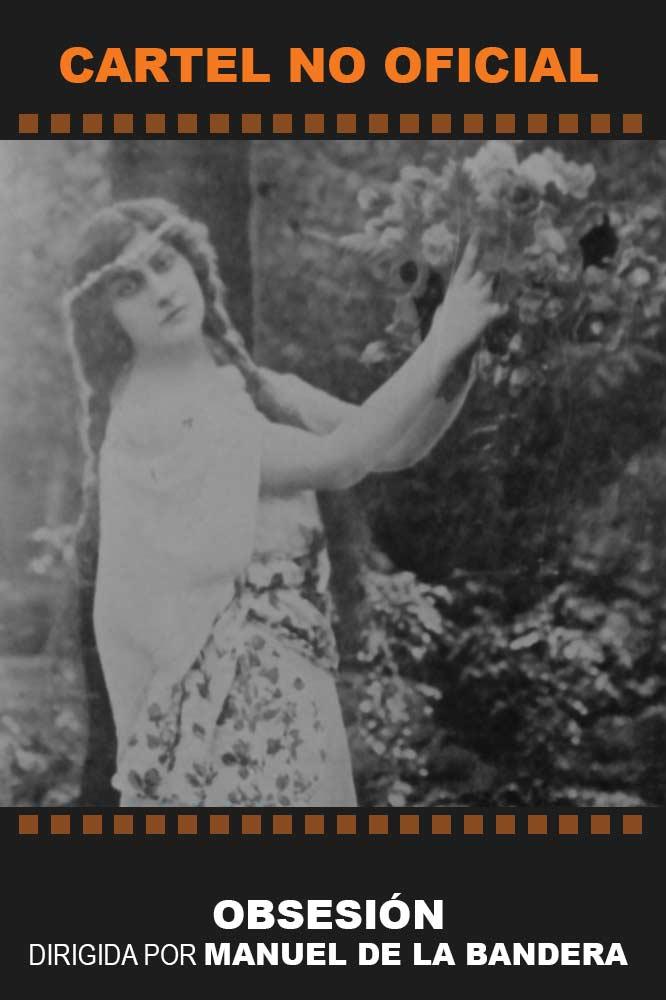
The Psychological Shadow: Duality and the Gothic Heart
At the core of many cult obsessions lies an fascination with the duality of the human condition. This psychological tension was masterfully explored in the early adaptations of classic literature, most notably in the 1920 rendition of Dr. Jekyll and Mr. Hyde. By visualizing the internal struggle between the civilized self and the primal id, early filmmakers tapped into a universal anxiety that resonated with audiences seeking more than just surface-level entertainment. This film, alongside the stark moral inquiries of Crime and Punishment, laid the groundwork for the "darker" side of cinema—a space where the protagonist is not a hero, but a tragic, multifaceted entity.
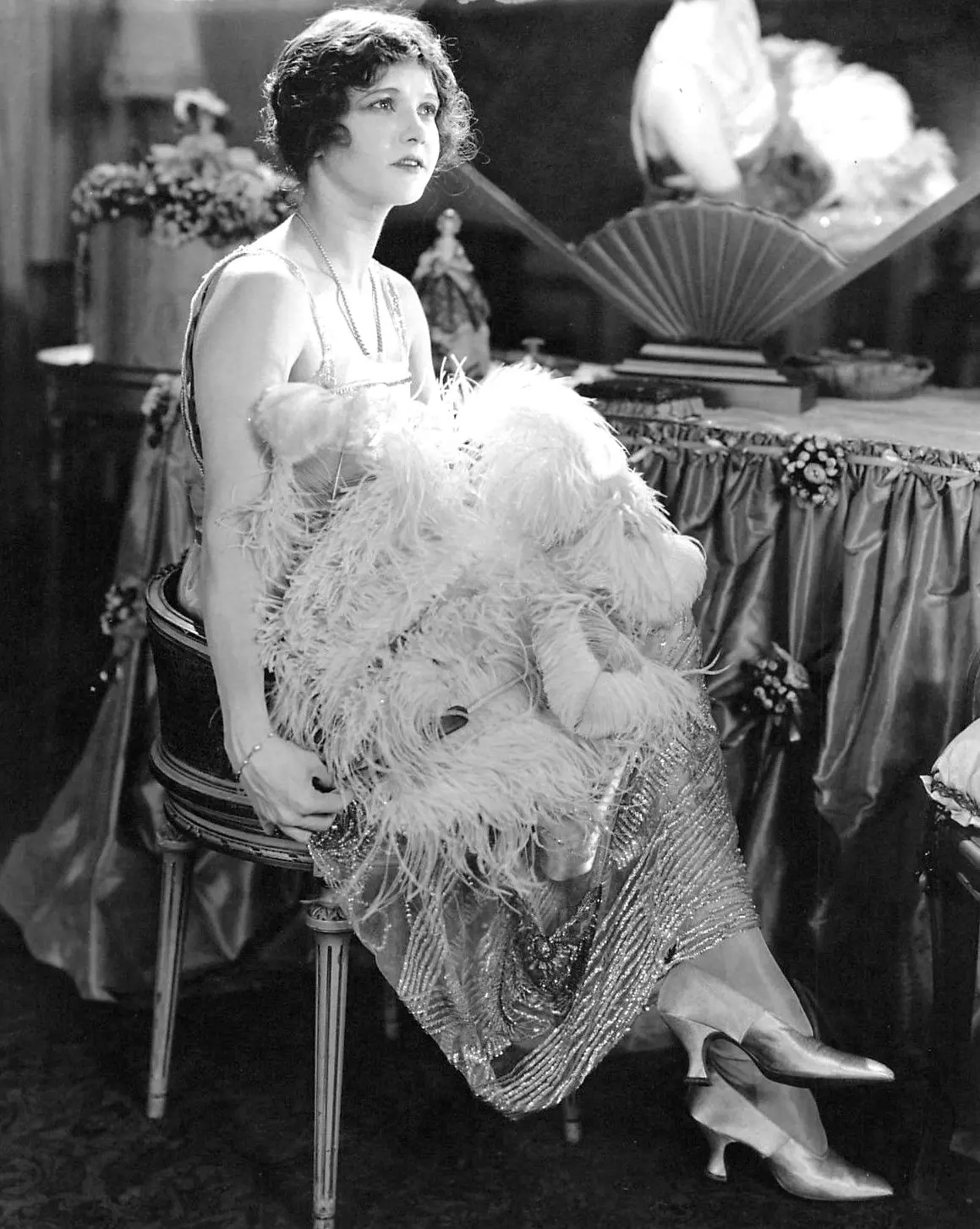
The cult appeal of these works stems from their refusal to provide easy answers. In Crime and Punishment, the philosophical weight of the "one little crime" being effaced by a million good deeds creates a moral gray area that invites repeated viewing and intense debate. This is a hallmark of cult cinema: the ability to remain relevant through ambiguity. Similarly, the grotesque transformation in Dr. Jekyll and Mr. Hyde utilized the nascent technology of the camera to create a visceral experience of horror that felt both intimate and alien, a precursor to the body horror and transgressive aesthetics of later decades.

The Mythic and the Macabre: Rasputin and the Black Monk
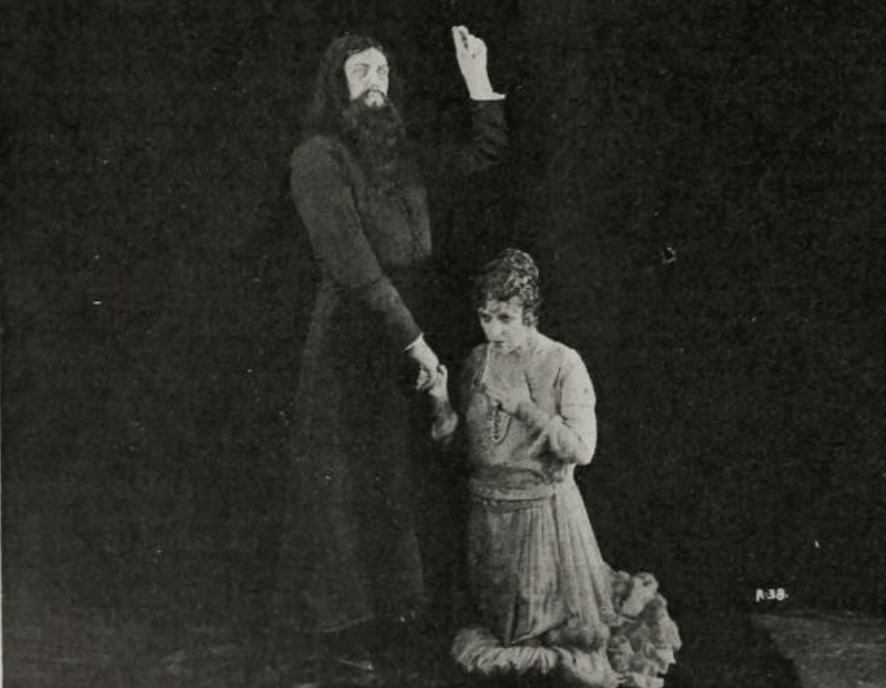
Cult cinema often gravitates toward figures of mythic proportions and dubious morality. The rise and fall of Rasputin, the Black Monk, provided early audiences with a figure of immense, decadent power. The fascination with Rasputin—a man who dominated the Russian court through a mix of spiritual charisma and perceived madness—mirrors the way cult audiences today gravitate toward charismatic, often dangerous, screen presences. These films acted as a nocturnal ledger, documenting the fringes of history and the people who lived outside the boundaries of polite society.
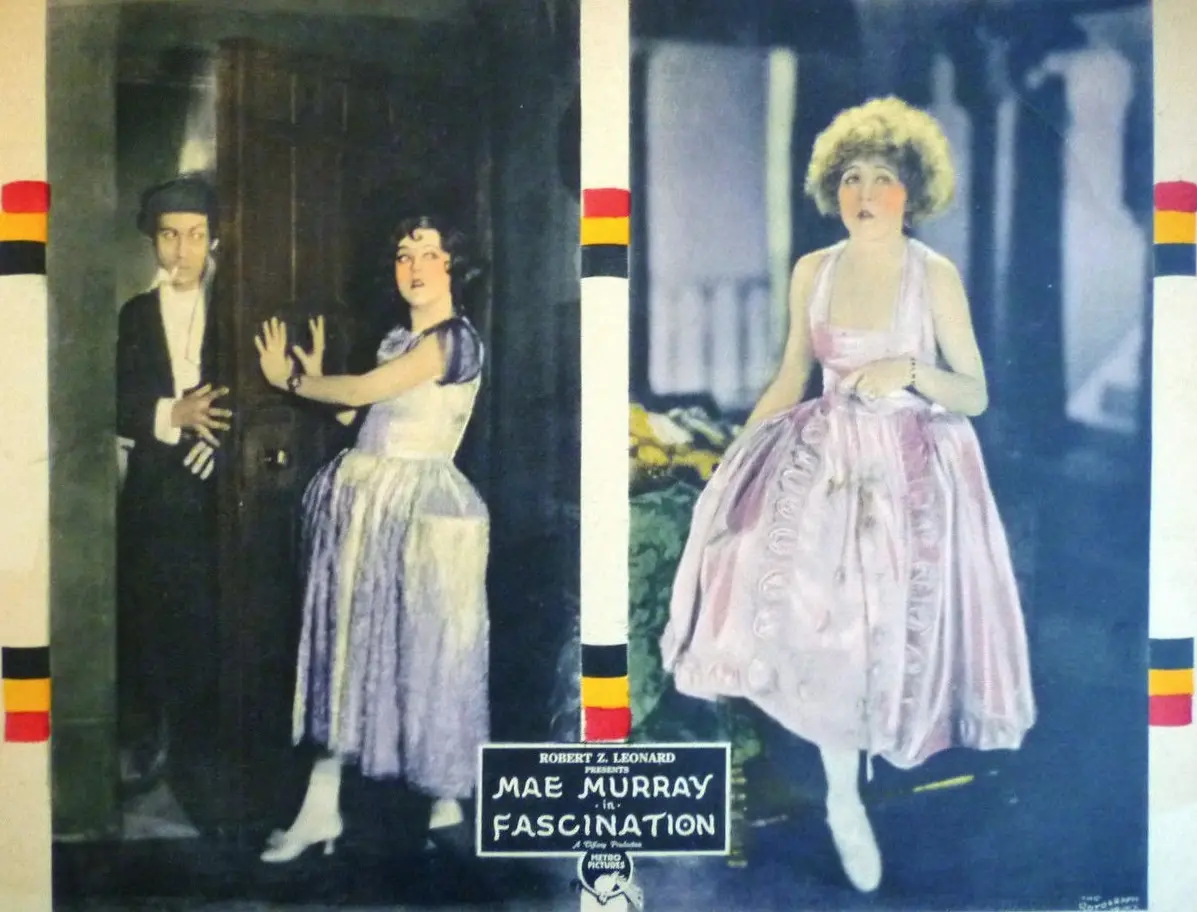
The Taboo and the Forbidden: Early Moral Panics
Before the Hays Code attempted to sanitize the silver screen, early cinema frequently delved into subjects that were considered scandalous or forbidden. Films like Cocaine (1922) and Den hvide Slavehandels sidste Offer (The Last Victim of the White Slave Trade) functioned as both cautionary tales and sensationalist spectacles. While ostensibly moralistic, these films provided a rare glimpse into the underworlds of drug addiction and human trafficking, creating a sense of "forbidden knowledge" that is essential to the cult experience.

The allure of the taboo is a powerful magnet for niche audiences. In Cocaine, the depiction of a drug kingpin and the destructive power of narcotics offered a grit that mainstream romances lacked. Similarly, the transgressive nature of Den hvide Slavehandels sidste Offer, with its themes of kidnapping and forced servitude, pushed the boundaries of what could be depicted on screen. These films were the ancestors of the exploitation cinema that would dominate the 1960s and 70s, proving that the appetite for the extreme has always been a part of the cinematic landscape.
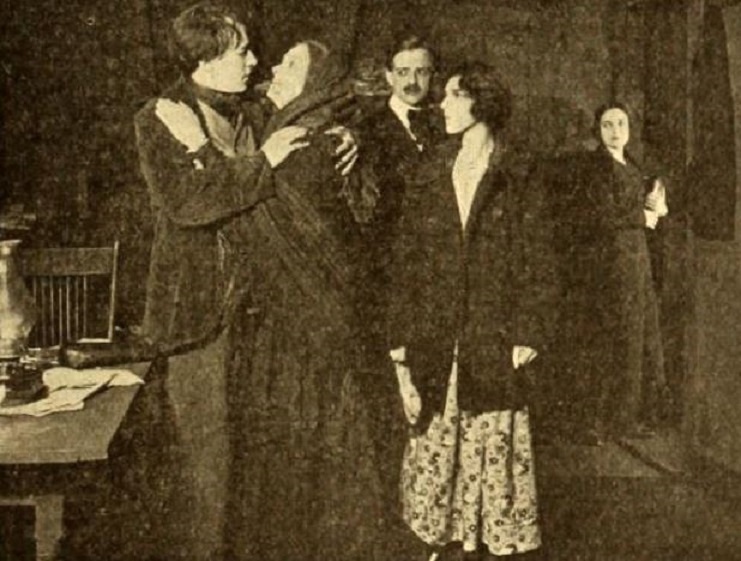
Subverting the Law: The Outlaw as Hero
The cult hero is often an outsider, someone who operates on the edges of the law or in direct opposition to it. We see the early seeds of this in films like The Ranger and the Law, where the protagonist, Dick Dawson, rejects his father's business to become a forest ranger in the rugged West. Initially dismissed as a "mollycoddle," Dawson proves his worth through physical grit and a refusal to back down from the whiskey runners of the frontier. This narrative of the underestimated outsider finding their strength in a hostile environment is a recurring theme in cult narratives.
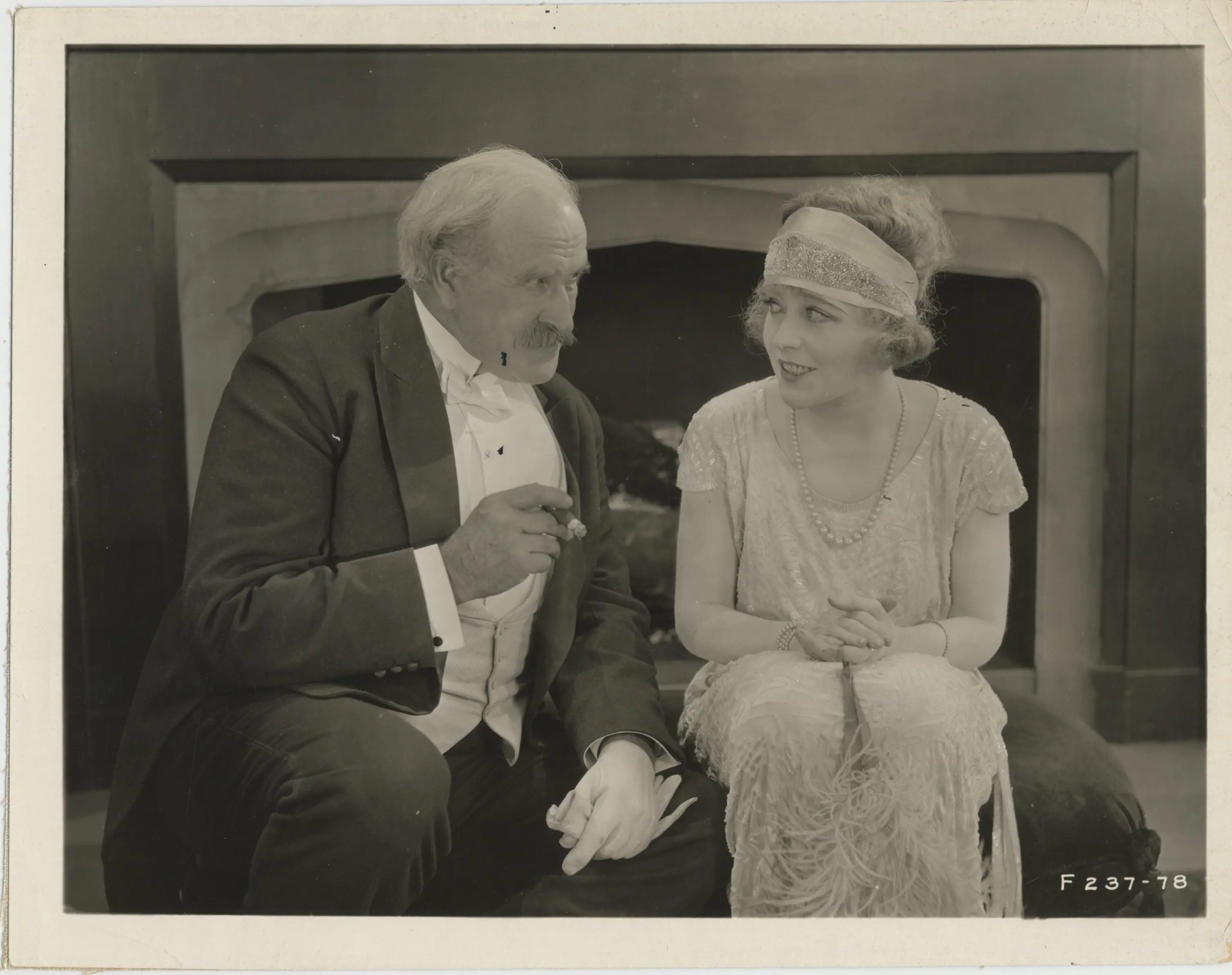
Even more subversive is the figure of the "Master Thief" found in The Exquisite Thief. Blue Jean Billie, an unknown perpetrator of sensational jewel heists, represents the sophisticated outlaw—a character who is admired for their skill and audacity rather than their moral rectitude. This romanticization of the criminal, the rebel, and the maverick is a key ingredient in the cult cocktail. It allows the audience to live vicariously through characters who break the rules that govern everyday life.
The Experimental Lens: Vertov and the Radical Reality
While narrative films were busy defining genre, experimental filmmakers were busy breaking the camera. Dziga Vertov’s Kino-pravda no. 9 represents a radical departure from traditional storytelling. By documenting Russian life in the early 1920s through a series of newsreels, Vertov and his collaborators (Elizaveta Svilova and Mikhail Kaufman) were not just recording reality; they were reinventing it through montage and camera placement. This "cine-truth" movement challenged the audience to see the world through a mechanical eye, a concept that remains deeply influential in avant-garde and cult circles.
The cult of the director often begins with these mavericks who refuse to follow the standard visual language. Vertov’s work was a subversive pulse that reminded audiences that the camera could be a weapon of truth or a tool of distortion. This experimental spirit is what draws fans to directors like Lynch or Jodorowsky today—the sense that you are seeing a vision that is entirely unique and uncompromising.
Surrealism and the Dream Logic of the Silent Era
Cult cinema thrives on the surreal, the illogical, and the dreamlike. Early films like The Blue Bird and the 1911 Pinocchio embraced a sense of wonder and weirdness that transcended simple children's stories. In The Blue Bird, the quest for the "Blue Bird of Happiness" is guided by a magical fairy and takes the protagonists through a series of fantastical landscapes. This dream logic—where the rules of time and space are fluid—appeals to the part of the psyche that craves escape from the mundane.
The early Pinocchio, with its wooden puppet coming to life and enduring a series of bizarre and often dark adventures (being judged, hanged, and swallowed by a sea monster), carries a primal energy that modern, sanitized versions lack. These films were not afraid to be strange, and that strangeness is exactly what has allowed them to endure in the memories of those who seek out the unusual. They are the spectral screens of our collective imagination, reflecting our deepest fears and most whimsical desires.
The Serial Obsession: Pulp, Mystery, and the New Exploits
The structure of modern fandom—the waiting, the theorizing, the deep-dive analysis—can be traced back to the early film serials. The New Exploits of Elaine and A Lass of the Lumberlands were the precursors to the binge-watching culture of today. Each episode, such as "The Serpent Sign" or "The Lumber Pirates," left audiences on the edge of their seats, desperate for the next installment. These films were the pulp fiction of the screen, filled with secret societies, masked motives, and daring escapes.
In The New Exploits of Elaine, the mystery of a father's murder and the constant threats to the heiress's life created a narrative tension that was addictive. Similarly, A Lass of the Lumberlands combined corporate greed with frontier adventure, featuring the "Dollar" Holmes character as a quintessential pulp villain. This episodic nature encouraged a level of engagement that went beyond a single viewing, fostering a community of fans who would discuss the latest twists and turns—the very foundation of a cult following.
The Tragic and the Bizarre: The Monster and the Girl
Finally, we must acknowledge the role of the bizarre and the tragic in the cult canon. The Monster and the Girl, with its haunting imagery of a boat on fire and the loss of life at sea, taps into the primal fear of the unknown and the power of nature. Cult cinema often finds its home in these stories of isolation and sudden, inexplicable tragedy. Whether it is the shivering beggar boy in The Little Shoes or the sole survivor of a shipwreck in Joy and the Dragon, these narratives of resilience in the face of overwhelming odds strike a chord with the "misfit" audience.
Even the comedic shorts of the era, like Man vs. Woman or The Wrong Track, possessed a manic, often surreal energy that defied the polished humor of later decades. In Man vs. Woman, the "caveman stuff" used to win a girl’s affection—only for the groom to be kidnapped during the wedding—showcases a chaotic storytelling style that is as unpredictable as it is entertaining. This unpredictability is the lifeblood of cult cinema; it is the reason we return to these films time and again, looking for the details we missed and the rhythms that continue to resonate.
Conclusion: The Enduring Legacy of the Maverick
The history of cult cinema is not a straight line, but a tangled web of tangled hearts and maverick visions. From the psychological depths of early horror to the radical experiments of the avant-garde, the first century of film provided a rich soil for the seeds of subversion to grow. These early genre rebels—the rangers, the thieves, the puppets, and the monks—forged a path for every midnight movie that followed. As we continue to dig through the archives, we find that the spirit of the deviant has always been there, flickering in the shadows, waiting for the next generation of outcasts to find their home in the dark.
Community
Comments
Log in to comment.
Loading comments…