
Cult Cinema
The Flicker’s Rebellion: Unearthing the Primal Weirdness of Cinema’s First Century of Genre Defiants
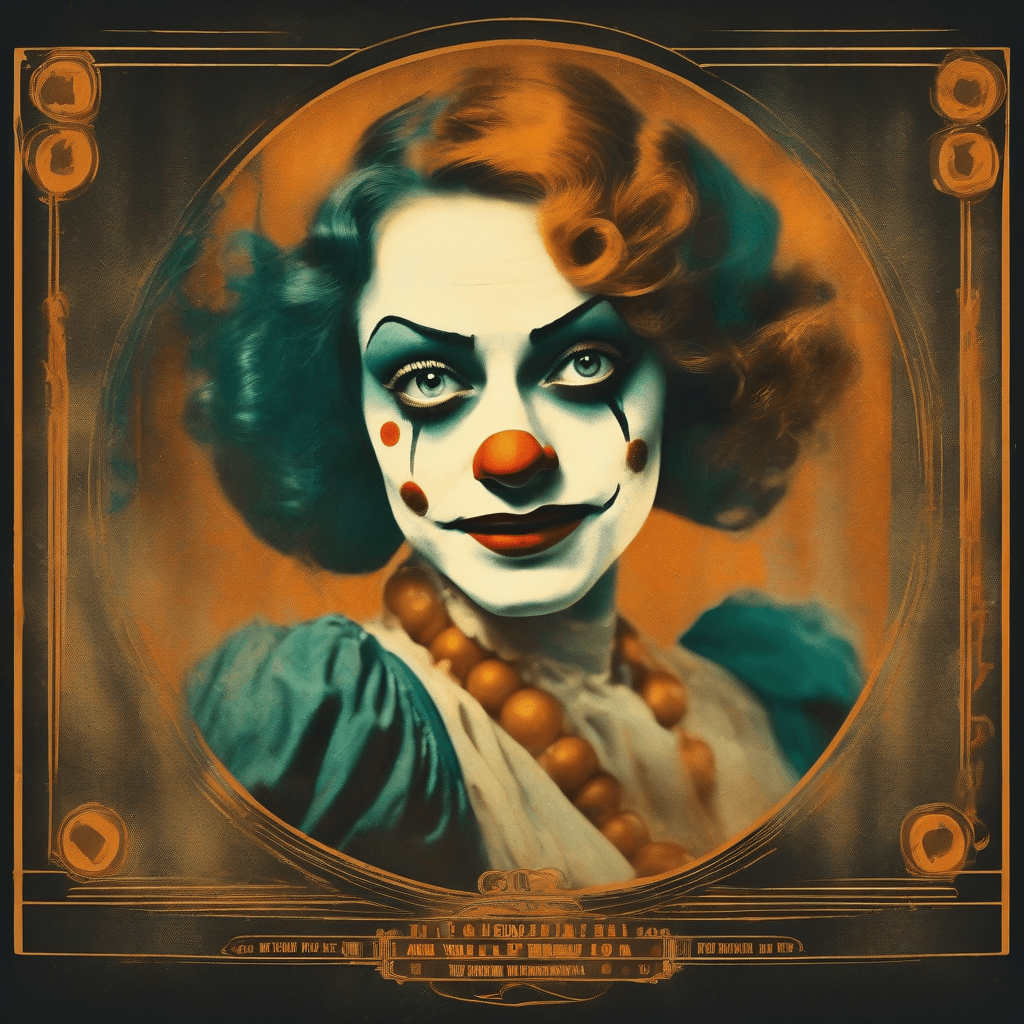
“Explore the transgressive roots of cult cinema through the forgotten rebels, narrative anomalies, and moral outcasts of the early 20th century.”
To understand the modern obsession with the strange and the subversive, one must look past the neon-soaked midnight movies of the 1970s and dive into the nitrate-scented shadows of the early 20th century. Cult cinema is not a modern invention; it is a primal urge, a rebellion against the sanitized narratives of the mainstream that has existed since the first crank of the camera. Long before the term 'cult film' was coined, a collection of cinematic anomalies—ranging from surrealist comedies to occult serials—was already forging the DNA of niche obsession. These films, often dismissed by contemporary critics as mere curiosities, served as the foundational bedrock for what we now recognize as the transgressive spirit of the fringe.
The Occult and the Uncanny: Early Supernatural Obsessions
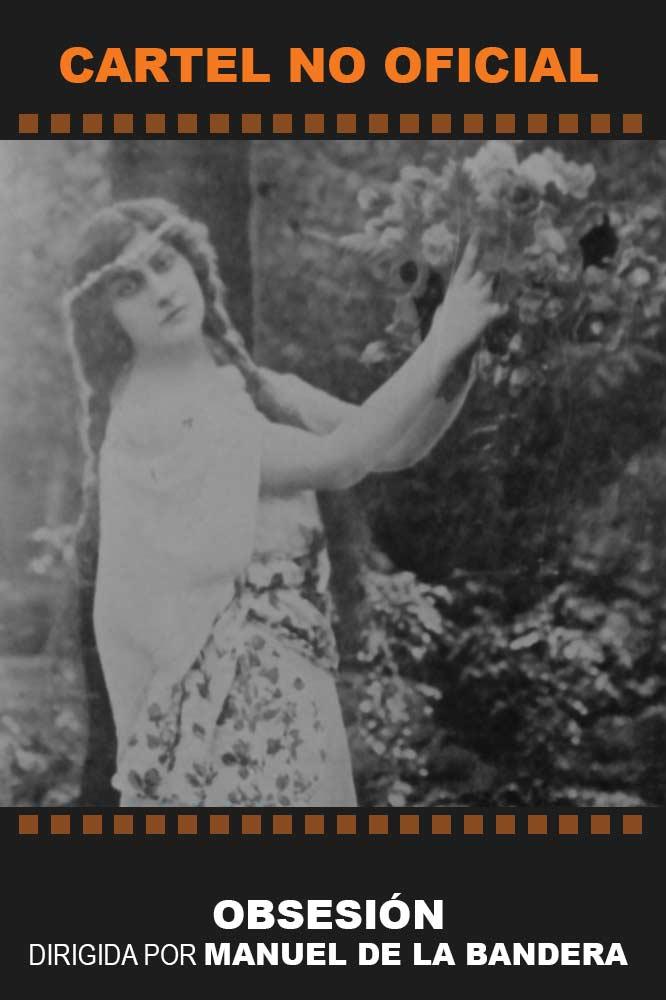
One of the most potent drivers of cult devotion is the exploration of the metaphysical and the forbidden. In the early 1900s, few works captured this better than The Mysteries of Myra. This was not merely a story; it was a deep dive into the 'Black Order,' a secret organization utilizing magic and supernatural assaults. This type of narrative, which pitted the protagonist against an unseen, metaphysical evil, predates the cosmic horror and occult obsession found in later cult classics. It tapped into a collective anxiety about the unknown, a theme that resonates through the ages. While the mainstream sought comfort in familiar tropes, these early outliers were busy mapping the architecture of the uncanny.

Similarly, the surrealism found in short-form comedy provided a blueprint for the 'weird' factor that defines many cult favorites. Take, for instance, Service Stripes. In a display of visual anarchy that would make modern experimentalists blush, the film features a protagonist whose personality is 'transfigured' into a laundry basket, a waiter, and various inanimate objects. This level of narrative instability and visual playfulness challenged the audience's perception of reality, a hallmark of the cult experience. It wasn't just about the joke; it was about the subversion of form and the embrace of the absurd.
Subverting the Social Order: The Rise of the Cinematic Misfit
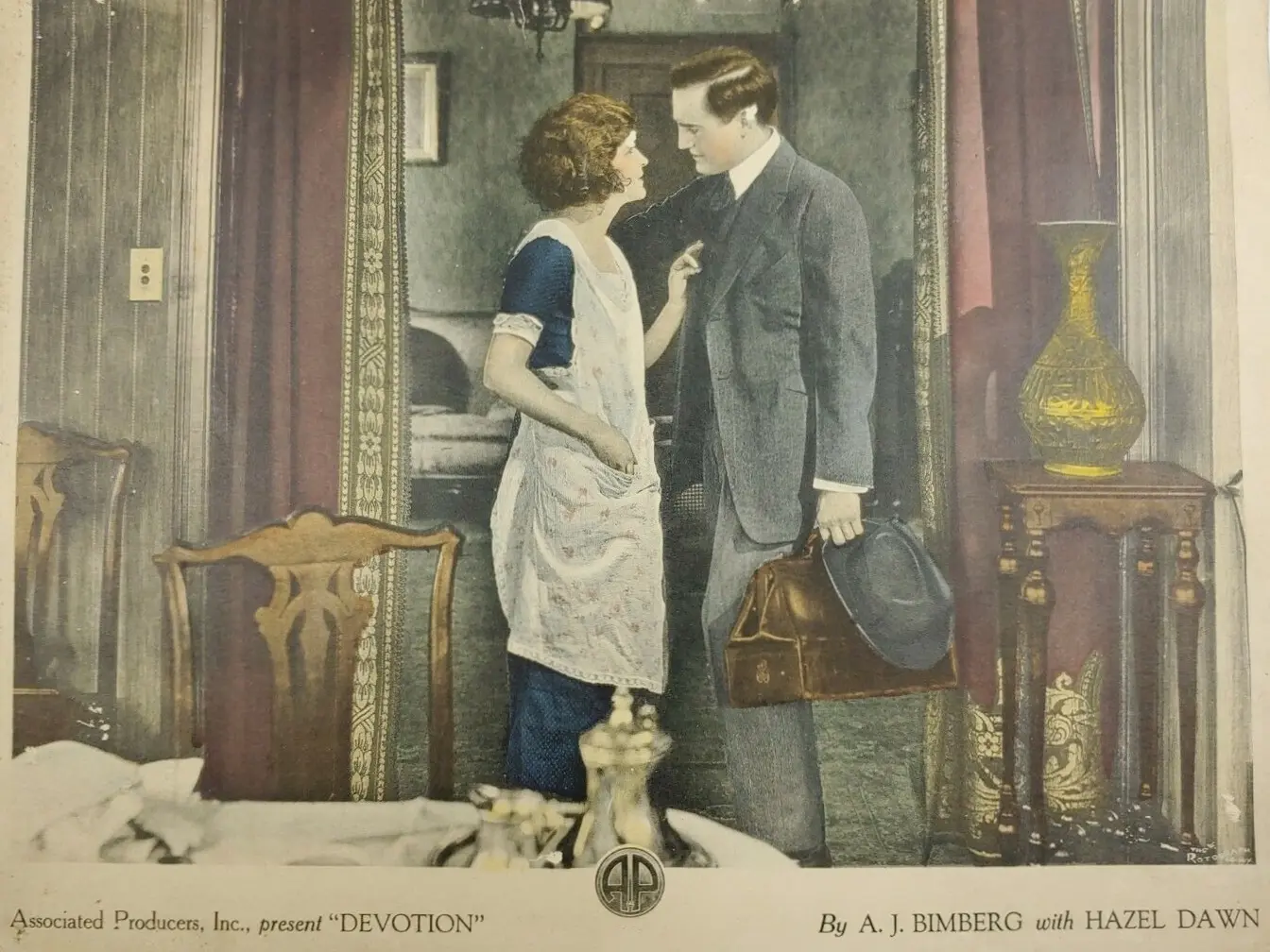
Cult cinema has always been a sanctuary for the social leper and the societal outcast. The early era of film was rife with characters who refused to fit into the neatly labeled boxes of traditional morality. In Rowdy Ann, we see a 'tough cowgirl' sent to an Eastern college to be 'tamed' into a lady. Her resistance to these social norms—and her penchant for physical confrontation—created a prototype for the rebellious female lead that would later populate the grindhouse and exploitation genres. These characters weren't just protagonists; they were symbols of defiance against a rigid social structure.
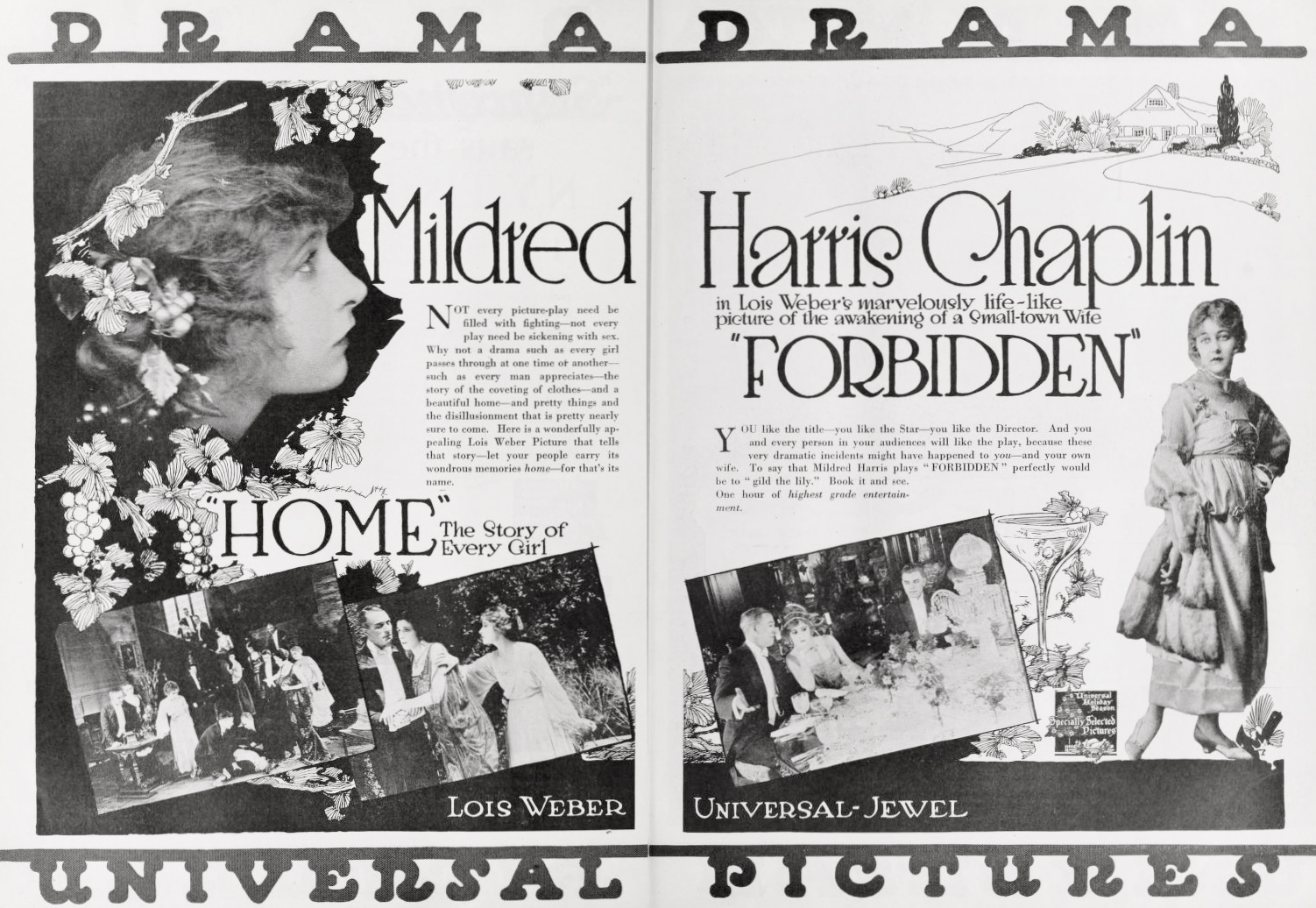
This defiance is also evident in films like The Girl Angle, where a woman jilted on her wedding day becomes a confirmed 'man-hater' in the Southwest. These narratives explored the darker, more cynical sides of romance and social interaction, moving away from the saccharine endings of the day. By focusing on the 'huntress' or the 'misfit,' early cinema began to cultivate an audience that saw themselves reflected in the outliers rather than the icons. In The Huntress of Men, the attempt to 'domesticate' a wild, attention-craving woman highlights the tension between societal expectations and individualistic, albeit chaotic, spirits—a tension that remains a central pillar of cult fandom.

Genre Anarchy and Narrative Mutants
The beauty of early cult cinema lies in its refusal to be pinned down by a single genre. This 'genre anarchy' is what makes these films so enduringly fascinating. Consider The Chinaman, a short that blends animation with live action and meta-commentary. By having the 'Inkwell Clown' fight with a drawing, the film breaks the fourth wall and questions the nature of the medium itself. This self-reflexive quality is a common trait in cult cinema, which often delights in pointing out its own artifice. It invites the audience into a secret handshake, a shared understanding that the rules of traditional storytelling are being gleefully ignored.
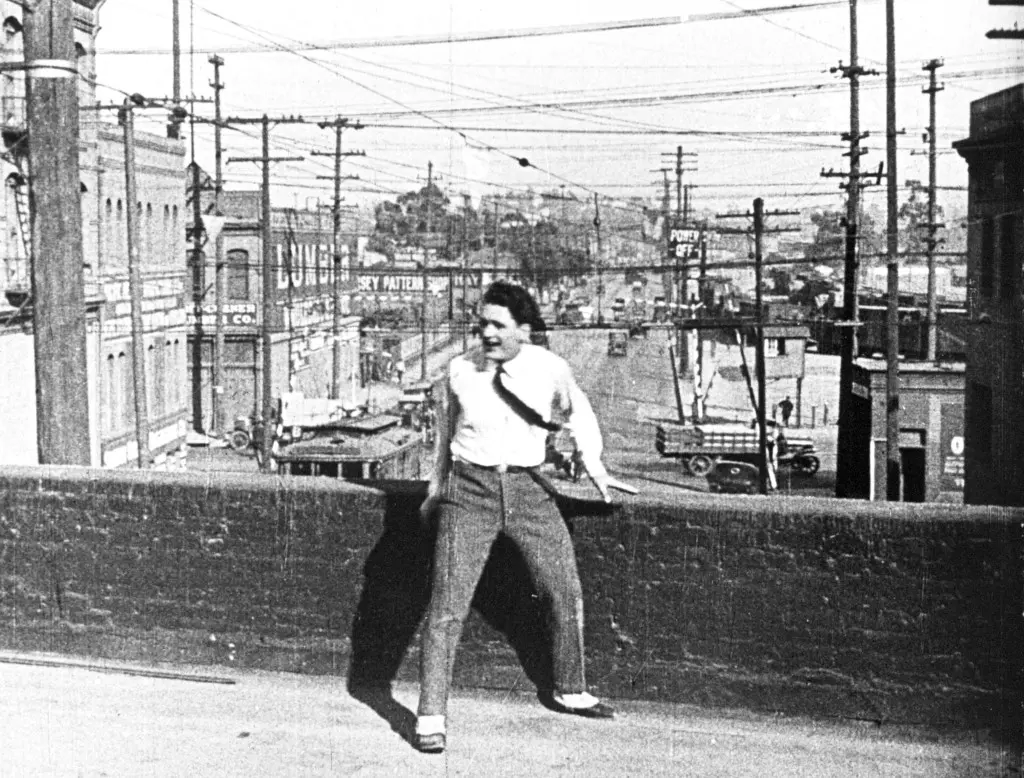
Even within more traditional frameworks, early filmmakers were experimenting with tone and structure in ways that felt revolutionary. The Butterfly utilized the trope of a 'hunchback' seeking revenge to explore themes of obsession and the dark side of the performing arts. This wasn't just a drama; it was a proto-noir, a descent into the shadows of the human psyche. The obsession with revenge is also central to The Trap (1922), where a miner’s life is destroyed by a rival, leading to a calculated, almost mechanical pursuit of vengeance. These films moved beyond simple morality plays, offering a more visceral, gritty look at human motivation—the kind of raw storytelling that midnight movie audiences would eventually crave.
The Spectacle of the Forbidden: Morality and the Macabre
The 'forbidden' has always been a major draw for the cinematic underground. Early films often pushed the boundaries of what was considered acceptable subject matter. The House Without Children tackled the then-taboo subject of birth control, framing it within a domestic drama that challenged the traditional 'pro-natalist' narratives of the era. By bringing these private struggles into the public eye, filmmakers were engaging in a form of social subversion that predates the radical cinema of the 1960s. This willingness to confront the 'unspoken' is a defining characteristic of the cult ethos.
Furthermore, the epic scale of films like Cleopatra (1917) provided a different kind of cult appeal: the spectacle of the grand and the grotesque. These films weren't just entertainment; they were events that transported audiences to a world of heightened reality and tragic romance. The 'epic' nature of these stories, combined with the often-tragic fates of their larger-than-life protagonists, created a sense of mythic resonance. When we look at The Fall of a Nation, we see a proto-political epic that attempted to capture the scale of national collapse and uprising. These were ambitious, often flawed works that sought to define the very limits of what the screen could hold.
The Enduring Legacy of the Forgotten Reel
Why do we continue to return to these flickering, grainy relics of the past? It is because they represent a moment of pure, unadulterated creativity, before the industry became fully homogenized. Films like Il miracolo della Madonna di Pompei or The Speakeasy offer us a glimpse into the diverse, often chaotic landscape of early filmmaking. They remind us that cinema was once a wild frontier, where a 'dandy navigateur' could coexist with a 'social leper' and a 'naughty nurse.' This diversity of voice and vision is the true heart of cult cinema.
The cult movie is, at its core, an act of discovery. It is the process of finding a film like Lavender and Old Lace—with its themes of 30-year-long vigils and guiding lights—and recognizing the profound human obsession within it. It is about the 'stimulating' flirtations of The Stimulating Mrs. Barton and the 'naughty' defiance of Naughty Mary Brown. These films speak to us because they are imperfect, daring, and deeply human. They don't seek to please everyone; they seek to find their tribe.
As we look back at the first century of cinema, we see that the 'misfits' and the 'renegades' were there all along. From the 'secret of the moor' to the 'eyes of mystery,' these stories were the first sparks of a fire that still burns in the hearts of cinephiles today. They are the Service Stripes on the uniform of the cinematic rebel, the King Spruce of the narrative forest. By unearthing these primal subversions, we don't just learn about the history of film; we learn about the enduring power of the fringe to shape, challenge, and define our cultural landscape. The flicker's rebellion is far from over; it is merely waiting for the next generation of outcasts to hit the 'play' button and join the cult.
Conclusion: The Eternal Midnight
Ultimately, the transition from 'mainstream' to 'cult' is often a matter of time and perspective. A film like Sold at Auction, which deals with themes of infidelity and abandoned children, may have been a standard melodrama in its day, but through a modern lens, it becomes a fascinating artifact of early 20th-century social anxieties. The same can be said for An Alien Enemy, which explored the complexities of national identity and loyalty during a time of global conflict. These films are the ancestors of our modern cinematic obsessions, the 'original misfits' that paved the way for every midnight movie that followed. As long as there are filmmakers willing to embrace the weird, the transgressive, and the unconventional, the spirit of these early pioneers will live on, flickering eternally in the darkness of the midnight cinema.
Community
Comments
Log in to comment.
Loading comments…