
Cult Cinema
The Magnetic Fringe: Decoding Cult Cinema's Enduring Allure and Rebellious Spirit
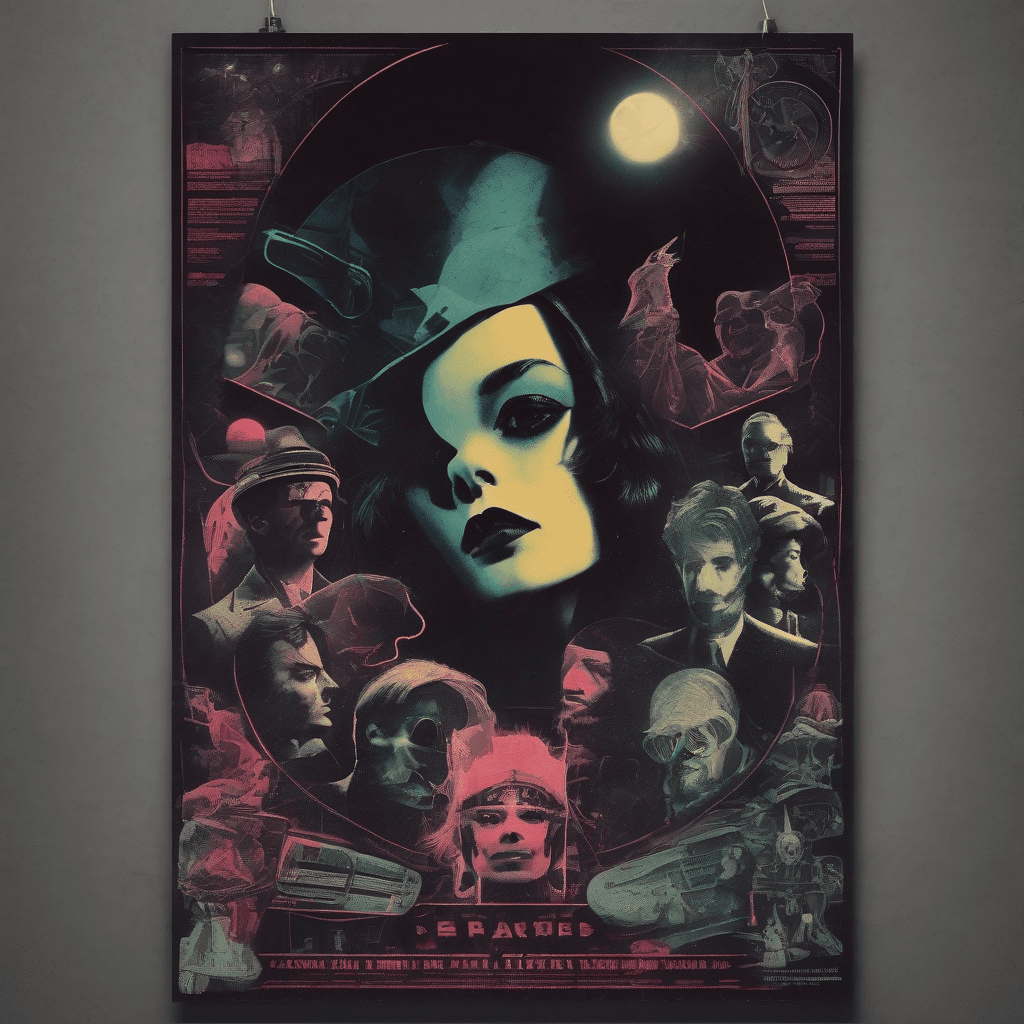
“Dive into the enigmatic world of cult cinema, exploring its unique appeal, from its transgressive narratives to the fervent communities it fosters, and uncover its surprising roots in early film history.”
In the vast, shimmering tapestry of cinematic history, certain films refuse to fade into obscurity. They don't just entertain; they provoke, challenge, and ultimately, unite. These are the cult films, often misunderstood at their inception, yet destined for an enduring afterlife in the hearts and minds of devoted fans. What is this magnetic pull that transforms a mere motion picture into a cultural touchstone, a shared ritual, a badge of belonging? It's a phenomenon that transcends genre, budget, and critical acclaim, forging an unconventional creed where the bizarre is celebrated, the subversive is revered, and the outcast becomes an icon.

Cult cinema isn't just a category; it's a living, breathing entity, constantly reshaped by audience interaction and evolving interpretation. It thrives on rebellion, often defying mainstream tastes and expectations, offering alternative narratives and aesthetics that speak to a specific, often marginalized, sensibility. From midnight screenings to online forums, the communal catharsis experienced by cult film aficionados is unlike any other in the cinematic landscape. This deep dive will explore the anatomy of a cult classic, trace its surprising genetic blueprint through early film history, and unpack the psychological and sociological factors that cement its enduring allure.

The Anatomy of a Cult Film: Beyond the Marquee's Glare
What precisely elevates a film to cult status? It's rarely a formula, but rather a confluence of factors. Often, cult films are characterized by their transgressive themes, pushing boundaries of taste, morality, or cinematic convention. They might feature unconventional narratives that eschew traditional storytelling, embracing ambiguity, non-linearity, or surrealism. Initial critical or commercial failure can paradoxically contribute to their mystique, allowing them to be rediscovered and re-evaluated by a more receptive audience over time.

Consider films that were ahead of their time or simply too strange for mass consumption. Their unique aesthetic, memorable dialogue, or iconic characters become symbols, shared among a growing legion of devotees. This isn't just about liking a movie; it's about devotion. Fans don't just watch; they participate, analyze, quote, and even dress up. The film becomes a canvas for personal and collective identity, a secret language of shadows understood by an initiated few. This shared experience fosters a powerful sense of community, transforming passive viewers into active participants in the film's ongoing narrative.

Echoes from the Dawn: The Proto-Cult Seeds in Early Cinema
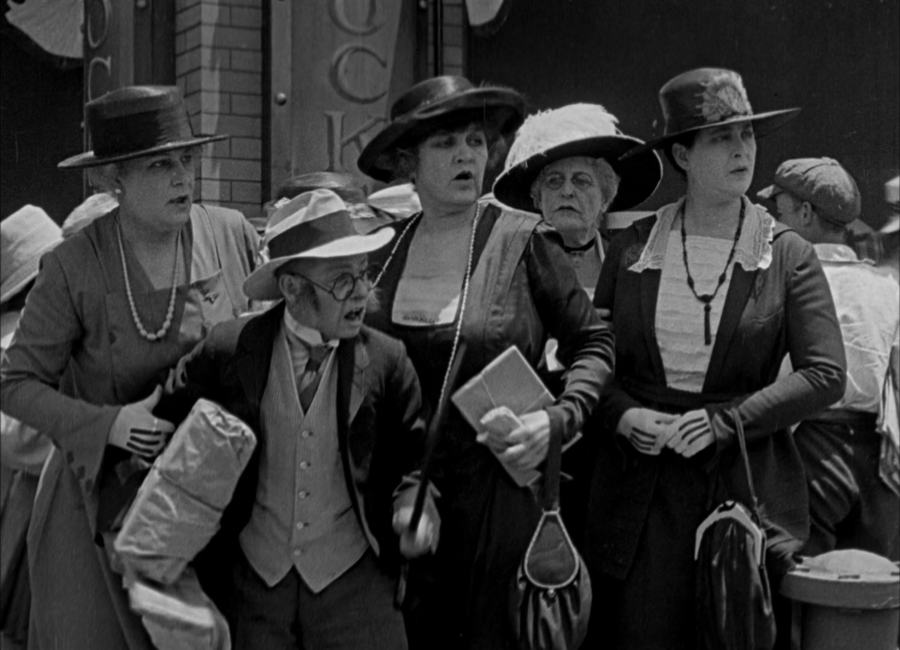
While the term 'cult cinema' gained prominence in the mid-20th century, the proto-cult DNA can be traced back to the very origins of film. Even in the silent era, filmmakers, often working with nascent techniques and untested narrative structures, inadvertently laid the groundwork for themes and styles that would later define the cult experience. These early experiments, sometimes dismissed or forgotten, possessed a primal magnetism, hinting at cinema's capacity for the bizarre, the subversive, and the deeply personal.
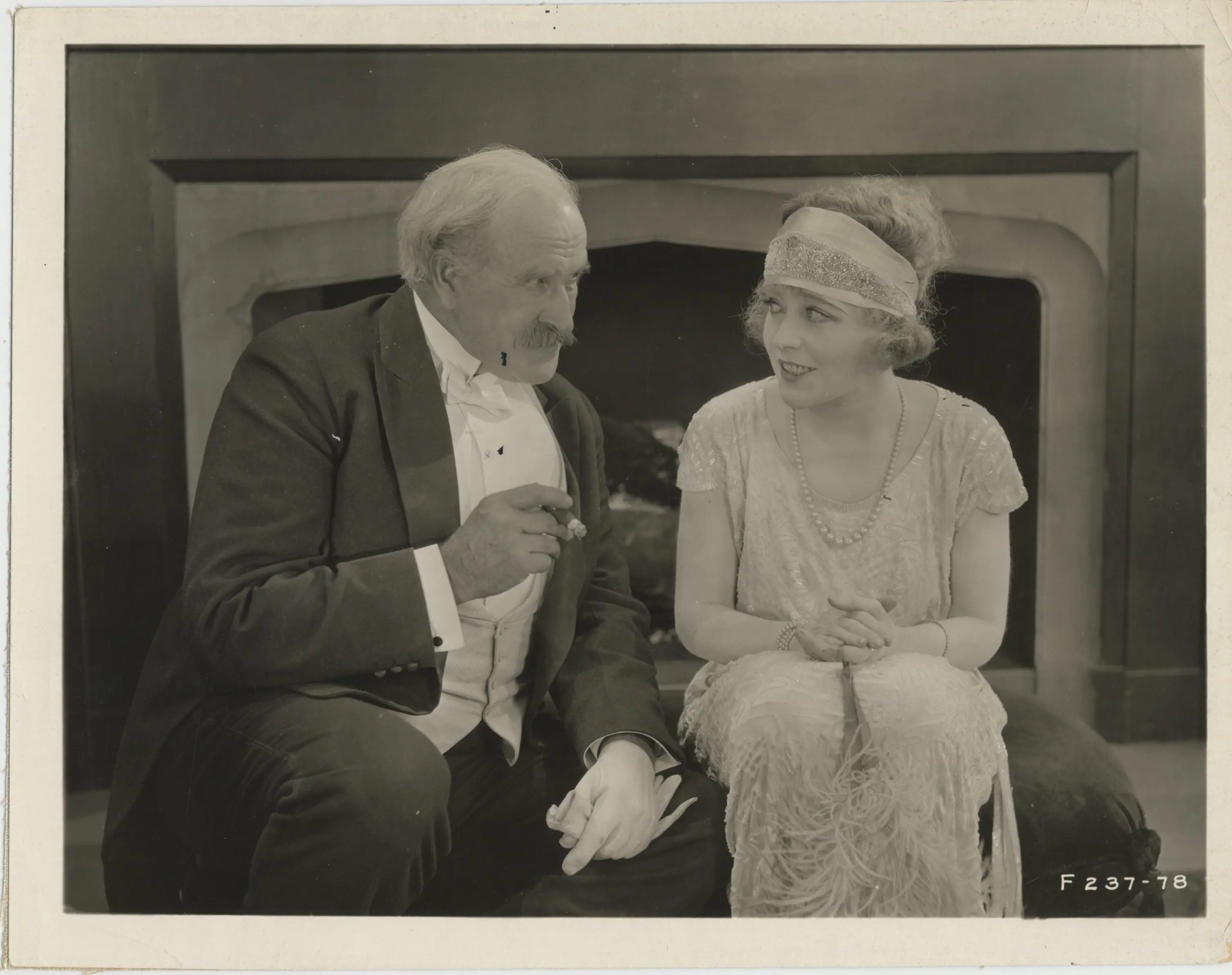
Unconventional Narratives and Social Critique
From the earliest reels, cinema grappled with societal norms and human complexities. Films like The Market of Souls, for instance, explored the stark contrasts between rural innocence and urban decadence, a theme of social observation that resonates with many later cult classics dissecting societal hypocrisies. Similarly, No Children Wanted, with its critique of ambitious parents prioritizing status over family, offers an early glimpse into the kind of anti-establishment sentiment that fuels many cult narratives. These early dramas, though perhaps not overtly transgressive by today's standards, often presented characters grappling with moral ambiguity, societal pressures, and the consequences of their choices, laying a foundation for the unflinching gaze at human nature that cult films often adopt.
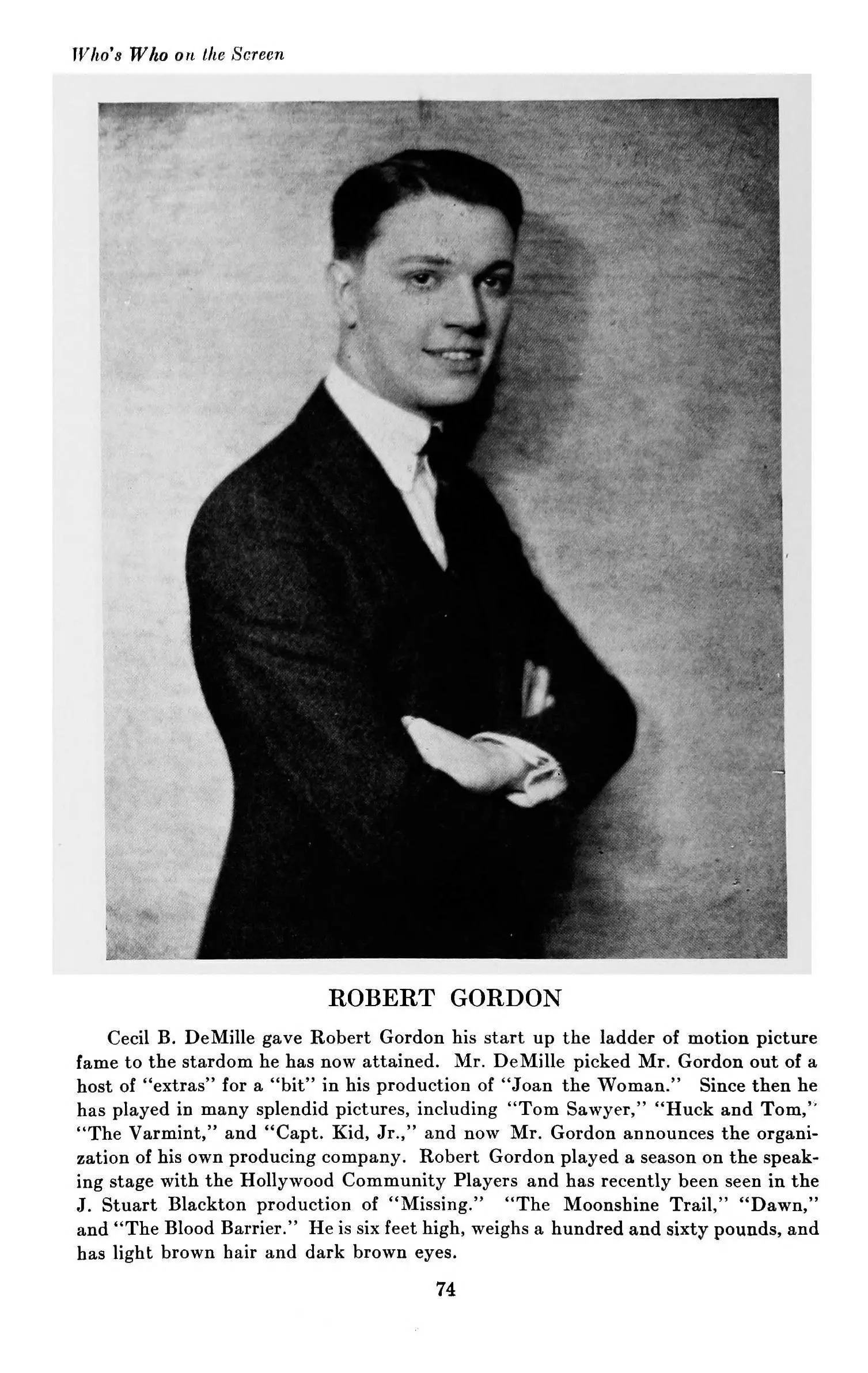
Even in comedies, a subversive pulse could be felt. A Day's Pleasure by Chaplin, or even animated shorts like The Fable of Henpecked Henry, used humor to comment on domestic dynamics and everyday absurdities, a precursor to the dark comedies and satirical works that would later find cult followings for their bold social commentary.
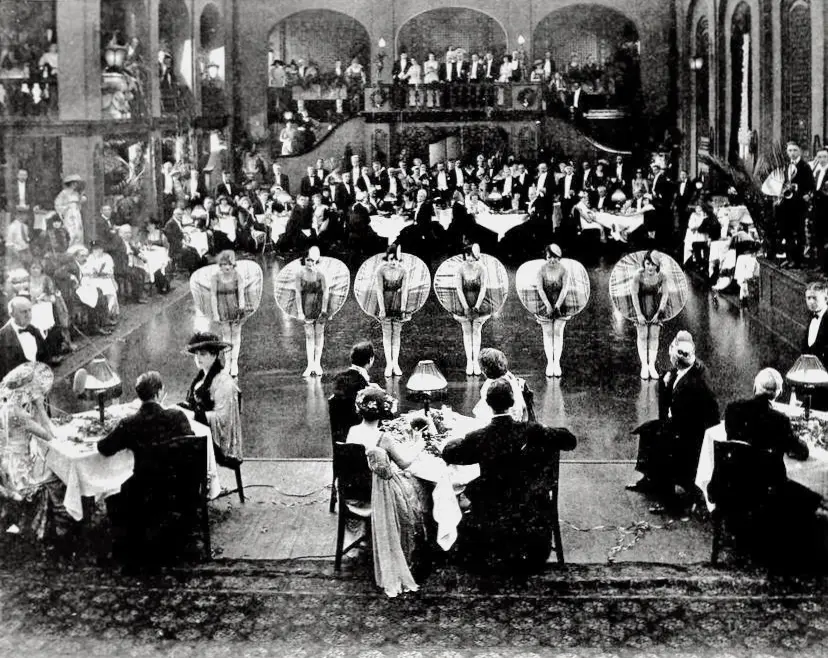
The Allure of the Fantastic and the Outsider
The nascent film industry also ventured into the realms of fantasy and the supernatural, creating worlds far removed from everyday reality. The Soul of the Cypress, an early short about a composer and an immortal tree nymph, or Queen of the Sea, featuring a mermaid's quest for a human soul, showcase an early fascination with otherworldly beings and unconventional romance. These narratives, exploring themes of sacrifice, transformation, and forbidden love, tap into a desire for escapism and the exploration of identity beyond human limitations, themes deeply cherished by cult audiences.

The experimental animated short The Challenge, with its Inkwell Clown battling an artist's avatar, represents a fascinating early foray into surrealism and meta-narrative, hinting at the radical weirdness that would become a hallmark of many cult films. Similarly, The Salamander, depicting a woodland nymph drawn to the city, embodies the quintessential cult theme of the outsider navigating an alien world, a character archetype that audiences often identify with on a profound level.
Moral Ambiguity and Rebellion
Early cinema wasn't afraid to portray characters on the fringes of society or those who defied convention. Films like Love or Justice, which follows a promising lawyer's descent into drug addiction and encounters with the underworld, explored moral decay and the possibility of redemption. This willingness to delve into the darker aspects of human nature and society's underbelly is a consistent thread that runs through many later cult masterpieces.

Perhaps one of the most intriguing early examples of a proto-cult sensibility is The Beloved Cheater, which features a character belonging to an 'Anti-Kiss Cult.' This playful subversion of social norms and the creation of an eccentric, specific group with its own rules, however lighthearted, directly mirrors the formation of niche communities and idiosyncratic ideologies that define modern cult fandoms. Even films like The Escape, which dramatically compared human and animal mating habits, offered a somewhat transgressive perspective on societal structures and primal instincts.
These early cinematic ventures, from frontier justice in The Clients of Aaron Green to the complexities of family secrets in Risky Business, demonstrate cinema's nascent ability to explore themes that challenge, question, and entertain in ways that resonate deeply, often outside the immediate critical consensus. They were the flickering heretics, laying down the unspoken rules for a cinematic counter-culture.
The Ritual of Rediscovery: From Obscurity to Oracle
The journey from obscurity to cult adoration is often a long and winding one. Many cult films were initially panned by critics or ignored by audiences, only to be resurrected on reel years, even decades, later. This process of rediscovery is crucial to the cult phenomenon. It often begins with a small group of discerning viewers who recognize something special, something ahead of its time, or simply something profoundly unique. Their passion then spreads through word-of-mouth, sparking a midnight congregation at repertory cinemas, film festivals, or, in the modern age, through online communities.
The advent of home video, and later digital streaming, democratized access to these once-elusive gems, allowing new generations to uncover and embrace films that might have otherwise been lost to time. This unfolding obsession transforms viewers into devotees, creating a shared mythology around the film. The repeated viewings, the quoting of lines, the dissection of scenes – these are all part of the ritual, solidifying the film’s place not just as entertainment, but as an oracle, offering insights and a sense of belonging.
Themes That Resonate: The Unconventional Canon
Cult cinema's unconventional canon is rich with recurring themes that strike a chord with its devoted audience. Alienation and the outsider experience are central, offering solace to those who feel disconnected from mainstream society. Films that champion the marginalized, the misunderstood, or the outright bizarre provide a mirror for viewers who see parts of themselves reflected in these cinematic rebels.
The grotesque and the absurd are often embraced, challenging conventional notions of beauty and logic. This can manifest as dark humor, surreal imagery, or narratives that defy rational explanation. Genre subversion is another key element, where films playfully or aggressively deconstruct established tropes, blending genres in unexpected ways, or creating entirely new cinematic languages. This constant experimentation keeps the cult landscape vibrant and unpredictable.
Furthermore, cult films frequently explore identity and transformation, often through characters undergoing profound personal or societal changes. Whether it's a journey of self-discovery, a rebellion against imposed roles, or a descent into madness, these narratives invite viewers to contemplate their own understanding of self and reality. The maverick's manifesto is clear: question everything, embrace the strange, and find truth in the fringes.
The Power of the Niche: Forging Enduring Fandoms
The enduring power of cult cinema lies in its ability to foster lifelong fandoms. When a film resonates with a niche audience, it creates a powerful bond, a shared understanding that transcends superficial entertainment. This is the celluloid sanctuary where the unconventional reigns supreme, where shared obsessions become a form of communal worship. The sense of belonging found within these communities is a significant draw, offering a refuge for those whose tastes lie outside the commercial mainstream.
Mainstream rejection, far from being a death knell, often acts as a catalyst for cult adoration. It reinforces the idea that these films are special, understood only by a select few. This alchemical process transforms overlooked visions into cherished masterpieces. The films become more than just stories; they become symbols, rallying points, and catalysts for discussion, creativity, and connection. The rebel's resonance echoes through generations, demonstrating that true cinematic impact isn't always measured in box office receipts, but in the enduring loyalty of its dedicated followers.
Conclusion: The Unseen Symphony Continues
From the earliest cinematic flickers that hinted at narrative anarchy and transgressive themes, through decades of genre experimentation and social commentary, cult cinema has carved out an enduring legacy of rebellion. It is an unseen symphony, a collection of maverick melodies that continue to captivate and challenge audiences worldwide. The films that populate this unique pantheon are not merely artifacts; they are living testaments to the power of art to defy convention, forge community, and reflect the multifaceted, often bizarre, landscape of human experience.
As long as there are stories to be told that push boundaries, characters who refuse to conform, and audiences eager to explore the fringes of cinematic possibility, the magnetic fringe of cult cinema will continue to expand, drawing in new generations of devotees. Its unconventional narratives and rebellious spirit will remain a vital, vibrant, and utterly essential part of our collective cinematic journey, proving that sometimes, the most profound impact comes from the most unexpected places.
Community
Comments
Log in to comment.
Loading comments…