
Deep Dive
The Neon Reliquary: Decoding the Primal Magnetism and Subversive Rhythms of Cinema’s First Wave of Genre Outcasts
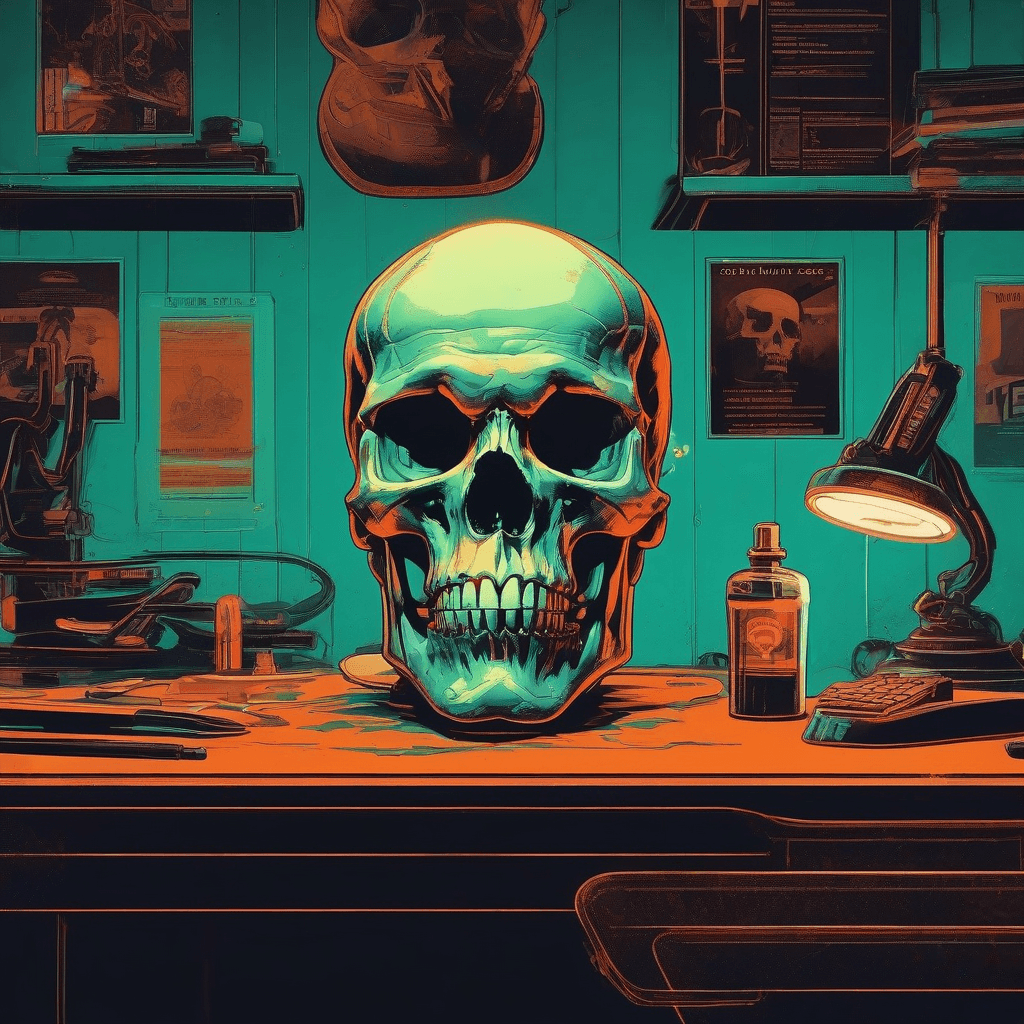
“A deep dive into the transgressive roots of early cinema, exploring how the forgotten misfits and genre-defying reels of the 1910s and 20s birthed the modern cult movie obsession.”
When we speak of cult cinema, the mind often drifts toward the neon-soaked midnight screenings of the 1970s or the grainy VHS aesthetics of the 1980s. However, the true heartbeat of the subversive, the strange, and the unloved was forged much earlier, in the flickering shadows of the silent era. The cult movie is not merely a film with a devoted following; it is a cinematic anomaly that refuses to conform to the sanitized narratives of the mainstream. To understand the modern obsession with the fringe, we must look back at the original rebels—the films of the 1910s and 1920s that dared to explore the darker, weirder, and more experimental corners of the human condition.
The Archetype of the Outcast: From Patches to the Slums
The foundation of cult devotion often rests upon the shoulders of the disenfranchised. In the 1917 film The Big Adventure, we are introduced to Patches, a kindhearted orphan of the slums who finds life unbearable under the cruel abuse of his stepfather. This narrative of the "misfit" who must navigate a hostile, unfeeling world is a primal theme in cult cinema. Whether it is a stowaway in a freight car or a child forced to steal, these characters resonate with audiences who feel like outsiders themselves. This sense of alienation is further echoed in Lost in Transit, where the literal displacement of an infant son creates a narrative of fractured identity—a recurring motif in the cult canon.

The Transgressive Soul of Early Melodrama
While mainstream cinema often sought to reinforce social norms, the early "proto-cult" films frequently poked at the cracks in the moral facade. Consider Whispering Devils (1920), where a puritanical minister’s obsession with public confession and morality reveals a deep-seated hypocrisy. This film doesn't just tell a story; it challenges the viewer’s perception of authority, a hallmark of the subversive spirit that would later define the works of directors like John Waters or David Lynch. Similarly, The Soul of Satan (1917) takes the audience into the ruthless world of professional gambling, presenting a gritty, unvarnished look at New York’s underworld that was far removed from the polite society dramas of the time.

Scientific Horrors and the Macabre Aesthetic
The cult of the macabre finds its roots in the early century’s fascination with medical science and the unknown. In Das Skelett (1916), we see the archetype of the obsessive physician, Professor Osiander, dissecting the skull of a woman who died an unnatural death. The imagery of the skull, the overtired doctor falling asleep over his morbid task, and the blending of reality with nightmare is pure cult fuel. It pre-codes the “mad scientist” trope that would dominate B-movies for decades. The visceral nature of these films, such as The Spreading Evil, which dealt with the then-taboo subject of syphilis research, pushed the boundaries of what was considered acceptable on screen, ensuring their place in the secret history of cinema.

Technological Anxiety and Genre Anarchy
Cult cinema has always been a home for "genre mutants"—films that refuse to stay within the lines. The Flying Torpedo (1916) is a prime example of early genre defiance. Part science fiction, part political thriller, it imagined a future (1921) where foreign alliances plot to attack the US with advanced weaponry. This kind of speculative fiction, combined with the low-budget ingenuity of early special effects, creates a unique aesthetic that cult fans find irresistible. It is the same spirit found in The Road Demon (1921), where the transition from a desert cowhand to a high-speed racer represents a collision of the old West and the industrial future. These films were the original experiments in narrative anarchy.
The Sacred and the Profane: Cult Rituals in Silent Reels
The ritualistic nature of cult fandom—gathering in the dark to worship the strange—is mirrored in the thematic content of the films themselves. The Painted Lie and Through Eyes of Men explore the morals of men and the voyeuristic nature of the circus and the artist’s studio. These films position the viewer as a witness to something forbidden or secret. In Luciella, the daughter of the streets of Naples becomes a symbol of passion and prostitution, blending poetry with the harsh realities of urban life. This juxtaposition of the beautiful and the base is a core component of the cult experience, where the audience finds transcendence in the “low” arts.
Lost Media and the Myth of the Forgotten
Nothing fuels a cult obsession quite like the idea of the "lost" masterpiece. The film Aphrodite serves as a haunting reminder of the fragility of cinematic history. With its reels reportedly turned into toothbrushes or lost to fire and water, it exists more as a myth than a movie. This “phantom archive” of films like San-Zurka-San or Après lui creates a vacuum that fandom rushes to fill with speculation and reverence. The cultist is, in many ways, a cinematic archaeologist, digging through the dust of history to find the renegade reels that the mainstream allowed to decay.
Genre Bending: From Westerns to Wall Street
The diversity of early cult-adjacent films is staggering. We see the birth of the “anti-hero” in The Aryan, where Steve Denton’s journey through the desert is fueled by vengeance and a money-belt of hard-earned gold. We see the absurdist comedy of The Dippy Dentist and The Close Shave, where slapstick reaches a level of surrealism that feels almost avant-garde. Even the financial thrillers of the era, like Behind the Mask or The Night of the Dub, play with identity and class in ways that subvert the expected “happily ever after.” In The Night of the Dub, a lowly clerk’s attempt to pass himself off as a big-shot broker provides a satirical look at the American Dream that feels surprisingly modern.
The Legacy of the Maverick Spirit
Why do we still talk about these films? Because they represent the first time cinema was used as a tool for personal and political rebellion. Whether it was the exploration of gender in As You Like It (where Rosalind’s disguise challenges the binary) or the social critique of The Man Who Woke Up (which pits the old South against the new industrial North), these films were never just entertainment. They were statements. They were the original “maverick” visions that paved the way for every independent filmmaker who ever picked up a camera to tell a story that the studios didn't want told.
The Midnight Mindset: A Century of Devotion
The enduring power of cult cinema lies in its ability to build community among the outliers. When we watch 3 Gold Coins or Dodging a Million, we aren't just watching relics; we are participating in a century-old tradition of celebrating the unconventional. These films, with their broken-down racers, their dippy dentists, and their whispering devils, are the DNA of the midnight movie. They are the genetic rebellion that ensures cinema will always have a place for the weird, the wild, and the wonderful. As long as there are stories like The Fruitful Vine or The Stainless Barrier that explore the complexities of human desire and societal constraints, the cult will continue to grow.
In conclusion, the history of cult cinema is not a straight line; it is a jagged, beautiful mess of forgotten reels and daring experiments. By looking back at the films of 1910-1925, we find the primal sparks of the fire that still burns in the hearts of cinephiles today. The Neon Reliquary is open, and within its walls, the misfits of the past are finally being recognized as the icons of the future. From the slums of The Big Adventure to the futuristic battlefields of The Flying Torpedo, the spirit of the cinematic renegade is alive and well, waiting for the next generation of seekers to discover its subversive soul.
Community
Comments
Log in to comment.
Loading comments…