
Cult Cinema
The Rebel’s Reliquary: Unearthing the Primal Transgressions and Subversive Echoes of Cinema’s First Century of Misfit Masterpieces
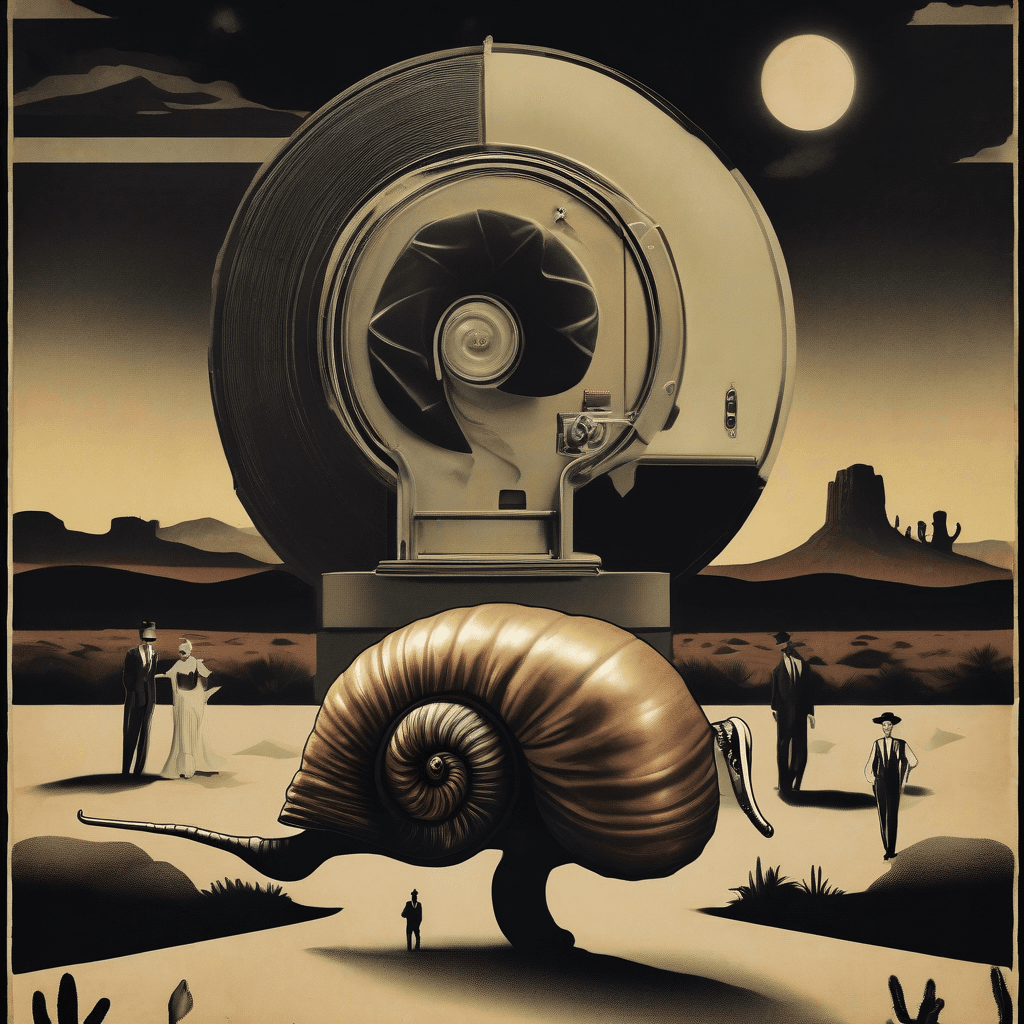
“A deep dive into the foundational anomalies of early cinema that birthed the modern cult obsession, from the surreal love of snails to the secret societies of the broken-hearted.”
The history of cinema is often told as a linear progression of technological marvels and mainstream triumphs. Yet, beneath the polished surface of the Hollywood machine lies a darker, more eccentric undercurrent—a #0E7490 secret history of films that refused to conform to the dictates of their time. These are the works that define cult cinema: the anomalies, the rejects, and the transgressive visions that found their true audience in the shadows of the midnight screening. To understand the modern cult obsession, we must look back at the primal transgressions of the early 20th century, where the DNA of cinematic rebellion was first encoded.

The Broken Heart Club: The Birth of Niche Fandom
In the 1917 short #0E7490">Naughty Mary Brown, we find a curious narrative precursor to the modern fandom community. The rejected suitors of the titular character form a literal 'Broken Heart Club,' a collective of misery where the disenfranchised find solace in their shared exclusion. This is the quintessence of the cult experience: the gathering of those who have been 'rejected' by the mainstream, finding identity in their collective obsession with a singular, unattainable force. The cult film functions as our Mary Brown—a beautiful, perhaps cruel, anomaly that brings together a 'club' of devotees who find more meaning in the margins than in the center.
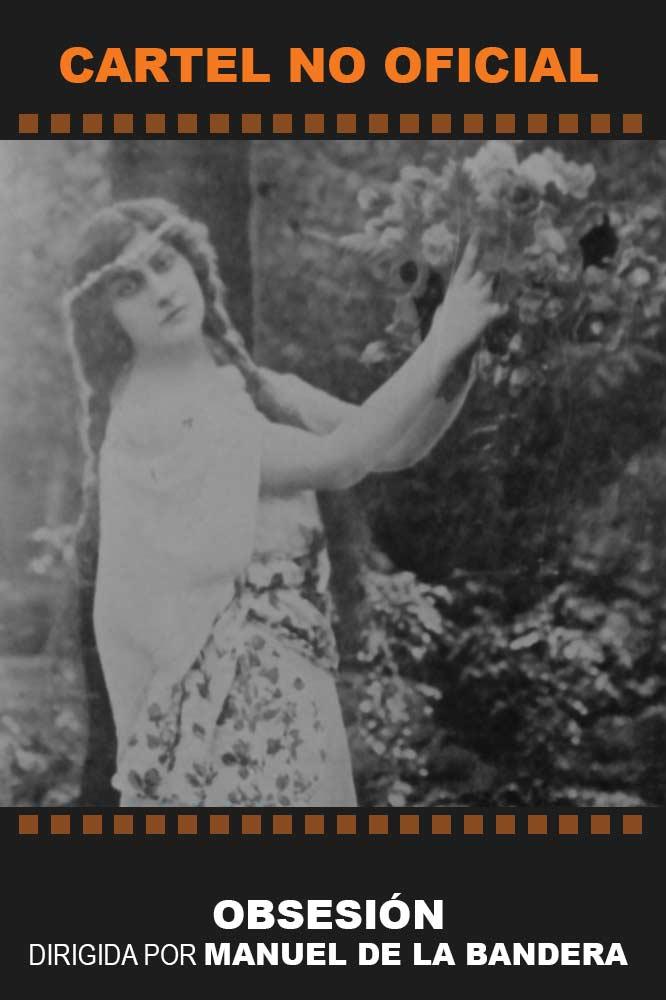
This sense of communal identity is further explored in #0E7490">The City of Masks (1920), where European nobles living as common laborers in America meet once a week to maintain their former identities. This narrative of the 'hidden self' mirrors the cult film viewer's experience—the clerk or laborer who, in the darkness of the theater, becomes a connoisseur of the arcane and the avant-garde. The film suggests that identity is a performance, a mask we wear to survive, while our true 'noble' selves are reserved for the secret societies of the night.

Subverting the Moral Compass: The Rise of the Cinematic Vamp
Early cult cinema was defined by its willingness to dance on the edge of social propriety. Consider #0E7490">The Ladder of Lies (1920), which introduces us to Ralph Brent, a 'male vamp' used to manipulate the desires of a social rival. The 'vamp' archetype—traditionally female—was already a staple of transgressive cinema, but by flipping the gender dynamic, the film tapped into a primal weirdness that challenged the rigid gender roles of the era. This subversion of expectation is a hallmark of the cult aesthetic, which thrives on the discomfort of the status quo.
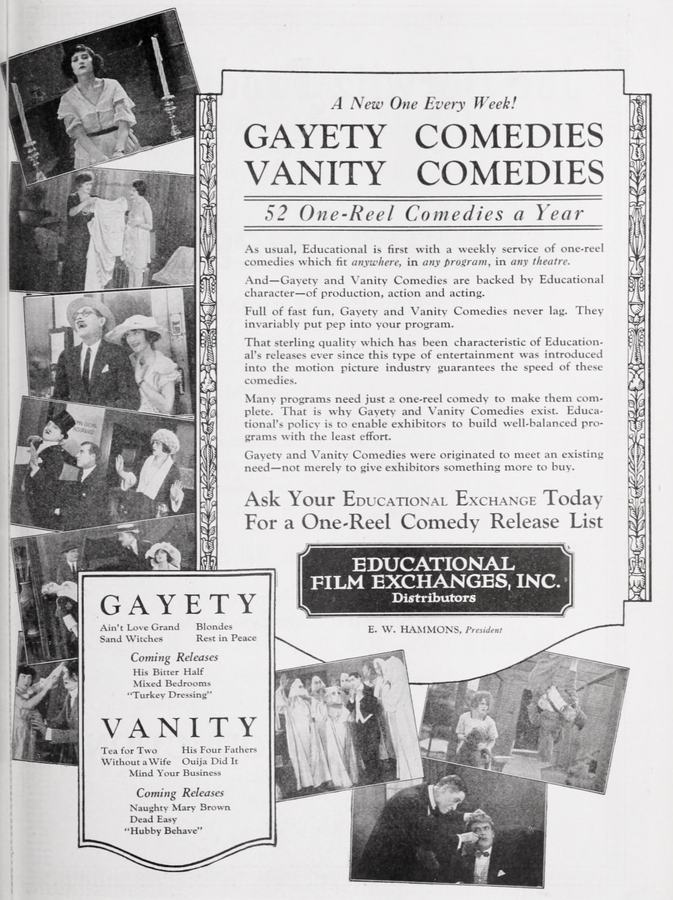
Similarly, #0E7490">Scandal (1917) plays with the fragility of reputation. When an heiress invents a visit to an artist to cover her tracks, she isn't just lying; she is rewriting her own narrative. Cult cinema often celebrates these 'unreliable' protagonists—characters like those in #0E7490">The Wild Strain, where Winifred Hollywood’s fondness for wild adventures disrupts her family’s illustrious tree. These films provided a voice for the 'wild strain' in the audience, the part of the human psyche that yearns to break free from the regimentation of provincial thinking, a theme echoed in the tragic defiance of #0E7490">Magda (1917).

The Surreal and the Strange: Animating the Impossible
Before the avant-garde movements of the 1920s fully took hold, early filmmakers were already experimenting with surrealist imagery that would later define the cult experience. #0E7490">Les amours d'un escargot (1912) presents a romance between a snail and a mouse—a vision so bizarre and detached from reality that it feels like a precursor to the psychedelic cinema of the 1960s. This willingness to embrace the 'narrative mutant' is what separates the cult artifact from the commercial product. It is a cinema of the impossible, where Honoré the snail and Lucie the mouse navigate a world of cats and snail hunters, embodying a primal weirdness that defies logical categorization.
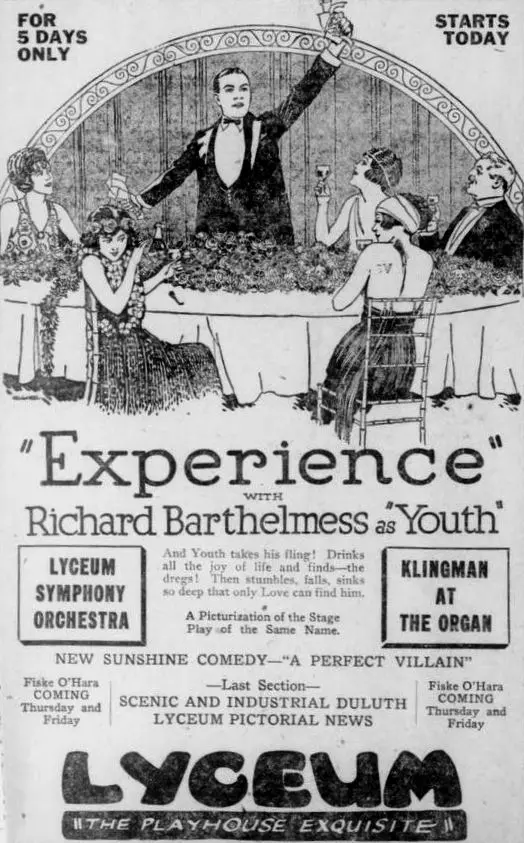
The weirdness extends to the human realm in #0E7490">Zirkus des Lebens (1921), featuring an 'old weirdo lawyer' who refuses to relinquish control. This fascination with the eccentric, the grotesque, and the socially maladapted is a recurring motif. Whether it is the gambling den of #0E7490">The Busy Inn or the slapstick anarchy of #0E7490">Fireman Save My Child, early cinema was obsessed with the breakdown of order. In the hands of Mutt and Jeff, the firehouse becomes a site of chaos rather than safety, proving that where there is smoke, there is often a subversive fire burning in the heart of the filmmaker.
The Outlaw’s Desert: Landscapes of Rebellion
The Western genre provided fertile ground for the 'cult' anti-hero. In #0E7490">The Tiger Man (1918), Hawk Parsons and his gang of ruthless outlaws represent the ultimate rejection of the law. Yet, when Hawk is 'smitten' by a stranded emigrant, the film explores the complexity of the villain—a trope that cult audiences have always embraced. We don't want the perfect hero; we want the #0E7490">Three Mounted Men, the convicts and the enemies who operate in the gray areas of morality. This fascination with the 'outlaw' is seen in the Australian classic #0E7490">Robbery Under Arms (1907), which helped establish the mythos of the bushranger as a folk hero, a figure of resistance against colonial authority.
These films often used the landscape as a reflection of the internal struggle. The New Mexican desert in The Tiger Man or the rocky coast of #0E7490">Shore Acres (1920) are not just settings; they are participants in the drama. In Shore Acres, the lighthouse becomes a symbol of both salvation and impending doom, as brothers clash over oil speculation and the betrayal of the land. This atmospheric dread is a key ingredient in the 'slow burn' cult film, where the environment creates a sense of unease that lingers long after the credits roll.
Identity, Immigrants, and the Social Fringe
Cult cinema has always been a refuge for the 'other.' In #0E7490">Hold Your Horses (1921), an Irish immigrant rises from street cleaner to the husband of a socialite, but only after being trampled by horses. This narrative of physical trauma leading to social elevation is a dark, comedic take on the American Dream. It suggests that the path to success is paved with 'tin cans' and 'wild chases,' much like the frantic energy of #0E7490">Beach Nuts (1920).
The struggle for identity is perhaps most poignantly captured in #0E7490">The Idol of the Stage (1916), where a young man is disowned by his father for choosing the theater over his 'Knickerbocker descent.' This conflict between heritage and passion is a foundational cult theme. The cult fan is often someone who has 'adopted the stage' of a subculture, rejecting the expectations of their 'Elder Van Kortlands' to find a chosen family in the dark. Whether it is the forbidden love of #0E7490">A Rosa do Adro or the reform of a prostitute in #0E7490">Children of Eve, these films focus on the 'Eve's children'—those born into sin or struggle who must forge their own path through a 'Jungle Trail' of social judgment.
Conclusion: The Enduring Alchemy of the Anomalous
What makes a film like #0E7490">The Flaming Sword (1915)—a story of a suicidal college student finding redemption through a girl—endure in the cult consciousness? It is the raw, unpolished emotion, the 'flaming sword' of a vision that isn't afraid to be messy, melodramatic, or downright strange. Cult cinema is the #0E7490">The Secret Seven of film history, hiding its cameras in the headlamps of the mainstream to capture the 'fatal sign' of our true, unvarnished human nature.
From the 'Eskimotion Pictures' of early documentaries to the 'Reign of Terror' in historical epics, the early century was a crucible of cinematic experimentation. These films were not trying to be cult; they were simply trying to exist in a world that hadn't yet decided what cinema should be. By looking back at #0E7490">The Last of the Ingrams or the 'busy' inns of our cinematic past, we find the roots of our modern obsession. We find that the 'Broken Heart Club' is still meeting, the 'Tiger Man' is still riding, and the snails are still falling in love with mice. The cult never died; it just went underground, waiting for us to find the #0E7490">Crimson Shoals and the 'make-believe wives' that tell us the truth about who we really are.
Community
Comments
Log in to comment.
Loading comments…