Cult Cinema
The Turquoise Taboo: Unearthing the Primal Transgressions and Visual Anarchy of Cinema’s Original Midnight Rebels
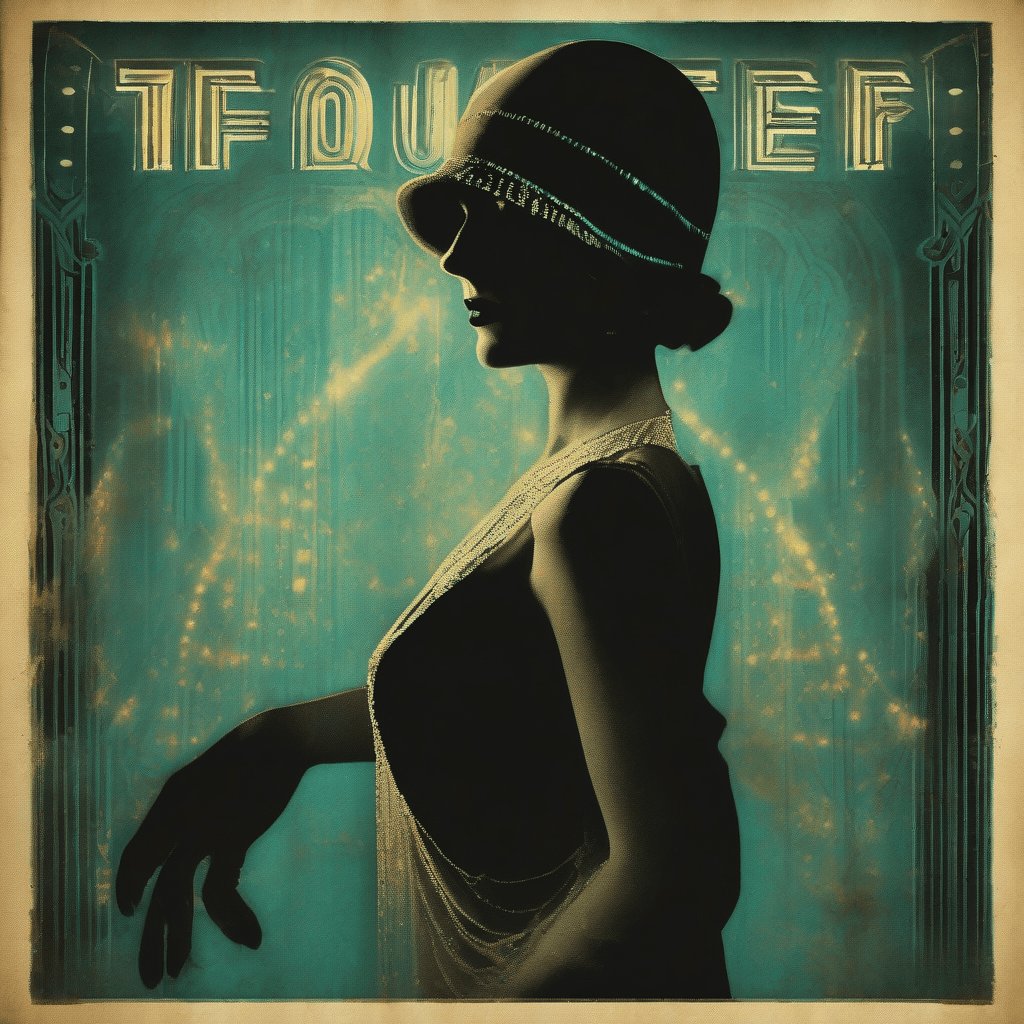
“Discover how the forgotten misfits and moral outlaws of the silent era engineered the modern cult cinema mindset long before the midnight movie was born.”
The history of cult cinema is often told as a mid-century phenomenon, a product of the 1970s counterculture and the rise of the midnight movie. However, as an expert film journalist, I have come to realize that the genetic code of the transgressive and the bizarre was written much earlier. To understand the cinematic fringe, one must look back to the 1910s and 1920s, an era where the medium was still defining its boundaries and, more importantly, learning how to break them. This was the era of the Turquoise Taboo—a period of primal anarchy where genre mutations and social deviants first took center stage.
The Architecture of the Original Outlier
Long before the term "cult" was applied to film, audiences were already gravitating toward works that challenged the status quo. These were the celluloid rejects that refused to fit into the burgeoning Hollywood machine. Take, for instance, the 1921 adaptation of Camille. While ostensibly a romance, its depiction of a courtesan’s sacrifice against a status-conscious society echoes the themes of marginalization that define modern cult classics. It is in this friction between social expectation and individual desire that the cult gaze is born.
In the silent era, the "misfit" wasn't just a character type; it was a structural necessity. Films like Little Miss Rebellion (1920) showcased a Grand Duchess who secretly hoped for her own country's revolution. This subversive spirit—the desire to see the established order overturned—is a hallmark of the midnight movie mindset. These early works were not merely entertainment; they were blueprints for a century of rebellion.
Genre Anarchy and the Birth of the Bizarre
The fluidity of early cinema allowed for a level of genre anarchy that modern audiences might find startling. In the short film Felix at the Fair, we see the early roots of surrealist animation. A cat falling for a dancing star performer while being hunted by a snakecharmer isn't just a comedy; it's a descent into the absurd. This willingness to embrace the strange paved the way for the high-concept weirdness we now associate with the underground fringe.
The Comedic Grotesque
Comedy in the 1910s was often visceral and transgressive. Tillie Wakes Up (1917) and Meet the Wife (1917) utilized the "comedy of errors" to explore themes of neglect, phony identities, and social escape. In Meet the Wife, the protagonist’s attempt to secure a wealthy dowry ends in a discovery of fraud and an escape from an asylum. This brand of black comedy—where the stakes are high and the outcomes are cynical—is the direct ancestor of the transgressive humor found in the works of John Waters or the Coen Brothers.
Similarly, O Villar eis ta gynaikeia loutra tou Falirou (1920) from Greece showed that the appetite for the observational and the ribald was universal. These films functioned as a release valve for a society constrained by Victorian-era moralities, creating a space for the visual anarchy that would eventually define the cult aesthetic.
Espionage, War, and the Shadow of the Outsider
The 1910s were defined by global conflict, and the cinema of the time reflected a deep-seated anxiety about identity and loyalty. Shell 43 (1916) presents a protagonist who is an American war correspondent but actually a British spy working within the German military. This narrative of the "man with two faces" is a foundational element of the cult thriller. The tension of living a lie, of being an outsider in a hostile environment, resonates with the "us vs. them" mentality that often fuels fanatical fandoms.
Even more striking is The Cross Bearer (1918), where a Cardinal protects his church from German invaders. While it functions as wartime propaganda, its focus on the desecration of the sacred and the endurance of the marginalized spirit provides a template for the cinematic rebellion. It frames the struggle for identity as a holy war, a sentiment often mirrored in the way cult fans defend their favorite "sacred" texts against mainstream dismissal.
The Domestic Transgression: Melodrama as Rebellion
We often think of melodrama as a conventional genre, but in the hands of early fringe rebels, it became a tool for social critique. The Mill on the Floss (1915) and Panthea (1917) explored the crushing weight of societal expectations on women. In Panthea, a woman sacrifices everything for her husband’s career, only to find the cost of redemption too high. This exploration of moral deviance—not out of malice, but out of necessity—is what gives cult cinema its emotional core.
The Haunted Domesticity
Films like The Spreading Dawn (1917) used a diary format to reveal the dark secrets of the past, preventing a young woman from marrying a soldier. This "haunted" approach to domestic life suggests that the truth is always hidden beneath the surface, a recurring theme in the midnight movie tradition. Whether it is a haunted estate in Midnatssjælen or the suspicious guardians in Her Official Fathers, the silent era was obsessed with the idea that the people closest to us are often the most dangerous.
This sense of unease is perfectly captured in Gricka vjestica (1920), where a young countess fights against accusations of witchcraft. The film uses the supernatural as a metaphor for social persecution, a tactic that would be perfected decades later in the folk horror subgenre. The "witch" is the ultimate cult icon: the powerful woman who refuses to be tamed by the patriarchal judge.
Radical Truths: The Newsreel as Cult Object
Perhaps the most surprising root of the cult aesthetic is the early documentary and newsreel. Dziga Vertov’s Kino-pravda no. 1 (1922) was not just a report on Russian life; it was a manifesto for a new way of seeing. By documenting the mundane and the industrial with a radical, rhythmic eye, Vertov created a kinetic heresy. He proved that the camera could be a weapon, a tool for deconstructing reality itself.
This radical approach to the "real" can also be seen in Mexico Today (1918) and Madero al sur del país. These films provided a glimpse into worlds that were foreign and often misunderstood by Western audiences. For the early 20th-century viewer, these were the original "mondo" films—windows into a reality that felt both visceral and dangerously authentic. They satisfied a hunger for the unseen and the unconventional, a hunger that still drives the search for obscure media today.
The Legacy of the Silent Misfit
When we watch a modern cult classic, we are seeing the echoes of Elmo the Fearless or The Big Town Round-Up. We are seeing the DNA of the cinematic outcast. The silent era was not a period of primitive simplicity; it was a laboratory of genre mutations. In The Breaker (1916), a detective and a counterfeiter engage in a high-stakes swap of identities and suitcases, a trope that would become a staple of the noir and heist genres.
The reason these films endure, even if only in the archives of the underground, is that they tap into the primal urge to see the world differently. They remind us that cinema began as a fairground attraction, a place for the weird, the wild, and the wonderful. The Turquoise Taboo was the first time we realized that the screen could be a mirror for our most deviant desires and our most radical hopes.
Conclusion: The Perpetual Devotion
Cult cinema is not defined by its budget or its box office, but by the intensity of the connection it fosters. That connection was first forged in the flickering light of the silent screen. Whether it was through the rambunctious spirit of Peggy (1916) or the tragic romance of L'Arlésienne (1922), early filmmakers were already mastering the art of the niche obsession. They understood that the most powerful stories are often the ones that exist on the edge of the frame.
As we continue to unearth these forgotten reels, we find that the history of film is much stranger and more subversive than the textbooks suggest. The midnight mind has always been with us, lurking in the shadows of the silent era, waiting for the lights to go down so the real show can begin. We are all pilgrims in this unseen territory, following the trail of the celluloid outlaw into the heart of the cinematic soul.
Community
Comments
Log in to comment.
Loading comments…