
Cult Cinema
The Celluloid Sacrament: Decoding Cult Cinema's Enduring Allure and Sacred Subversions
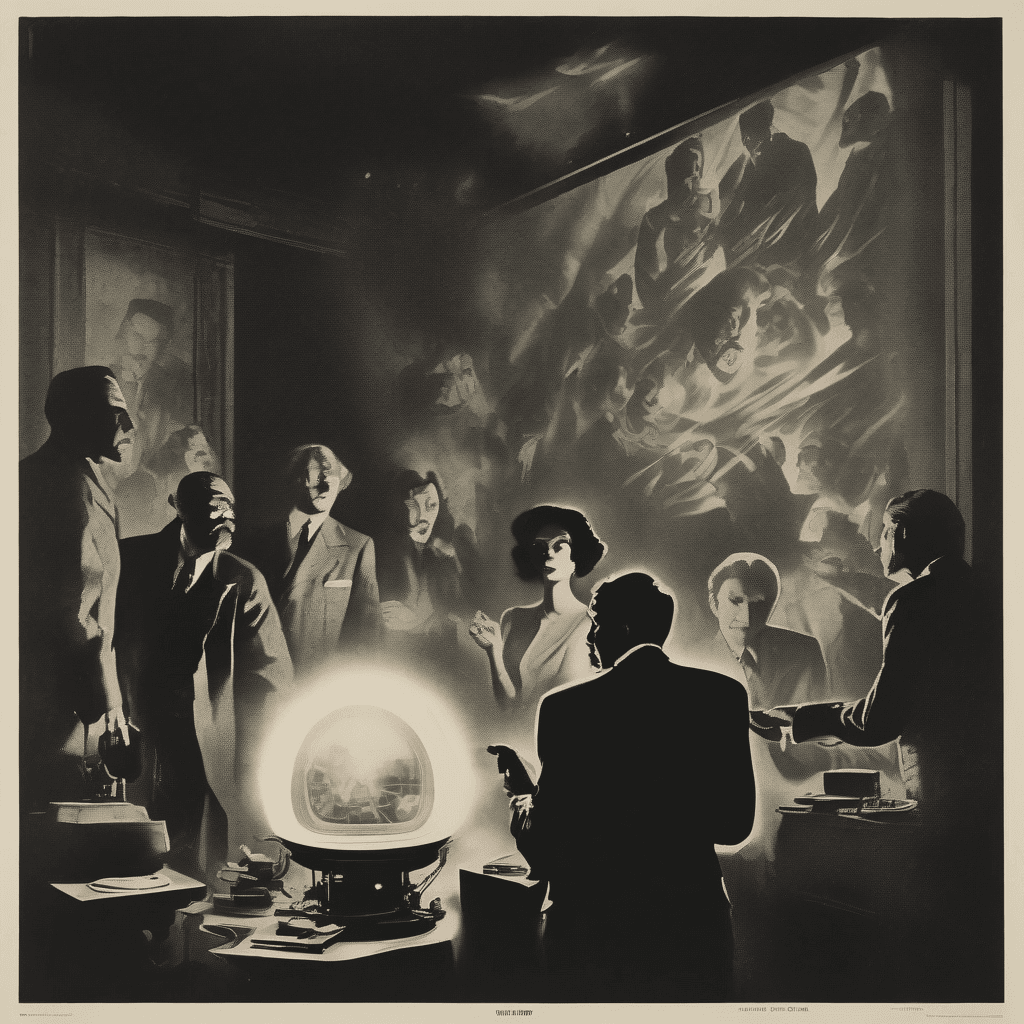
“Cult cinema transcends mere entertainment, offering a sacred space for films that defy convention, challenge norms, and forge unbreakable bonds with devoted audiences. This deep dive explores the magnetic pull of these cinematic anomalies, from their earliest subversive whispers to their vibrant mod…”
In the vast, ever-expanding universe of film, there exists a peculiar, often enigmatic constellation known as cult cinema. These aren't just movies; they are experiences, rituals, and sometimes, even spiritual journeys for their adherents. Far from the mainstream's fleeting glare, cult films carve out their own sacred spaces, drawing in audiences who seek something more profound, more challenging, or simply, more bizarre than what conventional Hollywood offers. From the silent era's hidden gems to modern-day midnight marvels, the allure of cult cinema lies in its inherent rebellion, its capacity for transgression, and its unique ability to foster fervent, almost tribal, communities.
What defines a cult film? It's often not box office success, critical acclaim, or even widespread recognition. Instead, it's a potent cocktail of unconventional narratives, distinctive aesthetics, and a magnetic pull that transforms casual viewers into passionate disciples. These films often speak to a specific, perhaps marginalized, sensibility, finding their true audience through word-of-mouth, repeated viewings, and a shared understanding of their intrinsic weirdness or profound depth. They are the cinematic outliers, the misunderstood masterpieces, and the glorious failures that, against all odds, refuse to fade into obscurity.
The Maverick's Manifesto: Early Seeds of Subversion
To truly understand the enduring legacy of cult cinema, one must look back to its nascent stages, long before the term 'midnight movie' was coined. Even in the dawn of film, a nascent spirit of cinematic rebellion was taking root. The early 20th century, particularly the silent era, produced a myriad of films that, while perhaps not consciously aiming for cult status, possessed the inherent qualities that would later define the genre: narrative daring, moral ambiguity, and a willingness to explore the darker, more complex facets of the human condition.
Consider the melodramas and social commentaries of the 1910s and 20s. Films tackling themes of betrayal, suicide, and societal disgrace, like the fictional 'Love's Penalty' or 'Kreutzer Sonata', presented narratives that were often shocking for their time. These weren't always comfortable viewing; they delved into illicit affairs, desperate acts, and the harsh realities of a rapidly changing world. While many were mainstream productions, their willingness to confront difficult subjects laid a foundational blueprint for future transgressive cinema. Even crime dramas like 'Miss 139' or intricate revenge plots such as 'Il fiacre n. 13' showcased characters operating outside conventional morality, offering audiences a glimpse into a world of moral shades of grey.
Beyond explicit transgression, the early cinema also fostered cult appeal through sheer uniqueness and stylistic audacity. Historical epics such as 'Giuliano l'apostata', a biopic of the 'Pagan' Roman emperor, or propagandistic pieces like 'Tovarishch Abram', became cultural artifacts, appreciated not just for their narrative but for their historical context, visual style, or unintentional curiosities. The experimental nature of early filmmaking, where genres were still fluid and conventions unwritten, meant that many films were inherently 'different' – some to their detriment, others to their eventual cult adoration. Animated shorts like 'The Stork's Mistake' or 'How Animated Cartoons Are Made' weren't just entertainment; they were windows into emerging art forms, appreciated by niche audiences for their novelty and ingenuity.
Many of these early films, now considered forgotten masterpieces or obscure curios, found renewed life decades later. Their rediscovery by film historians, archivists, and dedicated cinephiles speaks to the enduring power of unique vision. A film like 'Snow White' (1916), for example, might be seen today not just as an adaptation, but as a fascinating historical artifact, offering a different artistic interpretation that diverges from later, more famous versions. This process of unearthing and re-evaluating allows these early works to transcend their original context and become proto-cult objects, admired for their historical significance, stylistic quirks, or simply for being a rare glimpse into a bygone cinematic era.
Beyond the Frame: Genre Alchemy and Narrative Dissent
What truly sets cult cinema apart is its audacious disregard for conventional genre boundaries and narrative expectations. While mainstream films often adhere to rigid formulas, cult films delight in breaking them, blending disparate elements into something entirely new and often unsettling. This genre alchemy is a hallmark of the cult experience, creating works that defy easy categorization and challenge viewers to rethink their preconceptions of what cinema can be.
Consider films that might seem straightforward on the surface but possess a subtle, unsettling undercurrent. A western like 'Prairie Trails' or an adventure film like 'God's Gold' might, for their original audiences, have been pure genre fare. Yet, through the lens of time, their unique stylistic choices, eccentric performances, or even their sheer earnestness can transform them into objects of fascination for modern cult audiences. The melodrama 'Fruits of Passion' or the social drama 'The Uplifters' could be re-evaluated for their portrayal of societal anxieties, becoming more than just period pieces, but reflections on timeless human struggles rendered with a distinct, perhaps unintentionally quirky, artistic sensibility.
Then there are the films that revel in their own narrative dissent, actively pushing against societal norms or challenging audience comfort. Whether it's the dark psychological twists of a film like 'The Fighting Chance' or the comedic absurdity of a short like 'Seeing America Thirst' or 'Any Old Port', these films often present a worldview that is off-kilter, cynical, or simply too strange for mass consumption. They might feature anti-heroes, ambiguous endings, or themes that were considered taboo, contributing to their initial marginalization but cementing their future cult status. The very act of being 'too much' or 'too different' for their time becomes their enduring strength.
The power of re-contextualization is also vital. A film that was once a commercial flop or critically panned can be re-evaluated years later, its perceived flaws transformed into unique strengths. What was once seen as bad acting might now be celebrated as bold performance art; a confusing plot, a daring narrative experiment. This re-appraisal is often driven by a dedicated fan base, who find beauty and meaning in what others have dismissed. Films like 'Too Much Johnson', a silent comedy whose original print was almost entirely lost, embody this idea of a fragile, rediscovered legacy, where its very existence and historical context add to its cult mystique.
The Congregation of the Curious: Fandom and Re-Evaluation
The true heart of cult cinema beats within its audience. Unlike mainstream blockbusters that seek universal appeal, cult films thrive on a fervent, often intimate, connection with a dedicated fanatical fandom. These communities are not merely passive consumers; they are active participants, interpreters, and evangelists for their chosen cinematic sacraments. The journey of a cult film from obscurity to beloved status is inextricably linked to the passion and persistence of its devotees.
The ritualistic aspect of cult film viewing is legendary. While the classic 'midnight movie' screening, replete with audience participation and callbacks, is a quintessential example, the phenomenon extends far beyond. It encompasses repeated viewings, often alone or in small, like-minded groups, where every frame is scrutinized, every line memorized, and every subtle nuance discussed. This intense engagement transforms the film from a mere piece of entertainment into a shared experience, a collective mythology that binds its followers together. Whether it's dissecting the moral dilemmas of 'The Corner' or pondering the fantastical elements of 'The Great Reward', the communal act of interpretation strengthens the film's hold.
For many, cult films offer a sense of belonging, a refuge from the bland uniformity of mainstream culture. They speak to those who feel like outsiders, providing a mirror to their own unconventional tastes and sensibilities. The discovery of a cult film often feels like unearthing a hidden treasure, a secret shared among a select few. This exclusivity fosters a strong sense of community, where discussions, online forums, and fan gatherings become extensions of the cinematic experience itself. Even seemingly simple films from the past, like 'First Love' or 'Rouge and Riches', if they possess a unique charm or an unexpected twist, can find a modern audience eager to champion their particular brand of storytelling.
The re-evaluation of films over time is a crucial element here. A movie initially dismissed as 'bad' or 'weird' might be embraced years later for those very qualities. What was once perceived as technical incompetence might be celebrated as raw, unfiltered artistry. What was once a confusing narrative might be lauded as a bold, avant-garde experiment. This shift in perception is often initiated and sustained by the cult audience, who possess a unique critical lens, valuing authenticity and originality over polished perfection. They are the guardians of the cinematic fringe, ensuring that these maverick narratives continue to resonate across generations.
Enduring Echoes: The Timeless Allure of the Fringe
The enduring allure of cult cinema lies in its capacity to transcend its era and maintain a potent relevance, sometimes for reasons entirely unforeseen by its creators. These films, often born from the fringes of popular culture, possess a timeless quality that allows them to speak to new generations, finding fresh interpretations and renewed appreciation. It's a testament to the power of unique vision and the fundamental human desire for narratives that challenge, provoke, and inspire.
Many cult films resonate because they tap into universal themes, albeit through an unconventional lens. Whether it's the exploration of identity, the struggle against authority, the search for meaning in a chaotic world, or the darker aspects of human nature, these narratives often hit harder precisely because they refuse to sugarcoat or simplify. Films dealing with complex moral choices, akin to the fictional 'The Hun Within' or 'For Better, for Worse', continue to provoke thought long after their initial release. Their raw emotionality or challenging philosophical underpinnings become the bedrock of their lasting appeal.
Furthermore, the distinct aesthetic of a cult film often plays a significant role in its longevity. Directors who dared to experiment with visual styles, narrative structures, or performance techniques, even in the early days of cinema, created works that stood out. Whether it's the stark realism of a social drama or the fantastical elements of an adventure story, a unique cinematic language ensures that a film remains visually and intellectually stimulating. The very 'weirdness' or 'anachronism' that might have hindered its initial success becomes its defining characteristic, drawing in those who seek artistic originality above all else.
The cycle of discovery and rediscovery is crucial for cult cinema's survival. Films that were once lost or considered insignificant are brought back into the light, often thanks to diligent preservation efforts and the tireless work of dedicated fans. A film like 'Sherlock Holmes' (1916), for instance, might be cherished not just for its historical adaptation of a beloved character, but for its unique place in the evolution of detective cinema, becoming a cultural artifact that offers insights into early storytelling techniques. This ongoing dialogue between past and present ensures that the canon of cult cinema is always evolving, always welcoming new (and old) additions.
The Future of the Fringe: Cult Cinema's Unending Evolution
As the cinematic landscape continues to shift, so too does the nature of cult cinema. In an era of streaming services and infinite content, the challenge of standing out and building a dedicated following is different, yet the core principles remain the same: originality, audacity, and a willingness to defy expectations. The spirit of the cinematic outlier persists, finding new forms and new platforms to connect with its discerning audience.
The diverse range of films, even those from the silent era, that can inspire cult devotion speaks volumes about the expansive nature of the category. From romantic comedies like 'Conrad in Quest of His Youth' to dramas exploring complex human relationships like 'For Love or Money', or even shorts that offered simple, yet charming, entertainment such as 'All Is Fair', any film with a unique voice or an unexpected spark can potentially become a cult favorite. It's not about the genre, but the distinctive heartbeat within the film itself.
The digital age has democratized access to obscure films, allowing previously inaccessible works to find new life and new audiences across the globe. This means that films that might have once been confined to rare archival screenings or whispered about in hushed tones can now be discovered and championed by anyone with an internet connection. This accessibility ensures that the legacy of transgression and unconventional storytelling continues to grow, with new generations discovering the power of the fringe.
Ultimately, cult cinema is more than a niche; it's a vital, dynamic force within the broader film world. It reminds us that cinema is an art form capable of endless reinvention, a medium that can challenge, comfort, and confound in equal measure. It celebrates the brave filmmakers who dared to be different and the passionate audiences who recognized their genius, even when the rest of the world looked away. The celluloid sacrament continues, offering a sacred space for films that refuse to be forgotten, and for the communities who find their cinematic soulmates within their unconventional frames.
Community
Comments
Log in to comment.
Loading comments…