
Cult Cinema
The Unorthodoxy Unveiled: Decoding Cult Cinema's Enduring Magnetism and Maverick Soul
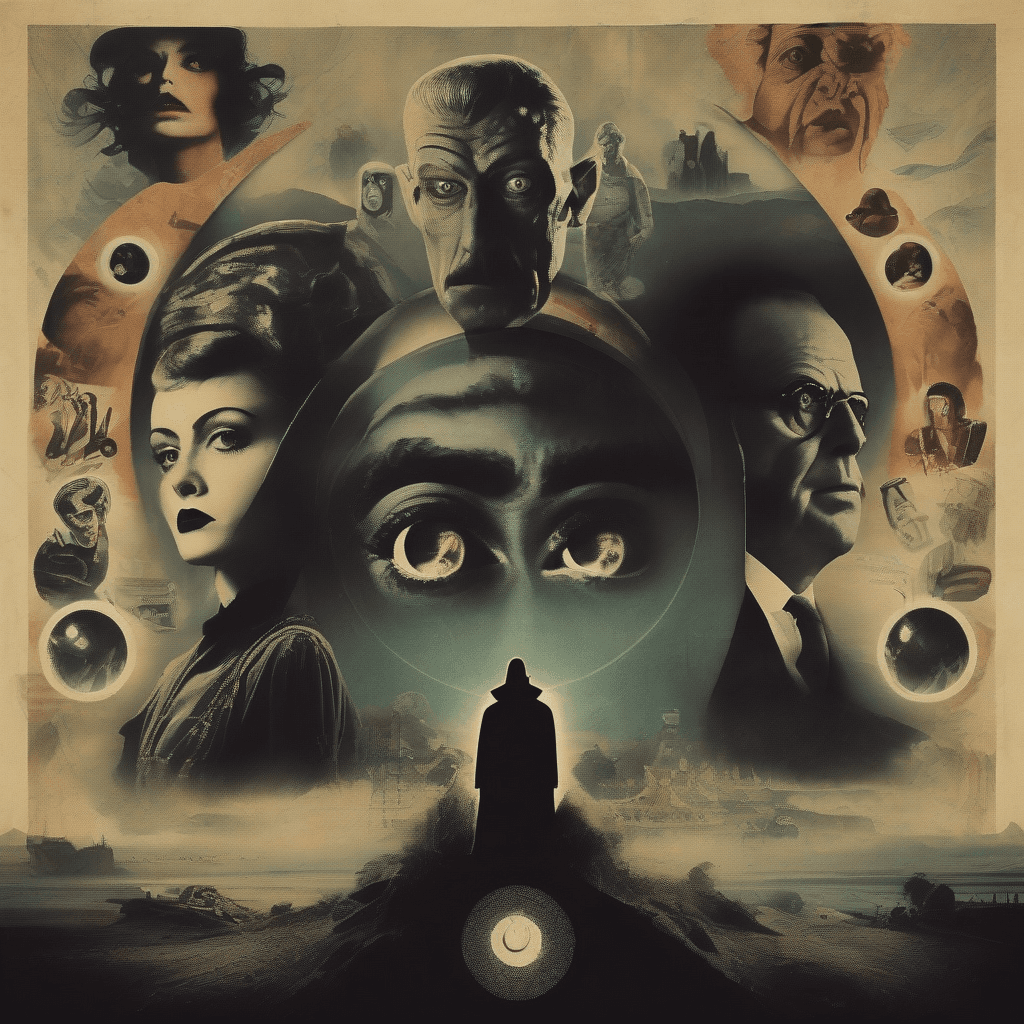
“A journey through the rebellious heart of cult cinema, exploring how unconventional narratives and daring visions, from the silent era's forgotten gems to modern midnight masterpieces, forge an unbreakable bond with devoted audiences.”
In the vast, ever-expanding galaxy of cinematic art, certain films orbit far from the mainstream, drawing in dedicated followers with an almost gravitational pull. These are the cult films, cinematic anomalies that defy easy categorization, often rejected by critics or overlooked by mass audiences upon their initial release, only to be embraced and elevated to legendary status by a fervent few. What is it about these unconventional narratives, peculiar aesthetics, and often transgressive themes that fosters such profound devotion? The answer lies in a complex interplay of rebellion, identification, and the sheer audacity of artistic vision, a phenomenon whose roots stretch back to the very dawn of cinema.
Cult cinema is more than just a genre; it's a state of being for a film, a relationship forged between a movie and its audience. It thrives on shared secrets, repeated viewings, and a collective understanding that transcends mere entertainment. From the bizarre midnight screenings of the 1970s to the curated online communities of today, the cult film experience is an immersive pilgrimage into the unconventional. But to truly understand its enduring magnetism, we must look beyond the familiar modern touchstones and delve into the earliest stirrings of cinematic unorthodoxy, where the seeds of cult fandom were first sown.
The Genesis of Gaze: Early Cinema's Maverick Seeds
Long before the term 'cult film' entered the critical lexicon, the nascent art form of cinema was already producing works that, by their very nature, stood apart. The early 20th century, a period of explosive innovation and experimentation, saw filmmakers grappling with the boundaries of narrative, visual language, and societal expectation. While most films aimed for broad appeal, some, intentionally or not, carved out a distinct niche, laying the groundwork for what would become the cult phenomenon. These were the cinematic trailblazers, the daring storytellers who, perhaps unknowingly, began to cultivate a different kind of audience.
Consider the era of silent films, a time when the novelty of moving pictures alone was a powerful draw. Yet, even then, certain productions pushed envelopes. Melodramas like Luring Lips or The Song of the Soul delved into themes of moral ambiguity, betrayal, and societal judgment with a raw emotional intensity that might have been too much for some, yet profoundly resonant for others. These films, often exploring forbidden desires or scandalous situations, tapped into a collective fascination with the transgressive, a hallmark of future cult classics.
Defying Norms in the Flicker Era
The early cinematic landscape was ripe for defiance. With no established rules, every film was, in a sense, an experiment. Directors were free to explore narratives that veered away from conventional morality or challenged prevailing social structures. The Girl Who Dared, for instance, with its premise of a female sheriff in a Western town, would have been a bold statement, subverting gender roles long before it became common. Similarly, the gritty realism suggested by a title like The Grey Automobile, likely a crime drama set in 1915 Mexico City, would have offered a stark contrast to more sanitized fare, attracting those who craved a darker, more complex view of the world.
Early genre films, particularly serials, also fostered intense, dedicated viewership. The Spiders - Episode 2: The Diamond Ship, part of a German adventure serial, would have cultivated a loyal following eager to return week after week for the next installment. This episodic engagement, driven by cliffhangers and fantastical plots, mirrors the sustained attention modern cult films receive, albeit in a different format. The commitment to follow a story, to unravel its mysteries, to root for its heroes and villains – this was the primordial soup of cult fandom.
Even early comedies, like His Wife Jimmy or Just a Minute!, could develop a cult appeal through their unique brand of humor or their stars' distinctive personas. The repetitive viewing of slapstick, the memorization of gags, and the shared laughter among an appreciative audience laid the sociological groundwork for the ritualistic enjoyment that defines cult cinema today. The sheer volume of diverse content, from action-adventure in Up and Going to social commentary in John Barleycorn, meant that there was always something for every sensibility, including those on the fringes.
Beyond the Marquee: The Rise of Niche Devotion
The true spirit of cult cinema often blossoms in the shadows of commercial failure or critical indifference. Many films that now enjoy cult status were initially misunderstood, ahead of their time, or simply too strange for mass consumption. Their journey from obscurity to icon status is a testament to the power of niche audiences and the enduring human desire to find meaning in the unconventional. This phenomenon truly crystallized with the advent of the 'midnight movie' circuit, but its underlying principles were evident much earlier.
Films like The Failure, a drama about a theatrical manager exploiting young girls, or Behind the Mask, a revenge tale, might have been deemed too dark or morally complex for general audiences. Yet, it is precisely this challenging content that often attracts a devoted following. These films, by refusing to offer easy answers or palatable resolutions, invite deeper engagement and discussion, fostering a sense of intellectual and emotional investment that transcends casual viewing. The controversy or discomfort they provoked could, paradoxically, be a magnet for those seeking something more profound or provocative.
The Art of the Re-watch and Shared Experience
A defining characteristic of cult cinema is the ritual of repeated viewing. It’s not enough to see a cult film once; its layers demand peeling back, its nuances savored, its idiosyncrasies celebrated. This communal re-watching, whether in a darkened theater or a living room full of friends, transforms a solitary experience into a shared ceremony. Imagine early audiences returning to witness the spectacular action of An Arabian Knight or the intricate mystery of The Master Mystery, not just for the plot, but for the sheer spectacle or the unique characterizations.
The shared experience builds a community. Fans of films like Lola Montez, with its potentially scandalous portrayal of a dancer, or The Wall Flower, a romance about an underdog, would find common ground in their appreciation for these specific narratives and characters. They become insiders, privy to a particular cinematic language that outsiders might not grasp. This sense of belonging, of being part of an exclusive club, is a powerful driver of cult fandom, turning films into badges of identity and shared cultural touchstones.
The very obscurity of some early films, like I morti ritornano (The Dead Return) or Die große Wette (The Big Bet), might have inadvertently contributed to their cult potential. Films that were difficult to see, perhaps only playing in select venues or having limited distribution, would automatically gain an aura of exclusivity. Those who managed to see them became curators of a hidden cinematic treasure, their shared experience made more potent by its rarity. This 'underground' appeal, whether by design or accident, is a crucial ingredient in the cult recipe, fostering a sense of discovery and ownership among its devotees.
The Anatomy of Allure: What Makes a Cult Film?
While there's no single formula, cult films often share a set of common characteristics that contribute to their magnetic appeal. These elements distinguish them from mainstream blockbusters, inviting a deeper, more personal connection with audiences who seek something beyond the conventional. At their core, cult films are often about identity, rebellion, and a profound sense of 'otherness'.
Aesthetic uniqueness is paramount. Cult films often possess a distinctive visual style, a particular tone, or an unconventional narrative structure that sets them apart. Whether it's the surreal imagery, the deliberate camp, or a singular directorial vision, these films offer a sensory experience unlike any other. Think of the early genre-bending efforts like The Master Mystery, featuring a robot, or the exotic adventure of Aladdin from Broadway. Such unique elements, even in rudimentary forms, captivated audiences seeking novelty and spectacle.
Narrative Subversion and Visual Dissent
Cult films frequently challenge narrative conventions, opting for non-linear storytelling, ambiguous endings, or plots that defy easy categorization. They often feature anti-heroes or deeply flawed protagonists with whom audiences can identify, not despite their imperfections, but because of them. Films like The Man Who Could Not Lose, about a writer facing a deadline, or The Habit of Happiness, about a family outcast, might have resonated due to their relatable struggles and unconventional paths to resolution. These narratives offer a mirror to those who feel marginalized or misunderstood in their own lives.
Visual dissent also plays a significant role. Directors of cult films often employ stylistic choices that break from the norm, whether through experimental cinematography, jarring editing, or a deliberately artificial aesthetic. Even in the silent era, films like Die Hexe (The Witch) or The Fatal Night (historical drama) likely utilized visual flair and dramatic intensity that pushed boundaries for their time, creating an unforgettable, perhaps unsettling, experience. This visual rebellion is a key component in attracting audiences who appreciate artistic audacity.
Embracing the Outré: From Melodrama to Midnight
Transgressive themes are a powerful draw. Cult films often explore subjects considered taboo, controversial, or simply too dark for mainstream tastes. They delve into the depths of human psychology, societal hypocrisy, or forbidden desires with an unflinching gaze. John Barleycorn, a tale about a boy's relationship with alcohol, would have tackled a serious social issue, perhaps with a frankness that was uncommon for its era. Similarly, the dramatic tensions in Don't Neglect Your Wife or The Pretenders, exploring marital strife and mistaken identities, offered complex emotional landscapes that invited strong reactions.
This embrace of the outré, the bizarre, and the subversive creates a space where audiences can confront uncomfortable truths or revel in fantastical escapism. Whether it's the peculiar humor of Pay Your Dues or the dramatic intensity of The City of Failing Light, these films offer an alternative to the sanitized realities often presented by mainstream cinema. They validate the experiences of those who feel different, providing a sense of shared understanding and a collective rejection of the ordinary. The films, in their very existence, become a form of protest, a cinematic declaration of independence from the mundane.
The Enduring Echo: Cult Cinema's Cultural Impact
The influence of cult cinema extends far beyond its devoted fan base, permeating popular culture, inspiring new generations of filmmakers, and shaping our understanding of what cinema can be. These films, once relegated to the fringes, often become cultural touchstones, their images, dialogue, and themes echoing through subsequent works and everyday conversations. They prove that artistic merit is not solely determined by box office success or initial critical acclaim.
Cult films provide a vital counter-narrative to the dominant cinematic discourse. They offer alternative perspectives, challenge established norms, and celebrate the weird and wonderful. For example, the early Westerns like The Narrow Trail or Cyclone Bliss, if they offered unique takes on the genre's tropes, could have inspired future filmmakers to experiment further. The innovative storytelling in a mystery like The Master Mystery, with its proto-sci-fi elements, undoubtedly left an impression on those who saw it, hinting at the vast possibilities of cinematic narrative.
Moreover, cult films often serve as a rite of passage for cinephiles, introducing them to the vast and varied landscape of film history beyond the multiplex. Discovering a cult film, especially an obscure early work like God's Half Acre or The Heart of Jennifer, feels like unearthing a hidden treasure, a personal revelation that deepens one's appreciation for the art form. This sense of discovery fuels the ongoing search for the next hidden gem, perpetuating the cycle of cult creation and appreciation.
The characters and situations within cult films often become iconic, transcending the films themselves. From the rebellious spirit implied in titles like The Girl Who Dared to the dramatic intensity of La Broyeuse de Coeur (The Heartbreaker), these narratives create memorable figures and scenarios that resonate deeply. They offer archetypes for defiance, vulnerability, and transformation, speaking to universal human experiences through an unconventional lens. This resonance allows cult films to maintain their relevance across generations, continually finding new audiences who connect with their timeless themes of individuality and non-conformity.
Conclusion: The Unyielding Power of the Unconventional
Cult cinema, in its myriad forms and across different eras, represents the rebellious soul of filmmaking. It is a testament to the idea that true artistic impact isn't always measured by immediate commercial success but by its ability to forge deep, lasting connections with an audience willing to look beyond the surface. From the silent era's adventurous serials like The Spiders - Episode 2: The Diamond Ship to its poignant melodramas such as The Song of the Soul, the seeds of cult magnetism were always present, lying dormant until a passionate audience unearthed them.
These films, whether they depict daring escapes in Footprints, comedic misunderstandings in Torchy's Frame-Up, or profound moral dilemmas, share a common thread: they offer an alternative vision, a cinematic experience that challenges, provokes, and ultimately, rewards. They invite us into a secret society of shared appreciation, where the weird is celebrated, the misunderstood is revered, and the unconventional reigns supreme. The enduring allure of cult cinema lies in its promise of discovery, its celebration of individuality, and its unyielding power to unite disparate souls under the banner of cinematic rebellion. It is a vibrant, ever-evolving testament to the fact that the most profound connections are often found off the beaten path, in the glorious shadows of the unconventional screen.
Community
Comments
Log in to comment.
Loading comments…