
Cult Cinema
The Unseen Current: Navigating the Deep Waters of Cult Cinema's Enduring Mystique

“Dive into the enigmatic world of cult cinema, exploring its historical roots, transgressive spirit, and the passionate communities that elevate overlooked films to iconic status. This deep dive uncovers why certain cinematic experiences resonate so profoundly, defying mainstream conventions and forg…”
In the vast ocean of cinematic history, certain films refuse to be confined to the currents of popular taste or critical acclaim. These are the cult films, cinematic anomalies that, through their unique vision, transgressive themes, or sheer audacity, forge an unbreakable bond with a devoted, often fervent, audience. They are not merely movies; they are experiences, rituals, and shared secrets. But what is it about these maverick masterpieces that grants them such enduring power, transforming them from obscure curiosities into beloved cultural touchstones? To truly understand the enduring allure of cult cinema, we must navigate its deep waters, tracing its lineage back to the earliest flickers of the silver screen, where the very act of filmmaking was an act of audacious experimentation.
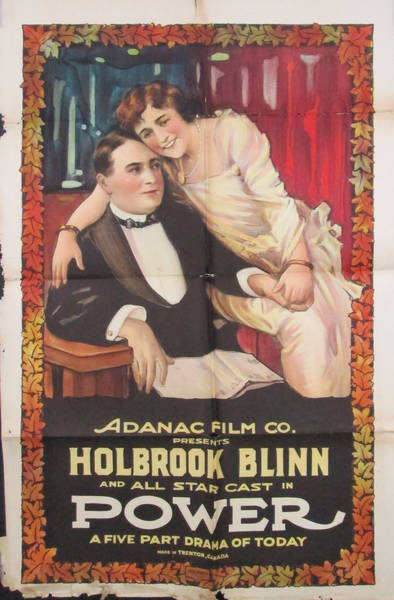
The Genesis of the Maverick Vision: Early Cinema as a Wild Frontier
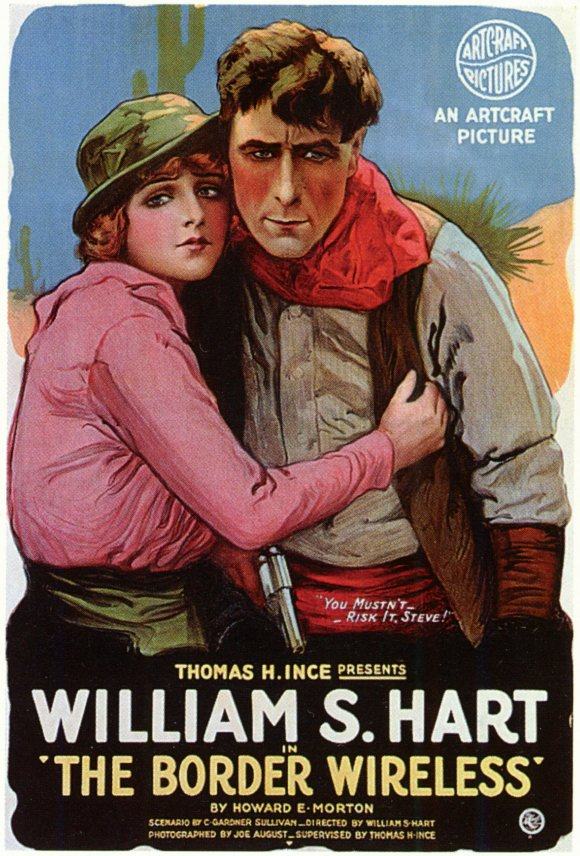
Before Hollywood became a dream factory churning out formulaic blockbusters, cinema was a wild frontier. The early 20th century, the era from which many of our contextual films like The Bohemian Girl (1922), The Border Wireless (1918), and Christophe Colomb (1917) emerge, was a period of unbridled innovation. Filmmakers were inventing the language of cinema as they went along, experimenting with narrative structure, visual effects, and performance styles. There were no established rules, no rigid genres, and certainly no commercial templates to adhere to. This nascent environment, though largely driven by novelty and mass appeal, inadvertently fostered a spirit of unconventionality that would become a hallmark of future cult classics.
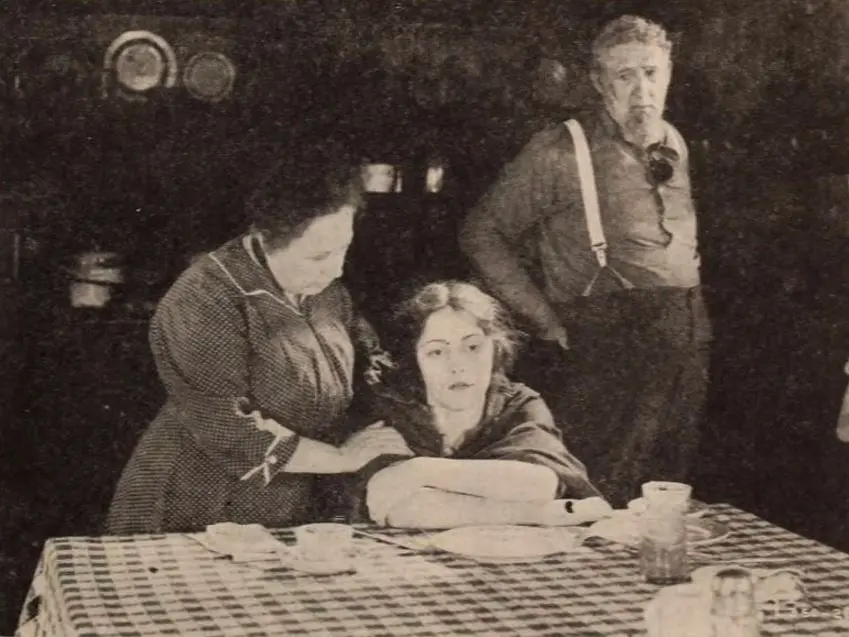
Consider the sheer diversity of these early films. From the historical epic of The Last of the Mohicans (1920) to the whimsical comedy of Ask Father (1919) and the dramatic intensity of The Beautiful Gambler (1921), early cinema was a crucible of storytelling. Each film, in its own way, was a venture into uncharted territory, a bold declaration of what moving images could achieve. While none of these were likely considered 'cult' in their time, their very existence as early, often raw, expressions of cinematic art laid the groundwork. They showed that film could be more than just a novelty; it could be a vehicle for grand narratives, intimate dramas, or even startling social commentary, paving the way for the transgressive visions that would later define cult cinema.

The Allure of Transgression: Challenging Norms and Pushing Boundaries
At the heart of many cult films lies a willingness to transgress, to defy societal norms, narrative conventions, or aesthetic expectations. This transgressive spirit can manifest in various ways: controversial subject matter, extreme violence, explicit sexuality, genre-bending narratives, or a subversive worldview. While the early 20th century was a more conservative era, hints of this transgressive impulse can be found. Films like The Branded Soul (1917) or A Woman's Business (1920) delved into themes of moral ambiguity, deception, and societal pressure, albeit within the melodramatic framework of their time. These narratives, exploring the darker sides of human nature, offered audiences a glimpse into worlds that were often taboo or challenging.
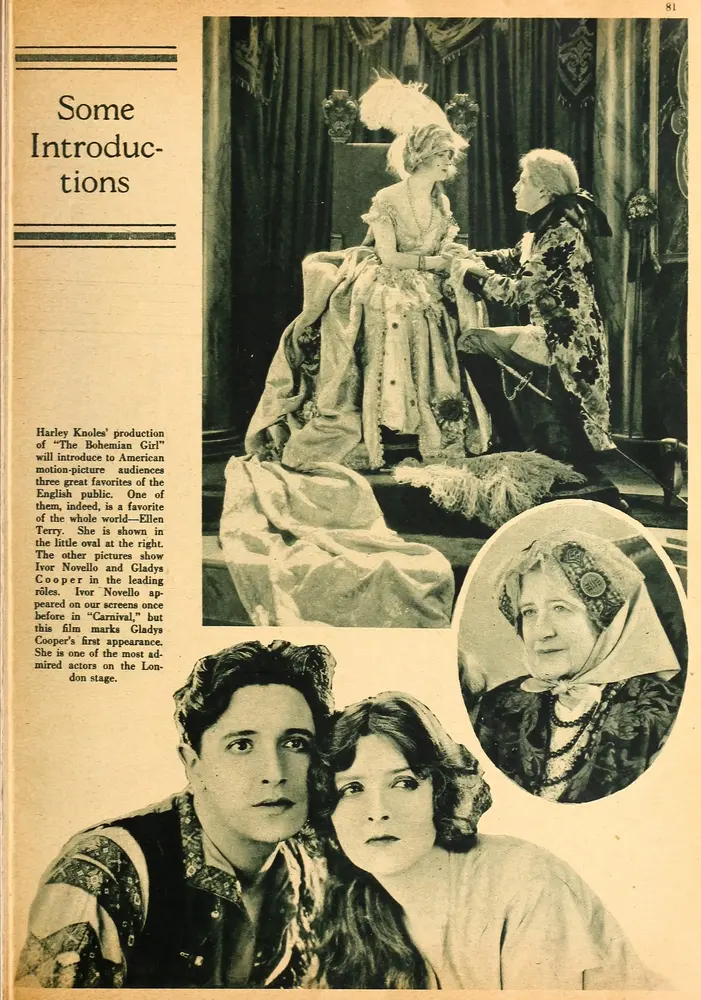
Perhaps the most striking example from this early period that foreshadows cult sensibilities is Häxan (1922). This Swedish-Danish silent film, a blend of documentary, horror, and fantasy, explores the history of witchcraft and demonology. Its graphic depictions of torture, nudity, and satanic rituals were shockingly provocative for its time, leading to widespread censorship. Häxan is a quintessential proto-cult film: it was ahead of its time, controversial, visually daring, and found its true appreciation much later, resonating with audiences who sought out its unique blend of historical inquiry and unsettling imagery. It embodies the rebel heart that beats within the chest of cult cinema, a heart that refuses to conform or be easily categorized.
The Aesthetics of the Unconventional: Visual Daring and Narrative Mutants
Cult films often stand apart due to their distinctive aesthetic or narrative structure. They might feature surreal imagery, non-linear storytelling, bizarre characters, or a unique visual style that defies easy classification. In the early days of cinema, every film was, in a sense, a narrative mutant. Filmmakers were still figuring out how to tell stories effectively with a camera. This led to a period of tremendous stylistic freedom and accidental brilliance. The melodramas like Sleeping Fires (1917) or Faith (1919) often employed heightened dramatic gestures and overt symbolism, creating a distinct visual language that, while conventional for its era, stands out today.

The very craft of filmmaking was experimental. The use of elaborate sets, innovative camera techniques, and pioneering editing styles in films like Ali Baba and the Forty Thieves (1918) or With Our King and Queen Through India (1912) (an early color film!) showcased a medium constantly pushing its own boundaries. While not intentionally avant-garde in the modern sense, these films often possessed an unpolished charm or a raw intensity that is deeply appealing to cult audiences who appreciate authenticity and artistic boldness over slick commercialism. The earnestness and inventive spirit of these early works, such as The Week-End (1916) or Through the Back Door (1921), speak to a time when every frame was a discovery, a sentiment that resonates with the discovery-oriented nature of cult fandom.

The Audience as Co-Creator: Forging Fandom and Shared Rituals
What truly transforms a film into a cult phenomenon is its audience. Cult status isn't bestowed by critics or box office numbers; it's forged in the crucible of collective adoration and repeated viewings. Fans don't just watch cult films; they engage with them, dissect them, re-enact them, and build communities around them. This level of engagement transcends passive consumption, turning the cinematic experience into a participatory ritual.
Even in the early days of cinema, films, particularly those with strong dramatic arcs or compelling characters, would have undoubtedly sparked fervent discussions and repeat visits. Imagine the discussions around the moral quandaries in The Marriage Pit (1920) or the adventurous escapades in Wolves of the Rail (1918). While not organized fandoms as we know them today, the seeds of collective engagement were certainly present. The very act of going to the cinema was a social event, a shared experience that fostered discussion and connection. Films that offered something different, provocative, or intensely emotional, like The Family Honor (1920) or What No Man Knows (1921), would have left an indelible mark on their viewers, prompting conversations and generating a nascent form of cinematic devotion. This early communal viewing experience laid the sociological groundwork for the intense, community-driven fandoms that would later define cult cinema.
Beyond the Box Office: The Slow Burn of Recognition
A common thread in the tapestry of cult cinema is its initial rejection or oversight by mainstream audiences and critics. Many cult classics were box office failures upon release, only to find their true audience years, or even decades, later. This slow burn of recognition is a testament to their timelessness and their ability to speak to a niche, yet passionate, demographic. The early cinema landscape, with its rapid production cycles and ephemeral exhibition, meant that many films were quickly forgotten. Titles like Flare-Up Sal (1918), The Honey Bee (1920), or The Girl in His House (1919), while perhaps popular in their day, faded from collective memory, only to be rediscovered by historians and cinephiles much later.
This process of rediscovery, of unearthing forgotten gems, mirrors the way many cult films gain their status. The value of these films often lies not in their immediate commercial viability, but in their unique artistic merit, their ability to challenge, provoke, or simply entertain in an unconventional way. The enduring appeal of films that defy easy categorization, like the dramatic Souls on the Road (1921) or the intriguing Pençe (1917), lies in their singular vision. They invite a deeper engagement, a willingness to look beyond surface-level entertainment and appreciate the craft, the message, or the sheer strangeness that makes them special. This enduring fascination with the cinematic outcast, whether from the silent era or contemporary independent scene, is a defining characteristic of cult appreciation.
The Enduring Echoes of the Fringe: Cult Cinema's Timeless Allure
Cult cinema is not a static genre; it is a living, evolving phenomenon that continues to fascinate and inspire. Its roots reach back to the very dawn of filmmaking, to a time when every film was an experiment, and every story was a new frontier. The early films, from the grand adventures of Ali Baba and the Forty Thieves to the social dramas of Stolichnyi iad (1917) and the unsettling artistry of Häxan, collectively form an unseen current, a foundational layer of cinematic expression that demonstrated the medium's vast potential for diversity, transgression, and profound audience connection. They showed that stories could be told in myriad ways, that aesthetics could be bold, and that films could evoke powerful, often unsettling, emotions.
The films that achieve cult status today—whether it's Rocky Horror Picture Show, Blade Runner, or Donnie Darko—are direct descendants of this early spirit of innovation and daring. They carry the torch of the maverick filmmaker, the one who chooses to walk a different path, to challenge expectations, and to create something truly unique. The enduring mystique of cult cinema lies in its ability to connect with individuals on a deeply personal level, offering solace, validation, or simply a space for shared eccentricity. It is a testament to the power of film to transcend mere entertainment and become a vital part of identity, community, and cultural discourse.
From the earliest cinematic experiments to the modern-day midnight screenings, the unseen current of cult cinema flows, ever-present, ever-inviting. It reminds us that the most profound and lasting cinematic experiences often reside not in the brightest spotlights, but in the shadowy corners, waiting to be discovered by those who dare to look beyond the mainstream, seeking out films that speak to their individual soul and collective spirit. These are the films that refuse to die, sustained by the unwavering devotion of their chosen families, forever etching their rebel heart into the annals of cinematic history.
The journey through the deep waters of cult cinema is a testament to the fact that artistry, passion, and a willingness to defy convention will always find an audience, no matter how small or how long it takes. It is a celebration of the outsider spirit, a vibrant subculture within the larger cinematic world that continues to thrive and grow, fueled by the timeless allure of the unconventional.
Community
Comments
Log in to comment.
Loading comments…