
Cult Cinema, Deep Dive
The Unseen Legacy: Decoding Cult Cinema's Enduring Allure and Maverick Heart

“Cult cinema thrives in the shadows of mainstream success, nurturing an enduring appeal that transcends initial reception. This deep dive explores the magnetic pull of unconventional films, their rebel spirit, and the devoted communities they inspire.”
In the vast, ever-expanding tapestry of cinematic history, there exists a unique, often shadowy realm where films defy easy categorization, where commercial failure can morph into critical adoration, and where devoted communities coalesce around narratives once dismissed or misunderstood. This is the world of cult cinema, a fascinating phenomenon that transcends mere genre or budget, instead defined by its profound, lasting impact on a passionate, often niche, audience. It’s a space where the unconventional reigns supreme, where the transgressive is celebrated, and where the rebel spirit of filmmaking finds its true home.

What exactly imbues a film with this coveted, almost mystical, 'cult' status? It’s rarely about initial box office glory or critical consensus. Instead, it’s an organic alchemy, a slow burn of discovery and re-evaluation that transforms an overlooked curiosity into an indispensable cultural touchstone. From the silent era’s daring experiments to modern-day genre-benders, the lineage of cult films is a testament to the power of artistic individuality and the enduring human desire for stories that resonate on a deeper, often subversive, level. These cinematic outliers, much like forgotten relics unearthed from an ancient archive, reveal layers of meaning and connection over time, fostering a loyalty that mainstream blockbusters often only dream of.

The Genesis of the Unconventional: From Obscurity to Obsession
The journey of a film from obscurity to cult icon is often circuitous and unpredictable. Many cult classics began their lives as commercial flops, critical punching bags, or simply too avant-garde for their contemporary audiences. Consider the diverse landscape of early cinema, where narratives ranged from the dramatic intensity of 'The Siren's Song' or 'Eye for Eye' to the whimsical antics of 'The Nut' or 'Snooky's Labor Lost'. Even within these nascent forms, films that pushed boundaries, whether through unconventional storytelling, challenging themes, or simply a unique sensibility, laid the groundwork for what would become the cult phenomenon.

These early cinematic ventures, some now lost to time or preserved only in fragmented reels, were often products of an industry still finding its voice. Directors were experimenting, pushing the technical and narrative envelopes without the rigid genre conventions or studio oversight that would later define Hollywood. A film like 'The Mad Marriage', with its exploration of artistic ambition and personal sacrifice, or 'Lulu', delving into morally complex relationships, might have been seen as sensational or challenging in its time. While not explicitly 'cult' in the modern sense, their willingness to tackle taboo subjects or employ stylistic flourishes that stood apart from the norm planted the seeds for future generations of filmmakers who would consciously embrace the transgressive.
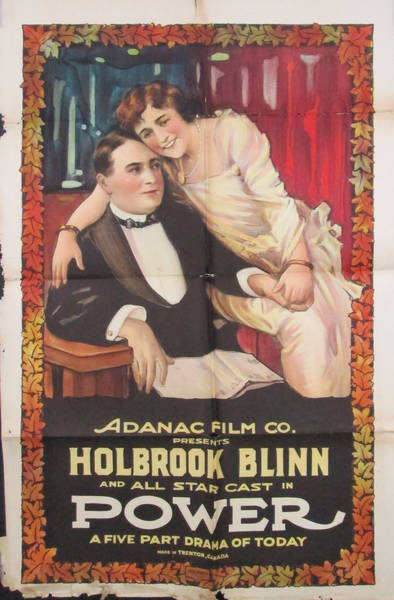
The very act of seeking out these films, often in repertory theaters, late-night screenings, or through word-of-mouth, became part of the ritual. It’s a shared secret, a cinematic handshake among those who appreciate the peculiar, the profound, and the profoundly strange. This shared experience elevates the film beyond mere entertainment; it becomes a catalyst for community, a rallying point for those who feel alienated by more conventional fare. The allure isn't just in the film itself, but in the collective act of discovery and appreciation that surrounds it.
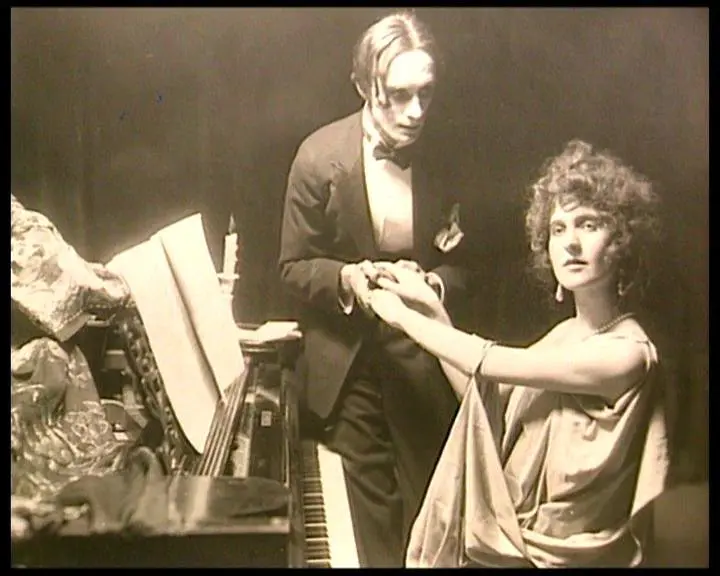
Rebellion, Resonance, and the Maverick Vision
At the heart of many cult films lies a potent cocktail of rebellion and resonance. These are films that dare to question, to subvert, to outright reject the prevailing cultural norms or cinematic conventions of their time. They offer alternative perspectives, often through a darkly comedic lens, a surrealist dreamscape, or a brutally honest portrayal of society's underbelly. The narratives might be complex, ambiguous, or even deliberately confusing, inviting multiple interpretations and fostering endless discussion.

The 'maverick vision' is crucial here. It's the singular, uncompromising artistic voice that refuses to conform, even if it means alienating a wider audience. Films like Dziga Vertov's 'Kino-Pravda No. 13', an early experimental newsreel, exemplify a radical approach to filmmaking that prioritizes a unique vision over commercial appeal. While not narrative fiction in the traditional sense, its innovative techniques and dedication to a specific ideological perspective made it a distinct outlier, likely appreciated by a specific, dedicated intellectual audience – a proto-cult in its own right.

This spirit of defiance is often what draws audiences in. People gravitate towards films that reflect their own feelings of being an outsider, or that articulate unspoken truths about the human condition. A drama like 'The Other Half', which might have explored class distinctions and societal debt, could have resonated deeply with audiences seeking social commentary beyond simple melodrama. The raw, unfiltered emotion, the challenging of societal structures, or the unapologetic weirdness becomes a form of catharsis for viewers who find themselves equally out of step with the mainstream.
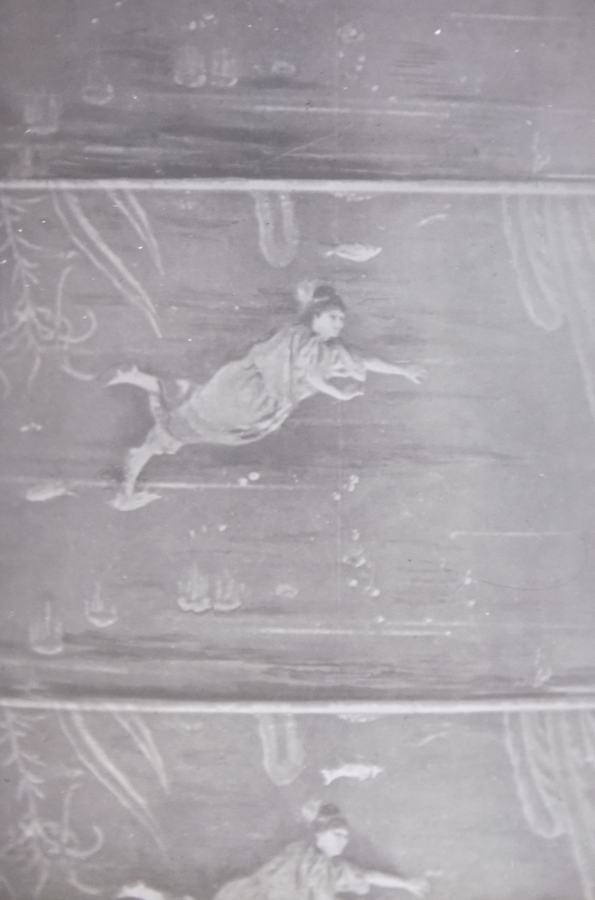
Cult films often dabble in themes considered taboo or uncomfortable. They might explore extreme violence, sexuality, psychological distress, or existential dread with an unflinching gaze. They don't sanitize reality; they amplify its strangeness, its beauty, and its horrors. This transgressive art challenges viewers to confront their own biases and expand their understanding of what cinema can be. It’s not always a comfortable experience, but it’s almost always a memorable and thought-provoking one, leaving an indelible mark on the psyche.
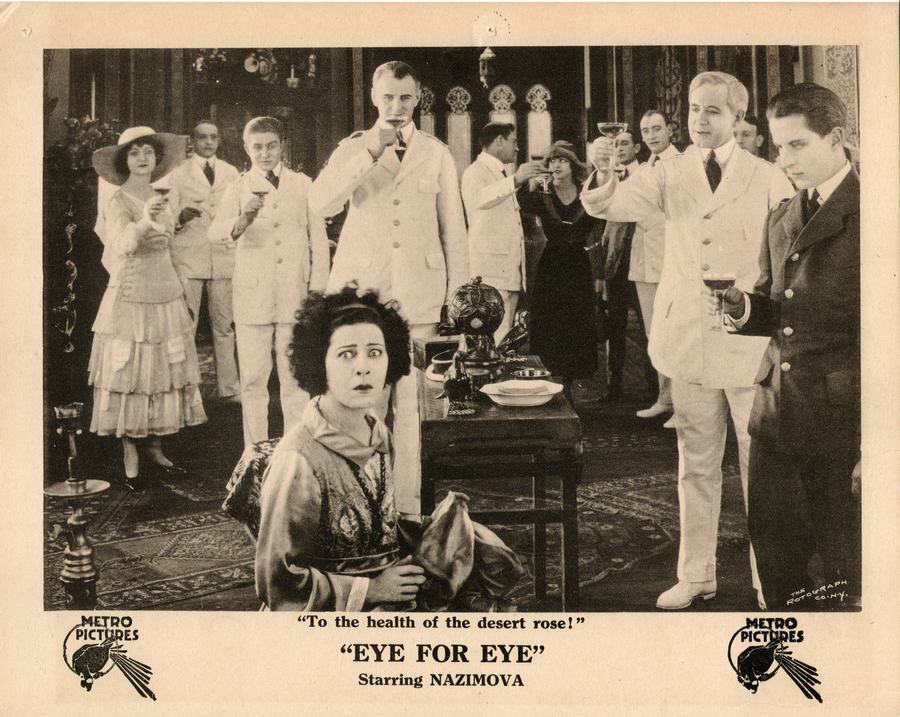
The Midnight Mystique: A Communal Experience
Perhaps one of the most defining characteristics of cult cinema is the communal experience it fosters. The term 'midnight movie' itself conjures images of darkened theaters filled with fervent fans, often dressed in costume, reciting lines, and actively participating in the screening. This isn't passive viewing; it's a ritual, a celebration, a shared communion. Films like 'The Rocky Horror Picture Show' are the quintessential example, but the spirit of audience participation extends to countless other titles, albeit in more subtle ways.

This phenomenon isn't new. Even in the early days of cinema, certain films, perhaps those with a particularly engaging villain, a memorable catchphrase, or an unusually intense dramatic arc like 'The Daredevil' or 'Stranger Than Fiction', might have inspired repeat viewings and animated discussions. The advent of home video, and later digital streaming, only amplified this, allowing films to be discovered and re-discovered by new generations, further cementing their status. The 'fringe factor' of these unconventional films becomes their strength, uniting disparate individuals through a shared love for the unique.
The discussions that erupt online and offline around cult films are often as rich and complex as the films themselves. Fans dissect every frame, theorize about hidden meanings, and debate character motivations. This collective interpretation adds layers of meaning that the filmmakers themselves may not have intended, creating a living, breathing text that evolves with its audience. It’s a testament to the film's enduring power that it continues to provoke, inspire, and entertain decades after its initial release.
This devotion extends beyond mere viewing. It involves collecting memorabilia, creating fan art, writing fan fiction, and even organizing conventions. The film becomes a central pillar of identity for many, a banner under which they can connect with like-minded individuals. In a world that often feels isolating, cult cinema offers a sanctuary, a place where the weird, the wonderful, and the misunderstood can find acceptance and belonging. It’s a powerful testament to the human need for connection through shared passions.
The Enduring Legacy: Shaping Cinematic History
While often operating outside the mainstream, cult films wield significant influence, subtly shaping the course of cinematic history. Directors, writers, and artists often cite cult classics as formative inspirations, drawing lessons in narrative daring, visual innovation, or thematic complexity. A film that was once dismissed might, years later, be recognized as a groundbreaking work that was simply ahead of its time, its influence rippling through subsequent generations of filmmakers.
Consider the early genre films, like 'Medicine Bend' (a Western) or 'Mohini Bhasmasur' (an Indian mythological film). While these might not be considered 'cult' in the modern sense, their unique cultural context and specific appeal to certain audiences at the time highlight how films can carve out distinct spaces. When a film like 'The Flashlight' or 'The Follies Girl' presented a unique premise or character, it contributed to the evolving language of cinema, even if its impact was initially limited to a smaller, dedicated viewership.
The beauty of the cult film is its resilience. It doesn't fade into obscurity; it festers, it grows, it finds its people. It's a testament to the idea that true artistic merit isn't always immediately recognized or universally acclaimed. Sometimes, it takes time for the world to catch up to a truly visionary or idiosyncratic piece of work. The 'unscripted cult' emerges from a combination of accidental masterpieces and maverick visions, forging cinematic immortality.
These films challenge the very notion of what constitutes 'good' cinema, arguing that impact and resonance often outweigh technical perfection or commercial viability. They remind us that cinema is a diverse art form, capable of expressing an infinite spectrum of human experience, from the profound to the utterly absurd. And in doing so, they enrich the entire medium, pushing boundaries and expanding horizons for both creators and audiences alike.
Beyond the Marquee: The Alchemy of Audience and Art
Ultimately, cult cinema is a vibrant ecosystem where the art of filmmaking meets the passion of its audience in a symbiotic relationship. The films provide the canvas, the characters, and the narrative, but it is the viewers who infuse them with enduring life, meaning, and cultural significance. It’s a powerful demonstration of how art can forge unbreakable bonds and lasting legacies, even from the most unconventional of origins.
The appeal is deeply psychological: these films often tap into universal anxieties, desires, and fantasies in ways that mainstream narratives might shy away from. They offer a mirror to society's unspoken truths, or a window into worlds that exist on the periphery of conventional thought. Whether it’s the existential dread of a European art house film from the 1920s, the raw energy of an early American independent feature, or the quirky charm of a forgotten comedy, these films speak to a fundamental human need for connection, meaning, and a touch of the extraordinary.
In an age of endless content and algorithmic recommendations, the deliberate act of seeking out and championing a cult film feels more vital than ever. It’s a rejection of the bland, the predictable, and the corporatized, in favor of something authentic, challenging, and deeply personal. It’s an affirmation of individual taste and collective passion, proving that the most profound cinematic experiences often lie far beyond the glare of the mainstream spotlight.
So, the next time you stumble upon a film that feels a little off-kilter, a little too strange, or simply unlike anything you've seen before, lean into it. You might just be on the cusp of discovering your next cinematic obsession, a hidden gem that will connect you to a secret society of film lovers, and contribute to the rich, ongoing narrative of cult cinema’s enduring, maverick heart. The unseen legacy of these unconventional treasures continues to grow, one devoted fan at a time, proving that the most powerful stories are often those that refuse to be confined by convention.
Community
Comments
Log in to comment.
Loading comments…