
Curated Collection
The Invisible Hand: Early Espionage and Global Conspiracies
Explore the nascent world of cinematic spies, secret organizations, and international intrigue from the dawn of the 20th century.
20 films in this collection
The Genesis of Cinematic Intrigue
In the first two decades of the twentieth century, as the geopolitical landscape of the world began to fracture under the weight of industrialization and imperial tension, a new kind of storytelling emerged on the silver screen. Moving away from the simple morality plays and slapstick comedies of the Victorian era, filmmakers began to experiment with the concepts of statecraft, clandestine operations, and the 'invisible hand' of secret organizations. This collection, 'The Invisible Hand,' curates the foundational works of the espionage and conspiracy genres—films that captured a world on the brink of global conflict and the paranoia that accompanied the birth of modern intelligence.
The Diplomat as Protagonist
Before the tuxedo-clad secret agents of the Cold War, the cinematic spy was often a figure of high society—a diplomat, a wayward aristocrat, or an 'envoy extraordinary.' Films like The Envoy Extraordinary (1914) and Princess Romanoff (1915) illustrate this transition. In these narratives, the ballroom was as much a battlefield as the trenches. The stakes were rarely personal; they were national. These films utilized the burgeoning language of cinema to depict the fragility of international relations, where a stolen document or a whispered secret in a dimly lit corridor could theoretically trigger a continental war. This sub-genre allowed audiences to peer into the 'forbidden rooms' of power, offering a sensationalized glimpse into the lives of those who pulled the strings of history.
The Mastermind and the Secret Society
Parallel to the rise of the diplomatic thriller was the emergence of the 'Mastermind' trope—a shadowy figure who commanded a vast, often technologically advanced, criminal or political network. This is exemplified in the British serial Ultus 5: The Secret of the Night (1917) and the Finnish thriller Salainen perintömääräys (1914). These films tapped into a deep-seated public anxiety regarding the 'unseen' forces governing urban life. Whether it was a counterfeiting ring in The $5,000,000 Counterfeiting Plot (1914) or a mysterious organization manipulating local politics, these stories reflected a growing realization that the modern world was becoming too complex for the average citizen to fully comprehend. The 'secret society' became a recurring motif, serving as a cinematic shorthand for the hidden mechanisms of the new, globalized economy.
Technological Paranoia and the Art of Surveillance
Early cinema was itself a marvel of technology, and it frequently turned its lens toward other emerging inventions. The 'Invisible Hand' collection highlights films where technology is used as a tool for subversion. We see early depictions of radio-telegraphy, advanced chemical formulas, and sophisticated surveillance techniques. In The Man Who Disappeared (1914), the tension is driven by the mystery of a vanishing figure, suggesting that in the modern age, identity itself could be manipulated or erased. This era of filmmaking began to explore the 'panopticon' of the 20th century—the idea that someone was always watching, and that no secret was truly safe from the reach of a determined agent or a powerful organization.
The Shadow of the Great War
As the 1910s progressed, the looming specter of World War I fundamentally shifted the tone of these narratives. The 'adventure' of espionage took on a darker, more cynical edge. Films like Who Was the Other Man? (1917) and Victor Sjöström’s A Man There Was (1917) moved beyond the simple 'good vs. evil' archetypes. They began to explore the moral ambiguity of the spy—the man or woman forced to sacrifice their humanity for the sake of a flag. The heroism in these films is often pyrrhic, emphasizing the psychological toll of living a double life. This period marked the birth of the 'serious' spy film, a precursor to the gritty realism of John le Carré and the psychological depth of modern political thrillers.
A Global Language of Mystery
One of the most fascinating aspects of this collection is its international scope. The tropes of the conspiracy film were not limited to Hollywood; they were a global phenomenon. From the historical epics of Romania (The Independence of Romania, 1912) to the atmospheric dramas of Denmark (Katastrofen i Kattegat, 1916), the language of intrigue was universal. These films shared a visual grammar: the use of deep shadows, the dramatic reveal of a hidden letter, and the high-speed chase—often involving the newest automobiles or steam engines. By curating these diverse international works, we can see how different cultures processed the same anxieties regarding modernity, secrecy, and the loss of individual agency in the face of burgeoning state power.
Legacy and Influence
The films in 'The Invisible Hand' are more than just historical curiosities; they are the blueprints for some of the most enduring tropes in popular culture. The 'MacGuffin' (the mysterious object everyone is chasing), the 'Femme Fatale' spy, and the 'Hidden Lair' all find their roots in these early silent masterpieces. By revisiting these works, contemporary cinephiles can gain a deeper appreciation for the evolution of the thriller. We see the first attempts to visualize the invisible—to give a face to the conspiracies that haunt the collective psyche. This collection is an invitation to step back into a world of flickering shadows and silent whispers, where the fate of nations hung by a thread and the 'invisible hand' was always just out of frame.
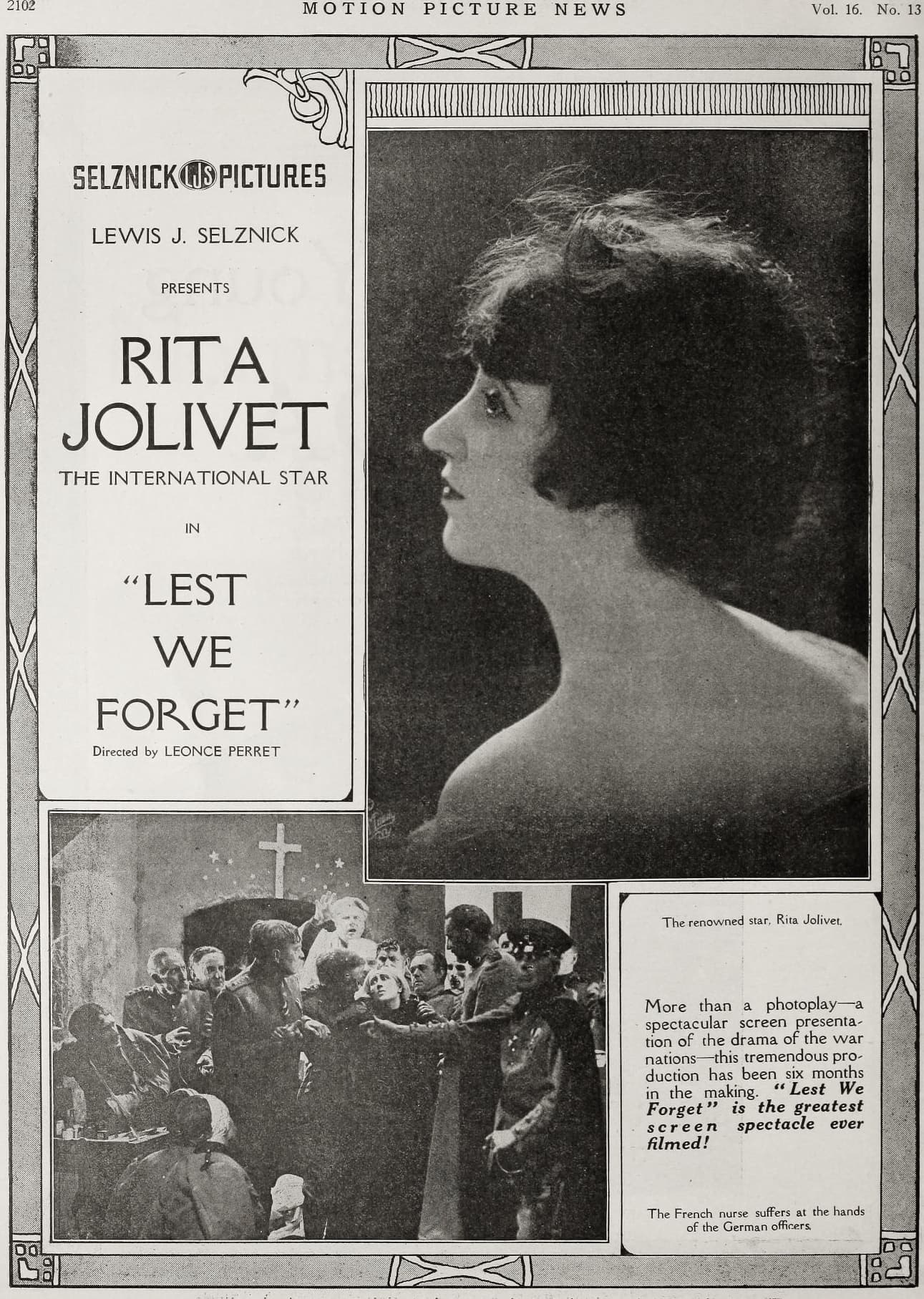
Lest We Forget
Léonce Perret
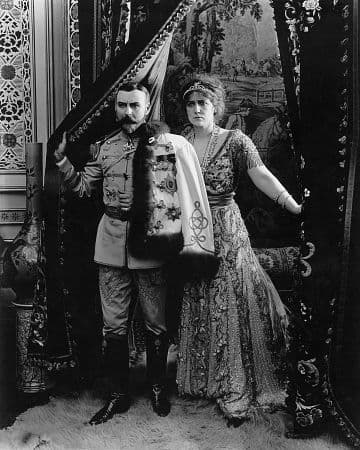
The Fall of the Romanoffs
Herbert Brenon

A Man There Was
Victor Sjöström

The Greatest Thing in Life
D.W. Griffith
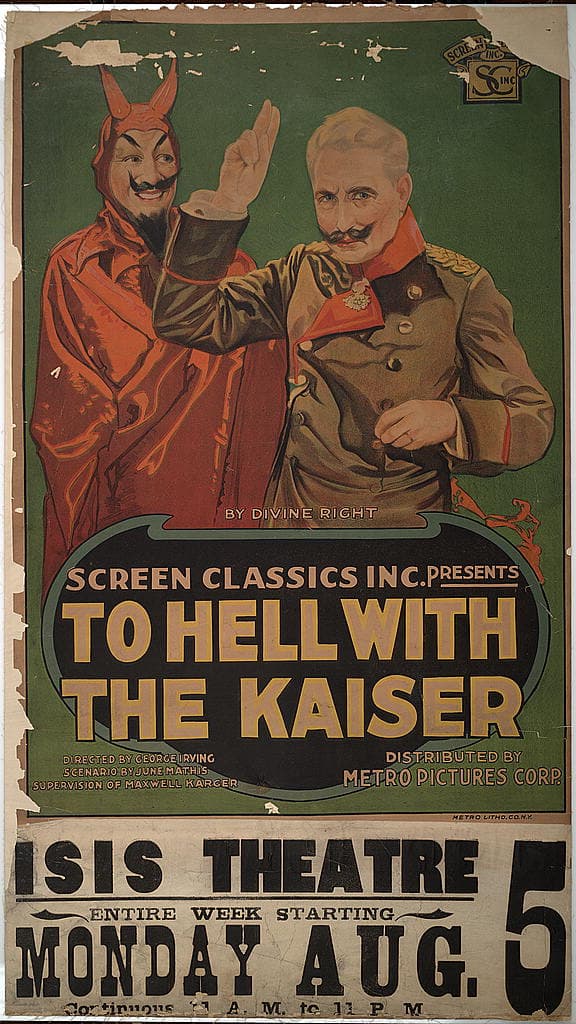
To Hell with the Kaiser!
George Irving
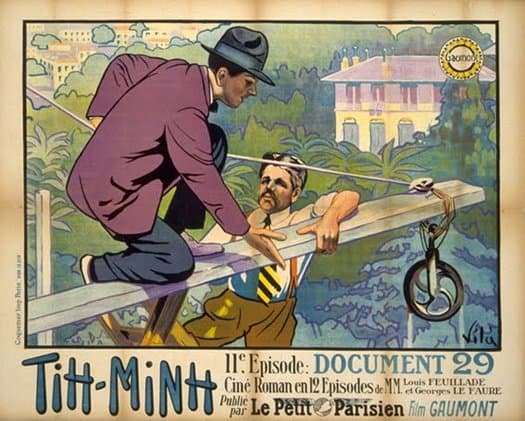
Tih Minh
Louis Feuillade
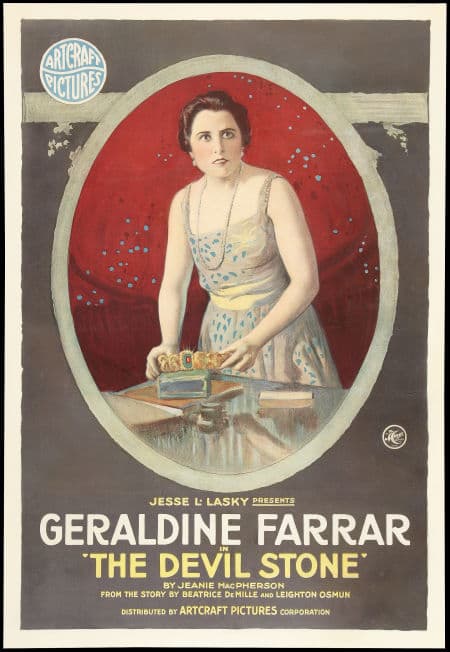
The Devil-Stone
Cecil B. DeMille

Shame
John W. Noble

For the Freedom of the East
Ira M. Lowry
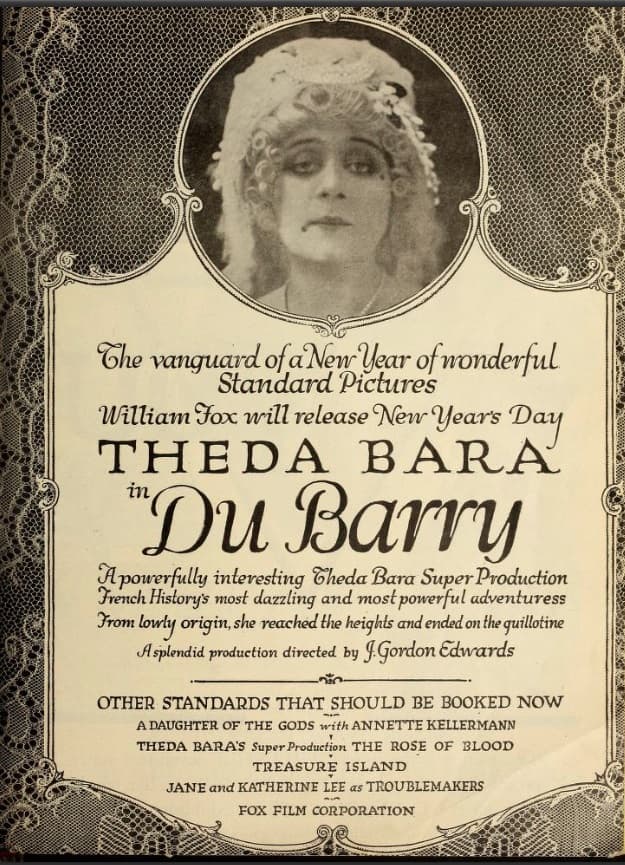
Madame Du Barry
J. Gordon Edwards
The Ghost House
William C. de Mille
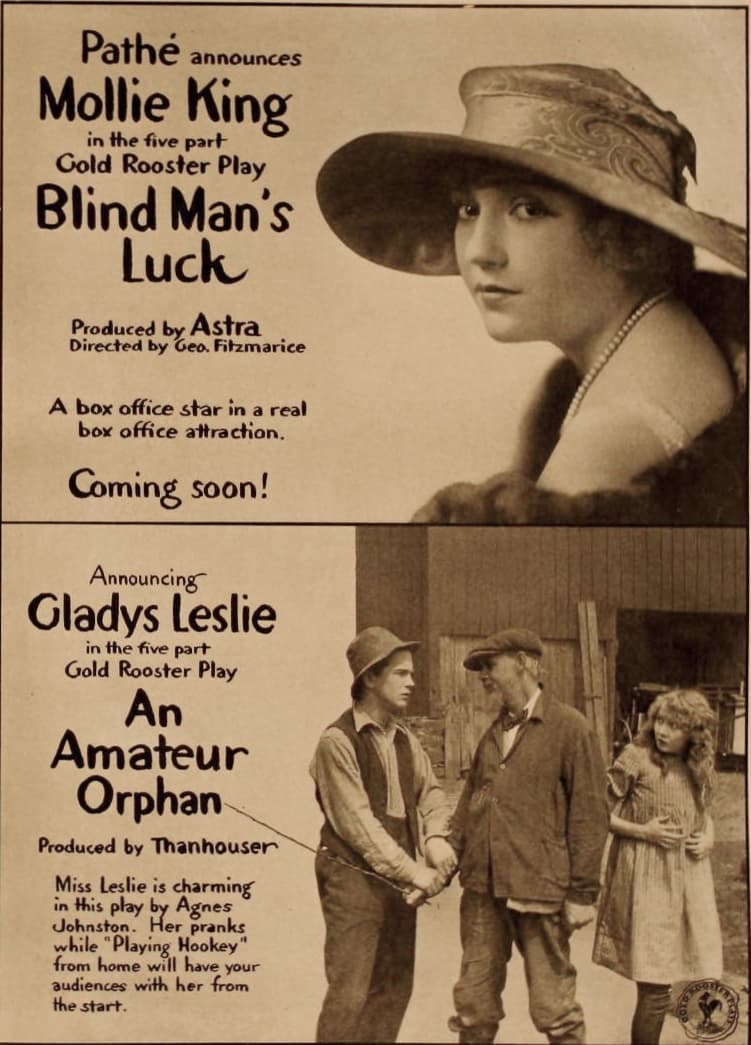
Blind Man's Luck
George Fitzmaurice
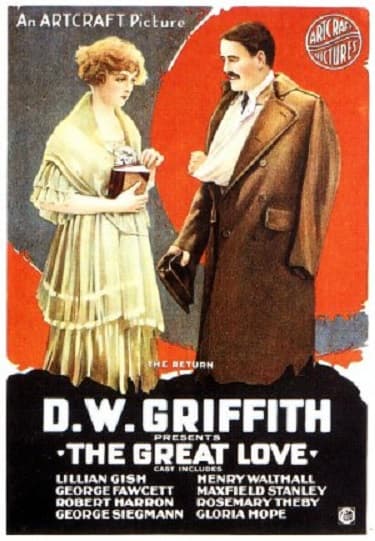
The Great Love
D.W. Griffith

Blind Justice
Benjamin Christensen
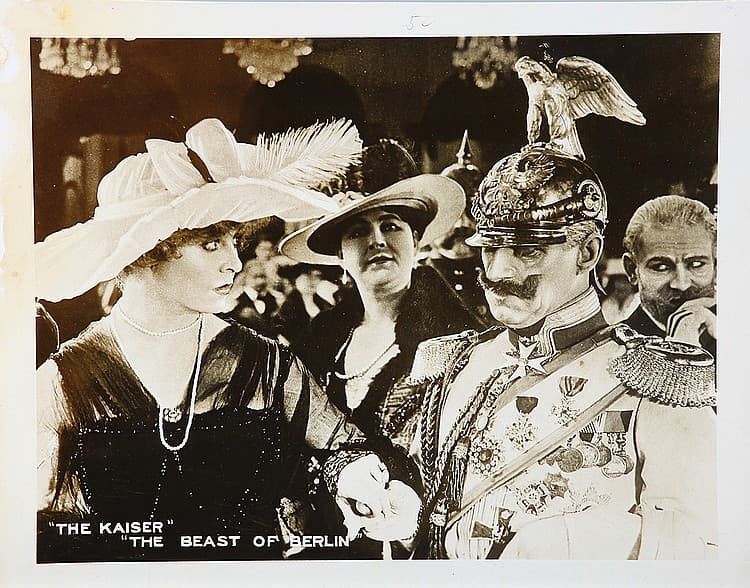
The Kaiser, the Beast of Berlin
Rupert Julian

Il Fauno
Febo Mari

Satan's Rhapsody
Nino Oxilia
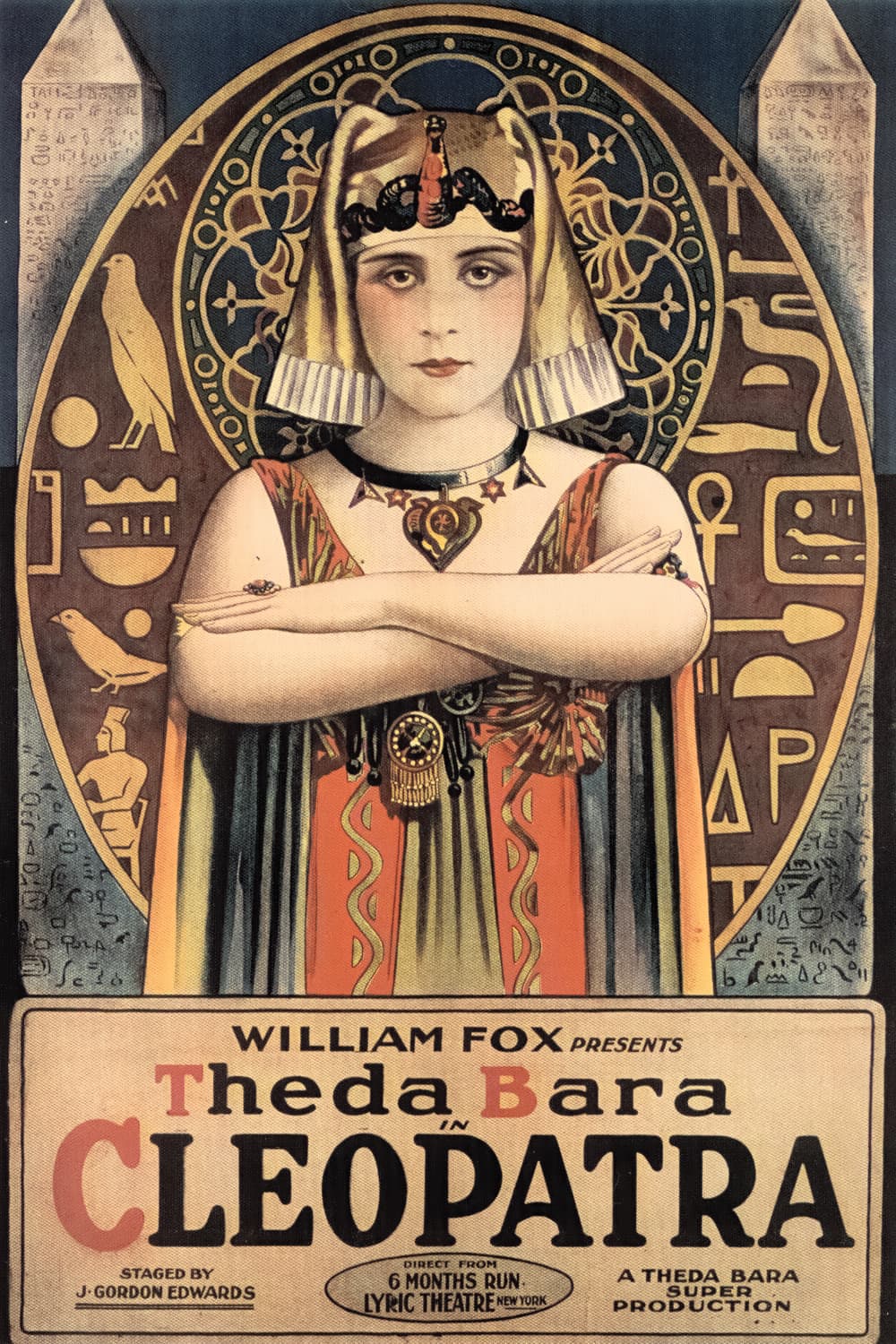
Cleopatra
J. Gordon Edwards
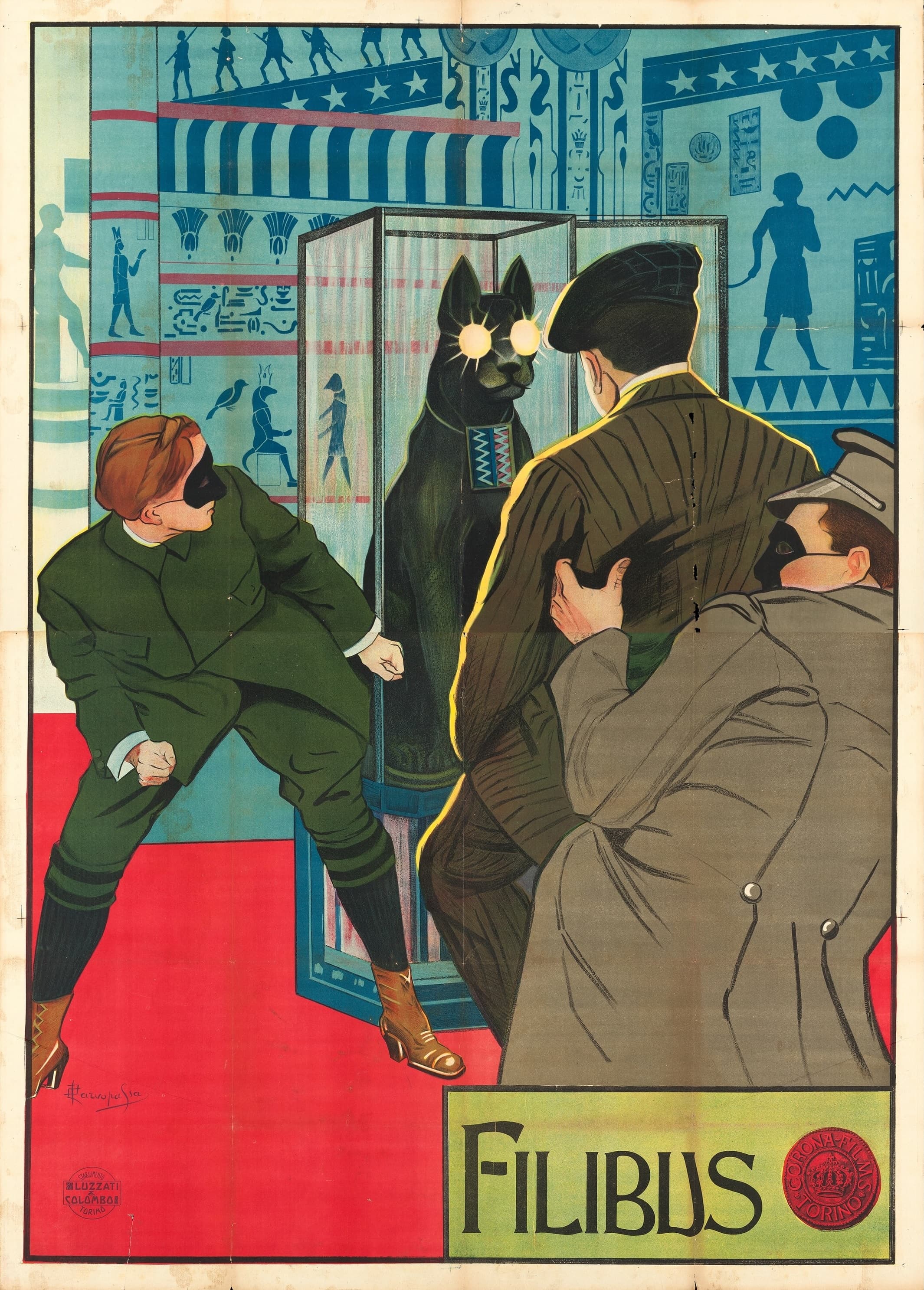
Filibus
Mario Roncoroni
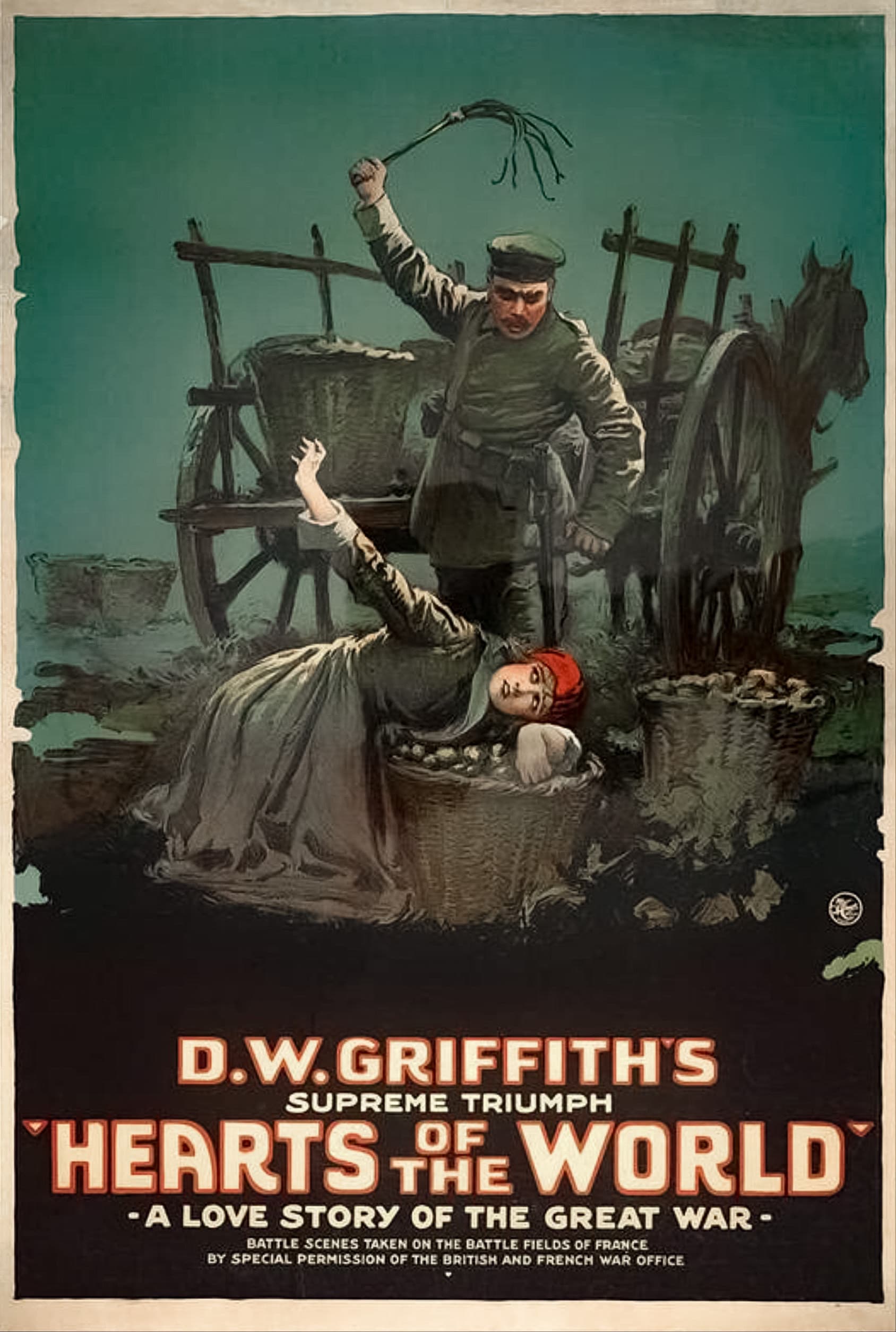
Hearts of the World
D.W. Griffith