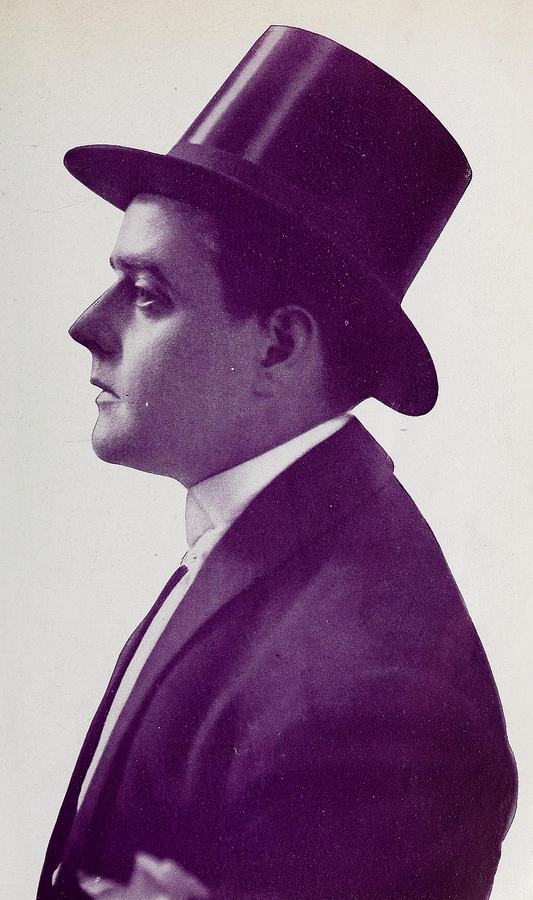
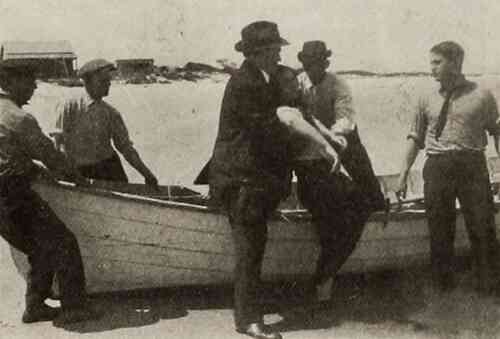
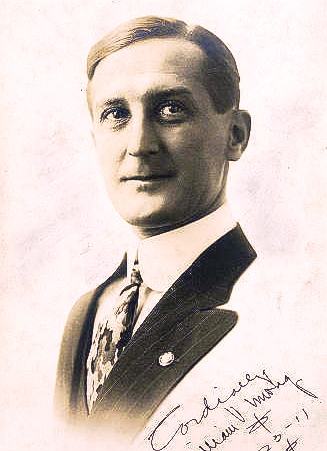
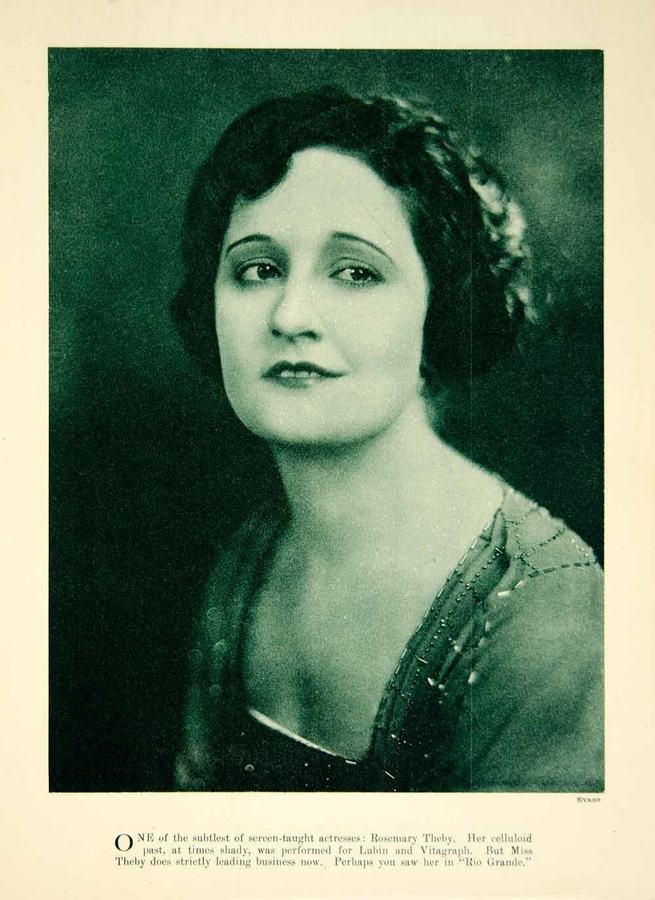
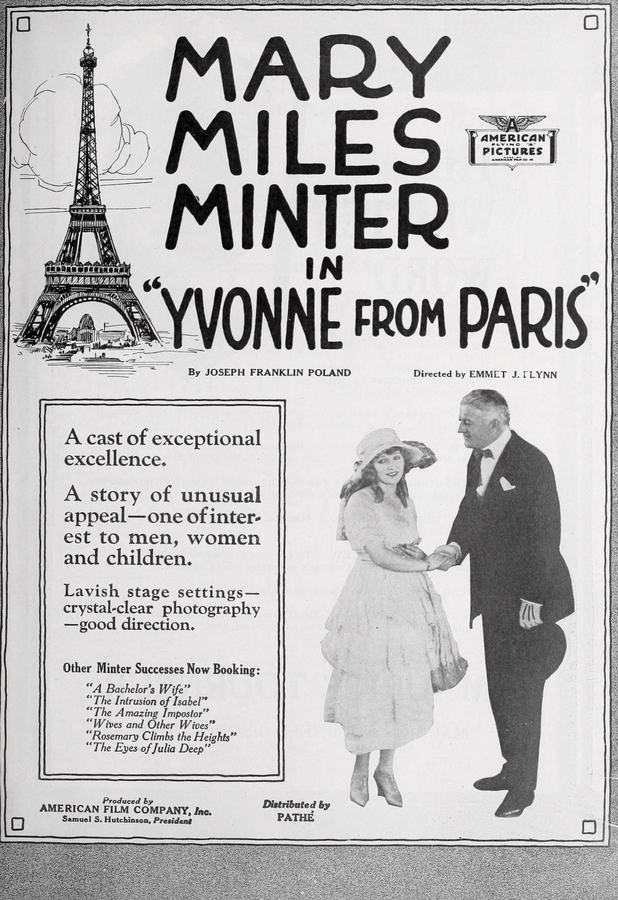
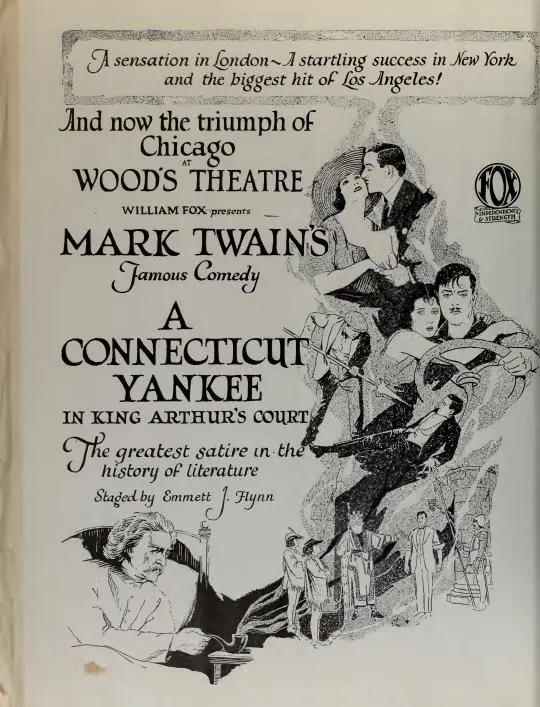
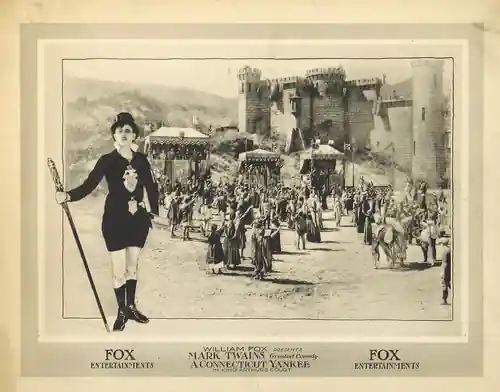
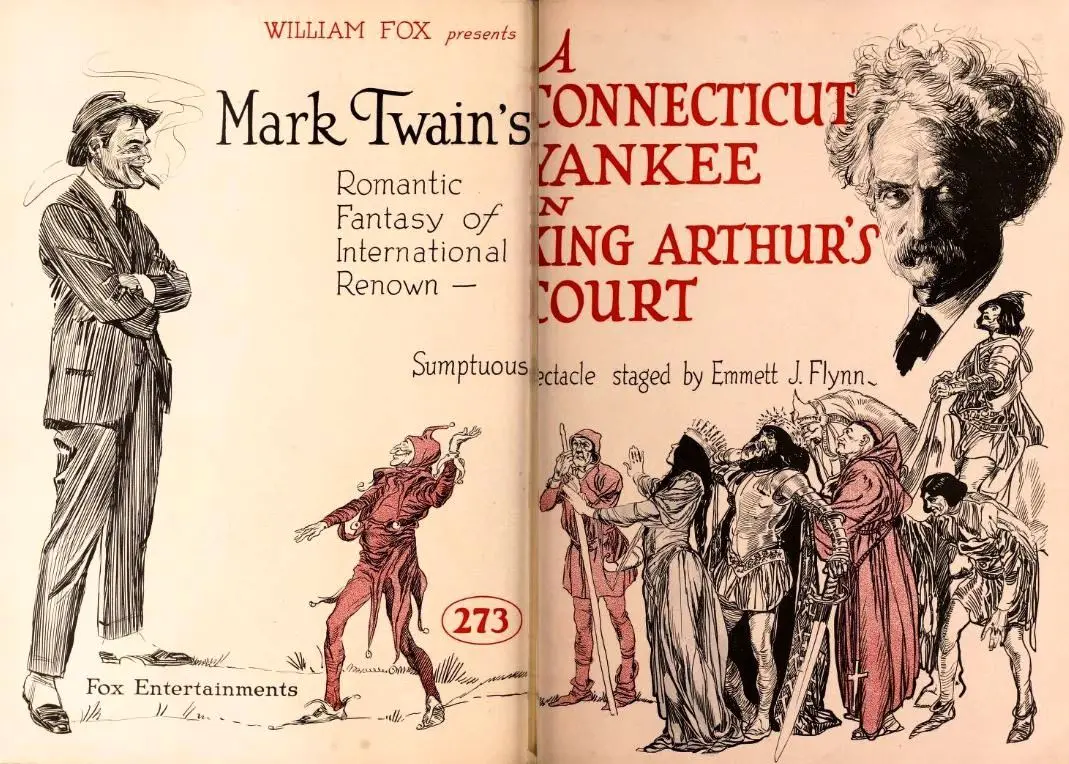
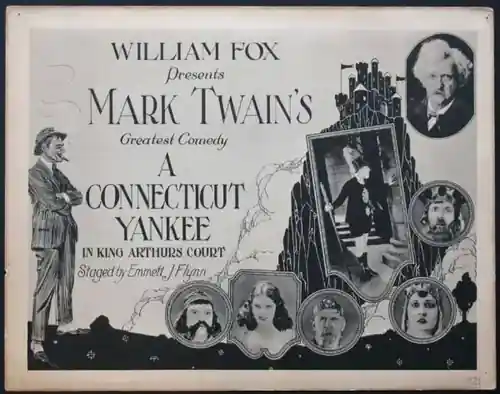
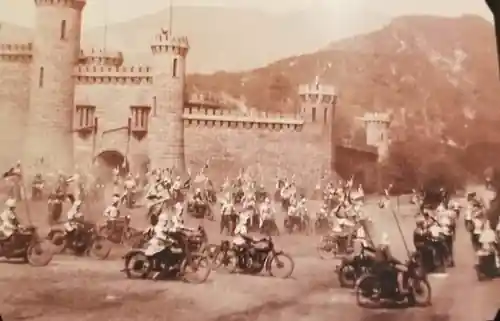
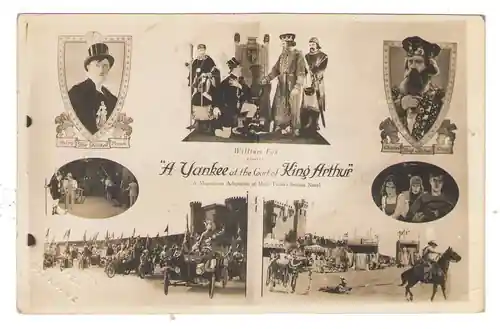
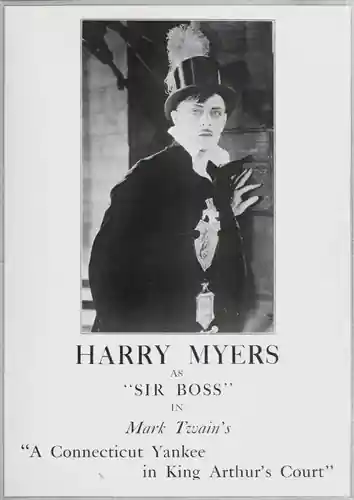
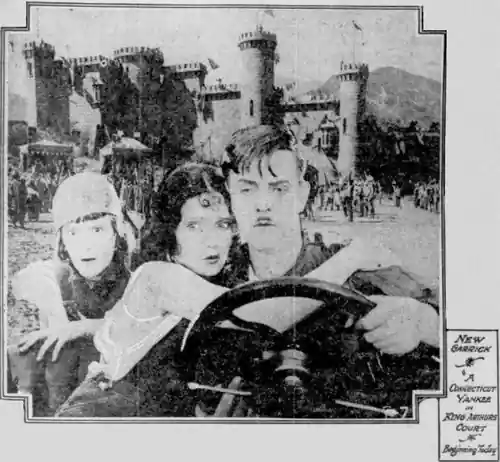
In 1921, a young man, having read Mark Twain's classic novel of the same title, dreams that he himself travels to King Arthur's court, where he has similar adventures and outwits his foes by means of very modern inventions including motorcycles and nitroglycerine..
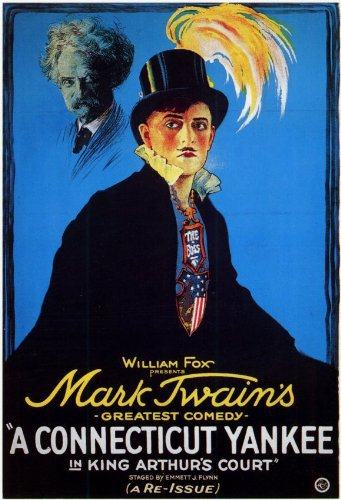
Camelot has always been a movable feast—nowhere more so than in this hallucinated 1921 curiosity where gasoline replaces holy water and nitroglycerine stands in for the Holy Grail. Fox’s adaptation—shot at Fort Lee when backlots still smelled of wet cedar—takes Twain’s poison-tipped satire and lacquers it with the s...
production_art
still_frame
production_art
production_art
still_frame
production_art
still_frame
production_art
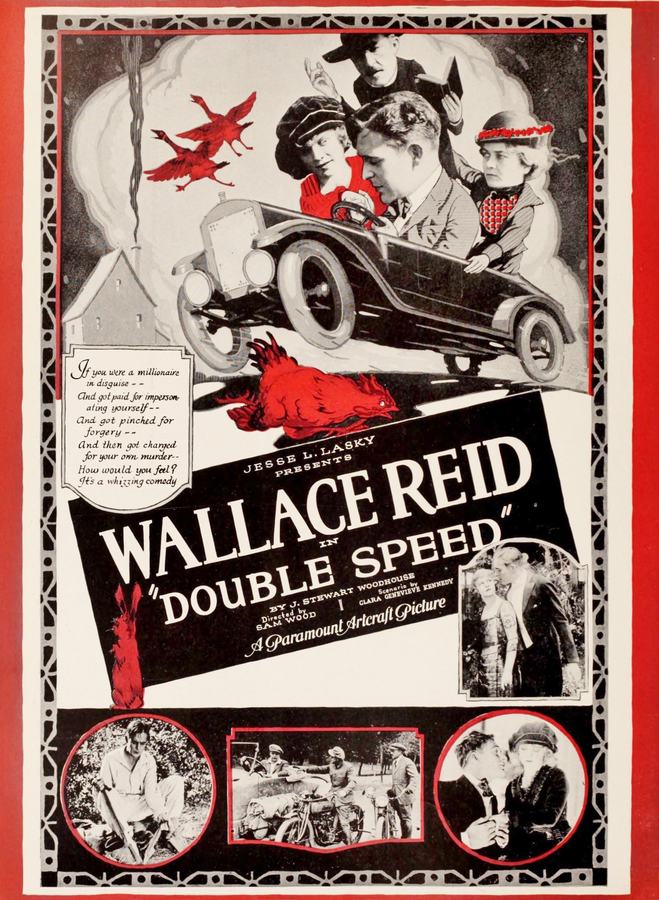

Comparing the cinematic DNA and archive impact of two defining moments in cult history.
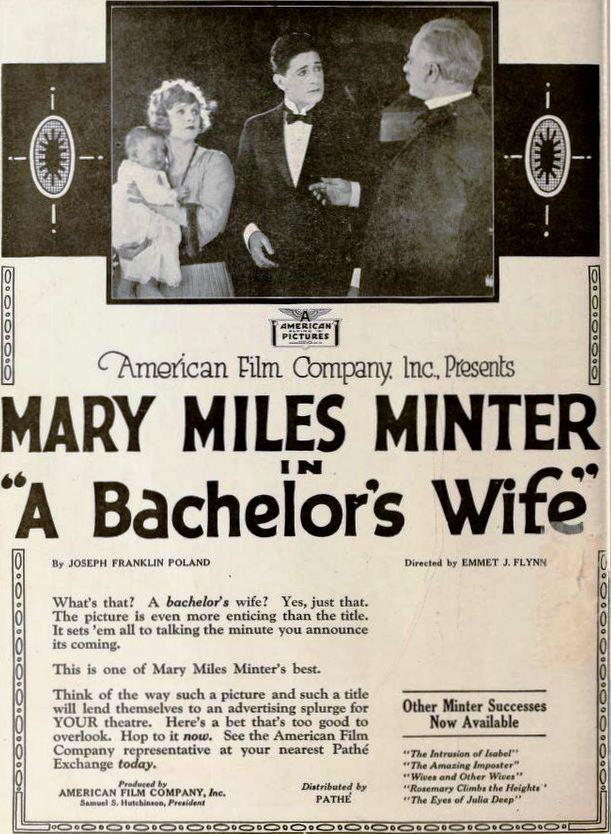
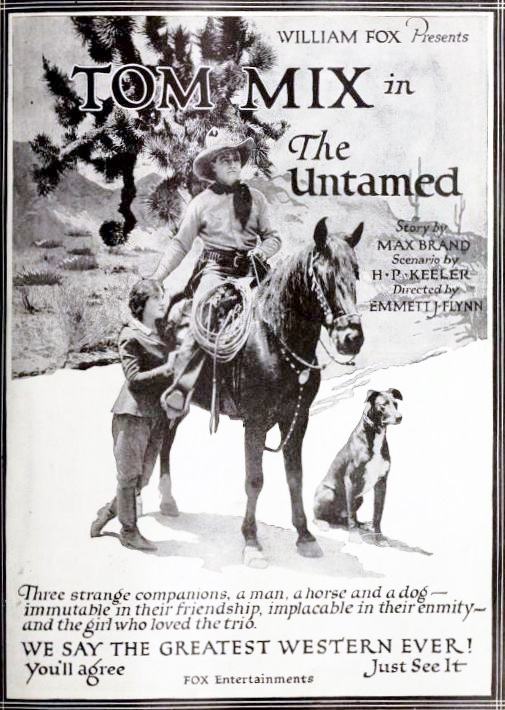
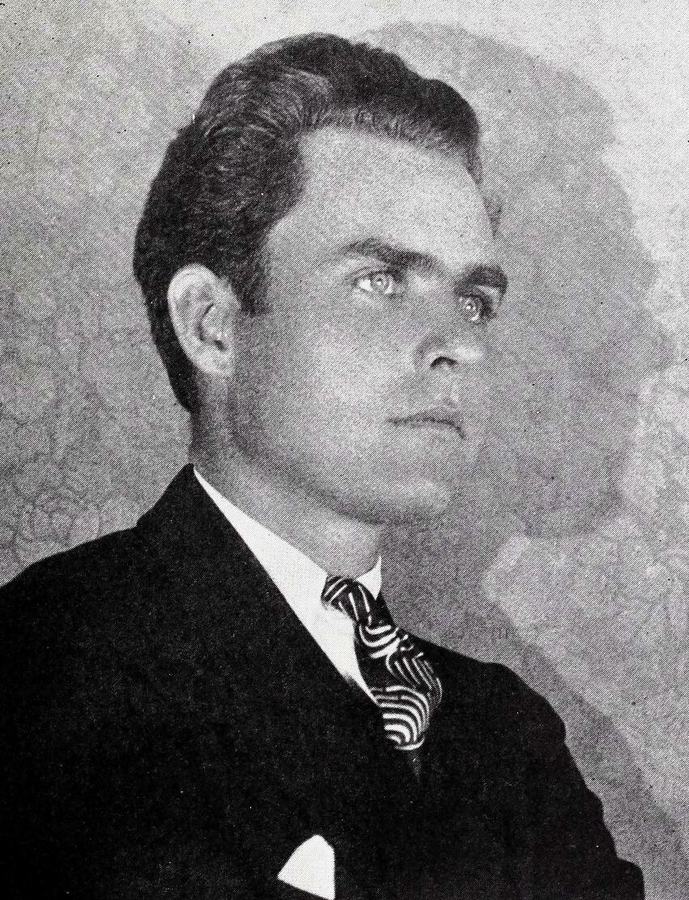
Emmett J. Flynn
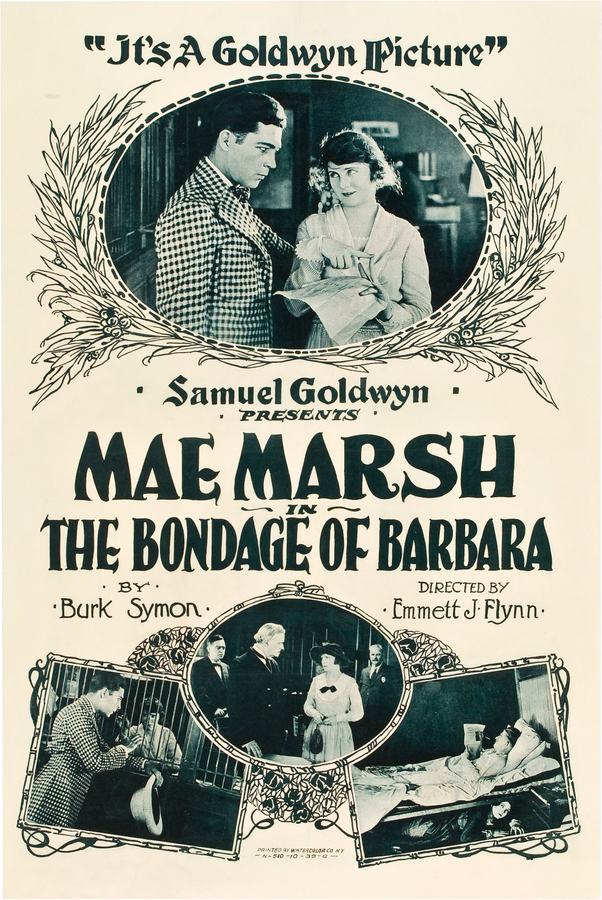
Emmett J. Flynn
Community
Log in to comment.
" Camelot has always been a movable feast—nowhere more so than in this hallucinated 1921 curiosity where gasoline replaces holy water and nitroglycerine stands in for the Holy Grail. Fox’s adaptation—shot at Fort Lee when backlots still smelled of wet cedar—takes Twain’s poison-tipped satire and lacquers it with the slapstick ecstasy of a post-war nation drunk on speed. The resulting artifact feels like a newsreel that has swallowed a stick of dynamite and forgotten to exhale. The Dream-Engine..."
Bernard McConville, Mark Twain
United States

Deep dive into the cult classic
Discover similar cinematic experiences
A Directorial Spotlight on Emmett J. Flynn