Alice's trip to the sea inspires her to dream of a visit to an animated underwater world..

United States
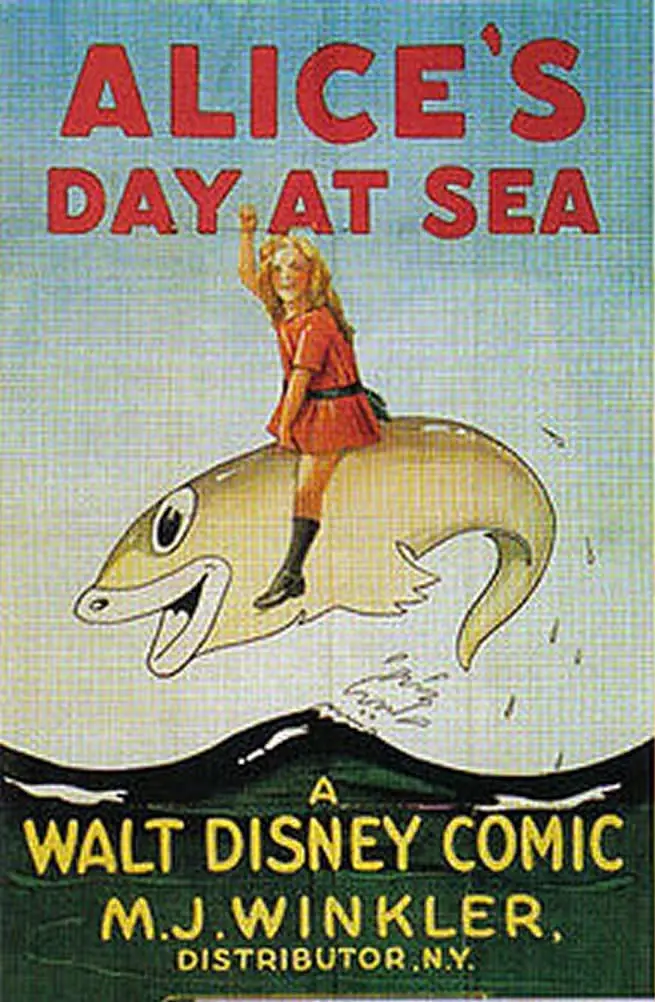
The Ontological Spark: Navigating the Ink-Stained Waters of 1924 In the grand tapestry of cinematic history, few threads are as vibrant or as historically significant as the 'Alice Comedies.' To watch Alice's Day at Sea today is to witness the literal birth of a medium’s dominant paradigm. Released in 1924, this fil...

still_frame

still_frame

still_frame

still_frame


Comparing the cinematic DNA and archive impact of two defining moments in cult history.
Walt Disney

Charley Chase
Community
Log in to comment.
" The Ontological Spark: Navigating the Ink-Stained Waters of 1924 In the grand tapestry of cinematic history, few threads are as vibrant or as historically significant as the 'Alice Comedies.' To watch Alice's Day at Sea today is to witness the literal birth of a medium’s dominant paradigm. Released in 1924, this film represents the first successful iteration of the series produced by the then-fledgling Disney Brothers Studio in Hollywood. It arrived at a time when the industry was grappling w..."


Deep dive into the cult classic
Discover similar cinematic experiences
A Directorial Spotlight on Walt Disney