
There are films you watch, and films that drown you. Max Bauer’s fever-dream of penal submersion, Das Gefängnis auf dem Meeresgrund, belongs to the latter taxonomy: a 1923 plunge into liquid purgatory that feels less like celluloid and more like an anchor dropped through the iris. Picture Caligari’s cabinet flooded t...

production_art
Comparing the cinematic DNA and archive impact of two defining moments in cult history.
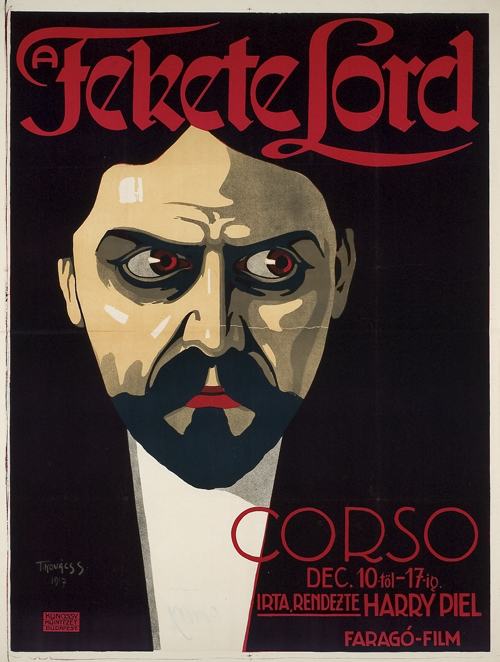
Harry Piel

Harry Piel
Community
Log in to comment.
" There are films you watch, and films that drown you. Max Bauer’s fever-dream of penal submersion, Das Gefängnis auf dem Meeresgrund, belongs to the latter taxonomy: a 1923 plunge into liquid purgatory that feels less like celluloid and more like an anchor dropped through the iris. Picture Caligari’s cabinet flooded to the rafters, its crooked silhouettes now weightless, drifting through corridors of green glass and silt. The camera itself seems to gulp lungfuls of brine, angling upward so ceil..."
Margot Thisset
Max Bauer
Germany